

Phased Electrical Upgrades for Manufacturing Plants
Electrical Upgrades for Manufacturing Plants: A Phased Plan That Keeps Production Moving
At Kord Electric, we build Electrical Upgrades for Manufacturing plans that protect uptime while improving safety, efficiency, and power quality. When a manufacturing plant needs electrical work, the real goal is not just “getting it done.” It is getting it done without turning a production line into a downtime headline. Others can offer a quick fix. We offer a structured, phased approach that matches real schedules, real loads, and real risk.
In the sections below, our experienced technicians and expert service staff explain how we plan upgrades step by step. We also make sure the work fits commercial and industrial facilities and major property buildings, because those environments do not forgive guesswork. And yes, we know delays feel like waiting for a holiday sale that never comes. We plan so you do not live that nightmare.
Start With Site Reality, Not Guesswork
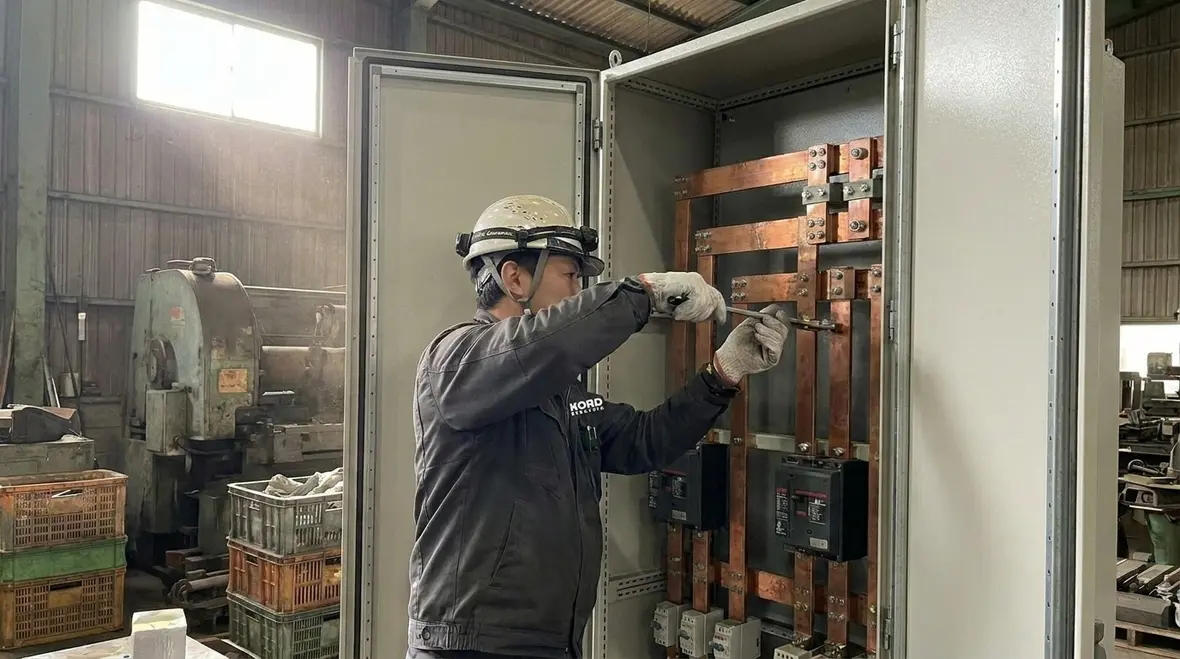
Before any panel is opened, we collect the facts. Then, we explain what they mean in plain terms. First, our field team reviews single line diagrams, feeder paths, equipment nameplates, and past changes. Next, we measure loads during normal operation and during peak shifts. After that, we check protection settings, grounding, and cable conditions.
Furthermore, we inspect how the plant behaves when things change. Motors start and stop. Processes ramp up. Spare capacity is not always as “spare” as spreadsheets claim. As a result, electrical upgrades fail when plans ignore actual demand and actual power quality. We treat that like a rule, not a suggestion.
To connect this to real-world performance, we also look at voltage behavior in commercial and industrial systems. When voltage fluctuates, sensitive drives and controls can misread signals, trip more than they should, and quietly wear out components. If you have ever watched equipment behave like it is “thinking about it,” you are likely seeing the cost of inconsistent voltage.

Plan Voltage, Power Quality, and Load Growth Together
Voltage stability matters in ways many people only notice after the damage is done. Kord Electric tracks voltage fluctuations and power quality issues because manufacturing operations often run on equipment that hates surprises. Our technicians explain what to look for, including symptoms like flicker, nuisance trips, overheating at connections, and repeat faults on drives and variable frequency drives.
Additionally, planning must include future loads. Plants expand. They add new lines, new pumps, new HVAC units, and new automation. Therefore, we model capacity using present data and realistic growth. Then we design upgrades that address not only today’s demand, but also tomorrow’s ramp up.
If the plant already experiences voltage drops during motor starts or during large load changes, we do not treat it as a mystery. Instead, we assess likely causes such as feeder sizing, transformer performance, connection resistance, and switching events. Our approach aligns with the kinds of issues covered in our resource on voltage fluctuations in commercial and industrial spaces. We use that knowledge to guide the design, not just to explain the problem after the fact.
Phase One: Critical Assessment, Temporary Safety, and Quick Wins
We start with a phase that prevents chaos. During the first stage, we focus on assessment, safety, and the fastest reductions in risk. Our expert service staff documents existing conditions and creates a clear upgrade map that teams can follow. Then, we coordinate lockout and safety steps with plant leadership so the work stays compliant and calm.
Next, we address “quick win” items that improve reliability without large shutdowns. Examples include tightening terminations, correcting grounding issues, replacing damaged conductors, and verifying protection coordination. While some teams treat these as small tasks, we treat them as foundation work. A shaky foundation turns every future upgrade into a rework project. And rework is like doing extra work for free. Nobody cheers for that.
Finally, we set up temporary power where needed. If a production area needs a limited window, we schedule it in a way that protects output and keeps operations secure. Transition words matter here, because planning is how we prevent surprises. First, second, then, meanwhile, and after that all mean one thing: controlled progress.
Phase Two: Capacity Upgrades Without Costly Production Surprises
In the next phase, we upgrade the system where it actually drives capacity. That often includes main switchboards, distribution panels, transformers, feeder upgrades, and motor control improvements. We design these changes so operators can understand what changed and why it improved performance.
Also, we coordinate shutdown windows to match shift patterns and process cycles. If a line can pause for two hours, we do not plan a four hour operation because someone in an office guessed wrong. Instead, we break work into logical steps that fit the plant’s reality. Then we confirm load transfer behavior using staged testing.
At this stage, our technicians also tune protection systems. When we adjust breakers and protective devices, we balance selectivity with fault clearing time. This helps reduce the chance that one issue shuts down more than it should. Furthermore, it improves safety and reduces downtime events that look random but are actually preventable.
And for a light joke, think of protective coordination like a good bouncer at a club. It stops trouble at the door, not by shutting the whole place down.
Phase Three: Power Quality and Control Refinement for Stable Operation
Once capacity is handled, we refine how the electrical system behaves. This phase focuses on power quality, harmonic management, and control reliability. Many manufacturing facilities add drives, welding systems, conveyors, and automation gear over time. Eventually, these loads can create harmonics and interfere with sensitive controls.
Therefore, we verify equipment compatibility and check the performance of existing filters and reactive components. We evaluate whether capacitor banks are tuned correctly, whether filters match the harmonic profile, and whether grounding practices support stable operation. Then, we test under real operating conditions.
In addition, we review voltage regulation and switching behavior to reduce fluctuations during large load events. If a facility struggles with voltage swings, our earlier assessment will point to the system areas that need attention. At that moment, our expert staff explains results and recommended adjustments clearly, so stakeholders can make decisions with confidence.
Meanwhile, training matters. We teach facility teams what readings to expect and what changes to watch for after commissioning. That way, the upgrade does not turn into a “set it and forget it” situation where issues only appear months later.
Phase Four: Commissioning, Documentation, and Long-Term Maintenance
Commissioning is where good plans turn into stable outcomes. In this phase, we verify that installed equipment meets design intent and that protective systems operate correctly. We also confirm labeling, torque checks where needed, and the integrity of connections.
Then, we provide documentation that plant leadership can use. That includes as built single line diagrams, test results, and schedules for maintenance. We also outline what technicians should inspect during future shutdowns. Proper documentation helps your team operate with less uncertainty and fewer “why did this happen” conversations.
Finally, we set a maintenance approach that fits commercial and industrial facilities. We plan inspections around operating demands, so maintenance does not become another production disruption. In the end, Electrical Upgrades for Manufacturing work well when the plant keeps momentum, not when reliability depends on luck.
And just to lighten the mood, luck is great for card tricks. In electrical systems, we prefer math.
For facilities that want those long-term reliability gains to stay on track, pairing phased upgrades with a structured electrical preventive maintenance program helps keep equipment behavior predictable and risk under control.
FAQ: Electrical Upgrades for Manufacturing in Commercial and Industrial Facilities
Conclusion: Get a Manufacturing Electrical Plan That Protects Uptime
If a plant electrical system feels strained, Kord Electric helps you move forward with a phased plan built for commercial and industrial facilities and major property buildings. We start with real data, then upgrade capacity, power quality, and controls step by step, so production stays stable and risk stays controlled. Our technicians and expert service staff guide stakeholders through each stage, including commissioning and documentation. Contact Kord Electric today to plan your Electrical Upgrades for Manufacturing with confidence and a clear schedule.
To explore how phased upgrades can align with broader reliability goals, many facilities also connect their long-term strategy with our electrical preventive maintenance services, ensuring that new infrastructure, existing equipment, and future expansions all work together to support uptime.
When your manufacturing plant is ready to turn planning into action, our commercial and industrial specialists can coordinate a phased upgrade roadmap, then support it with services like lighting installation, voltage fluctuation correction, and preventive maintenance—creating a unified electrical strategy instead of a collection of disconnected projects.


