
Power Quality Management for Sensitive Equipment
How We Use Proven Power Quality Management Strategies for Sensitive Equipment
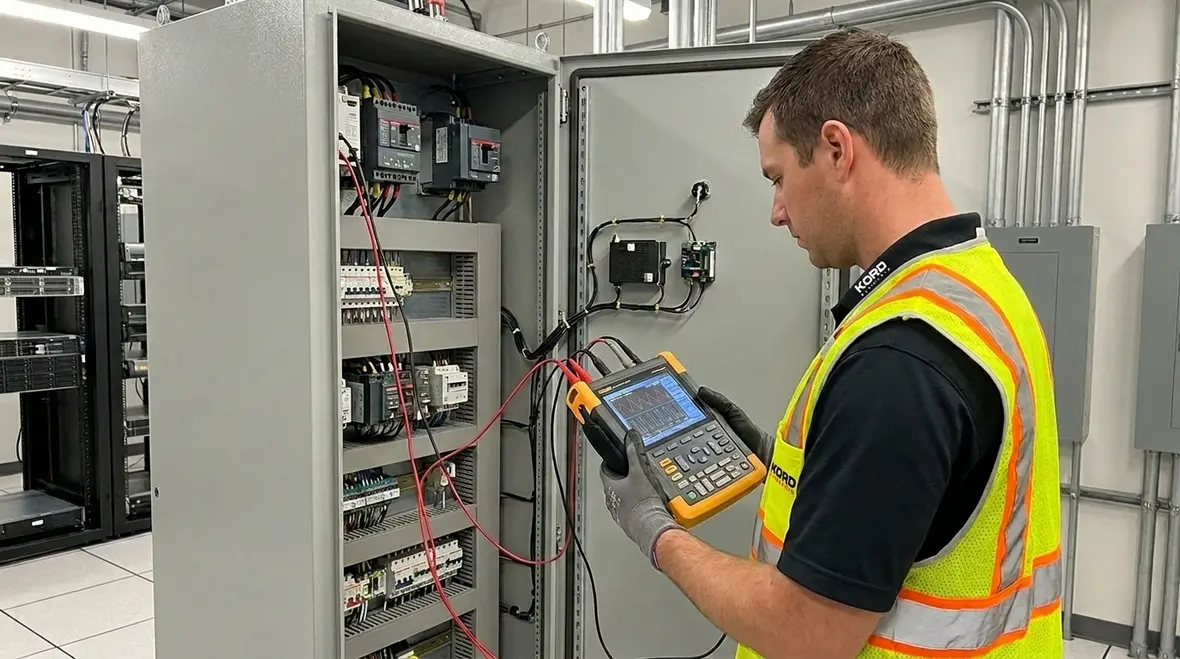
At Kord Electric, we rely on proven power quality management strategies to protect sensitive electronic equipment in commercial and industrial facilities and major property buildings. Right away, we focus on the real drivers of disruption: unstable voltage, fast transient spikes, and noise that sneaks in through power and grounding. Then, we map the risks to the equipment that actually pays the bills, from servers and building automation to process controls. Finally, we verify results, not guesses, because “it seems fine” is the favorite phrase of problems that have not shown up yet. Our expert service staff also explains what they see in plain language, so facility teams know what is happening and what comes next.
Why Sensitive Electronics Fail Without Clear Power Quality Management
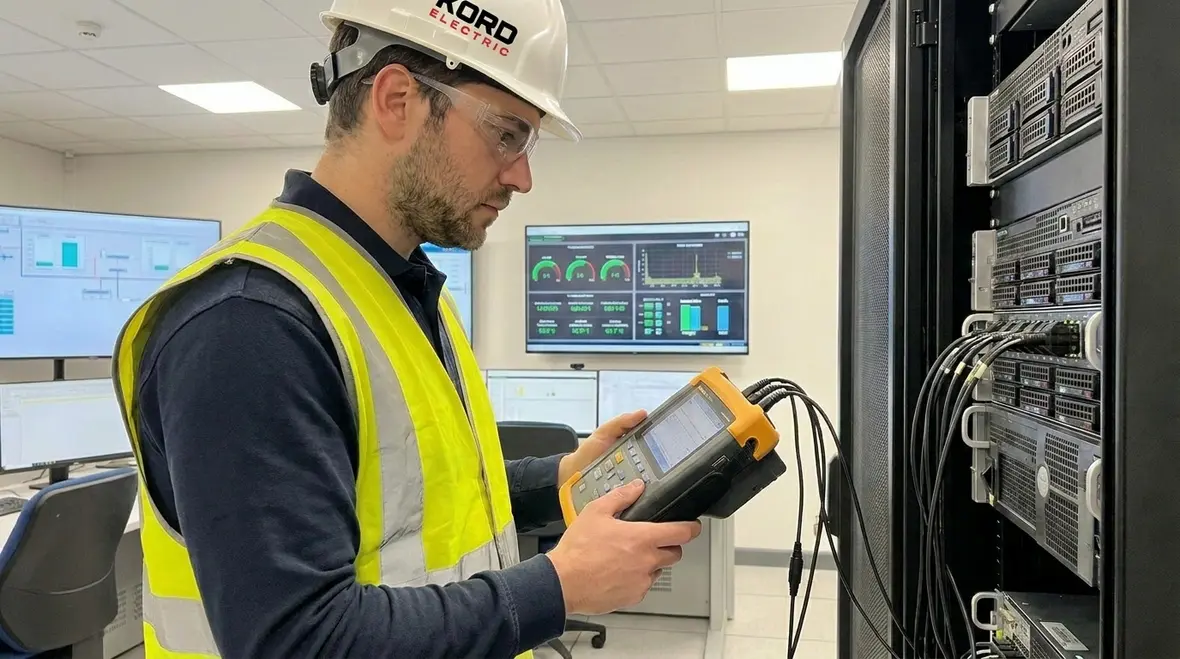
In third person terms, the story usually starts with something that looks harmless on a basic meter. Voltage may sit inside an acceptable range, yet electronic loads can still experience stress from short events that last only fractions of a second. Meanwhile, sensitive equipment measures time in cycles, not minutes. As a result, a brief disturbance can trigger resets, data errors, or slow performance that looks like “software weirdness.”
Furthermore, power quality issues rarely travel alone. Harmonics can overheat transformers and neutral conductors, and electrical noise can couple into control wiring. In addition, poor grounding and bonding can turn a steady reference point into a moving target. Then the equipment does what it always does: it protects itself. That is why the symptoms often show up as alarms, lockups, or “ghost” faults.
Our technicians explain that the goal is not to chase a single bad event. Instead, we build a full picture of how power behaves across time, seasons, and operating modes. In other words, we watch how the system acts, not just how it looks when everything is calm. And yes, calm power is a rare luxury, like free parking in downtown. People act like it exists, but they rarely see it.
Hidden Electrical Risks in Commercial Buildings That Raise Disruption Chances
Many teams only think about outages and brownouts, but our perspective is wider. In a related Kord Electric blog post, we discuss hidden electrical risks in commercial buildings, including conditions that quietly degrade reliability. For example, aging panels, loose terminations, and water intrusion can add resistance and heat. Over time, that heat changes how voltage drops under load, and it can worsen transients.
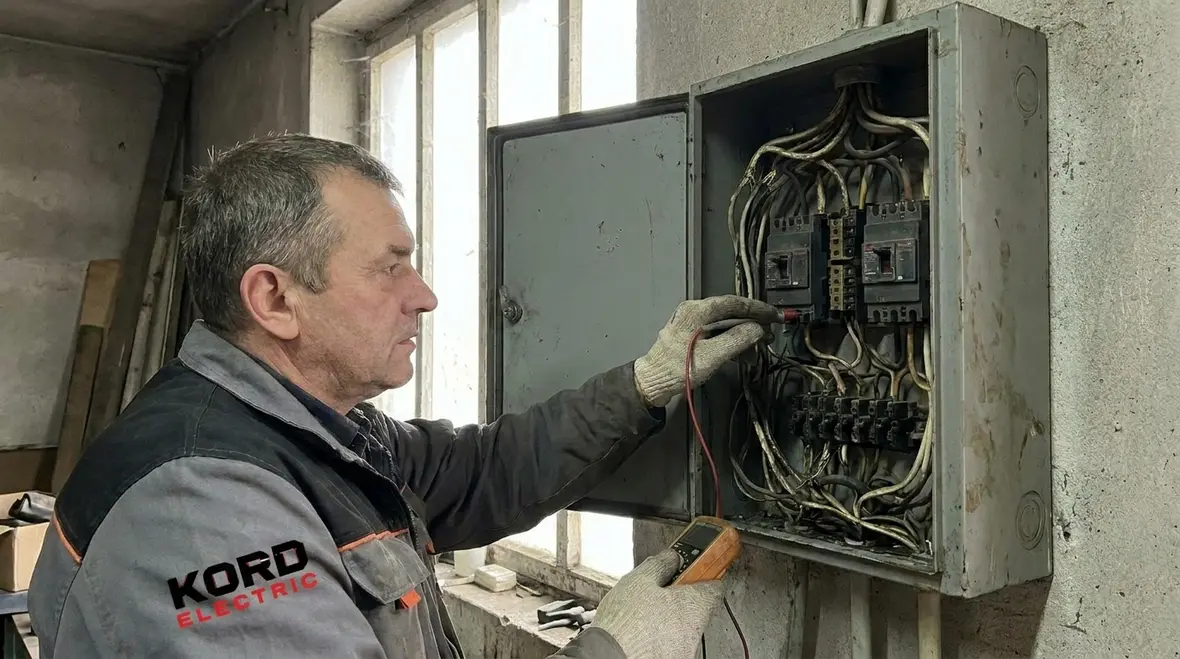
Also, switching devices and motor starts create demand swings. Even when power returns quickly, the edges of current and voltage waveforms can stress power supplies. Moreover, neutral issues can become especially harmful in buildings with mixed loads, because harmonics concentrate on the neutral path.
Then there is the topic people love to ignore until it costs money: grounding quality. When bonding is inconsistent, the system struggles to control noise. Consequently, equipment connected to different panels can “see” different references. That makes data centers, network closets, and control systems more vulnerable than teams expect.
Voltage Problems and Fast Events: The Disturbances That Electronic Loads Notice
To protect sensitive electronic equipment, facility leaders need a clear view of event types. Our team often finds that the biggest damage comes from fast events, not long outages. A short interruption or a momentary dip can reset a rack, interrupt a controller, or corrupt a process log. Meanwhile, voltage sags during motor starts can hit upstream sensitive drives and power supplies.
Additionally, transients like lightning surges, switching spikes, and nearby fault clearing can punch through insulation barriers or create high frequency noise. These events can travel along conductors and then couple into signal paths. As a result, equipment may fail even though average voltage stayed “okay.”
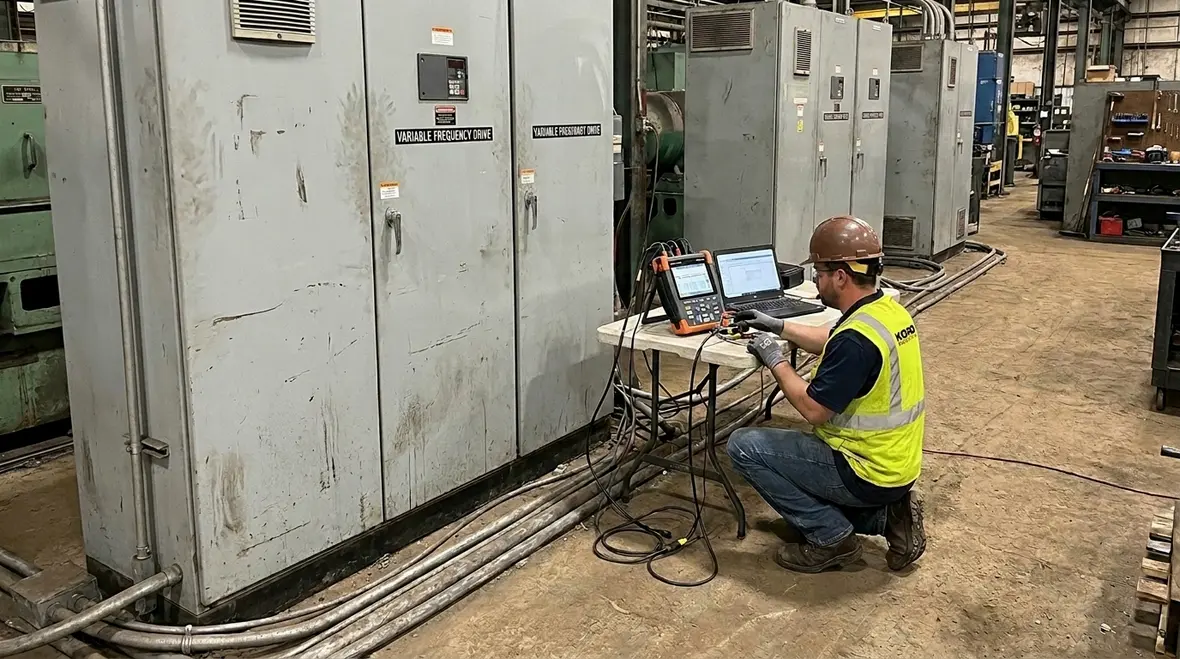
We also pay attention to frequency variations and wave shape changes. Some systems handle variation well, but modern power supplies can be picky, especially when harmonics stack up from variable frequency drives and rectifiers. Therefore, the right power quality management strategies include measurement, interpretation, and targeted remediation, rather than generic fixes that “should help.”
How We Measure Power Quality Without Guessing
Our expert service staff approaches measurement like a medical checkup, not like a fishing trip. First, we select monitoring points that match the equipment risk. Then, we collect data long enough to capture real operating cycles, including peak production, HVAC changes, and shift transitions. After that, we compare the waveform behavior against equipment tolerance and building operating patterns.
We also use a practical method to correlate disturbances with load events. For example, we can time-stamp when motor groups start or when large loads switch. Then we align that to measured sags, harmonics, and transient counts. This helps teams avoid the classic trap of blaming the nearest event, like blaming a coworker for a printer jam when the true cause is missing toner. It is rarely that simple.
Next, we verify the system response after changes. Monitoring before and after turns a project into proof. Meanwhile, it gives building operators confidence when they explain reliability improvements to stakeholders, insurers, or internal leaders.
Targeted Solutions for Commercial and Industrial Facilities
Once measurement defines the issue, Kord Electric recommends solutions that match the risk level and the building layout. We keep the plan focused on commercial and industrial facilities and major property buildings, because those environments have shared power paths and tight uptime needs.
Protection for voltage and transient issues
- We apply surge protection and transient control where switching events or external surges create spikes
- We coordinate protection so events do not keep bouncing between devices like pinballs
- We support sensitive loads with proper buffering based on site needs and criticality
Harmonics and neutral management
- We identify harmonic sources like variable frequency drives and rectifier loads
- We verify neutral sizing and check for overheated conductors and terminations
- We recommend filtering or load balancing where it makes sense, not where it is trendy
Grounding, bonding, and noise control
- We inspect grounding paths, bonding connections, and equipment bonding points
- We reduce noise coupling into control circuits and communication lines
- We improve system reference stability so equipment sees consistent conditions
Importantly, our technicians explain the “why” behind each step. That way, facility teams do not just receive a box or a device. They understand the electrical behavior, the expected improvements, and the maintenance expectations. And yes, when people understand the system, they stop treating it like a mysterious black box from a sci fi movie. They become the heroes of their own electrical story.
Maintaining Reliability With Continuous Oversight
Power quality management strategies do not end after a one time visit. Conditions change. New equipment gets added. Production schedules shift. HVAC upgrades happen. And then the building’s electrical profile quietly evolves.
Therefore, ongoing oversight matters. We help commercial and industrial facilities set a maintenance plan that includes periodic inspections, targeted monitoring during upgrades, and checks after major events like lightning storms or new load installations. In addition, we encourage standardized documentation so operators can track what changed and when.
Our team also helps coordinate with electricians and control technicians to avoid creating new issues while fixing old ones. Communication is the difference between “we installed something” and “we improved performance.” So we keep the process tight, measurable, and clear.
FAQ
Request a Power Quality Assessment From Kord Electric
If sensitive equipment in your facility has shown resets, nuisance alarms, slowdowns, or unexplained faults, we encourage you to act before the next “mystery event.” Kord Electric helps commercial and industrial facilities and major property buildings reduce disruption using proven power quality management strategies supported by real measurement. Our technicians explain findings clearly, then we recommend targeted fixes that match your electrical layout and uptime goals.
To keep reliability strong between major upgrades, many facilities pair power quality projects with structured electrical preventive maintenance programs that track changes over time, catch emerging issues early, and document improvements for stakeholders.
Kord Electric also supports broader infrastructure needs across the region through comprehensive Los Angeles County electrical services, so facility teams can align power quality work with distribution, upgrades, and future projects in one coordinated plan.
Contact us today for an assessment and a practical reliability plan that protects the equipment your operation depends on.


