Proactive Office Electrical Panel Maintenance
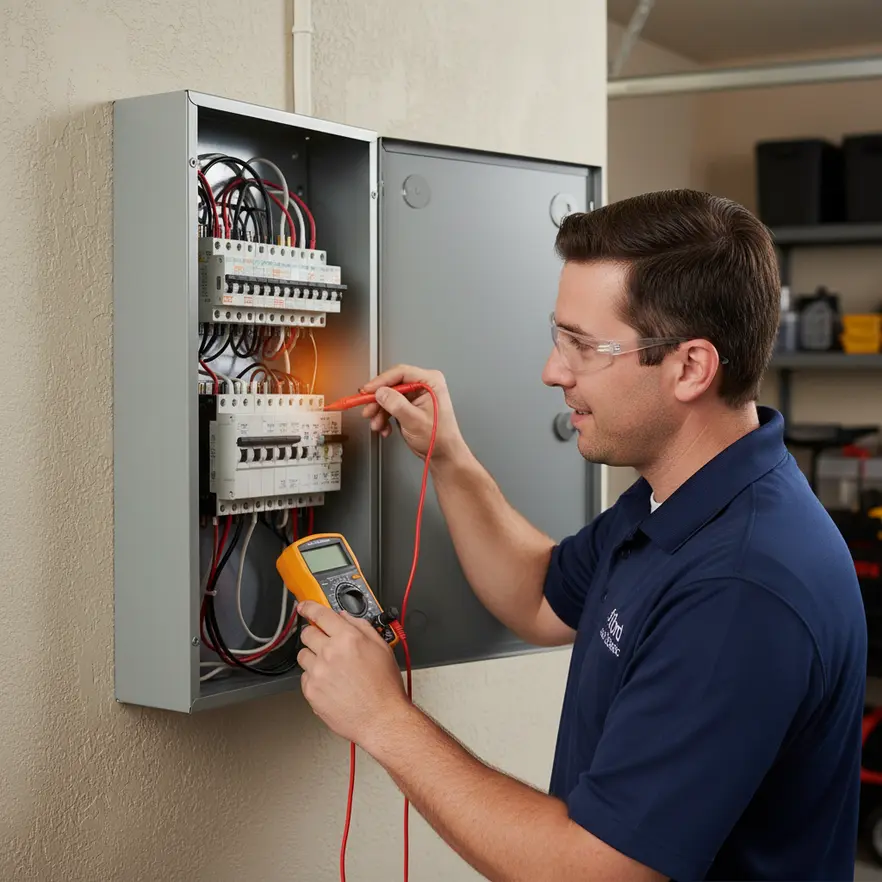
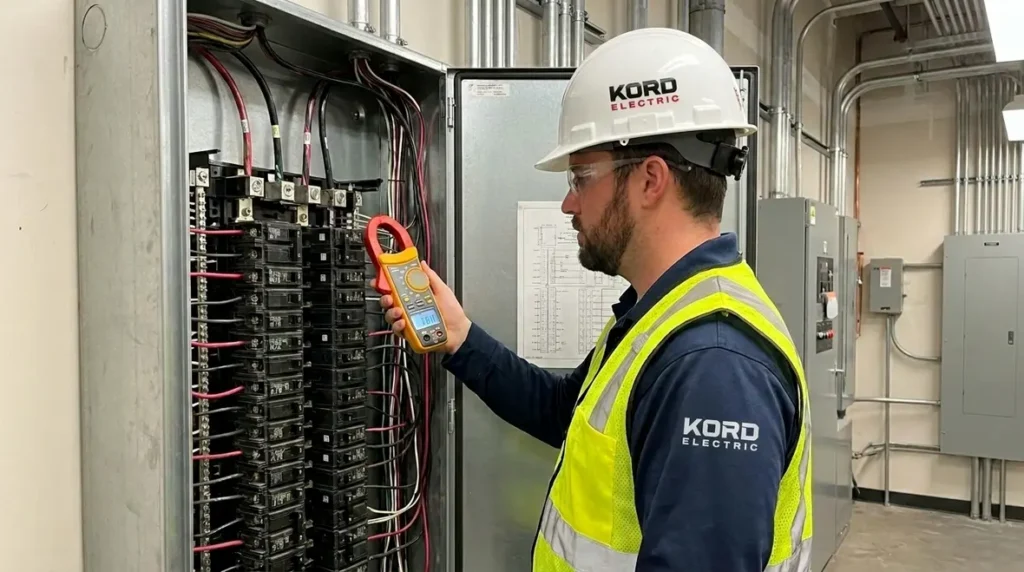
At Kord Electric, we believe office electrical panel maintenance is not a “when something breaks” project. It is a planned, proactive routine that helps large office buildings stay stable, safe, and ready for business every day. Our technicians and expert service staff inspect, test, and fine tune major electrical panels before problems grow legs and walk away with your budget. Then, we document what we find in plain language so facility teams can make smart decisions. In other words, we help you prevent the kind of downtime that turns a normal Tuesday into a very loud, very expensive surprise.
Why proactive maintenance prevents expensive downtime
Third party downtime always sounds like it happens to other companies. However, in commercial and industrial facilities, electrical issues rarely start with a dramatic flash. They usually begin as small signs inside large office electrical panels, like heat rise, loose terminations, or dust buildup that quietly reduces performance. Office electrical panel maintenance helps catch these early changes, before they turn into nuisance trips, degraded power quality, or equipment wear that shortens panel life.
When we work with property managers and facility engineers, we explain that an electrical panel is not just a metal box. It is a system of buses, breakers, lugs, grounding paths, and protective devices that must coordinate under load. Over time, thermal cycling and vibration can loosen connections. Meanwhile, moisture and contamination can worsen corrosion. Therefore, a proactive program helps maintain consistent function across the entire board, not just the visible parts.
And yes, we know nothing sounds exciting about tightening bolts. Yet, as in every good action movie, the boring work is what prevents the big explosion later. In this case, the explosion is the kind where the lights go out and someone blames the “mystery gremlin” living in the ceiling.
What our technicians look for during inspections
We approach inspections like detectives, but with a checklist and better lighting. Our technicians examine physical condition, electrical performance, and operating history. Then, we compare current readings to known benchmarks so you can see drift, not guesses.
In large office electrical panels, we focus on these high impact areas:
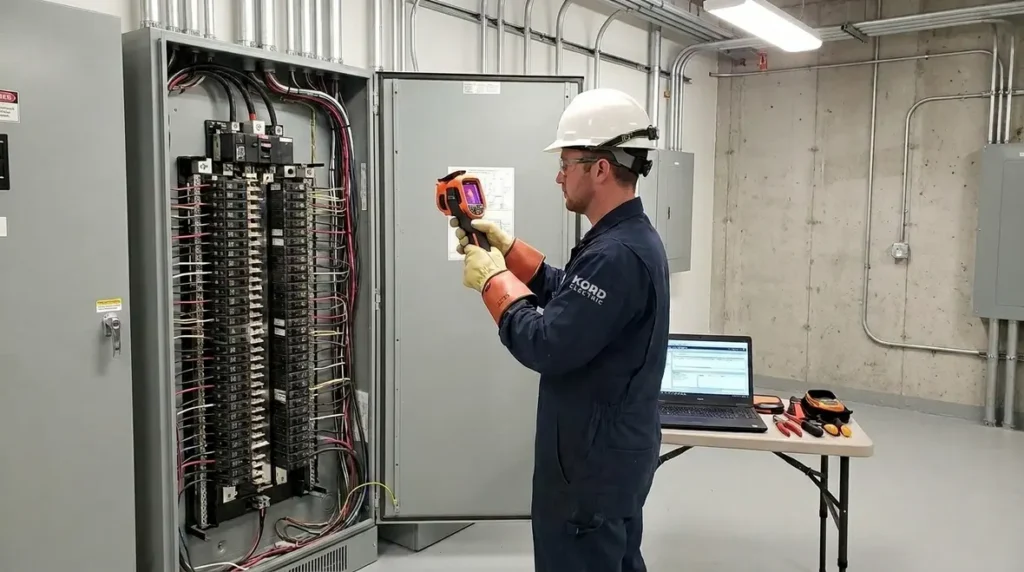
- Thermal condition: We look for hotspots and abnormal heat patterns around breakers, bus bars, and terminations. Hot spots often point to loose connections or aging contact surfaces.
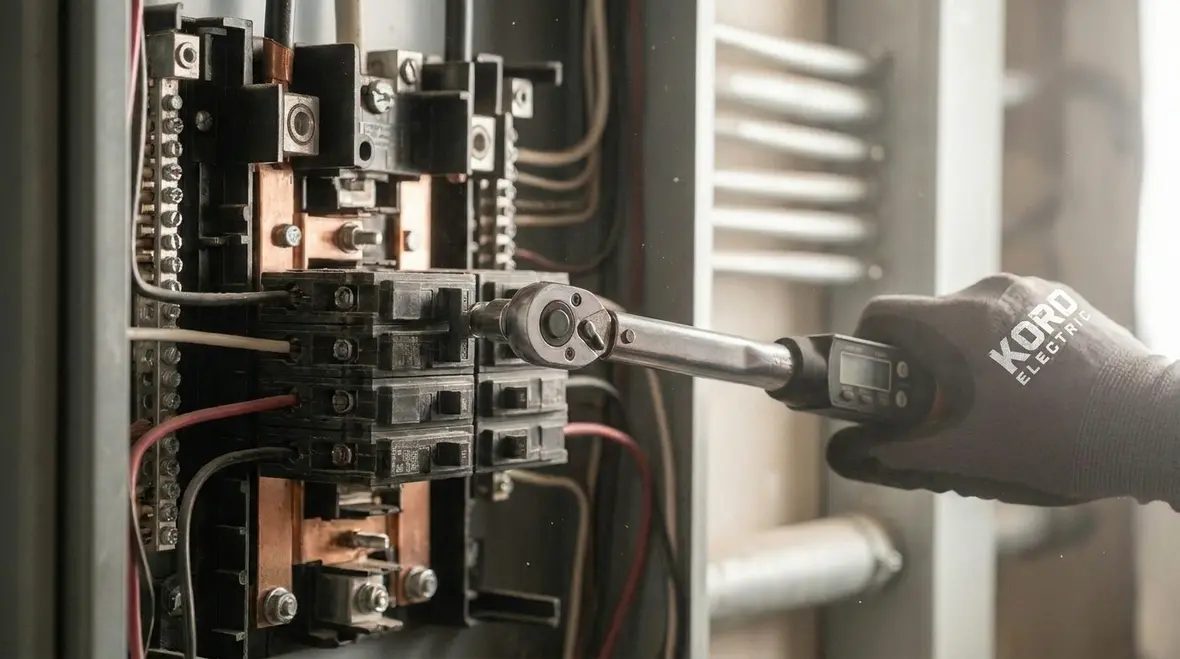
- Mechanical integrity: We inspect mounting, torque condition, and cable terminations that can loosen under repeated load changes.
- Cleaning needs: We remove dust and contamination that can lower insulation resistance and encourage tracking or arcing.
- Grounding and bonding: We verify the grounding path so protective devices trip correctly when a fault happens.
- Breaker performance: We check trip behavior indicators, contact condition signs, and consistency of operation under load.
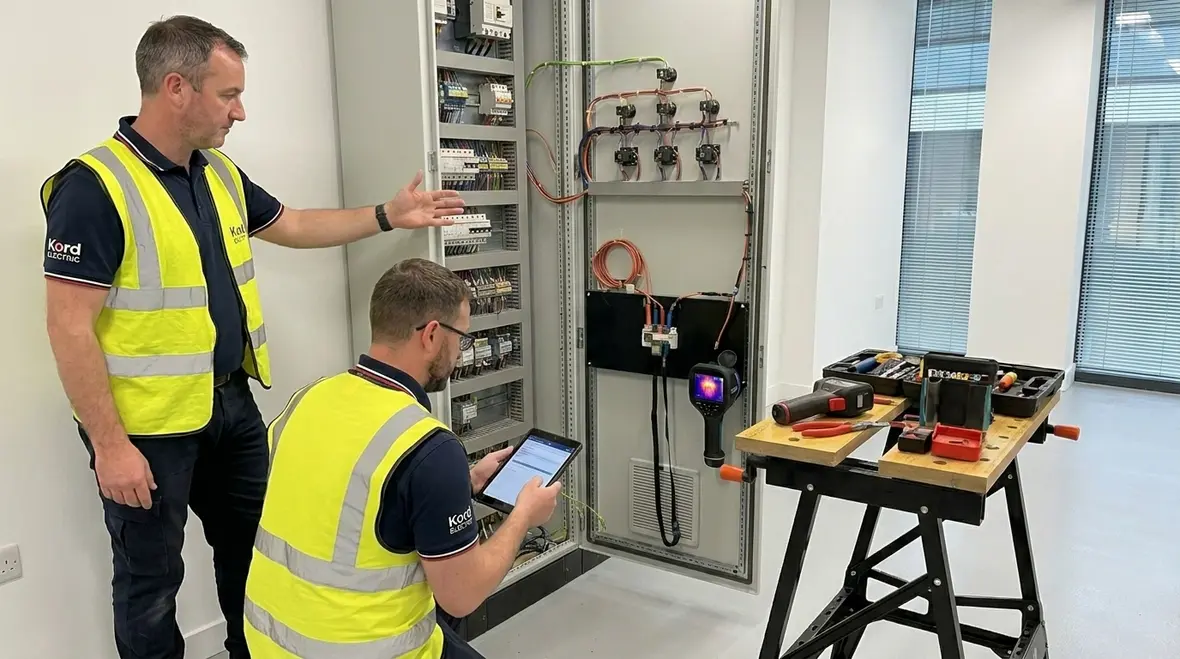
Because our expert service staff communicates findings clearly, teams do not need to translate technical jargon. Instead, we show what matters, why it matters, and what it costs if you wait. That is the difference between proactive maintenance and “we will see what happens.”
How we build a maintenance plan for large buildings
Every major property building runs on its own schedule. So, we do not sell one generic plan and call it done. We build a program that matches your operating profile, panel loading, and critical system needs. Then, we coordinate work windows with your staff so operations stay steady.
Typically, we structure a maintenance cycle around three goals. First, we reduce risk by testing and tightening where it counts. Second, we improve power reliability by monitoring quality and stability. Third, we prepare for the future by tracking trends across multiple visits.
To do that, we usually follow a repeatable flow:
- Assessment: We review panel schedules, one line drawings, load patterns, and past service records.
- Targeting: We prioritize panels feeding critical areas such as life safety systems, data rooms, elevators, and HVAC controls.
- Execution: We perform inspection, cleaning, torque checks where allowed, and electrical testing based on panel design.
- Reporting: We deliver a clear service report with findings, photos when appropriate, and next step recommendations.
- Follow up: We schedule corrective actions and re check affected components to confirm improvement.
And yes, we include transition time. For example, if your building runs late hours, we plan the most disruptive tasks for off peak windows. That is how we keep the lights on and keep your team from feeling like they are starring in an office thriller.
For facilities that want an even wider safety net beyond office electrical panel maintenance, we can align this work with structured electrical preventive maintenance programs that cover panels, distribution equipment, and other critical infrastructure across the property.
Testing methods that reveal hidden panel problems
Electrical panels can look fine while internal performance slides. Therefore, we use testing methods that reveal conditions you cannot see. Our technicians combine safe inspection habits with measurements that help confirm what the panel is doing under real conditions.
Depending on the equipment and building needs, we may include:
- Infrared thermography: This helps identify abnormal heat signatures on terminations and breaker interfaces.
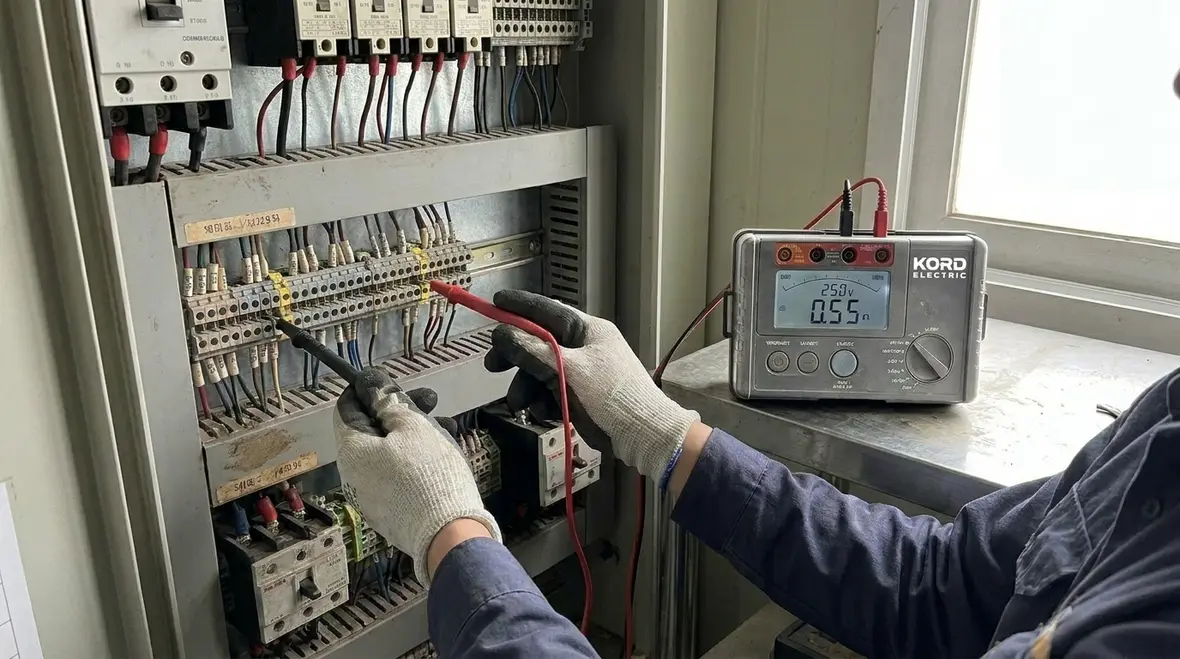
- Insulation resistance testing: This checks the integrity of insulation paths and can flag moisture issues early.
- Continuity and bonding checks: These tests verify that protective pathways work as designed.
- Load and voltage observation: We verify stability patterns so you can reduce stress on components.
- Ground fault protection checks: We help confirm protective device coordination so faults trip safely and predictably.
Additionally, we interpret results with the building context in mind. A reading that looks “fine” on paper may still show a trend toward failure when viewed across time. That is why our reports focus on changes between visits, not just one snapshot. In short, trend data beats guesswork, every time.
Also, we keep our process calm and deliberate. Our expert service staff explains results in plain terms and notes what action level you should consider. You get clarity, not a fog machine of technical talk.
Common failure points in commercial panels
In large office environments and major property buildings, the same failure points show up again and again. When we identify these early, we help reduce the chance of emergency repairs, unplanned outages, and the kind of schedule disruptions that lead to angry meetings.
Some of the most common culprits inside major office electrical panels include:
- Loose terminations: Thermal cycling and vibration can loosen connections, raising resistance and heat.
- Corrosion from moisture: Condensation and humidity can damage contact surfaces and insulation.
- Dust and debris: Dirt can hold moisture, limit heat dissipation, and reduce safety margins.
- Breaker aging: Contacts wear and components fatigue, especially when breakers handle frequent load changes.
- Overheating under load: Continuous high load can stress buses and contact points, even when there is no obvious fault.
- Ground path issues: Fault protection depends on grounding integrity, so weak bonds can raise risk.
Meanwhile, many building teams discover problems only after tenants complain about flickering lights, micro outages, or equipment instability. So, we recommend proactive attention before the complaints roll in like a sitcom season. You know the one. The lights blink, the plot thickens, and everyone suddenly becomes an electrical engineer.
If your facility is already seeing those early warning signs, it may be time to pair office electrical panel maintenance with a broader look at hidden electrical risks in commercial buildings so small issues do not turn into large scale outages.
Maintenance records, safety, and team communication
Proactive work matters most when it is easy to follow. Therefore, we emphasize documentation and communication as part of the program. Our technicians and expert service staff do not just finish the job and move on. We provide service records that support future planning, vendor coordination, and internal training for facility teams.
Good records should include what we tested, what we found, and what we recommend next. Also, they should highlight changes over time so your team can see whether conditions improved or worsened. When there is a corrective action, we note the affected components and any follow up steps needed.
Just as important, we keep safety at the center. We coordinate access, confirm lockout and safe work practices when required, and verify that the panel returns to service correctly. Then, we communicate any operational impacts in advance so stakeholders can plan with confidence.
When facility teams receive clear reporting, proactive maintenance becomes a business tool, not just a compliance task. And that is the goal: fewer surprises, safer operations, and better uptime for commercial and industrial facilities.
For properties planning long term upgrades or evaluating system health, pairing detailed maintenance records with resources like our rewiring cost guide for commercial electrical systems can help frame the right time to move from repairs to strategic modernization.
FAQ
Ready for a calm, reliable electrical season?
If your building runs on uptime, then your electrical panels should too. Kord Electric provides proactive maintenance strategies designed for large commercial and industrial facilities, with clear reporting and expert service staff who explain results in plain language. We inspect, test, and plan work so you avoid surprise shutdowns and costly repairs. Contact us to review your current panel schedule and build a maintenance plan that matches your building’s needs. Let us keep the lights steady and the stress low.
Many facility teams also combine office electrical panel maintenance with broader electrical preventive maintenance services so panels, distribution equipment, lighting, and backup systems all work together as one reliable, documented program.
Whether you are planning ahead for seasonal loads, upcoming expansions, or just want fewer “what went wrong?” meetings, our commercial and industrial electrical preventive maintenance team is ready to help you build a calm, predictable electrical season instead of reacting to the next surprise.