Proactive Office Lighting Maintenance Plans
Introduction: proactive lighting maintenance for steady office performance
At Kord Electric, we help commercial and industrial facilities protect day to day productivity by keeping lighting reliable. That is why we start with our office lighting maintenance plans, not a waiting game. Early checks, clear service schedules, and documented fixes reduce flicker, dimming, and unexpected downtime that can slow teams down, especially when everyone is trying to make deadlines look effortless.
In other words, we treat lighting like a business system. And yes, the lights should work as well as your best employee. If that employee ever went missing, you would notice. So do your occupants when a hallway suddenly looks like it belongs in a cave. Let us keep that from happening.
1) Why lighting issues quietly steal productivity

In modern buildings, lighting does not just brighten space. It supports safety, reduces eye strain, and keeps workstations usable. When maintenance slips, small problems grow. A fixture that starts to flicker can later fail at the worst time, often during peak occupancy. Meanwhile, gradual dimming can make tasks feel harder without anyone pinning the blame on lighting.
Additionally, offices today rely on a mix of LED fixtures, controls, sensors, and sometimes daylighting systems. As a result, failures can hide inside the control layer, not only in the lamps. Our technicians know where these faults tend to show up, and we track patterns so others do not have to guess.
We also see how poor lighting affects workflow habits. People move slower, they request additional task lighting, and they avoid certain areas. Even a small drop in performance adds up across weeks, especially in shared spaces like break rooms, conference areas, and corridors where movement is constant.
2) We map lighting systems to the realities of commercial buildings
To optimize productivity, we begin with the building, not the bulb. Kord Electric reviews commercial electrical systems for modern buildings, including how power distribution, panels, and control wiring interact with lighting loads. Then we connect that to what facility teams actually experience: repairs that take too long, unclear ownership of issues, and inconsistent documentation. For a deeper dive into how these systems work together, you can also explore our article on commercial electrical systems for modern buildings.
Our approach stays practical. First, we identify fixture types, driver models, dimming controls, and sensor zones. Next, we verify circuit loads and check for loose connections that can cause intermittent faults. Then we align our recommended schedules with real occupancy patterns, so maintenance happens when it causes the least disruption.
And if someone thinks this sounds like overkill, we will smile professionally. Because a well mapped lighting system saves time later, and time is the one resource no one ever has enough of. Like coffee, it disappears fast when you need it most.

3) Proactive maintenance steps that prevent downtime
After the mapping is complete, we move to the hands on part. Proactive lighting maintenance strategies work because they reduce the odds of failure before occupants notice. Our technicians handle the work with a consistent process that can include inspections, testing, cleaning, and targeted replacement.
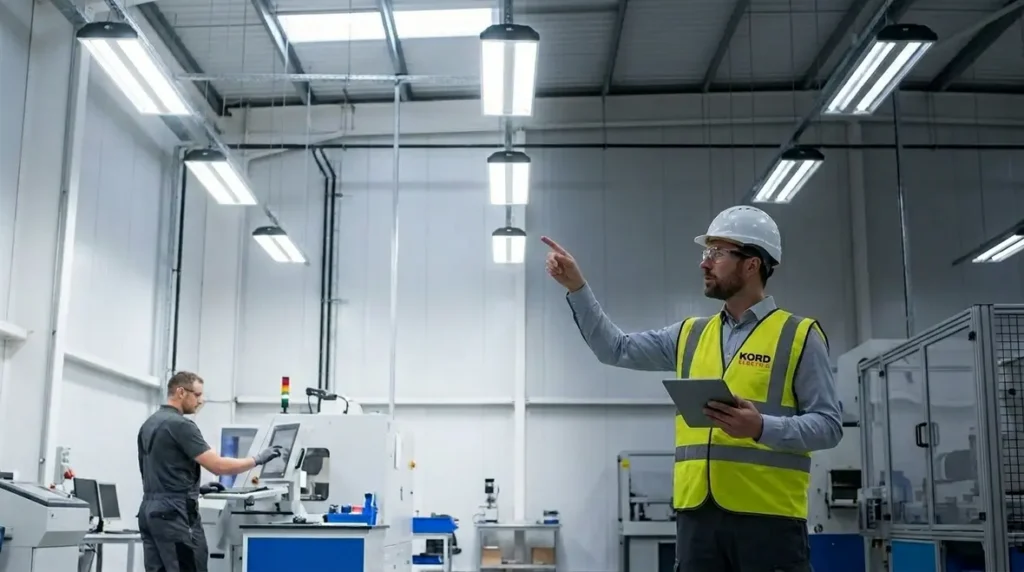
For example, we commonly check for three categories of issues. First, we inspect physical conditions like damaged housings, lens clouding, and mounting problems that can affect heat and reliability. Second, we evaluate electrical connections, including terminations and drivers, because heat and vibration can loosen them over time. Third, we verify control behavior, like whether occupancy sensors switch reliably and whether dimming levels match the intended plan.
Importantly, we also look at patterns. If multiple fixtures in the same zone show early failures, the cause often comes from the system, not bad luck. That is where our expert service staff earns its keep. They explain what they see, they recommend the right fix, and they help the facility team understand the “why,” not just the “what.”
So, we schedule maintenance in a way that supports productivity. We reduce surprise outages, and we keep lighting performance stable across seasons and occupancy changes.

4) How technicians improve lighting performance without disrupting teams
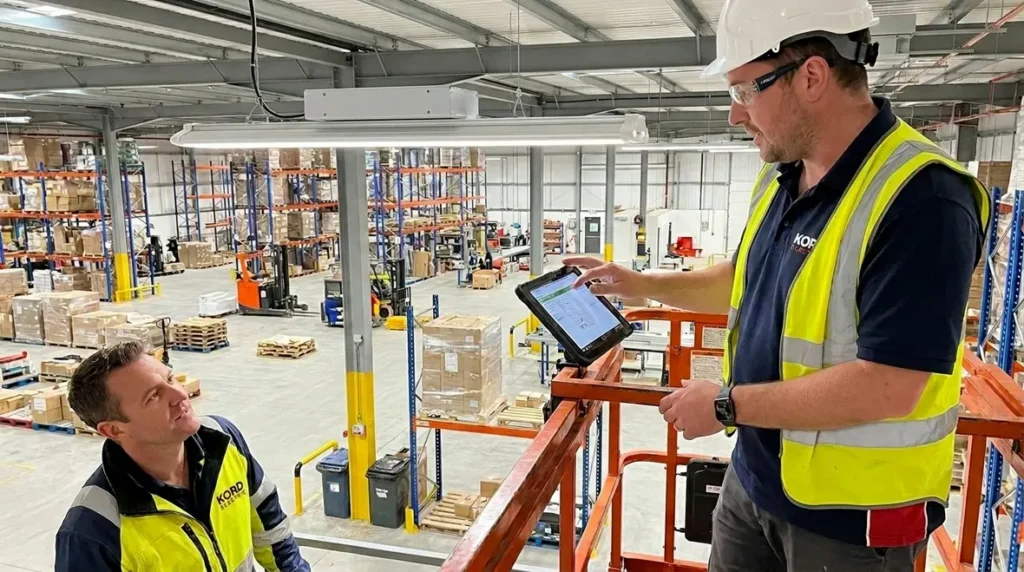
Facility managers want fewer outages and smoother operations. Therefore, we plan work like a service partner, not like a random interruption. When our technicians visit, we set expectations first. We confirm which zones require attention, we protect sensitive areas, and we coordinate with onsite schedules.
Also, we document work clearly. Our team records what we test, what we find, and what we corrected, so the next service visit starts with knowledge rather than guesswork. Then we provide simple explanations that facility staff can use in internal meetings.
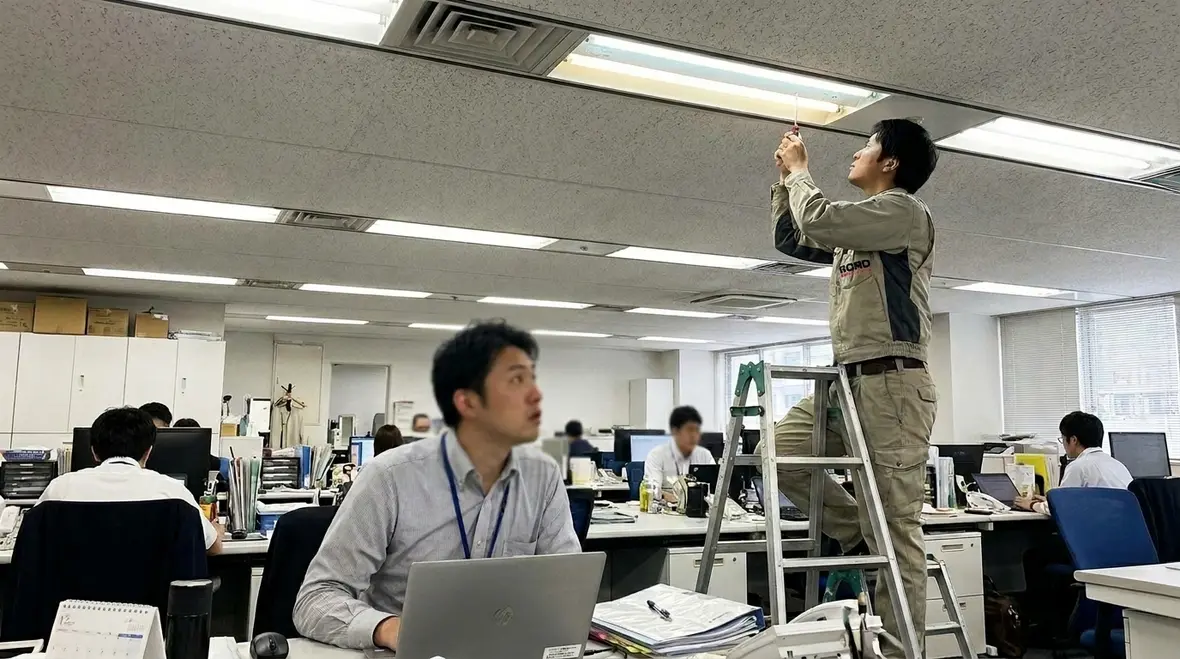
Here is a practical example. Suppose an office complains that lights dim too aggressively in the afternoon. Instead of replacing fixtures blindly, we evaluate control settings, sensor placement, and wiring performance in that area. If the system is behaving correctly, we explain why occupants still feel the change, and we recommend adjustments that maintain comfort.
Yes, sometimes the solution is as simple as aligning control behavior with actual use. Other times it requires electrical fixes. Either way, our goal stays the same: keep the building working, keep people focused, and keep repairs efficient. No mystery, no drama, just dependable service.
5) Smart scheduling: maintenance that fits occupancy, power, and budgets
Optimizing office productivity also means timing maintenance so it supports how the building operates. We build our schedules around occupancy peaks, critical operations, and the way electrical systems carry lighting loads. Meanwhile, we consider power distribution health, because lighting failures can connect to broader electrical stress.
That is where our office lighting maintenance plans help. They structure service visits so checks happen regularly, repairs happen promptly, and recurring issues get handled before they become expensive. We also track trends, so we can adjust future visits based on real performance rather than vague calendars.
In addition, we help facilities avoid “panic replacements.” When a lot of fixtures fail at once, the repair window gets tight and costs rise. With planned maintenance, we spread work out and reduce emergency lead times. Think of it like ordering supplies before you run out, not after your team starts shouting from across the office.
And budgets stay steadier because service is planned. We help commercial and industrial facilities keep lighting dependable without turning every maintenance cycle into a surprise invoice.
6) Measuring results: comfort, safety, and fewer service calls
Proactive strategies should show outcomes. We track and communicate results in ways facility leaders can use. That includes fewer unexpected outages, improved consistency of brightness, and better control response in offices, corridors, and meeting spaces.
Additionally, we focus on safety signals. When lighting performance drops, fall risks increase and wayfinding gets harder. We test and verify to support safe movement, especially in high traffic zones like entrances, stairwells, and loading areas common to commercial and industrial environments.
We also reduce service calls by removing root causes. If drivers or connections show early weakness, replacing them during scheduled visits prevents repeat problems. As a result, the facility team spends less time coordinating repairs and more time running operations.
From a productivity standpoint, stable lighting reduces distraction. People can read, work at screens longer, and meet in rooms where brightness feels consistent. In that way, proactive maintenance supports both people and performance metrics.
7) Using our commercial electrical insight to keep controls aligned
Modern buildings often blend lighting with electrical control systems, so it helps to keep the full picture in mind. Kord Electric understands how lighting ties into the broader electrical design, including distribution, switching, grounding, and control wiring that serves multiple zones. When these systems work together, occupants get consistent comfort.
That is why our expert service staff explains findings in plain terms. They connect control behavior to building use, then they recommend adjustments that align sensors, dimming, and timing with how the space actually operates. So even if the original design assumed certain usage patterns, the building can adapt over time.
And yes, sometimes the most “high tech” issue is just a control setting that drifted from maintenance history. Fix it once, document it well, and the lights stay calm instead of acting like they are in a sitcom where every episode starts with the same problem.
FAQ
Featured snippet answers
What problem does proactive lighting maintenance prevent? It prevents unexpected failures and gradual dimming by catching electrical and control issues before occupants feel the impact.
Why do lights fail “in clusters”? Similar fixtures can share drivers, circuits, or control wiring. When one part of the system weakens, others show the same symptoms.
How does Kord Electric handle maintenance disruptions? We coordinate work windows, protect sensitive areas, and schedule service to minimize downtime while keeping documentation clear.
Will maintenance improve comfort in conference rooms? Yes. Stable brightness and correct sensor and dimming settings support consistent comfort for meetings.
Conclusion and CTA
If you want calmer offices and fewer lighting surprises, we are ready to help. At Kord Electric, we build practical service schedules, run inspections through our team’s expert process, and support commercial and industrial buildings with dependable service. Our office lighting maintenance plans reduce downtime and protect comfort, because productivity deserves lighting that does not quit. Contact us today to review your lighting system and set up a maintenance approach that fits how your facility truly operates.
To connect proactive lighting care with new projects or upgrades, many facility teams also pair maintenance planning with our lighting installation services, especially when retrofits, expansions, or code-driven improvements are on the horizon. Coordinating installation quality and long term maintenance helps keep office and industrial lighting systems stable from the first switch-on through every future inspection.