
Advanced Data Center Power Monitoring Tools
Advanced power monitoring tools that prevent data center downtime, starting with Kord Electric
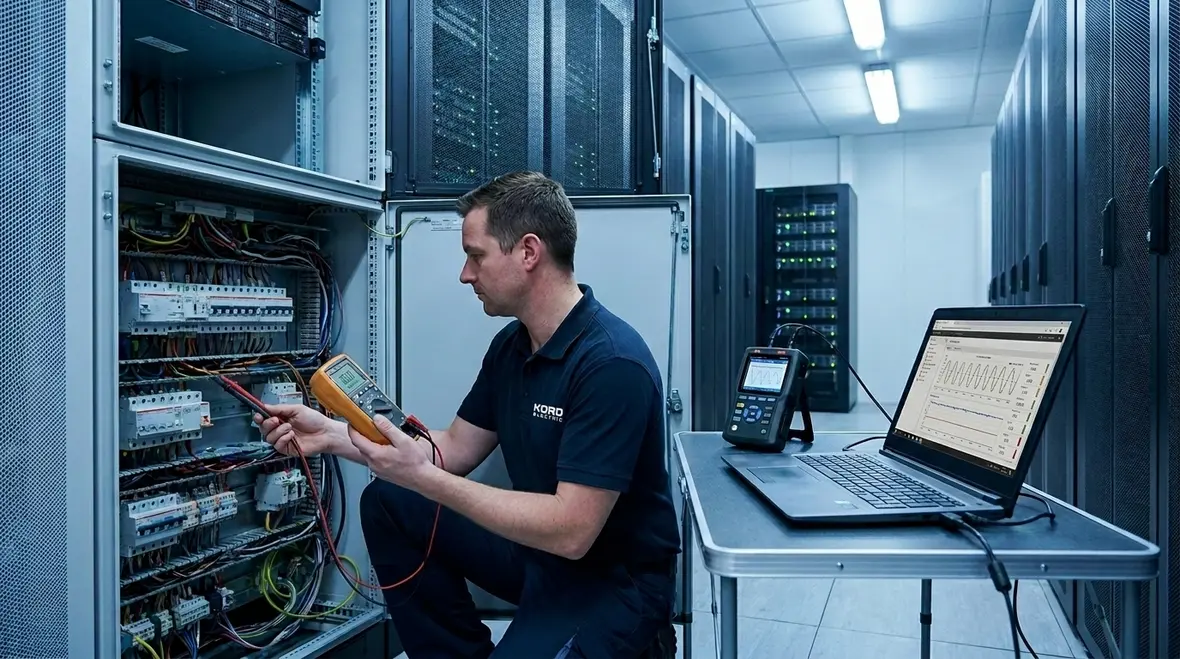
At Kord Electric, we have seen how downtime starts quietly, like a fan in a server rack that sounds “slightly off” until it becomes a full problem. That is why our team leans on data center power monitoring early, using advanced power tools that track what the electrical system is doing in real time. Instead of waiting for alarms to turn into outages, we help commercial and industrial facilities and major property buildings catch risk before it grows teeth.
And yes, we know power monitoring sounds thrilling in the way a cable label maker sounds thrilling. Still, when the lights stay on, everyone suddenly appreciates the boring stuff.
How advanced monitoring spots issues before they become outages
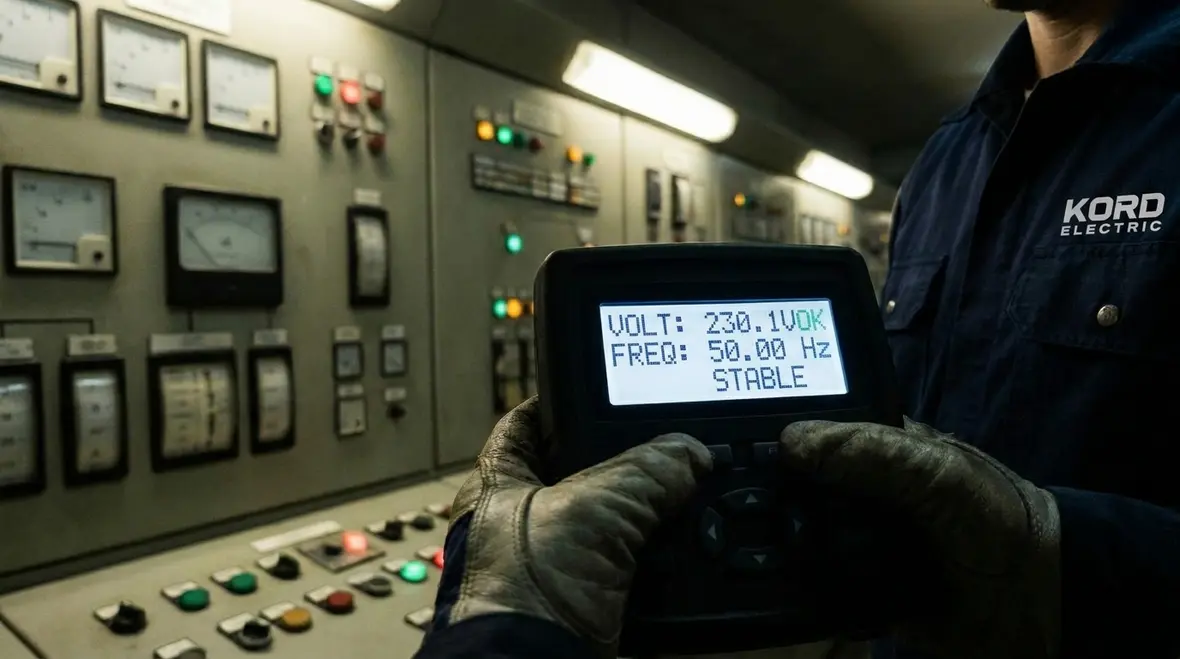
In practice, power problems rarely appear out of nowhere. First, voltage shifts a little. Then a harmonic rises. Next, a relay hesitates. Finally, the system fails, and someone says, “We didn’t see that coming.” That is where our approach helps.
We use advanced power monitoring tools that track key signals such as voltage quality, current draw, power factor, frequency stability, and transients. As soon as the data points drift beyond the normal range, we capture the pattern and connect it to likely electrical causes. That means technicians can act earlier, when the cost is low and the risk stays manageable.
Meanwhile, our expert service staff explain what they see in plain language, so facility managers do not need a PhD in power theory to make a decision. They also help teams understand what changes look like over time, not just what a single snapshot shows.
When facilities combine this level of visibility with disciplined design and maintenance, they get fewer “we didn’t see that coming” moments. For a deeper look at how distribution design decisions shape reliability long before alarms fire, you can explore Kord Electric’s Data Center Electrical Distribution Design for Reliability guide, which pairs perfectly with advanced monitoring for long-term uptime.
What we measure in real time for resilient power quality
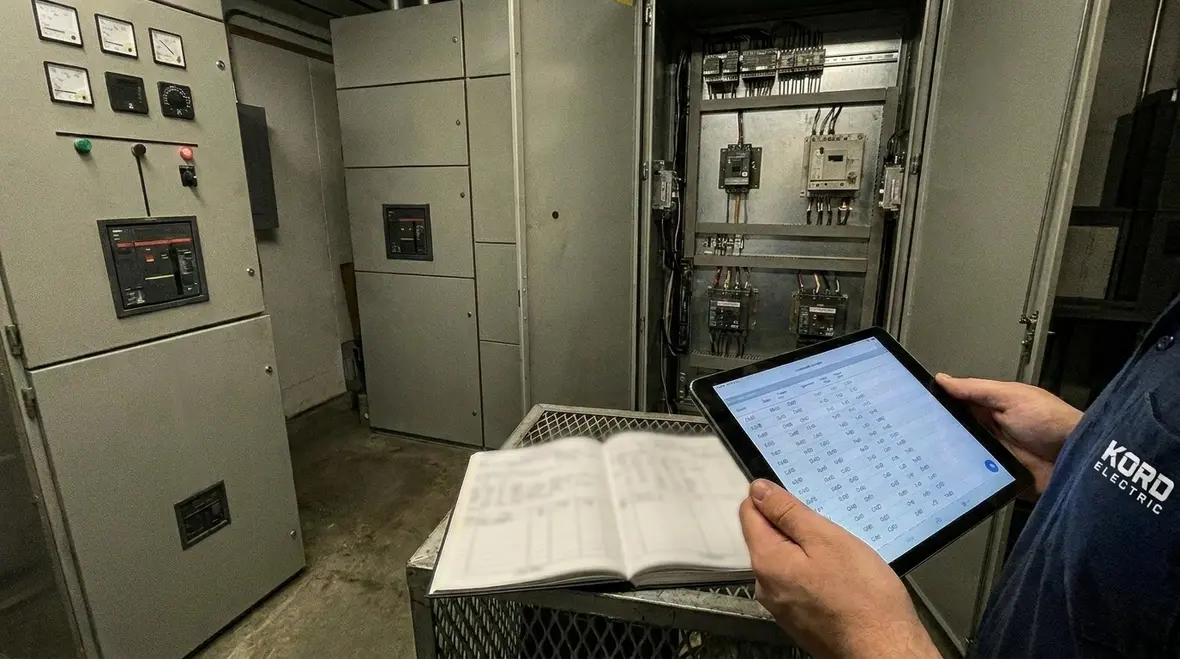
Most facilities only focus on whether power is “on” or “off.” We focus on what power is doing while it is on. To keep commercial and industrial environments stable, our tools measure trends that predict failure, including the following:
- Voltage sags and swells that can stress UPS systems and sensitive loads
- Harmonics that overheat transformers, trip breakers, and damage drives
- Unbalance in three phase systems that can trigger motor and generator issues
- Frequency drift that can affect standby generation behavior
- Energy consumption patterns that reveal aging equipment and inefficient switching
Then we do something practical. We compare live data against the facility baseline and against event logs from switchgear, UPS, and distribution panels. As a result, others in the building get fewer surprises and more confidence. That is the whole point.
This kind of data center power monitoring also feeds better planning. For instance, insights from power quality trends can guide how and when you execute your Data Center Electrical Maintenance Checklist, so maintenance windows target the equipment that is actually drifting away from healthy behavior instead of treating everything as equal risk.
Where downtime risk hides in switchgear, UPS, and panels
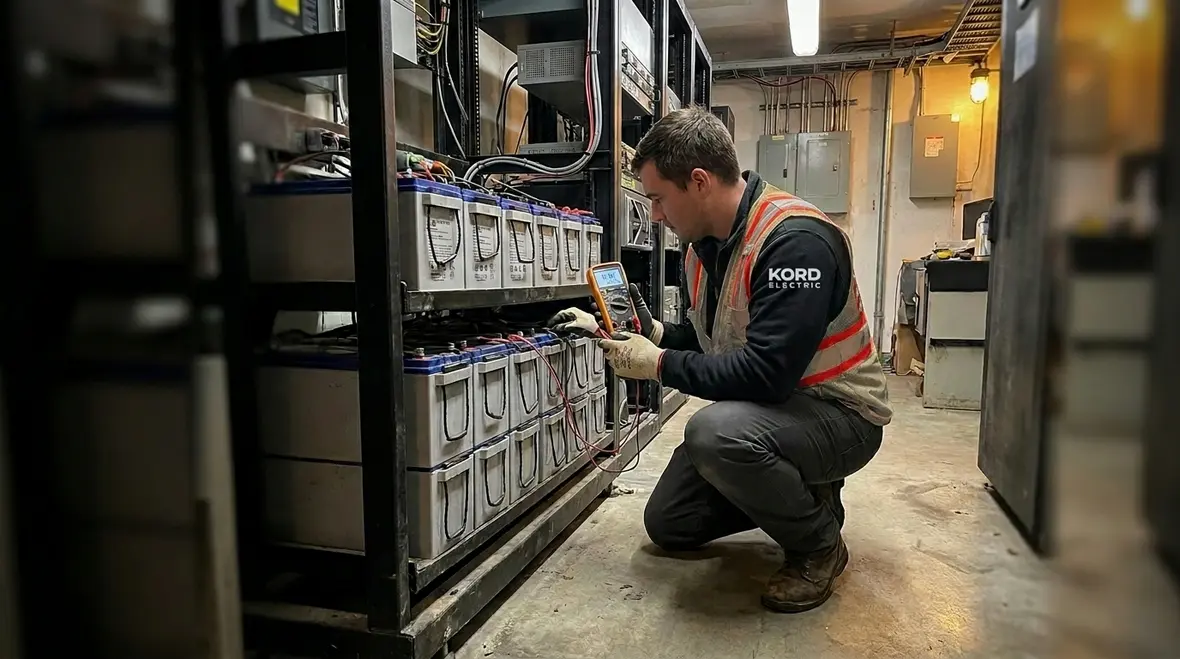
When equipment fails, it rarely announces itself. However, risk often hides in the same places, year after year, like a sitcom character who always returns with the same bad plan. Our power monitoring helps surface these hidden weak spots.
In switchgear, we watch for changes in current signatures and signs of insulation stress. In UPS systems, we track load behavior, run time patterns, and conditions that influence battery health and bypass operation. In distribution panels, we measure phase balance, overloading trends, and recurring events that point to a component that is aging faster than it should.
Because our technicians work with commercial and industrial sites, we align monitoring with real operating needs. We coordinate with your existing maintenance windows and build a clear view of what actions come next. In other words, we do not collect data just to admire it like a souvenir. We turn it into a plan.
Paired with a strong design and operations baseline, this helps close the loop from “we think something is wrong” to “we know what is wrong and when to fix it.” Kord Electric’s Data Center Electrical Requirements for Uptime article walks through how switchgear, UPS, and distribution choices set the stage for what your monitoring will see later.
Reducing nuisance trips and missed events with better analytics
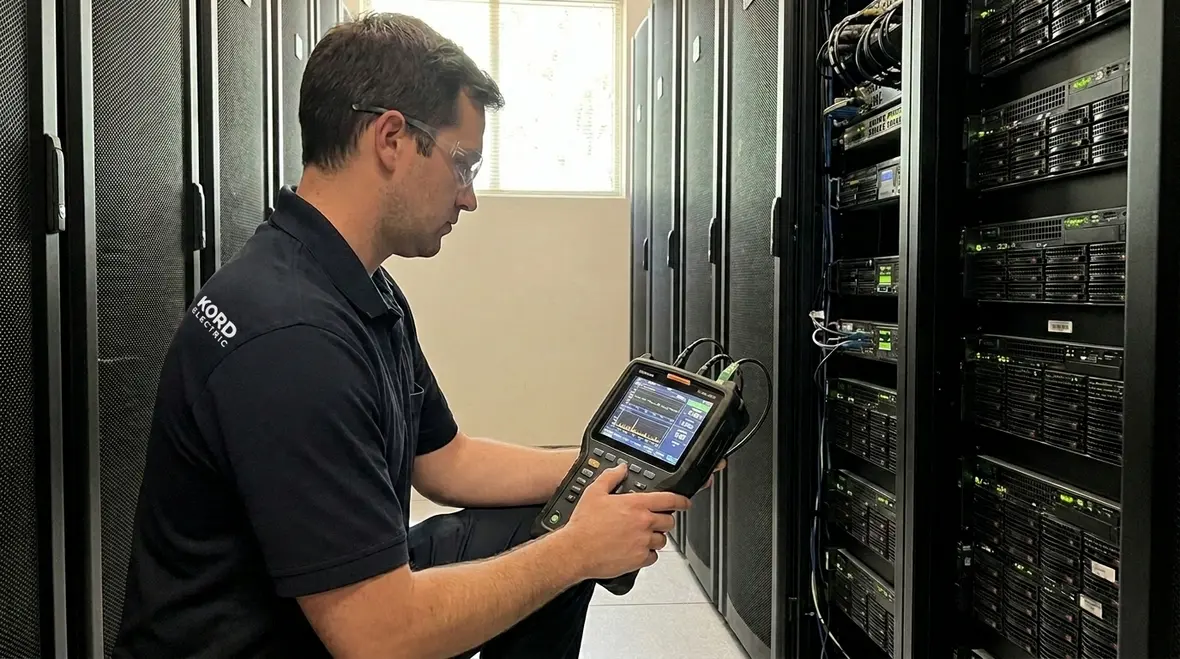
Some alarms are helpful. Others cause ticket fatigue. When an organization gets dozens of “not sure” alarms, people stop trusting the system. Therefore, we tune monitoring logic so teams focus on events that matter.
Our analytics help separate the normal from the abnormal. For example, we can identify whether a voltage disturbance aligns with a known switching event, or if it looks like a feeder problem. We also detect patterns that repeat, which often means a component is degrading, not randomly misbehaving.
At the same time, we help staff understand the difference between a transient blip and a sustained electrical issue. Our expert service staff explain the “why” behind the data, step by step, so your team can respond quickly without guesswork. When someone can explain what the graph means, they can defend decisions during vendor meetings, maintenance reviews, and audit season. Nobody wants that meeting to turn into a courtroom drama over a waveform.
Over time, this also feeds smarter electrical maintenance planning across all your locations. When patterns repeat in multiple facilities, teams can strengthen their Commercial and Industrial Electrical Maintenance Plans instead of treating each event like a brand new mystery.
Dual-layer protection: monitoring plus action workflows
Layer one: detection
- We log electrical quality and load behavior continuously.
- We alert your team when readings exceed thresholds or shift from baseline.
- We attach time stamps and event context so engineers can trace root cause faster.
Layer two: response
- Our technicians help define who acts, when, and what “good” looks like after repair.
- We recommend targeted inspections for the most likely equipment areas.
- We verify outcomes by checking whether the trends return to normal ranges.
As a result, teams stop chasing ghosts. They move from reacting to events to preventing repeats. And yes, it saves time, but it also saves money, because every unplanned downtime event has a cost center attached to it.
Choosing the right monitoring scope for commercial and industrial buildings
Not every site needs every sensor, and not every building has the same risk profile. So we start by learning how the facility operates. We then define scope based on critical loads, protection scheme, and the power paths that matter most.
For commercial and industrial facilities and major property buildings, we focus on distribution zones that affect reliability and critical equipment. We consider how power enters the building, where it gets transformed, and how it gets distributed to mission critical loads. Then we align monitoring to the parts of the system where a small change can lead to a big impact.
Next, we help teams plan upgrades in a practical order. For example, we may recommend monitoring first where data gaps exist, or where prior faults suggest a higher likelihood of recurrence. Meanwhile, our technicians explain what a phased approach accomplishes so stakeholders can budget with confidence.
That is also how we maintain continuity. We keep downtime work minimal and coordination clear, since your systems do not care about our schedules. They care about stable power, all day, every day.
For organizations mapping out long-term capacity, monitoring strategy fits naturally alongside the concepts in Kord Electric’s Data Center Electrical Infrastructure Essentials, where power paths, redundancy, and equipment choices are built to support what your monitoring will see for years to come.
Frequently asked questions about data center power monitoring
Ready to protect your uptime and your budget?
When power issues show up late, downtime follows fast. Kord Electric helps commercial and industrial facilities and major property buildings prevent that cycle with advanced tools, tuned analytics, and clear action workflows. Our technicians and expert service staff explain what the system is telling you, then guide next steps that reduce risk without disrupting operations. Contact us to assess your power reliability needs and build a monitoring plan that keeps your electrical infrastructure calm, steady, and ready for whatever your day throws at it.
If you are planning a broader upgrade to your electrical backbone alongside data center power monitoring, explore how our Data Center Electrical Infrastructure Essentials connect design decisions, protective coordination, and monitoring so your power system and your analytics strategy work together from day one.
And when you are ready to translate the ideas in this article into a concrete project scope, we can align your monitoring strategy with our full range of commercial and industrial electrical services, from new data center builds to reliability upgrades for existing facilities. The same disciplined thinking behind our data center electrical distribution work carries into every project, so your monitoring tools are backed by an electrical infrastructure built to support them.
To take the next step toward resilient, insight driven power, connect with Kord Electric’s team and see how advanced data center power monitoring can fit into your overall electrical strategy for uptime.


