
Smart Building Electrical Integration for Industry
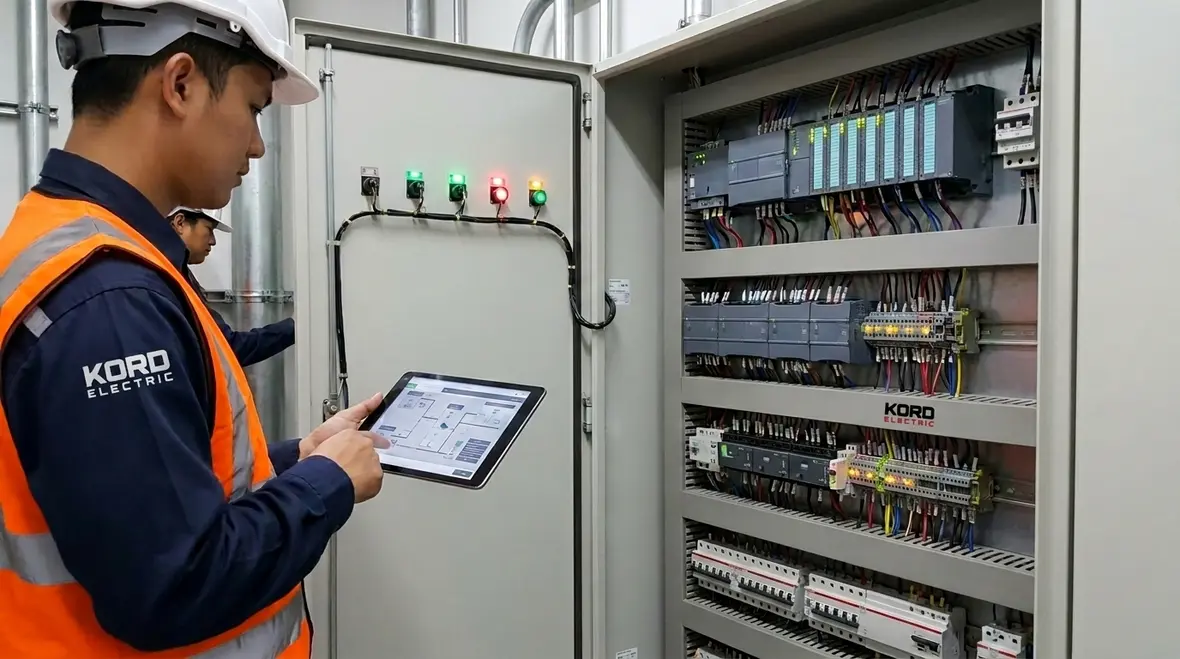
Kord Electric helps commercial and industrial facilities use smart building electrical integration to run more efficiently, reduce waste, and keep critical systems steady. We install controls that “listen” to how a building actually behaves, then adapt power and lighting to match real demand instead of guessing. As a result, property teams get fewer surprises, steadier operations, and clearer data for decision making. And yes, it can feel almost too smooth at first, like when your favorite sitcom finally admits the plot was about energy all along.
Below, we explain how our technicians and expert service staff plan, design, and commission these systems step by step, so your electrical infrastructure works smarter without turning your site into a science fair.
How smart electrical systems cut waste in commercial buildings
Most commercial facilities waste energy in quiet ways. Lights run when nobody is there. HVAC loads spike when schedules drift. Equipment draws power during start ups and restarts. Then, the building manager gets a monthly report that feels like it arrived late to the party.
With smart building electrical integration, we align electrical distribution with how the building operates. First, we connect monitoring points across panels, feeders, and key loads. Next, we set up controls that can adjust power behavior based on occupancy, time schedules, and actual load profiles. Finally, we tune the logic so changes happen smoothly, without abrupt swings that can upset sensitive equipment.
Because our team works in commercial and industrial settings, we do not treat energy saving like a “nice to have.” We treat it like operational stability. When energy improves, comfort improves, and maintenance planning improves too. And when those things improve, your costs usually follow.
When we rework electrical distribution around real building behavior, we also open the door to other targeted upgrades. For example, if your energy analysis reveals that lighting is a major load, pairing smart controls with a dedicated commercial lighting upgrade can amplify savings and visibility. Kord Electric’s recessed lighting installation services help facilities modernize fixtures and integrate them cleanly into broader control strategies, so your ceilings work just as intelligently as your switchgear.
What we install for electrical efficiency and reliability
In the field, “smart” can mean a lot of different things. So we keep our approach practical. We integrate measurement, control, and reporting into the electrical system where it matters.
Measurement and monitoring
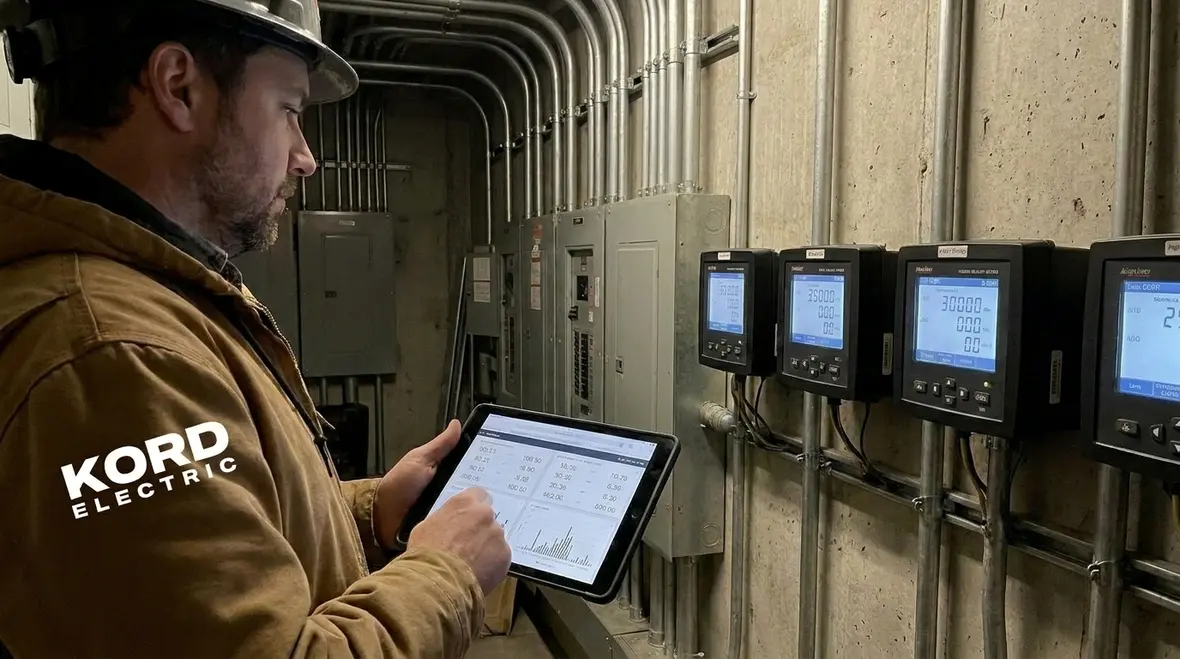
Our technicians help place sensors and meters to track power quality, load levels, harmonics, and demand. Then we connect that data to a platform your team can understand. Instead of generic graphs, you get trends that show when loads drift or when a specific circuit starts acting “off.”
Panel and distribution automation
We use control devices to manage feeders and circuits based on set points and priorities. For example, lighting loads can follow schedules, while critical loads maintain strict continuity. In addition, we can coordinate with emergency and life safety requirements so that automation never compromises code needs.
Load management for steady operations
Where demand charges and peak loads matter, we can implement demand response style strategies. The goal is not to shut things down randomly. Rather, we shift or modulate non critical loads during peak windows, then restore normal operation automatically when demand eases. Think of it as giving the building a steadier heartbeat.
Integration with building systems
We connect electrical insights with other building platforms when appropriate. Because electrical changes affect comfort and equipment health, we coordinate schedules with HVAC and other controls. As a result, the whole building performs like one team, not like multiple departments pulling on the same rope.
Once the core integration is in place, some facilities also fold it into a broader reliability plan. For instance, pairing smart controls with a structured electrical preventive maintenance program helps catch issues sooner, extend equipment life, and ensure that all of this new intelligence sits on a rock solid foundation of tested panels, clean terminations, and verified protection settings.
How our technicians plan an integration you can actually run
When a property team hears the word “integration,” they sometimes picture a project that never ends. We know that fear, and we address it early.
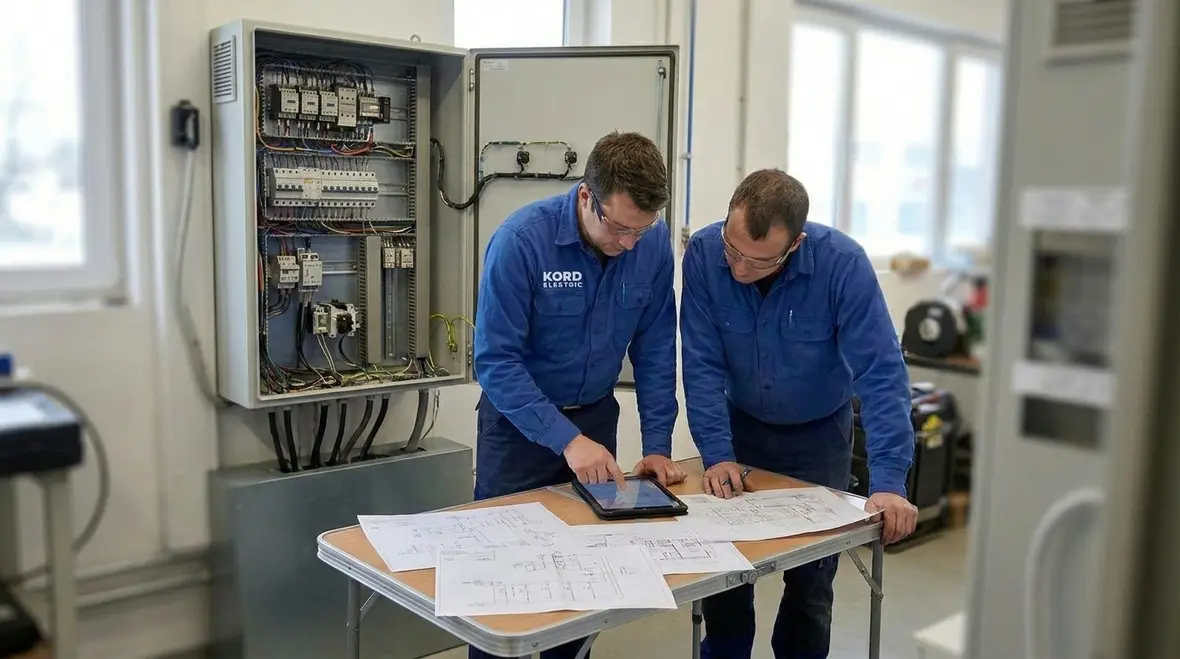
First, our technicians review existing one line diagrams, panel schedules, and equipment documentation. Then we verify what is currently installed, what can be upgraded, and what should stay untouched. After that, we define the control boundaries. We decide which circuits get monitored, which circuits get managed, and which circuits must remain independent for safety and reliability.
Next, we map the control goals into real electrical actions. Instead of vague promises, we set concrete outcomes such as reduced peak demand, improved power factor, better load balancing, or faster detection of abnormal current draw.
Finally, our expert service staff explains the plan in plain language. We do not bury the details in jargon. We walk you through the logic, show what changes when, and outline how your staff will operate the system. Then, we commission the installation carefully and test it under real operating conditions. That way, you get an electrical system that behaves predictably, not one that throws surprises like a prank from an overconfident intern.
For many large facilities, this planning phase also uncovers other priorities, such as voltage stability issues, aging distribution gear, or gaps in documentation. When that happens, we can connect the dots with focused services like our guidance on voltage fluctuations in commercial and industrial facilities, so your smart building electrical integration fits cleanly into a broader roadmap for safer, more stable power.
How we measure performance after installation
Efficiency improvements should not be a mystery. So, we build in measurement from day one and we keep reviewing results after the job closes.
Baseline first, then compare
Before changes go live, we establish baseline behavior for demand, load distribution, and electrical quality. Then we compare post installation performance. This method helps teams avoid guessing and helps us verify that the system performs as designed.
Power quality and protection checks
Smart control does not replace safe electrical design. It depends on it. Therefore, we check power quality signals and ensure protection settings remain coordinated. If something indicates an abnormal harmonic profile or a recurring overload pattern, our team flags it so your maintenance staff can address it with confidence.
Ongoing visibility for facility teams
Because commercial and industrial buildings never “pause,” we provide practical visibility. Your team can track trends, spot unusual behavior sooner, and plan maintenance based on actual circuit behavior rather than calendar schedules alone.
And if you are thinking, “Great, now we have more dashboards,” we hear you. However, our goal is not dashboard collection. Our goal is operational clarity that helps your facility staff spend less time chasing problems and more time preventing them.
In many cases, the same reporting that supports smart integration also feeds directly into long term maintenance strategies. If you want to see how this visibility translates into year round planning, Kord Electric’s overview of commercial and industrial electrical maintenance plans shows how structured inspections, testing, and documentation keep facilities prepared long after a single project wraps.
Common integration challenges we handle for commercial sites
Every property has its own quirks. Still, a few challenges show up again and again in commercial and industrial work, especially when systems are old or patchworked.
Legacy electrical infrastructure
Older panels and wiring paths may limit where sensors can go or how controls can safely interface. We work around these constraints by using compatible retrofit approaches and careful device placement. In addition, we review protective device coordination so automation does not interfere with fault clearing behavior.
Safety and compliance requirements
Electrical integration must respect codes and life safety needs. We follow established standards and ensure control logic never compromises emergency operations. Therefore, any managed circuit includes safe operating rules, and critical loads keep the protections they need.
Complex schedules and multi shift operations
In real facilities, schedules change. People start earlier, operations run longer, and equipment cycles shift. Our control strategies account for these patterns, so the system responds to actual demand rather than outdated timetables.
Coordination across trades
Because electrical work touches mechanical, controls, and sometimes life safety, miscommunication can slow projects. We coordinate with project teams and sequence the work so installation does not conflict with other scopes. As a result, the site stays usable during the process, which property managers appreciate more than anyone else.
Integration projects are also a natural time to tackle other hidden issues. If your facility has experienced unexplained trips, hotspots, or equipment quirks, Kord Electric’s article on hidden electrical risks in commercial buildings explains how seemingly minor problems behind walls and inside panels can evolve into bigger failures if not addressed alongside new smart systems.
Smart building electrical integration for industrial power profiles
Industrial environments carry different realities than typical offices. Machines start in bursts. Production lines have load cycles. Power quality can drift under changing conditions. That is why our approach focuses on power behavior, not only energy reduction.
We design controls that handle load dynamics safely. We prioritize measurement on the circuits that matter, then we use automation rules that protect production. For instance, we can help manage non critical loads to reduce peak demand while ensuring that process critical circuits keep stable supply.
Meanwhile, our reporting supports maintenance planning. If a circuit begins drawing current differently, the monitoring system flags it, so issues can be investigated earlier. That can prevent downtime and reduce “mystery failures,” which are the kind that show up at the worst time, like a plot twist you did not ask for.
In short, the system is built to support industrial reliability while still driving efficiency. That combination is where commercial and industrial facilities benefit the most.
For sites layering industrial loads with modern initiatives such as fleet electrification or expanded outdoor lighting, smart building electrical integration also helps ensure that new projects land safely on the existing backbone. When you start exploring additions like commercial EV charger installation, that same intelligence around demand, priority circuits, and protection settings becomes essential to keeping production steady while your power profile evolves.
FAQ about integrating smart electrical systems
Ready to boost efficiency without risking reliability?
If you run a commercial or industrial facility, you already know that downtime is expensive and guesswork is worse. Kord Electric helps you plan and install smart electrical systems with control logic that supports safety, stability, and real performance goals. Our technicians and expert service staff explain each step, then commission carefully so the system works when you need it. Contact us to discuss your building, review your electrical layout, and map a practical path toward better efficiency and clearer electrical visibility.
If you are evaluating where to start, you can pair smart building electrical integration with a targeted service like electrical preventive maintenance to stabilize existing infrastructure, then add advanced controls and visibility in phases. That way, each investment supports the next one, and your facility gets both near term reliability and a long term roadmap toward smarter, more efficient power.
When your roadmap includes new systems such as EV charging, outdoor safety lighting, or expanded production capacity, our dedicated EV charger installation services and other commercial offerings integrate directly with your smart electrical backbone. The result is a coordinated plan where every breaker, panel, and control strategy points in the same direction: safer power, better data, and fewer surprises when the next big project comes along.


