When to Check Commercial Electrical Panel Capacity
When to Check Your Commercial Electrical Panel Load Capacity
At Kord Electric, we deal with the kind of electrical systems that power whole buildings, not just one office with a few laptops. When we talk about commercial electrical panel capacity, we mean the ability of a panel to safely carry the connected load across normal use, growth, and seasonal swings. Yet many property teams wait until something starts acting up, like a breaker tripping at the worst possible moment. That is usually when the timeline gets expensive and everyone suddenly learns the meaning of “urgent.”
Instead, we assess early, and we do it with a calm, methodical approach from our expert service staff. In this article, we explain when to evaluate load capacity, what changes trigger a reassessment, and how to protect your facility without guessing.
How Load Capacity Challenges Build Up Over Time
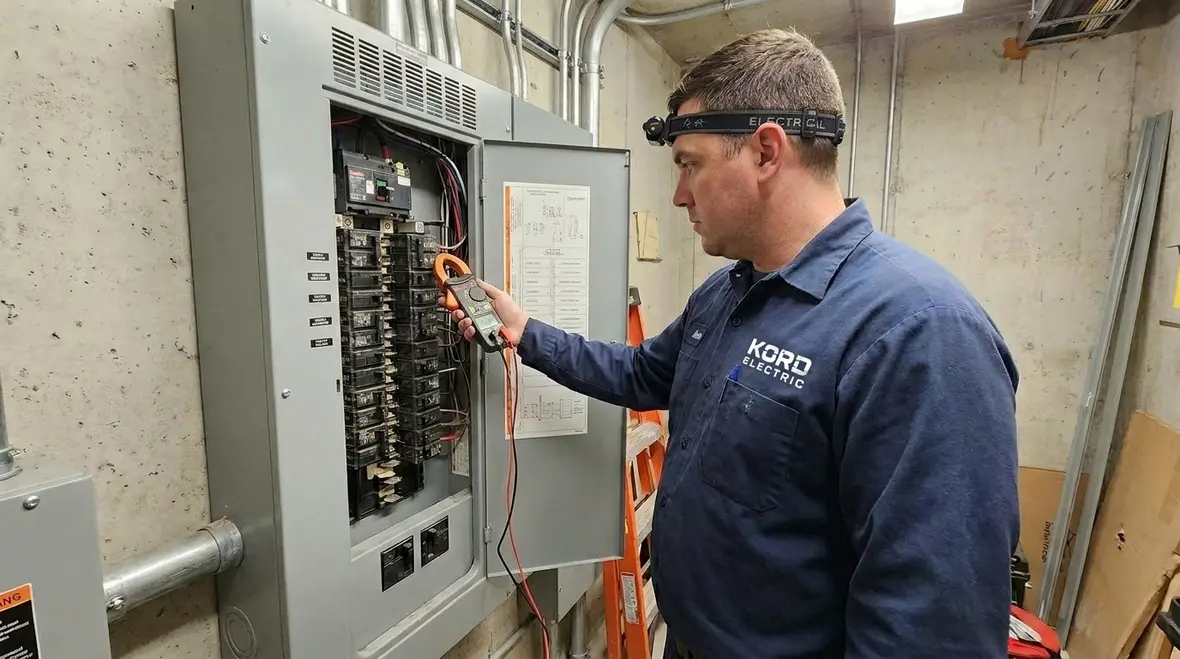
In commercial and industrial facilities, the electrical panel does not just “hold power.” It manages current, heat, and distribution while dozens of circuits quietly work in the background. Over time, load can creep upward, sometimes with good intentions. A tenant adds equipment, a process changes, lighting gets upgraded, and suddenly the demand profile looks nothing like it did years ago.
To us, the key is that real usage rarely matches the nameplate story. For example, a panel might not look overloaded during a casual walkthrough, but measurements taken during peak operating hours can reveal a different picture. And then, if you have large motors, HVAC cycling, or refrigeration loads, the load can surge even when average demand seems fine.
So we ask the right questions, but we do it through practical assessment: demand patterns, circuit loading, feeder conditions, and panel temperature risk. Our technicians explain what they find in plain language, so decision makers do not need an electrical degree to make solid choices.
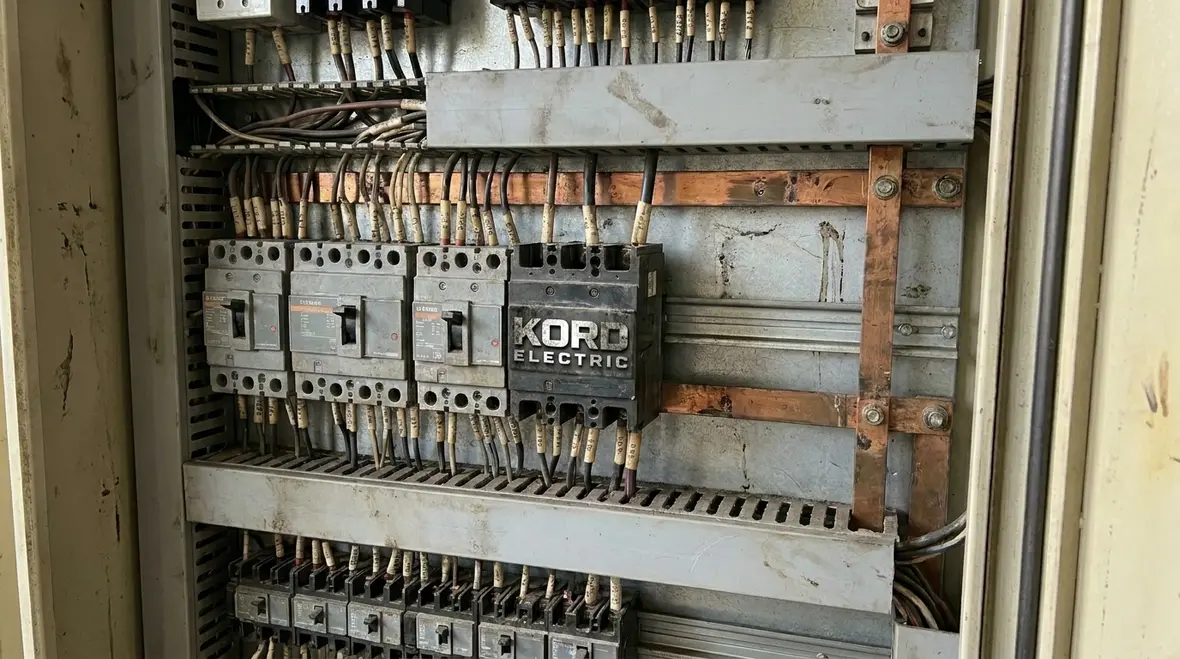
If you want a deeper dive into how hidden issues can grow behind closed panel doors, Kord Electric’s article on hidden electrical risks in commercial buildings shows how quiet problems in distribution equipment turn into real downtime and repair cost if they are not found early.
When Change Happens, Assessment Should Follow
If you operate a major property building, the safest schedule is usually tied to change. Therefore, we advise reassessing commercial electrical panel capacity after any event that can shift how much current the building draws or how that load is distributed.
- New equipment or process upgrades, such as compressors, production machinery, welding gear, pumps, or additional ventilation
- Tenant improvements in office towers or mixed-use commercial spaces, especially when loads scale up after buildout
- HVAC replacement or schedule changes, since start-up current and runtime patterns can change
- Major lighting retrofits, because even “efficient” upgrades can increase total connected load when coverage expands
- Adding EV charging or upgrading charging rates at commercial sites
- Expansion of data or telecom rooms, where concentrated loads appear quickly
- Seasonal operations ramp, like extended hours in retail distribution or industrial shifts
We also remind clients that the electrical system does not care about budgets or calendars. If the building changes, the electrical load changes too. That is not dramatic. It is just physics. And physics does not accept excuses, no matter how persuasive the meeting agenda is.
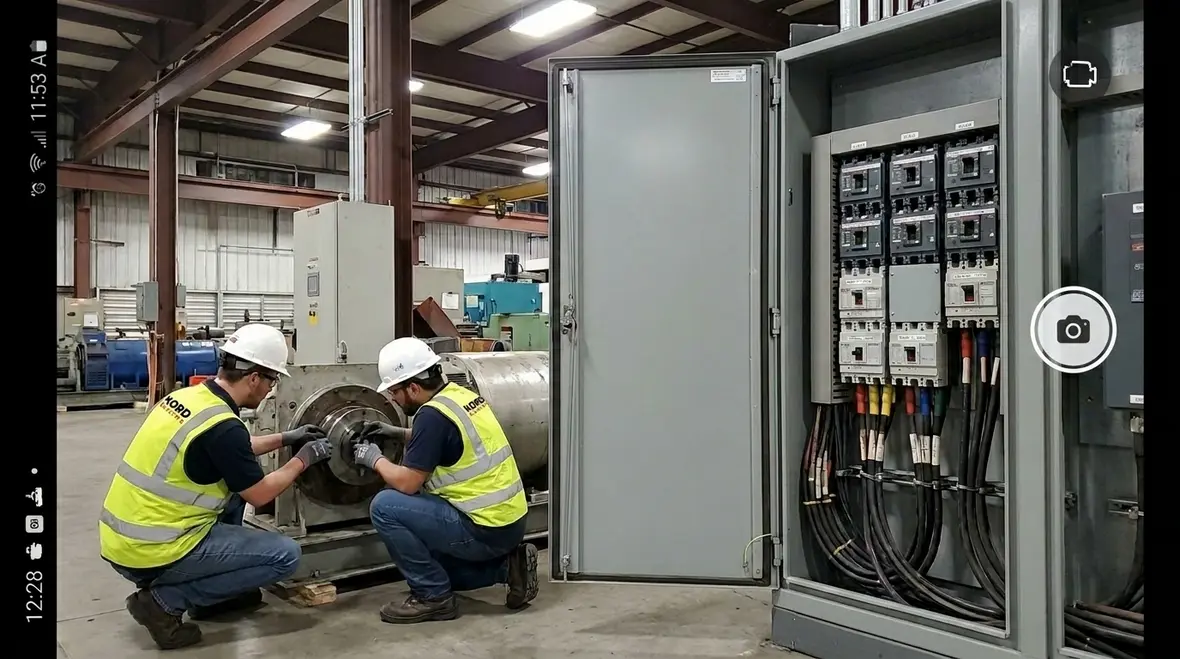
Changes like solar integration, new backup systems, or upgraded drives and controls all feed back into commercial electrical panel capacity usage. Kord Electric’s commercial solar panel electrical integration guide explains how new generation sources must tie into existing distribution without tipping panels beyond safe limits.
Annual Inspections and Targeted Reviews
Some teams wait for a failure, then call for help. Others build a schedule and manage risk. We strongly favor the second approach. Even without obvious upgrades, commercial and industrial panels benefit from planned checks because components age and connections can loosen over time.
In practice, we often recommend an annual inspection for high activity facilities and periodic review for stable sites. Additionally, we schedule targeted assessments when operating conditions shift. For instance, a facility that rarely runs at full production might still experience peak surges during specific weeks, and those peaks matter most for safety and panel life.
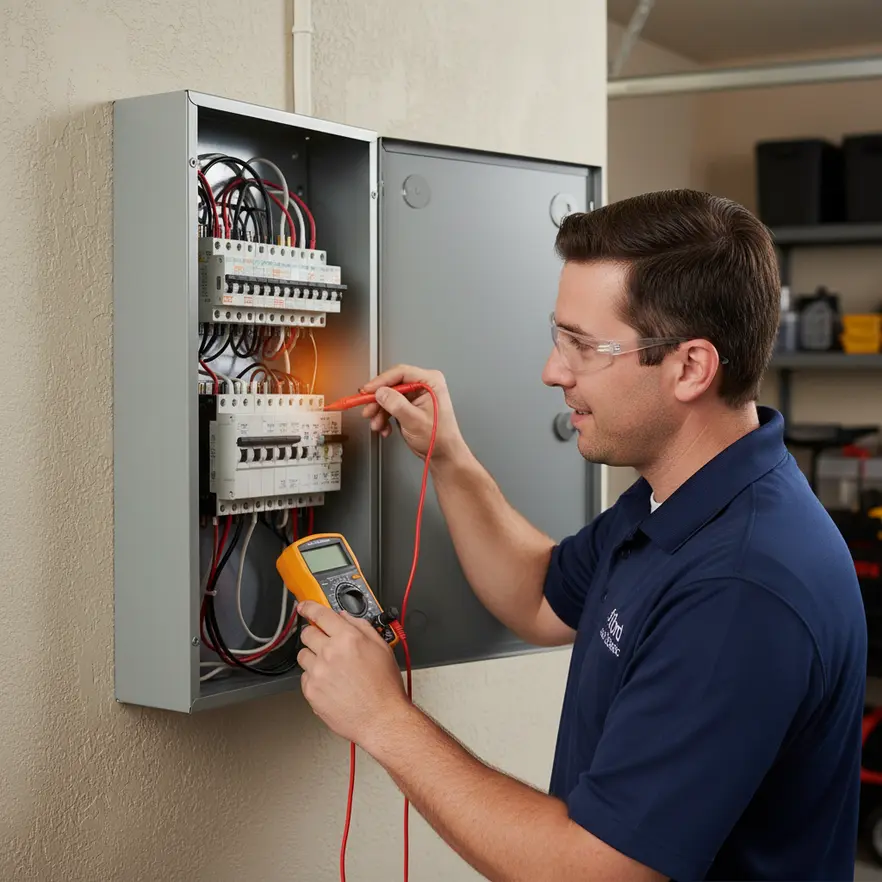
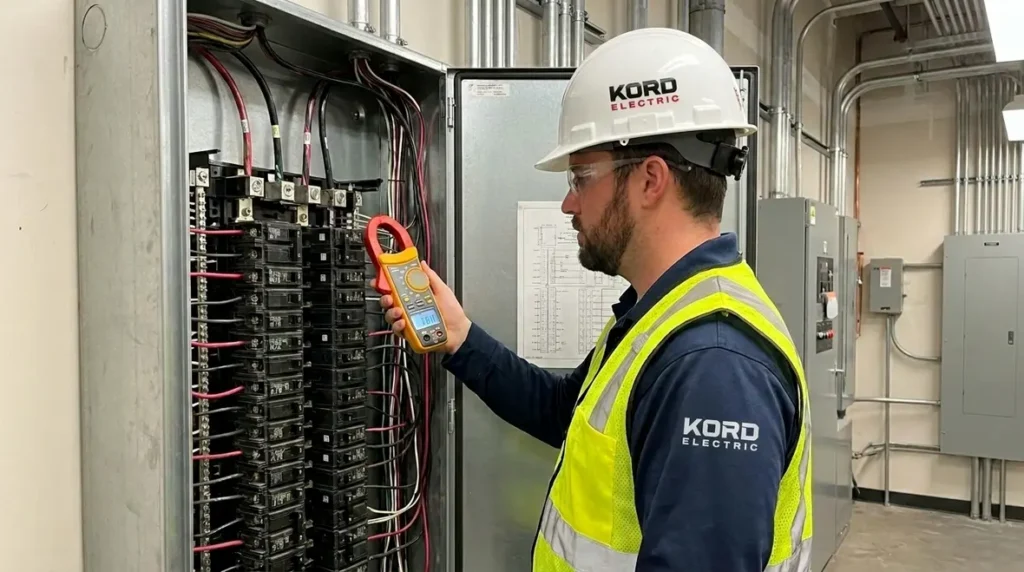
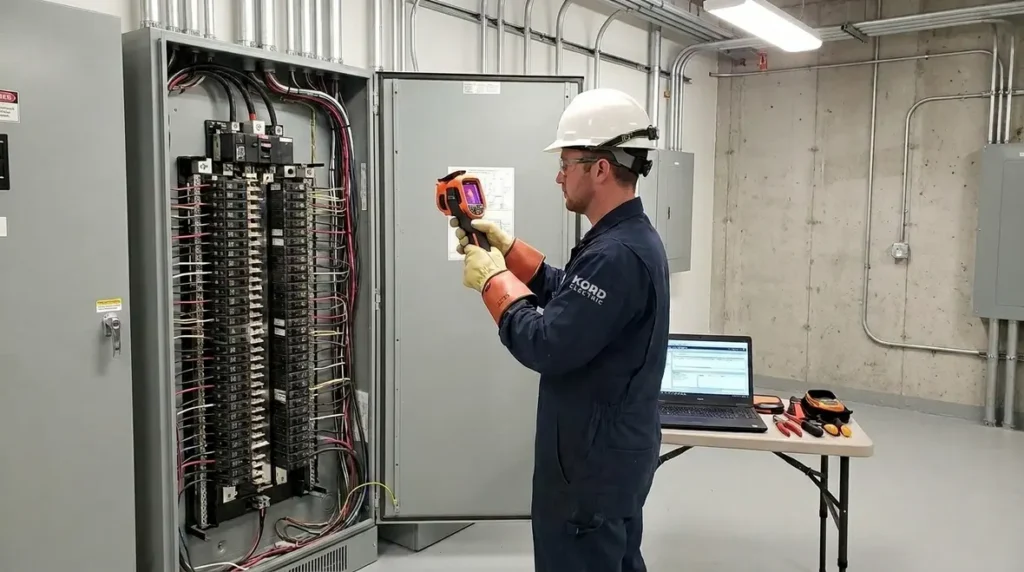
Our technicians also look for early warning signs that teams miss. We check for signs of overheating, abnormal wear on breakers, and indications of uneven load distribution. Then we validate with measurements rather than guesses. After that, our expert service staff explains what the numbers mean, what risks apply to your exact setup, and what options you can plan for before the system starts “complaining” by tripping or buzzing.
And yes, breakers can buzz. That is not a feature. It is the panel’s way of saying, “Hey, we need to talk.”
When inspections reveal deeper issues, Kord Electric’s rewiring cost guide for commercial electrical systems walks through how larger upgrades, panel changes, and feeder improvements can reset risk and prepare a building for long-term growth.
How We Evaluate Panel Demand and Safety Risk
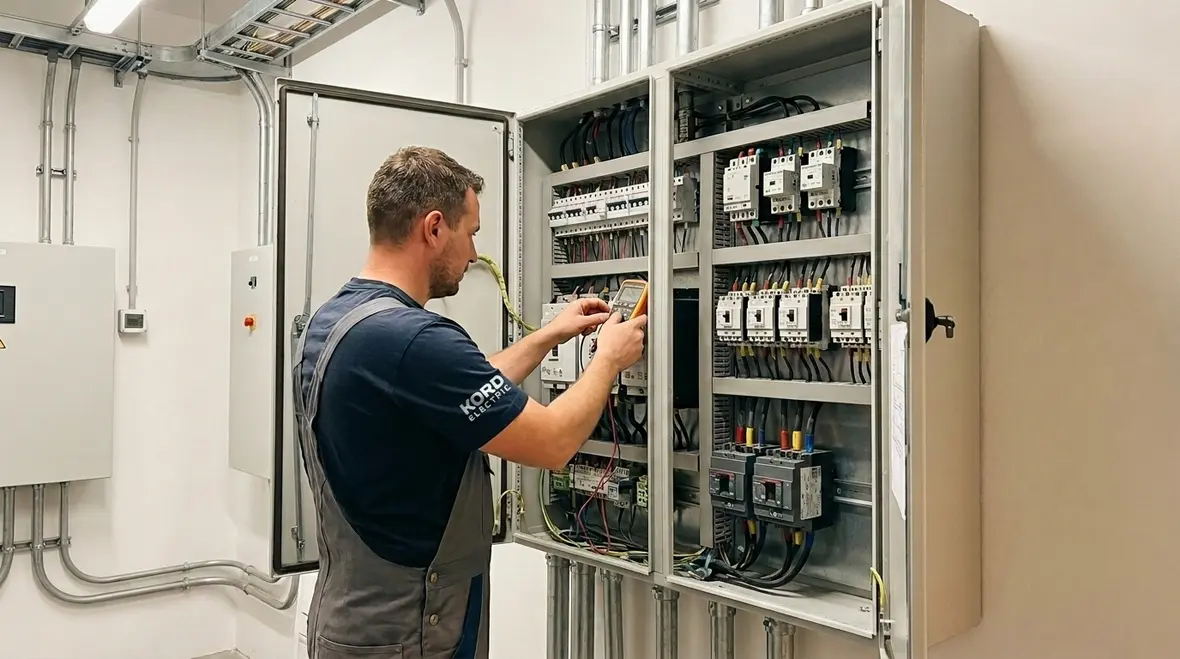
When we assess commercial electrical panel capacity and related distribution needs, we focus on how current flows in your specific building, not how current flows in a textbook. First, we inventory connected loads and how they operate. Next, we compare those loads to the panel’s ratings, the busbar and breaker configuration, and the capability of feeders and downstream devices.
Then we go deeper, because a panel can be “rated” and still run into real-world limits. For example:
- Continuous load can raise temperature over time, even if peaks come and go
- Motor starting and HVAC cycling can create short surges that stress components
- Nonlinear loads from certain electronics can distort demand patterns
- Loose connections can increase resistance and heat, which shortens equipment life
- Imbalanced phases can overload parts of the system while the panel seems “fine” overall
To keep decisions clear, we translate technical findings into actionable language. We do not just say, “It’s overloaded.” We describe where the load concentrates, what drives the peak, and which circuits matter most. And if the solution involves upgrades, we explain how we plan the work to keep your facility running smoothly. Nobody wants a shutdown that lasts longer than a rerun season. We plan to avoid that.
Signs You Should Act Sooner Than Planned
Even with a good schedule, conditions can change faster than paperwork. Therefore, we tell property managers and facility teams to act sooner if they notice any of the following:
- Frequent breaker trips, especially during predictable peaks like shift changes or HVAC start cycles
- Warm or hot panel sections, including discoloration, odor, or visible wear
- Lights dimming or flickering when major systems start
- New equipment that causes “mystery” performance issues
- Frequent calls from tenants about power reliability after add-ons
- Inconsistent operation of motors, pumps, or refrigeration units
- Improper generator or UPS behavior during transfer events
When these symptoms show up, we treat them as a request for a professional look, not as background noise. Our approach is to find the cause and address the risk. Once we understand the load picture, we can recommend next steps that fit the facility type, operating needs, and budget reality.
Upgrade Options and Planning for Major Properties
After we complete a commercial panel capacity evaluation, we usually guide clients through practical options. The best solution depends on how the load distributes and where the constraints actually sit.
- Panel replacement when the existing distribution cannot safely manage current demand
- New subpanels to better organize circuits and reduce stress on upstream equipment
- Breaker and busbar updates when configuration changes can restore proper balance
- Feeder improvements if downstream loads exceed feeder performance or show overheating risk
- Load management planning, such as scheduling high draw equipment to reduce peak stress
Then we talk timelines and how to keep your facility operational. We work with commercial and industrial schedules, and our technicians explain the process clearly so owners and managers can make confident choices. That includes documentation needs for building records and future assessments.
In other words, we help you avoid the classic “we’ll deal with it later” trap. Later arrives, and it rarely comes with a gift receipt.
FAQ for Commercial and Industrial Panel Load Checks
Conclusion: Plan the Next Assessment With Kord Electric
If you manage a commercial or industrial facility, you do not need guesswork and you do not need surprises. We help you decide when to assess electrical distribution by matching the schedule to real changes, real measurements, and real operating risk. Our technicians explain every step, so your team can plan upgrades confidently instead of reacting to trips and heat. If you are preparing for equipment additions, tenant work, solar integration, or EV charging, contact Kord Electric now and let us review your panel load readiness.
For facilities that also need a coordinated approach to life safety, Kord’s sister company can help you stay ahead of fire protection requirements while you modernize power. Their full fire protection services cover fire sprinklers, alarms, extinguishers, and more, giving your building a safer, more resilient infrastructure from power distribution to life safety systems.
If you are planning a project that may affect commercial electrical panel capacity usage, from major rewiring to new solar and backup systems, Kord Electric’s commercial services team can help you align capacity, code compliance, and expansion plans so your building is ready for what comes next.
Explore Kord Electric’s commercial electrical services to coordinate panel assessments, upgrades, and broader distribution work with a team that understands how your entire facility operates hour by hour.