
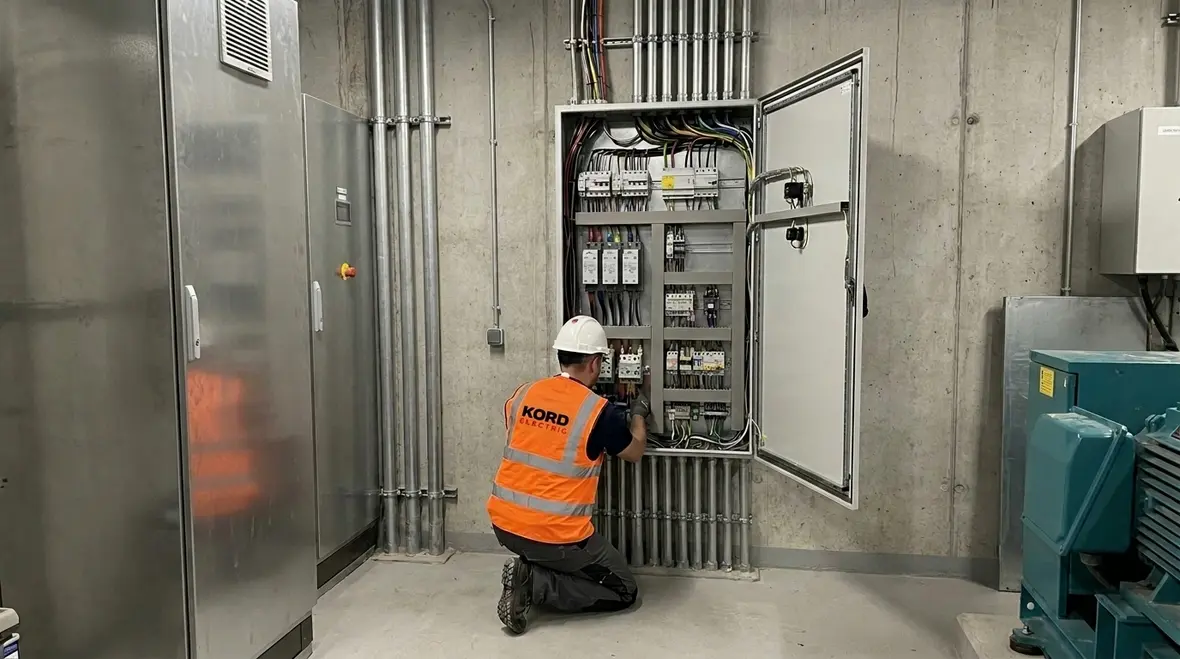
Industrial Electrical Surge Protection Guide
At Kord Electric, we focus on one thing that quietly protects daily operations: industrial electrical surge protection for commercial and industrial facilities and major property buildings. When a lightning strike, a switching event, or even a utility fault sends a jolt through power lines, sensitive equipment can pay the price in ways that look random at first. Then the maintenance team gets the “mystery outage” ticket, which is basically the electrical version of déjà vu.
To keep that from happening, our expert service staff explains what surge suppression really does, why it fails when it is undersized, and how the right design protects control systems, drives, pumps, HVAC gear, and critical power rails. And yes, we explain it in plain language, because nobody has time to decode electricity like it is a legal contract.
How surges reach industrial equipment
Industrial power systems do not stay politely still. Instead, they experience voltage disturbances that travel along conductors and into panels. The surge itself may originate outside the facility, or it may be created inside by equipment switching. For example, when motors start, large loads can pull current and create voltage dips. Conversely, when loads are removed, the voltage can rebound. Either way, downstream equipment sees irregular electrical behavior.
From there, the disturbance can couple into circuits through multiple paths. It moves by way of line conductors, but it can also ride on neutral and ground references. Additionally, surge energy can enter through control wiring, sensors, and communication lines. Therefore, industrial electrical surge protection must address both power paths and the likely coupling routes, not just the obvious panel feed.
In real sites, we often see a pattern: the facility operates for months, then a nearby utility switching event, a contractor adds a load, or lightning activity increases. Shortly after, the same category of equipment begins to fail more often. That pattern is not luck. It is physics doing what physics does, regardless of how organized the building manager is.
Voltage fluctuations and why they turn into damage
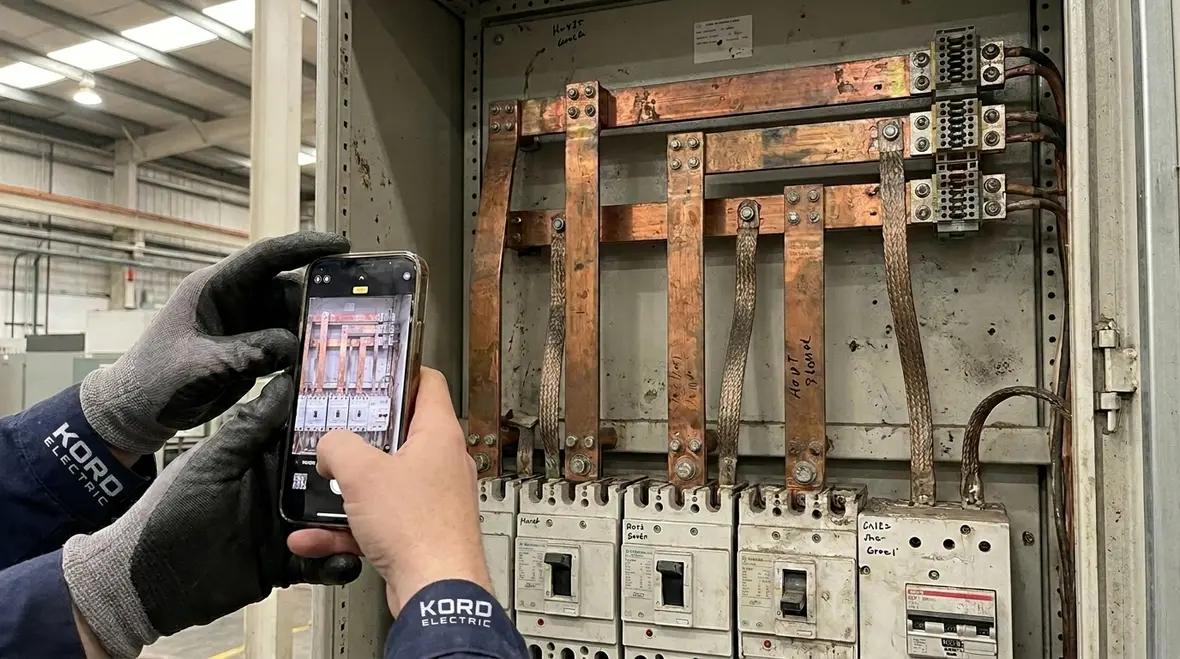
One of the most misunderstood issues is voltage fluctuation, because people assume it means “the lights flicker” and nothing more. However, commercial and industrial systems feel it in different ways. A voltage fluctuation can stress power supplies, reduce motor torque, upset variable frequency drives, and cause contactors to chatter. Over time, the repeated stress erodes components that were never designed for constant electrical irritation.
If you want to see how this plays out at the facility level, our team breaks it down in detail in our dedicated article on voltage fluctuations in commercial and industrial facilities. There, we walk through how disturbances ride through distribution, where they show up first, and how they quietly undermine equipment long before a failure makes the incident log.
The key point is this: even when the disturbance does not look dramatic, sensitive electronics treat it like a repeated test, and they fail the test eventually. Power supplies run hotter than intended. Drives see nuisance trips that get written off as “just one of those things.” Controllers reset at the worst possible moment. None of that is random. It is voltage stability (or the lack of it) showing up in everyday operations.
Thus, surge suppression is not only about huge spikes. It also supports the broader goal of electrical power quality. When designed correctly, industrial electrical surge protection helps reduce the chance that small events accumulate into big failures and unplanned downtime.
What surge suppression devices actually do
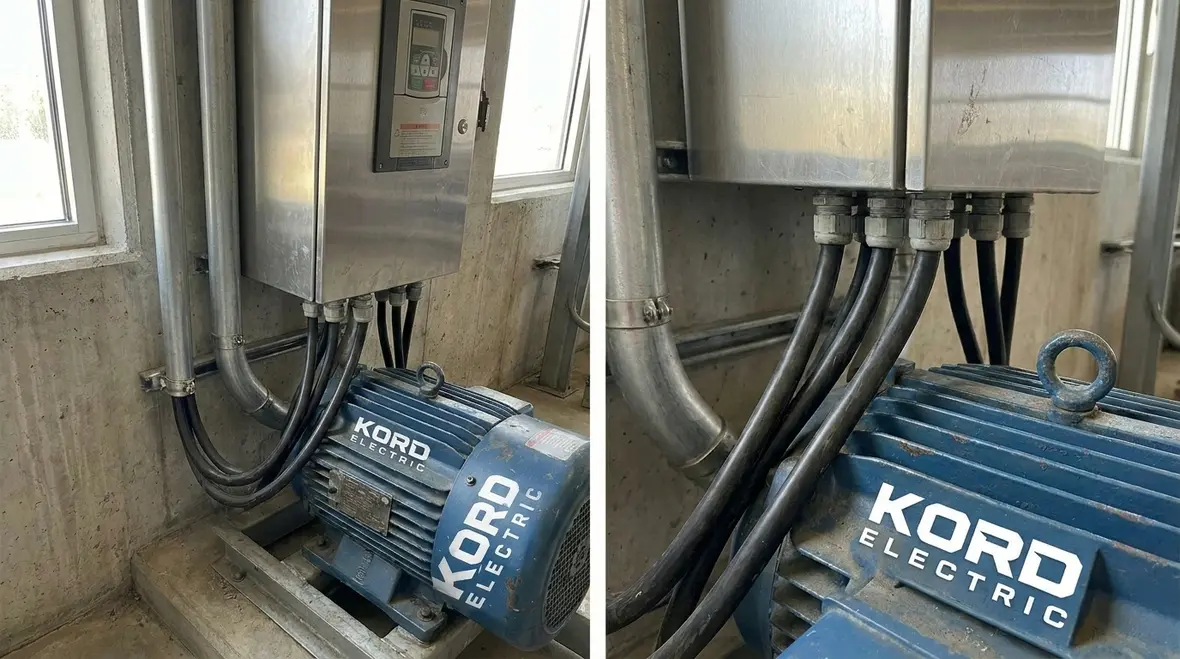
Surge suppression devices are not magic shields. They work by redirecting surge energy away from equipment, typically by clamping voltage to safer levels. When the voltage rises too quickly, the device reacts and provides a path for energy to flow to ground or into the suppression network. As a result, the equipment sees a lower voltage stress than it would without protection.
Still, industrial electrical surge protection must match the system. If the device has the wrong rating, it may clamp too late, or it may degrade faster than the site expects. If the installation wiring is sloppy, the device can respond slower than the surge rise time requires. And if the panel arrangement is ignored, energy can find its own route through sensitive circuits instead of following the well-behaved path into the surge protective device.
Our technicians and expert service staff explain the device choices and installation details as a package. We do not just swap parts and hope for the best. We verify design assumptions, confirm the likely surge exposure, and ensure the suppression strategy supports the actual equipment and wiring topology. That means looking at incoming service, distribution levels, and the devices that live on the far end of the line, not just the panel where the surge device is mounted.
In many facilities, we also coordinate surge suppression with other reliability strategies. For example, combining surge protection with structured programs like electrical preventive maintenance allows maintenance teams to treat surge devices as part of a larger plan for uptime, rather than one more box bolted to the wall and forgotten.
Where failures hide: wiring, grounding, and coordination
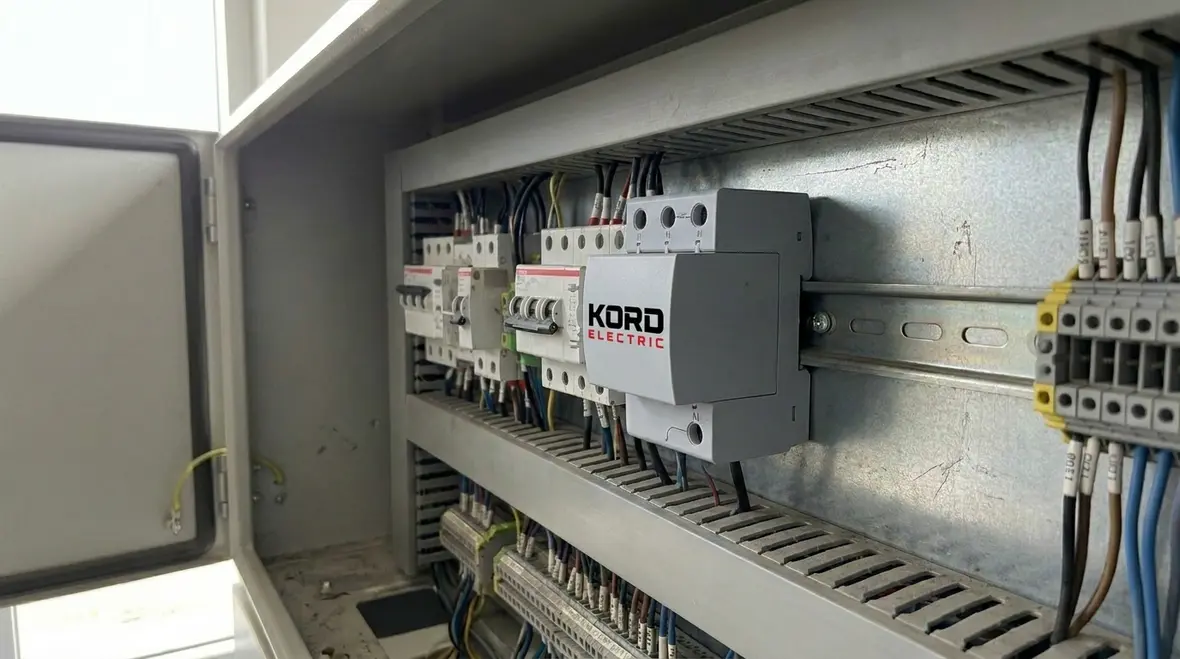
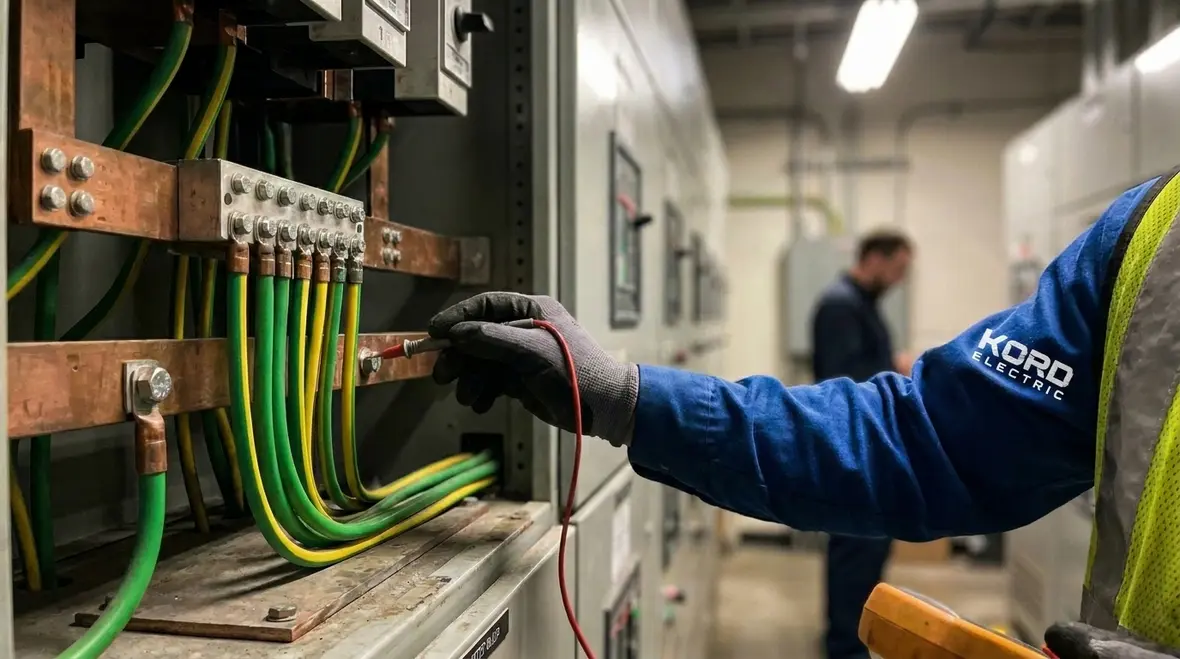
People often blame the surge device when something still goes wrong. Yet many failures trace back to wiring length, connection quality, grounding design, and coordination with protective devices. In an industrial building, conductors and grounding paths create the “electrical highway” for surge energy. If that highway has sharp turns or poor materials, the surge energy does not get redirected cleanly.
Coordination also matters. Surge suppression works best when it aligns with other protective devices and electrical protection levels. Therefore, our team helps coordinate with upstream and downstream devices so the suppression system can handle the incoming energy without turning into an additional failure point. That may include reviewing breaker settings, fuses, upstream transformers, and critical loads that deserve their own point-of-use protection.
To keep things practical, we look for these common issues during assessments:
- Long, loosely routed leads between the suppression device and panel or bus
- Grounding paths that do not provide a stable reference during transients
- Improper bonding that lets surge energy “bounce” between building systems
- Missing device coordination that forces the wrong layer to absorb energy
- Inadequate protection for control circuits, sensors, and networked equipment
Yes, grounding sounds boring. But so does maintenance, and yet we all agree it matters. Electricity does not care about office vibes. It cares about impedance and paths. When those paths are designed and installed correctly, surge suppression works with the rest of the system instead of fighting against it.
Designing protection for industrial systems and building scale
A minor office and a major industrial facility are not the same story. Commercial and industrial facilities often have multiple distribution levels, many panels, and a mix of high value control and power electronics. In major property buildings, the electrical system can also serve diverse tenants and equipment types. Therefore, a well designed approach considers where surges originate, how they travel, and what loads need the strongest protection.
Kord Electric plans industrial electrical surge protection with the system in mind. We focus on the equipment that cannot afford downtime, including:
- Motor drives and variable frequency drives
- Programmable logic controllers and control panels
- HVAC control systems and building automation gear
- Pumps, compressors, and process equipment tied to automation
- Uninterruptible power supplies and critical power distribution
Also, we consider how protection should layer across the electrical path. One level may not be enough because energy can arrive at different times and through different routes. Layered suppression and proper coordination help manage transients across the building’s power distribution, especially in facilities that combine process equipment, data infrastructure, and life-safety systems under one roof.
And because we are dealing with real facilities, real schedules, and real teams, we also discuss how protection fits operational needs. We can plan installs around maintenance windows so the site does not feel like it is stuck in a slow reboot loop. For many clients, surge protection becomes part of a broader reliability roadmap alongside services like lighting installation for commercial and industrial sites and long-term electrical maintenance planning.
Connecting surge protection with overall power quality
Industrial electrical surge protection works best when it is treated as one piece of a bigger power quality strategy. If your facility is already tracking voltage stability, breaker trips, and nuisance resets, surge protection becomes the tool that takes those issues from “constant headache” to “rare event.” If you are not tracking those yet, our team can help you build a plan that starts with the most critical assets and expands outward as needed.
Maintenance and inspection that actually prevent surprises
Surge suppression devices can degrade with repeated events. When that happens, the system still looks fine on the surface, but it loses effectiveness. Therefore, inspections should not stop at installation. We help commercial and industrial facilities treat surge protection as part of their ongoing electrical health program.
During service visits, our technicians and expert service staff examine condition indicators, verify connections, and review whether the site has changed. A facility that adds new production lines, HVAC upgrades, or new automation equipment changes the electrical environment. Consequently, the protection plan may need updates, just like any well designed commercial and industrial electrical maintenance plan needs periodic tuning.
We also help teams set realistic expectations. Surge suppression reduces risk, it does not eliminate all risk. Yet compared to no protection at all, it significantly lowers the odds of equipment damage caused by transients and voltage disturbances. Paired with structured inspections and testing, it becomes a quiet but powerful ally for facility uptime.
For many sites, the best payoff shows up quietly: fewer unexplained failures, fewer controller faults, fewer drive issues, and faster return to normal operation after disturbances. The best kind of protection is the kind you notice only because the lights keep doing their job and production never has to pause for “mystery resets.”
Building a practical inspection routine
A practical inspection routine for industrial electrical surge protection does not have to be complicated. It can include visual checks, indicator status reviews, and basic documentation tied to your preventive maintenance schedule. Our team can help you integrate surge device checks into your existing electrical preventive maintenance so inspections feel like part of normal operations, not a separate project that never quite finds a timeslot.
FAQ: Surge suppression for commercial and industrial buildings
Final word: protect uptime before the next electrical surprise
Surges do not send invitations. They arrive as quickly as a bad playlist on a Monday morning, and sensitive equipment pays the price when protection is missing or mismatched. Kord Electric helps commercial and industrial facilities build industrial electrical surge protection that fits the real power distribution, the real grounding paths, and the real equipment that keeps operations running.
If you want fewer unexplained failures and a power system that behaves the same on stormy days as it does on clear ones, our team can help you combine surge suppression with broader reliability strategies. That might include addressing underlying voltage fluctuation issues, putting structured maintenance in place, or planning upgrades that support future loads without sacrificing stability.
When you are ready to move from reacting to electrical surprises into building a plan that prevents them, connect with our team. Alongside surge protection, we support facilities with dedicated services like electrical preventive maintenance programs that keep panels, distribution equipment, and protective devices in reliable working order year-round.
If your site needs fast help with a surge-related failure or power quality event, our emergency electrical services are available to stabilize systems, restore power, and then help you plan long-term solutions that reduce the chance of repeat incidents.
Protect uptime before the next disturbance shows up on your event log. Kord Electric is ready to design, install, and maintain the industrial electrical surge protection your facility needs so operations stay steady, equipment lasts longer, and electrical surprises become the rare exception instead of a regular storyline.


