
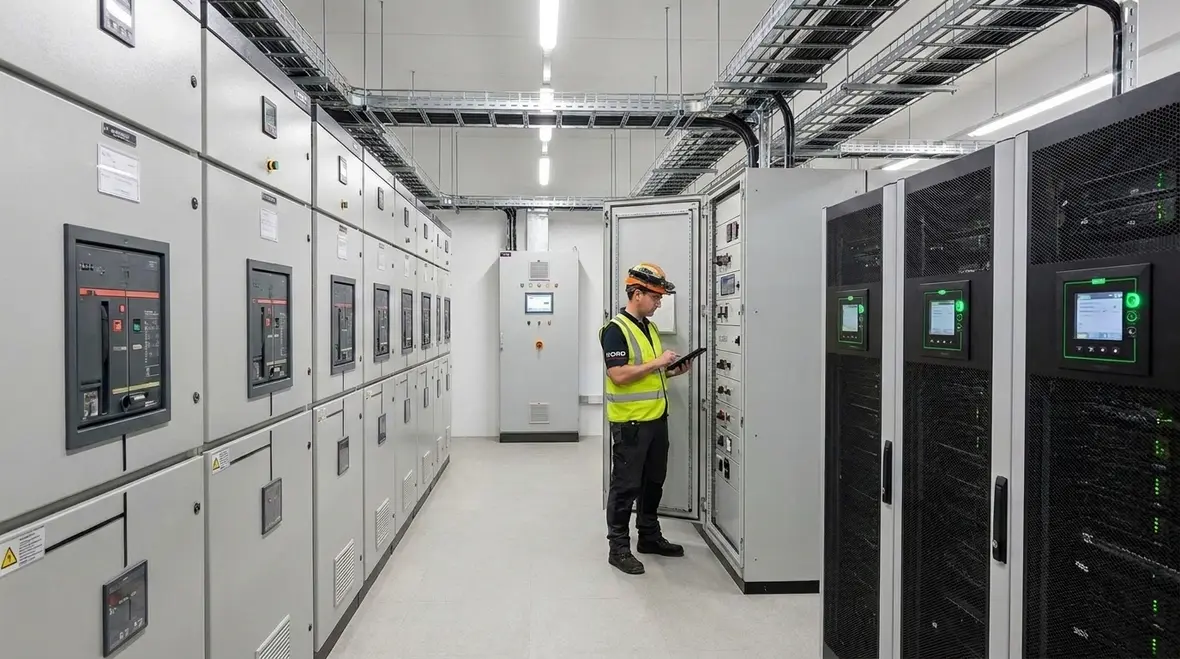
Reliable Electrical Equipment for Data Centers: What to Specify
In the fast moving world of data centers, reliability is not a “nice to have” feature. It is the foundation that keeps operations running when everything else tries to fail. At Kord Electric, we focus on Reliable Electrical Equipment for Data Centers: What to Specify from the start, because the right design choices protect uptime, reduce downtime costs, and keep critical systems stable.
Others may sell parts. We help businesses build power systems that behave like professionals on a deadline. And yes, we do explain things in plain language, because our technicians and expert service staff know that “it should be fine” is not a strategy. To keep it real, even servers hate surprises.
Reliable electrical equipment choices for data center uptime
When a data center plans power reliability, it cannot rely on hope, luck, or vibes. It needs equipment that controls risk across the entire power path. In other words, the question is not only whether a component works, but whether it works consistently under real load conditions, during switching events, and through maintenance cycles.
At Kord Electric, we guide commercial and industrial facilities through specifications that support stable operations. First, we help clients define what “critical” means for their load. Then we match that definition to equipment ratings, protection settings, and system coordination. This approach matters because a mismatched device can turn a small fault into a larger outage.
We also explain tradeoffs. For example, high reliability is not just about high ratings. It is also about how power flows when something changes, like when a transfer occurs or a breaker opens. We want your system to switch smoothly, not perform a dramatic exit like a sitcom character who forgets the plot.
Plan redundancy using practical power paths
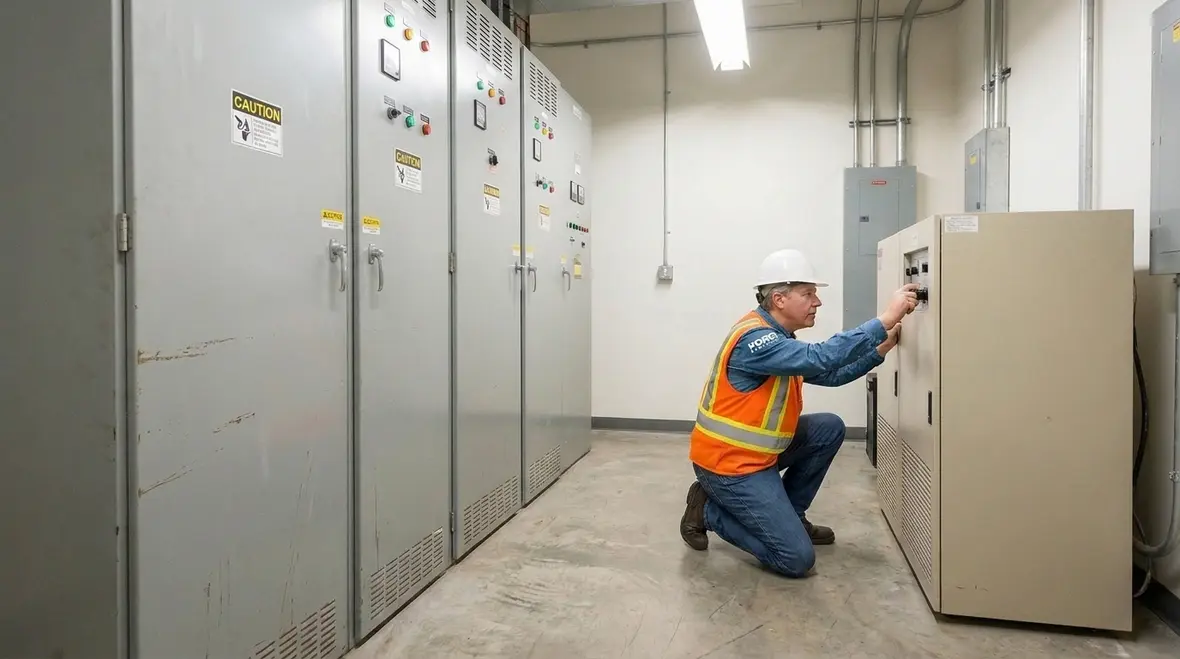
Redundancy sounds simple until you look at the wiring, the switching, and the real world behavior of protection systems. Therefore, we urge clients to think in power paths, not just in single devices. A data center needs multiple paths that can carry load without creating unstable conditions.
From our experience supporting major property buildings and mission critical facilities, we see common gaps. People specify equipment, but they do not validate coordination between upstream and downstream components. As a result, protection may trip at the wrong level, or recovery may take longer than expected.
To prevent that, we focus on:
- Clear separation of sources so a fault on one side does not cascade
- Defined transfer logic that matches the facility’s operating model
- Load sharing rules so equipment runs within safe limits under normal and abnormal conditions
- Monitoring points that let staff detect issues early, before they grow
Our expert service staff does not just talk theory. Instead, we review how the system behaves during planned events, like maintenance. We also walk teams through what happens during fault scenarios in ways that are easy to understand and easy to act on.
Specify switchgear, UPS, and transfer systems with clear coordination
Most failures do not start at the worst place. They start with a small mismatch in coordination. Switchgear, UPS systems, and transfer equipment work together, and when one piece operates differently than expected, the whole system pays the bill.
We recommend specifying switchgear and protective devices with attention to fault clearing behavior, selective coordination, and proper rating for the expected environment. Meanwhile, UPS systems must support both the power quality needs and the load profile of the facility.
In the Kord Electric approach, we ask the right questions quickly, then we document the answers so the design stays consistent. After that, we verify key coordination points:
- Protection selectivity so only the faulty section isolates
- Transfer equipment timing so the UPS and generator transitions stay stable
- Harmonic and power quality handling for modern IT loads
- Restart and recovery behavior so equipment returns to service in a planned sequence
Also, we make sure teams understand what matters most. For some facilities, the priority is minimizing transfer time. For others, the priority is keeping voltage and frequency within tighter bounds during transitions. Either way, our technicians explain these choices in simple terms, not in a way that makes people feel like they need a decoder ring.
Use power quality monitoring that supports fast response
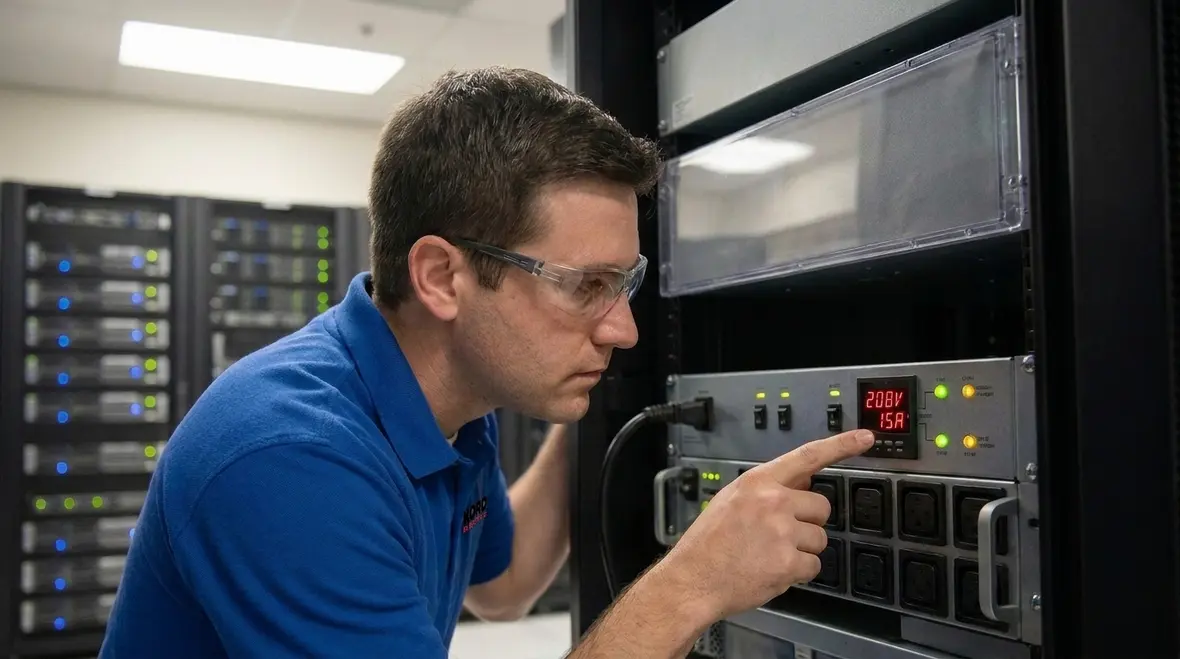
Even well designed systems can experience power quality issues. The difference between a clean operation and a messy outage often comes down to how fast staff detects and responds. Therefore, we recommend specifying monitoring that goes beyond basic metering.
In data centers and major commercial buildings, power events can be subtle. A small voltage dip, a current imbalance, or a frequency deviation may not trigger immediate shutdown, but it can stress equipment and reduce long term reliability. So we help clients implement monitoring that tracks the electrical signals that matter for critical loads.
Our teams guide clients toward monitoring that supports:
- Early warning alarms linked to thresholds that reflect actual equipment limits
- Trend data so engineers can spot drift and plan corrective action
- Event logging for switching operations, transfers, and protection actions
- Integration readiness so monitoring data aligns with facility dashboards
Then, we explain how to use that information. Because equipment without a response plan is like a smoke detector with no batteries. It sounds like something should happen, but nothing does. Our expert service staff helps operational teams build a practical workflow for alerts and escalation in commercial and industrial settings.
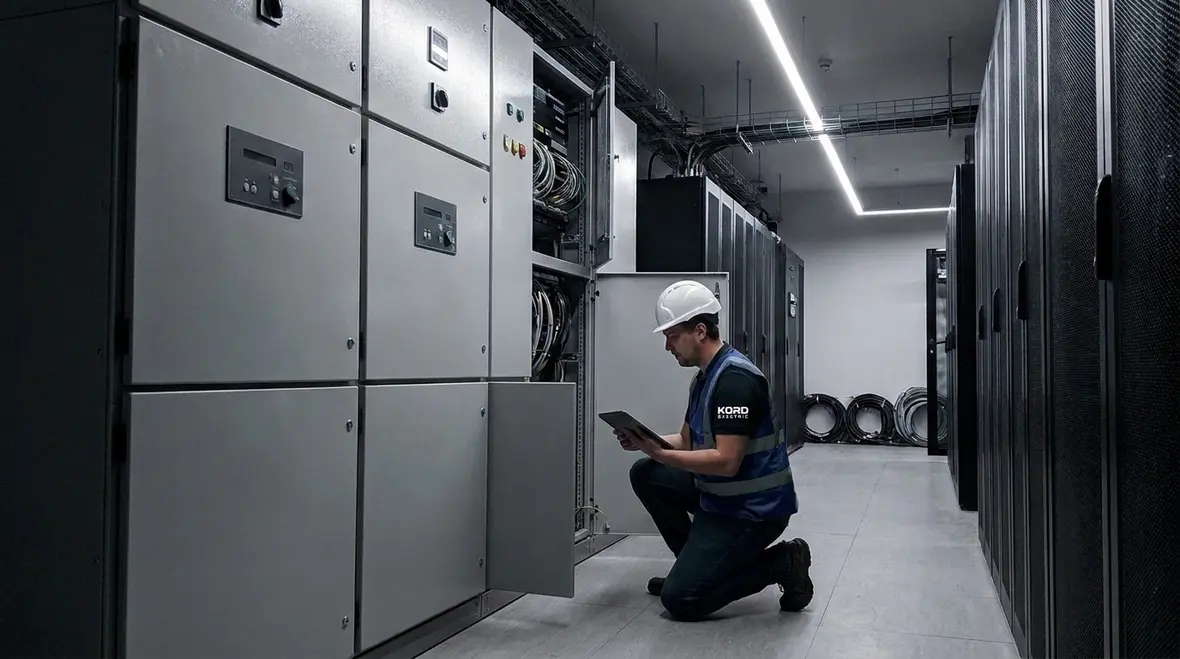
Account for the facility environment and keep equipment service friendly
Reliability depends on the environment as much as it depends on the electrical design. Temperature, dust, humidity, vibration, and airflow can all affect electrical equipment performance and service life. In addition, the facility must support safe maintenance practices without disrupting critical operations.
That is why we include environmental planning in our guidance. We do not treat the electrical room like a sealed mystery box. Instead, we help clients consider:
- Cooling alignment with the electrical load profile and equipment heat output
- Inrush and cycling impacts on breakers, connections, and protective devices
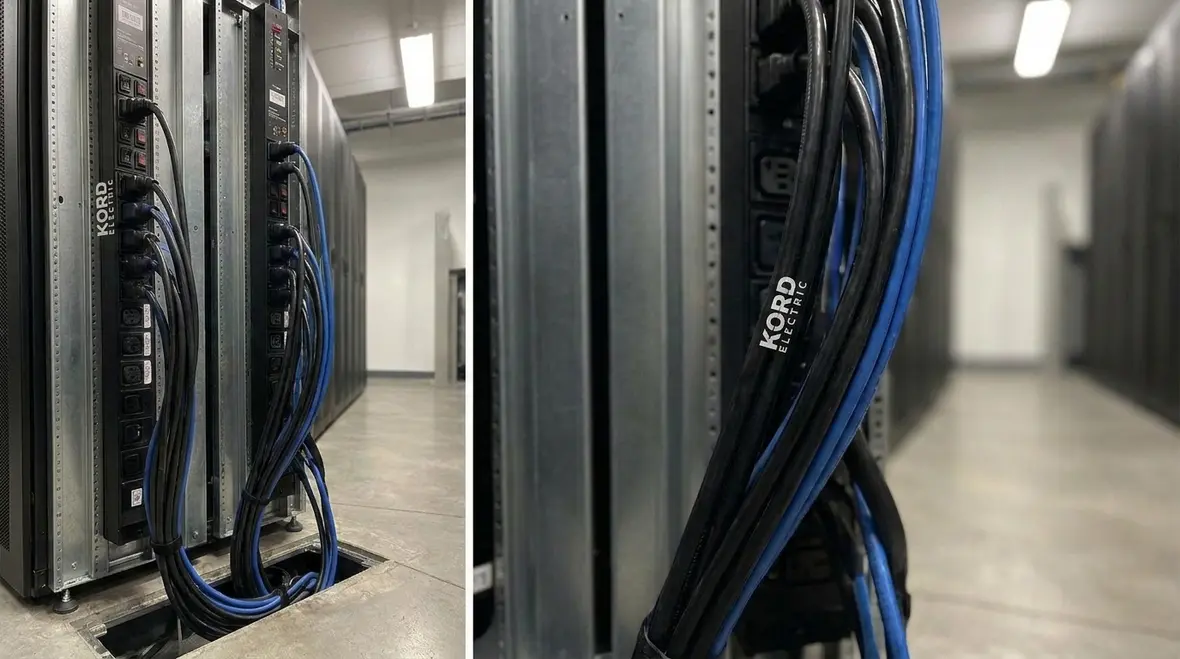
- Physical layout and cable management to reduce stress and improve service access
- Maintenance access so technicians can inspect, test, and replace parts on schedule
And here is the part people skip because it sounds boring. Serviceability. We plan for inspections, testing intervals, and safe replacement procedures. We also help teams understand what their technicians need during maintenance so the work stays controlled and predictable. After all, a data center outage during planned service is like getting locked out of your office right when the presentation starts. It happens, but it should never be expected.
Validate strategies before the build is complete
Power reliability gets much easier when teams validate decisions early. However, validation often gets delayed because projects move fast. To prevent confusion later, we encourage clients to verify the design against realistic operating conditions.
We align with the kind of strategies described in our data center power reliability strategies guidance, including the importance of planning, coordination, and risk reduction throughout the full lifecycle. In practice, that means checking how the system handles switching, fault clearing, and abnormal operating events.
Here is what we typically emphasize during validation:
- Coordination studies that confirm protection behavior across the hierarchy
- Load assumptions that reflect actual IT growth plans
- System response checks for UPS and transfer transitions
- Commissioning and testing so equipment performs as expected before handover
Then we keep the human side in focus. Our technicians and expert service staff explain the results and what they mean for day to day operations. As a result, facility leaders get clarity, and field teams get confidence. And confidence, unlike coffee, helps people work through problems calmly instead of panic scrolling through incident reports.
FAQ for data center power reliability specifications
Ready to specify reliable power equipment for your facility
If your commercial or industrial property depends on uptime, we invite you to talk with Kord Electric. Our technicians and expert service staff help you specify coordinated switchgear, UPS, transfer systems, and monitoring that support stable operations. We also validate power reliability through practical commissioning and clear explanations your teams can use. Contact us to review your current design goals, discuss growth, and build a power strategy that holds steady when real life gets loud. We will make it calm, controlled, and dependable.
For facilities across the region, especially those operating in and around Southern California, you can also explore how our broader Los Angeles County electrical services support panels, switchgear, emergency power, and data center infrastructure under one coordinated service umbrella, so your reliability plan stays aligned from design through maintenance.
When you are ready to move from wishful thinking to a grounded design for Reliable Electrical Equipment for Data Centers: What to Specify, our team is ready to help you connect the dots between distribution, protection, redundancy, and monitoring in a way your operators can actually run every day.
If you are planning upgrades or a new build, pairing this guidance with our deeper looks at data center power redundancy, scalability, and uptime design helps you create a roadmap that keeps critical loads stable today and ready for growth tomorrow, all while staying aligned with practical commissioning and real-world operating conditions.
For organizations that want one partner to handle both design conversations and field work, Kord Electric’s commercial and industrial services bring technicians and expert service staff into the process early so your team understands the plan, trusts the outcomes, and always knows who to call when it is time to test, expand, or troubleshoot your critical power systems.
As your facility roadmap evolves, you can align this equipment strategy with broader electrical service planning so future upgrades, new data hall builds, and infrastructure changes plug into a consistent, tested, and well documented reliability standard instead of starting from scratch every time a new rack or room appears.
When reliability stops being guesswork and starts being a design requirement, data center power decisions get easier. That is where Kord Electric does its best work.


