
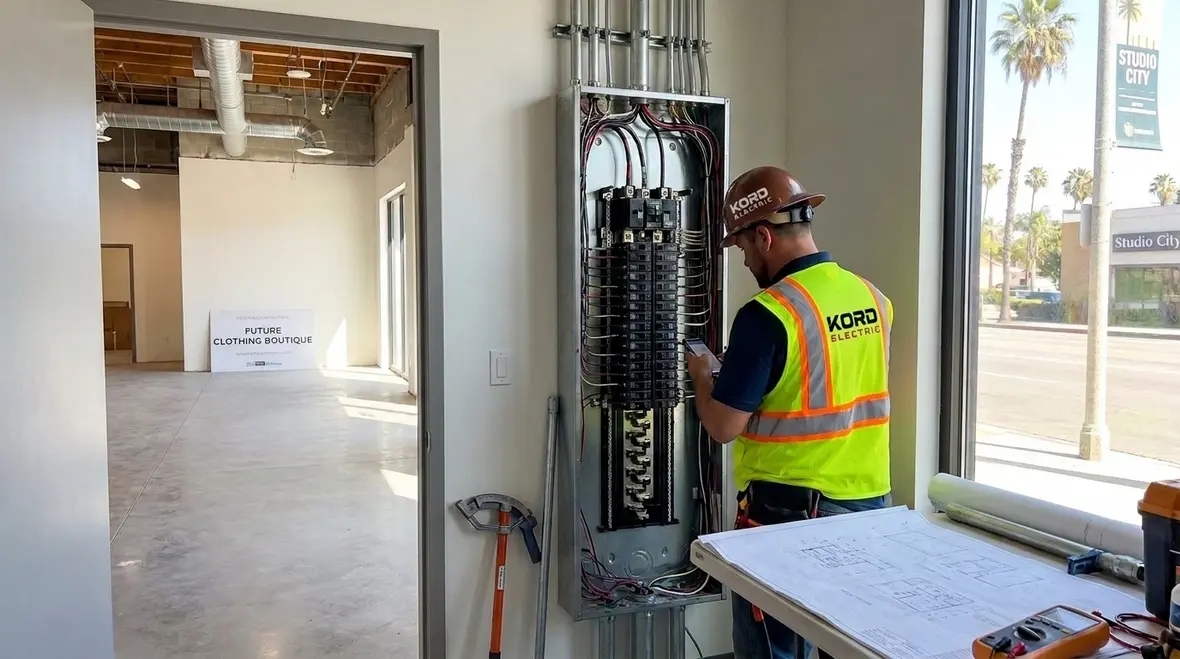
Retail Store Electrical Requirements California
When a business plans a new location in Studio City, retail store electrical requirements california can feel like a maze drawn by someone who never owned a cash register. Yet our team at Kord Electric helps owners and property managers move from uncertainty to confident planning. We guide major commercial and industrial facilities through the practical electrical needs that keep lights steady, payments reliable, and equipment safe. As we explain the process in plain language, our clients learn what to ask for, what to verify, and how to avoid delays that pop up when electrical work is treated like an afterthought. And yes, we will keep the humor light, because your electrical room is not a comedy club.
What electrical rules matter for retail projects in Studio City
Retail spaces in Studio City may look simple on the surface, but the electrical side runs deeper than most people expect. First, local codes and adopted standards require proper wiring methods, correct protection devices, and safe grounding. Then, electrical load calculations help us confirm that the service size and distribution system can handle real demand, not just the “it should be fine” feeling.
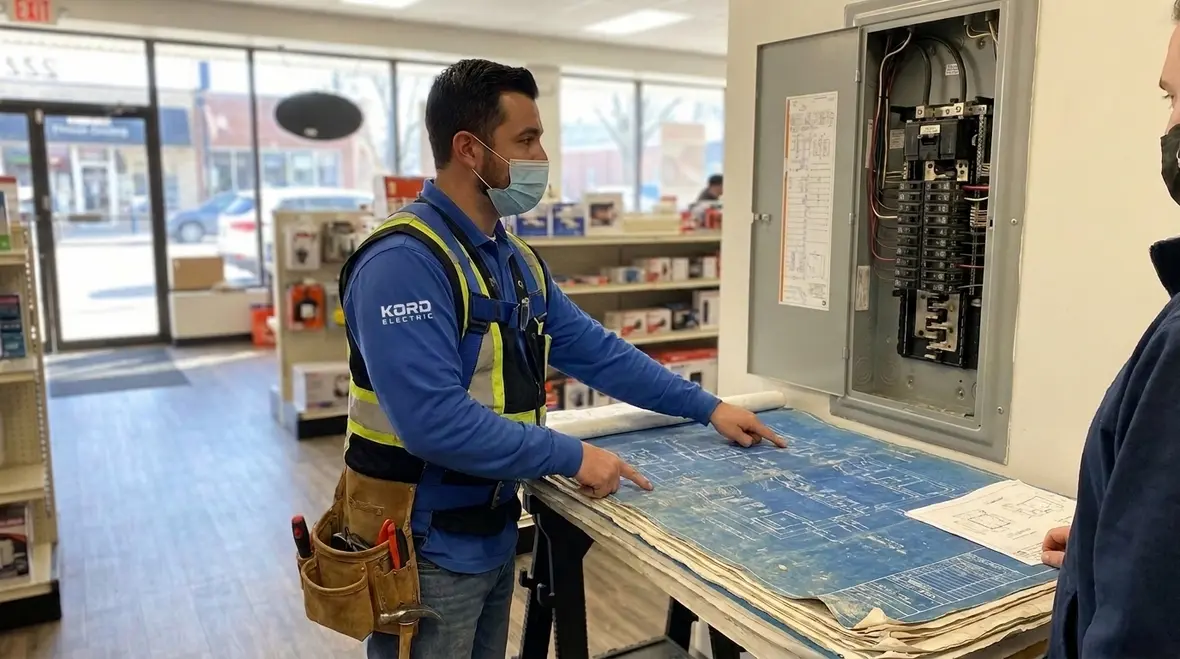
From there, inspectors focus on safety and reliability. Kord Electric plans systems that support continuous business operations, because shutdowns hurt more than most property owners realize. Also, we consider how retail environments behave: lights turn on and off all day, refrigeration cycles, checkout stations run constantly, and signage loads can increase during promotions. Therefore, our technicians and expert service staff work with owners to capture actual use patterns early.
Code compliance, not guesswork
Behind every retail tenant improvement permit, there is a clear expectation that electrical work will follow California Electrical Code, local amendments, and utility rules. That means respecting requirements for working clearances, proper conductor ratings, arc-fault and ground-fault protection where applicable, and emergency system behavior. We pull the right permits, coordinate with inspectors, and confirm documentation so the project does not stall over missing details.
When our team reviews retail store electrical requirements california for a new buildout or change of use, we treat code language as the starting point, not the entire story. We also think about how your particular store will function: whether you are running coolers all night, hosting frequent promotions with heavy signage, or preparing for high-traffic weekends that push everything harder. That blend of code plus operational reality is what keeps systems steady when the store is busiest.
How we plan service size, panels, and load calculations
To meet retail store electrical requirements california, we do not guess. We start by reviewing the building’s intended equipment and usage. Next, we confirm existing conditions if the site already has power. Then we calculate loads for lighting, HVAC support where applicable, refrigeration, plug loads, and specialty systems such as POS devices, networking, and security.
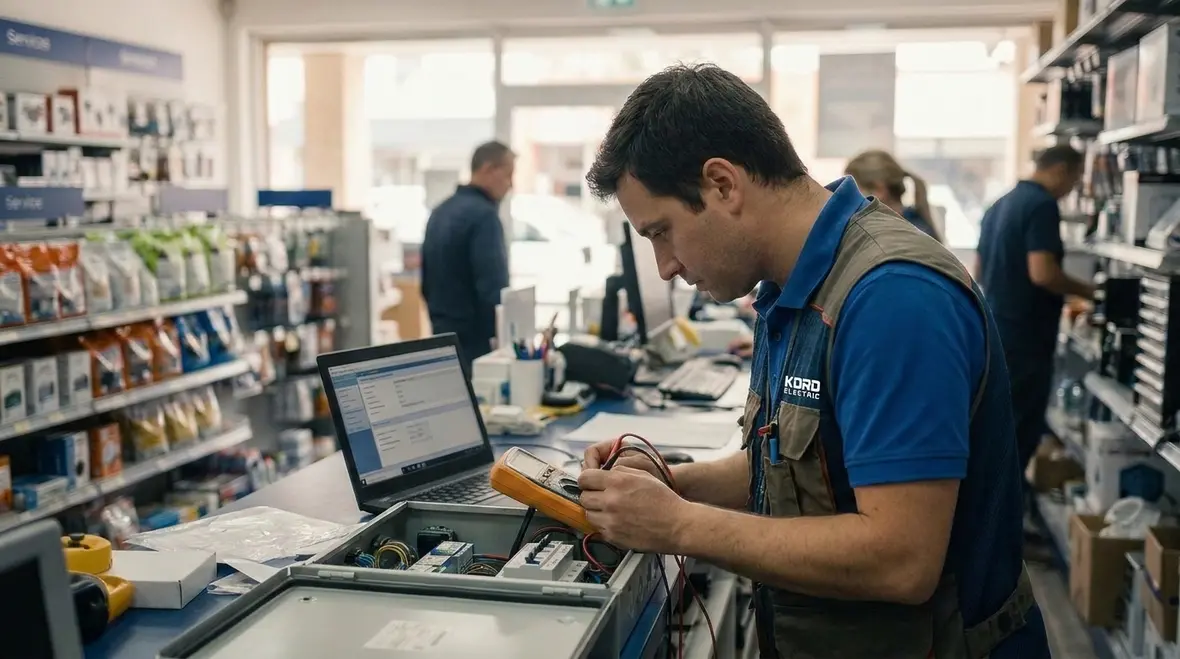
After that, we choose the right service and panel configuration. This matters because oversizing can cost money, while undersizing can cause nuisance tripping, voltage drop, and equipment stress. Moreover, the right panel layout improves troubleshooting during normal operations. In other words, when something goes wrong, we do not want your team hunting in the dark like it is an old video game.
Our approach also includes future growth. Many retail operators expand hours, add displays, or install new refrigeration. So, we design capacity and spare circuits where practical. As we do this, we help property managers avoid the expensive “retrofit later” cycle that tends to arrive right before a busy season.
Connecting service planning with broader facility goals
For multi-tenant centers and large facilities across Los Angeles County, service size and distribution decisions affect more than one storefront. When Kord Electric reviews a new Studio City retail buildout, we also look at how the panel, feeders, and branch circuits fit into the landlord’s long-term plan for that property. That might include future EV charging, upgraded exterior lighting, or additional tenants with heavier loads.
If your retail store sits inside a bigger complex with shared infrastructure, our team can align your tenant improvements with the owner’s broader Los Angeles County electrical services strategy so panels, switchgear, and preventive maintenance all work as one system instead of a patchwork of one-off fixes.
Wiring, grounding, and protection for safe everyday operation
Electrical safety is not optional, and we treat it like the foundation it is. Our technicians check wiring methods, conductor sizing, and termination quality. They also verify grounding and bonding so fault current has a clear path. As a result, protective devices can interrupt the circuit when something abnormal happens.
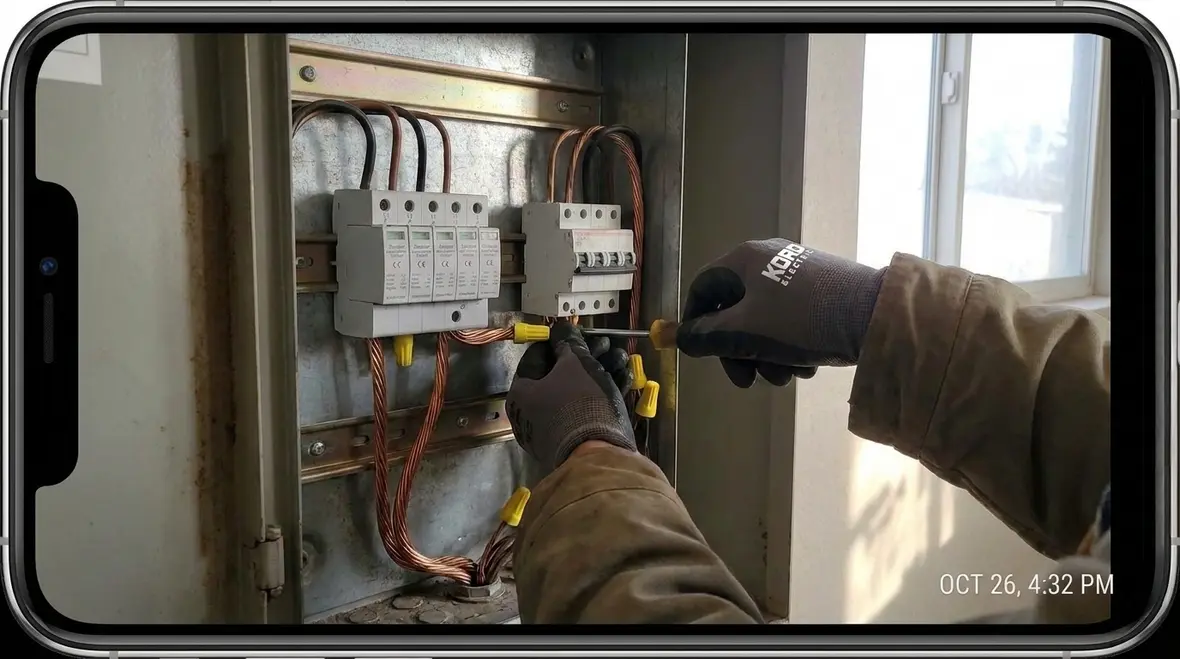
We also design selective protection where appropriate. That means the system can isolate the problem without knocking out the entire store. Therefore, a single issue with a display circuit should not take down the checkout lanes or emergency lighting if the design allows proper separation.
In addition, we plan for surge protection and proper circuit labeling. This helps service teams respond faster and reduces downtime. And yes, labels matter. Without them, even a seasoned technician can feel like they are reading a detective novel where the clues are written in invisible ink.
Grounding and bonding tuned for retail environments
In a typical California retail space, staff and customers constantly interact with metal shelving, refrigeration cases, point-of-sale equipment, and building finishes. Proper bonding of metallic systems and enclosures reduces touch voltage during faults and gives protective devices a fighting chance to do their job. When we evaluate retail store electrical requirements california for a new tenant, we review how existing raceways, panels, and equipment are bonded and upgrade where needed.
We also look at sensitive electronics. POS terminals, back-office computers, ticket kiosks, and security systems deserve protection from transient events. Carefully placed surge protection devices at panel and equipment level help reduce mysterious glitches and extend hardware life, which makes your IT provider and your accounting team equally happy.
Lighting, signage, and emergency systems that keep compliance simple
Lighting is often the first thing customers notice, but it also carries heavy electrical responsibility. We help owners select lighting layouts that support safe navigation, good visibility, and consistent coverage. Then we ensure controls and circuits match the building plan. If the store uses dimming, occupancy sensing, or staged lighting for different hours, our electrical design supports it without creating unstable performance.
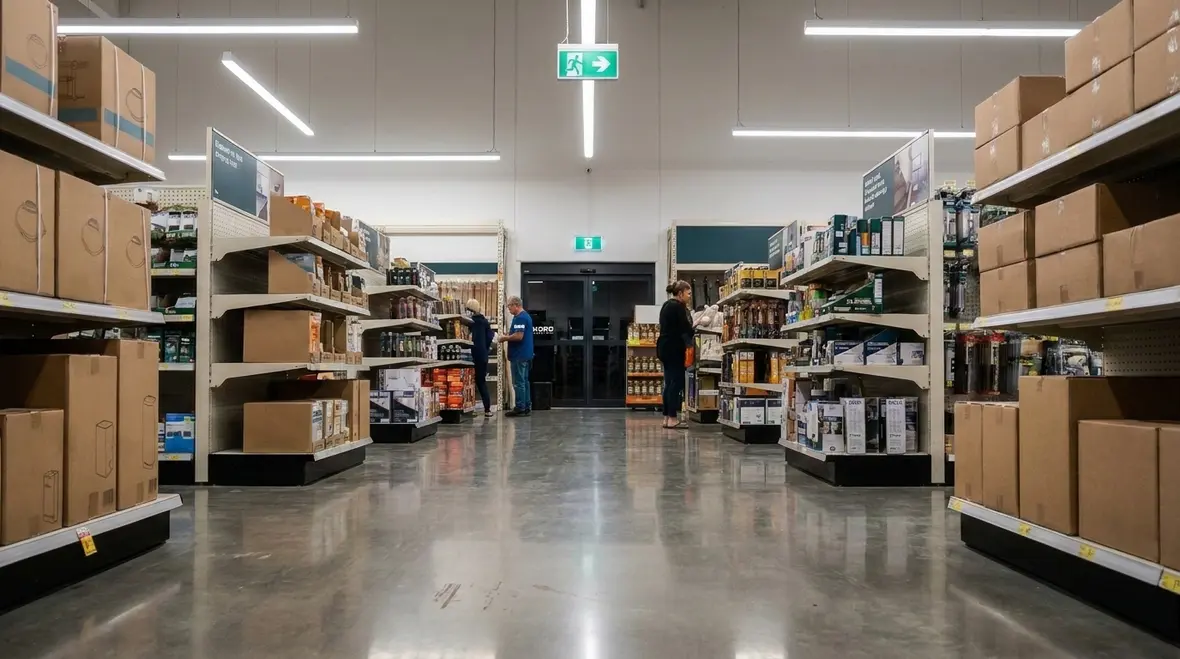
Signage requires its own planning too. Exit signs, exterior storefront lighting, and promotional displays may seem minor, yet they create continuous load and sometimes require dedicated circuits for reliability. For emergency lighting, we focus on code-driven requirements, proper placement, and correct power behavior during outages.
Additionally, we coordinate with the store’s operational needs. For example, we schedule work to reduce disruption during buildout and commissioning. Our team communicates milestones so store managers know when circuits will be active and when tests will occur. This pacing keeps the project calm, even if the schedule is not.
Designing lighting with energy and safety in mind
Modern California codes push toward efficient lighting, and many retail operators also care deeply about how a space feels. Our projects balance both. We help you position LED fixtures where they support merchandising and customer comfort without leaving dark spots in aisles, cash wraps, or exits. Emergency egress lighting and exit signs then layer on top, following code for minimum illumination levels and backup duration.
Because Kord Electric routinely designs large commercial and industrial systems across Southern California, we can fold your store’s lighting and emergency systems into a broader facility plan. That might include night-time parking lot lighting, common-area corridors, and exterior signs powered from central panels that also serve other tenants.
Service rooms, metering, and coordination with other trades
For major commercial and industrial buildings, the electrical system is only one piece of the puzzle. That is why we coordinate closely with general contractors, mechanical trades, and data and security installers. Electrical rooms often become busy zones during construction, so we verify clearances, layout, and access paths.
We also plan for metering and utility coordination. This can include design decisions that affect transformer placement, main service routing, and how the property owner or facility team monitors usage. Furthermore, we consider future meter upgrades when a property might scale operations later.
Our expert service staff then confirms commissioning steps. We test circuits, verify functionality, and document what we do. Therefore, the owner receives clear information for ongoing maintenance and faster repairs. In practice, this reduces long-term costs because people stop guessing.
Retail tenants inside larger Los Angeles County facilities
Many Studio City and Los Angeles County retail stores operate inside mixed-use projects, office towers, or multi-building campuses. In those settings, our work on one tenant’s panels, feeders, and equipment must align with house power, base-building systems, and common-area loads. Kord Electric’s broader Los Angeles County electrical services experience helps us coordinate with property managers so tenant improvements do not create surprises for other occupants.
If you manage a portfolio of properties, tying retail store electrical requirements california into a consistent specification across multiple locations can make future projects faster and inspections smoother. We can help you build that standard, document it, and apply it as new spaces come online.
What happens during inspections and how we keep projects on track
Inspections can stall a project if paperwork, labeling, or installation details do not match what was approved. We reduce that risk by building with clarity. Our technicians follow approved plans, verify installation quality at each step, and keep the documentation organized.
When it is time for inspections, we help the project team understand what inspectors look for. Then we address issues quickly if something needs adjustment. As a result, fewer days get lost to rework. This is also where communication matters. We explain findings in a way owners can understand, so decisions do not require a second meeting just to translate electrical jargon into human language.
Also, we keep safety first. That means clean work areas, correct lockout steps when needed, and safe verification before circuits energize. If someone says, “It is probably fine,” our technicians politely disagree, because “probably” is not a code requirement.
Keeping retail timelines and inspections aligned
Retail openings are often tied to marketing campaigns, staffing plans, and lease requirements. Every day of delay hurts. That is why we build inspection readiness into the schedule from the first walkthrough. We aim for clean, well-labeled panels, well-secured devices, and test results that demonstrate systems are behaving as designed. That approach gives inspectors confidence and helps you get to “approved” without unnecessary drama.
Our team also understands that many California landlords and corporate tenants have their own internal standards on top of local code. We review those early and fold them into our planning so the final walkthrough with your facilities group feels routine instead of a surprise audit.
FAQ for retail store electrical needs in California
Property teams and store managers tend to ask similar questions as they navigate retail store electrical requirements california. Here are a few of the most common ones, answered in plain language.
Ready for a safer, smoother buildout? Call Kord Electric
If your property team is planning a new retail buildout or upgrading power in Studio City, we make the electrical work clear, organized, and code ready. Kord Electric serves commercial and industrial facilities and major property buildings, with expert technicians who explain each step and answer questions without rushing. Let us review your load needs, panel plans, and safety requirements, then map a path that supports inspection success and reliable daily operation. Contact us today to schedule a consultation.
If your portfolio stretches across the region and you want one reliable partner for panels, tenant improvements, troubleshooting, and emergency response, explore how our dedicated Los Angeles County electrical services support retail stores alongside offices, industrial sites, and mixed-use properties under one coordinated plan.
Whether you are opening your first storefront or adding another location to a busy retail chain, Kord Electric is ready to help you move from “we hope this passes inspection” to “we know this system is built right.” We focus on clear communication, methodical work, and calm problem-solving so your team can focus on customers, not circuit breakers.
From emergency response for sudden outages to ongoing electrical preventive maintenance that keeps panels and equipment healthy, our team supports your store far beyond day one. When you are ready to build or upgrade a retail space anywhere in Studio City or greater Los Angeles County, bring us into the conversation early. We will help you interpret the fine print of retail store electrical requirements california and turn it into wiring, panels, and lighting that simply work.


