
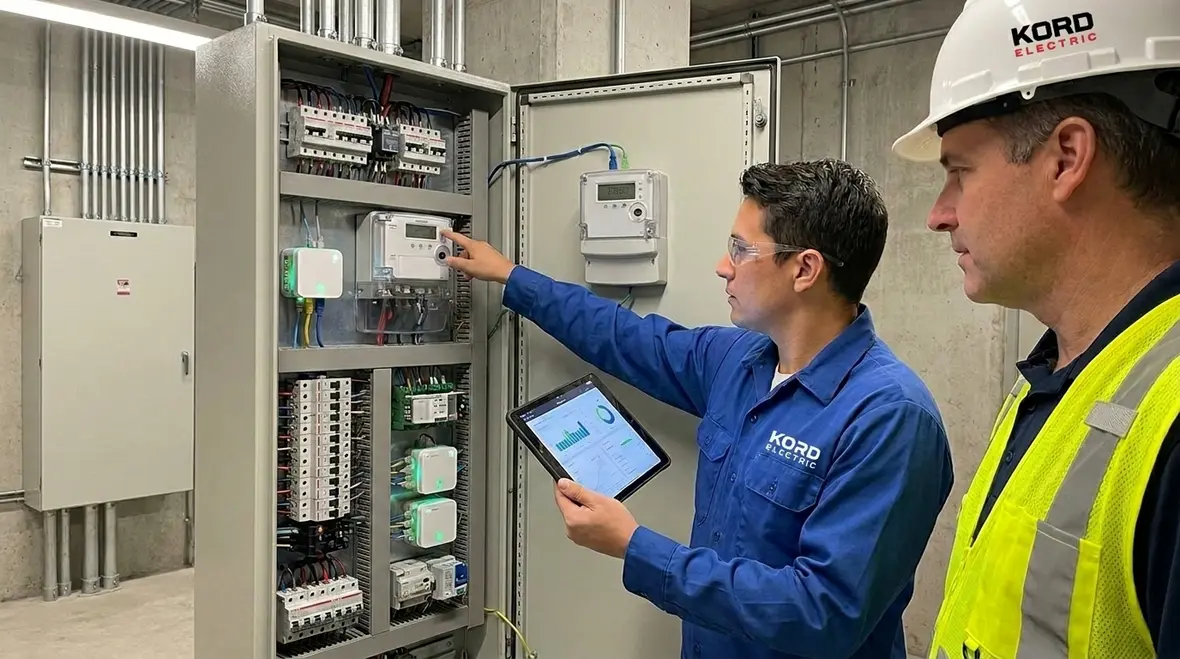
Smart Building Electrical Systems for Industry
At Kord Electric, we work with commercial and industrial facilities and major property buildings where uptime matters more than opinions. That is why we focus on Smart Building Electrical Systems that help teams see what is happening, prevent trouble before it spreads, and keep operations steady. Others may treat “smart” like a gadget you plug in and forget. We treat it like an upgrade to how your whole electrical system behaves. And yes, we still run the job with real electricians, not just app developers with a dream.
In the sections that follow, we explain how we integrate smart tech into industrial electrical systems, what it changes on day one, and how our expert service staff walks your team through the settings so nothing gets lost in translation.
Smart Technology, Real Control: A Practical Look for Commercial and Industrial Sites
Smart technology in industrial environments should not feel like a science experiment. It should feel like gaining real control over systems that used to operate on habit, guesswork, and late-night troubleshooting. When Smart Building Electrical Systems are designed correctly, they do more than send graphs to a screen. They give your team the right data at the right time so decisions become faster, safer, and easier to defend.
Instead of bolt-on gadgets, we treat smart integration as part of your electrical backbone. That means sensors, controls, and communication paths are selected, installed, and programmed with the same care as any industrial-grade upgrade. The result is a system that feels familiar to your maintenance staff, but delivers far better visibility than a traditional setup.
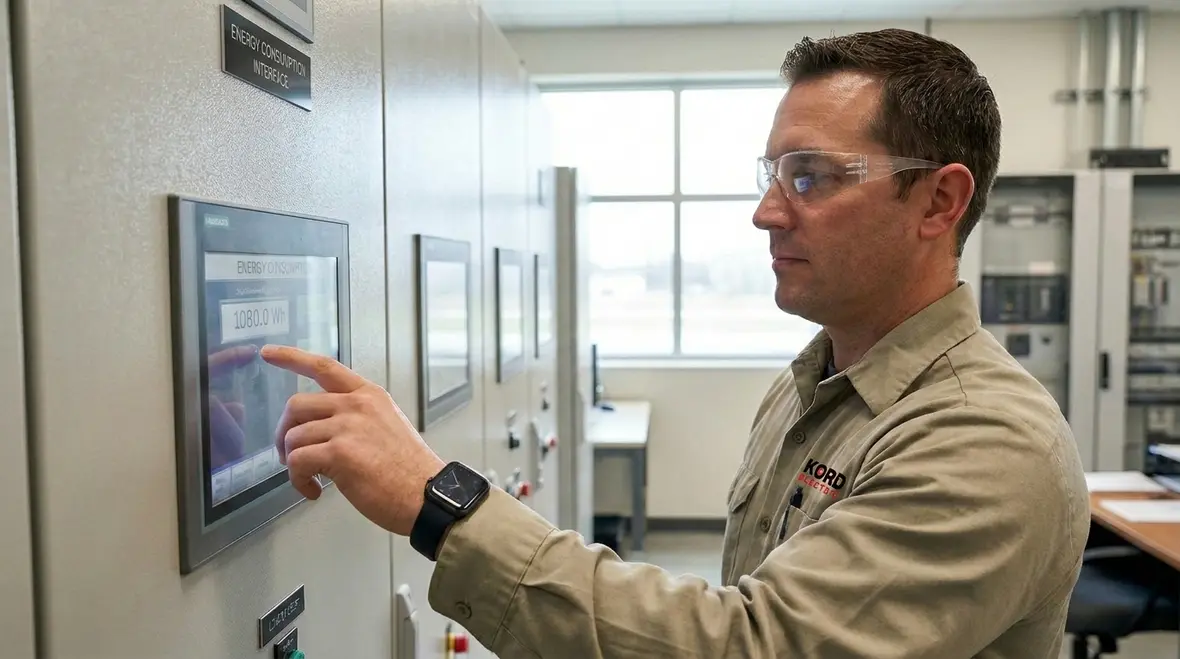
Our goal is not to turn your facility into a showroom for the latest buzzwords. Our goal is to keep production lines moving, tenants online, and safety systems performing in the background. Smart Building Electrical Systems simply give everyone a clearer view of how that happens, minute by minute.
Why Industrial Facilities Need Smart Electrical Integration
Industrial electrical systems do not fail quietly. One small issue can snowball into downtime, safety risks, and expensive repair delays. As a result, we design upgrades so the electrical side becomes easier to monitor, easier to plan, and easier to control during peak loads. Smart technology supports that goal by adding measurement, communication, and automation to equipment that used to operate mostly on guesswork.
First, we look at how power flows through your facility. Then we identify where signals can improve decisions. For example, we help install metering and monitoring so maintenance teams can spot unusual trends. This matters because electrical problems often show up as subtle changes before they become obvious.
Also, there is the human factor. When your staff can view clear electrical data, they spend less time hunting for answers. Meanwhile, our technicians and expert service staff explain the meaning of the readings in plain terms, so your people do not have to become part time electrical interpreters.
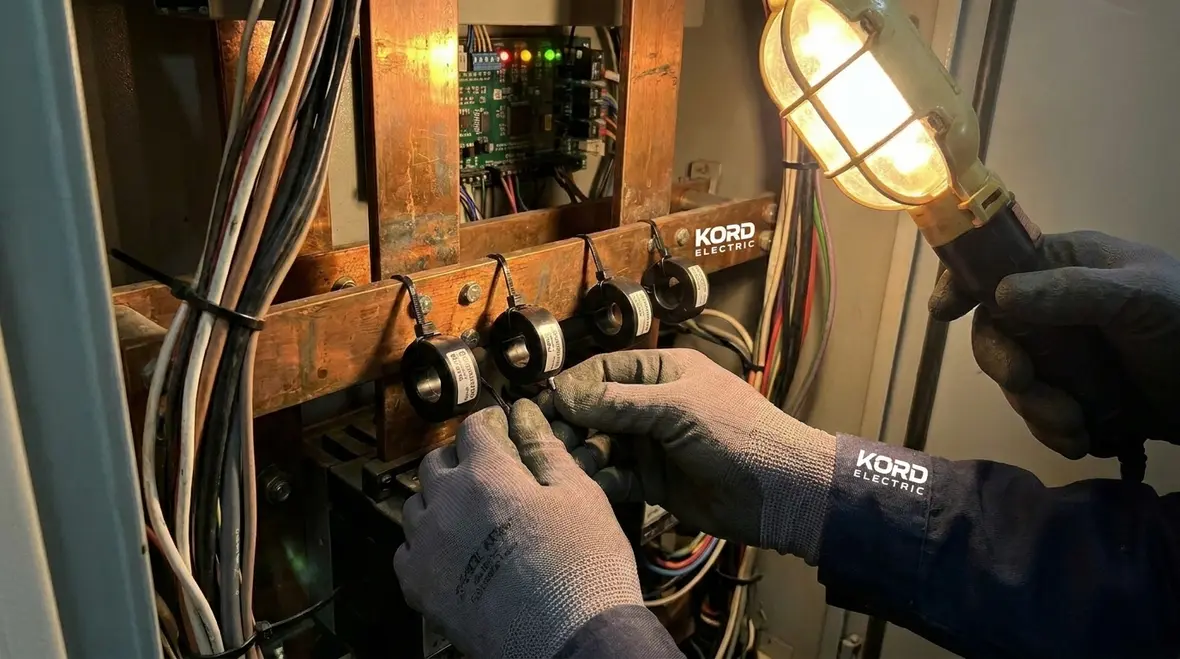
In many ways, Smart Building Electrical Systems turn your facility into a living data source. Instead of reacting to surprises, your teams see early warning signs in power quality, load imbalance, and equipment performance. For large properties and industrial plants, that difference shows up directly in uptime and repair budgets.
How We Plan the Upgrade From Sensors to Panels
When we integrate smart technology, we do not start by buying devices. We start with a careful plan that matches your facility layout, operating schedule, and safety standards. That approach keeps the project clean and reduces rework. In fact, most smooth smart upgrades follow the same pattern: assess, map, design, test, then deploy.
Next, we decide where sensing and automation will matter most. Many industrial sites benefit from monitoring at key panels, feeders, and distribution points because those locations reveal the health of the system. We also consider how your equipment starts and runs. Motors, drives, HVAC units, and process loads each create different electrical signatures.
After that, we map communication paths. Smart tech only works when data arrives on time and stays accurate. Therefore, we coordinate electrical work with network requirements and device compatibility. We make sure wiring, labeling, and enclosure practices support long term reliability, not just a short demo.
Finally, we program and configure the control logic. Our expert service staff takes time here because configuration mistakes can cause nuisance alarms or missed signals. We tune alerts so they support action, not chaos. If you have ever received an alarm that meant nothing, you already know the frustration. We avoid that.
This planning-first approach also makes future changes easier. When your facility adds equipment, expands a production line, or adjusts operating hours, that groundwork lets us update Smart Building Electrical Systems without tearing open every conduit run or rewriting every line of logic from scratch.
Smart Energy Monitoring That Improves Decisions
Smart energy monitoring can feel like watching your building breathe. You start seeing how loads rise and fall, and you catch patterns that were invisible before. More importantly, this monitoring gives operations teams practical information they can use for scheduling, load management, and maintenance planning.
For example, we track demand and power quality signals. When power factor drifts or harmonics increase, we can often connect it to equipment conditions and system behavior. Then we help your team plan corrective action before it becomes a bigger problem. In the end, the goal is fewer surprises and better control.
Furthermore, smart systems can support demand response strategies when your utility programs allow it. This helps facilities avoid high cost periods without sacrificing operations. We also support power monitoring that supports compliance needs, because commercial and industrial facilities often have reporting requirements tied to energy use and system performance.
In practice, this means your team can answer questions in minutes that used to take days of manual checks. Which production line is driving yesterday’s demand spike? Why did a particular feeder see poor power quality last week? Smart Building Electrical Systems give you the data trail to match real-world events with electrical behavior.
Connecting Monitoring With Preventive Maintenance
Smart monitoring also pairs naturally with structured programs like electrical preventive maintenance for commercial and industrial facilities. Instead of waiting for failure, your maintenance team uses live and trended data to target inspections, tighten connections, and replace stressed components on a planned schedule.
Over time, this combination of Smart Building Electrical Systems and preventive maintenance turns your electrical infrastructure from a source of anxiety into an asset that quietly supports growth.
Cyber Safety and Electrical Safety Should Work Together
Smart technology adds connectivity, and connectivity adds responsibility. We treat cyber safety and electrical safety as one project, not two separate checklists. So, while a facility gains smarter visibility, it should also gain safer access controls, proper segmentation, and secure device configuration.
Our technicians and expert service staff help install systems so they do not create weak links. We encourage changes like limiting access, using strong authentication, and keeping device firmware updated through a managed process. We also help ensure that critical electrical functions do not depend on risky communication paths.
In addition, we document configuration steps and wiring clearly. That documentation matters during troubleshooting and during future expansions. It also helps new staff understand the system without guessing. And yes, guessing in electrical panels is like playing darts in the dark. You might hit something, but nobody likes the odds.
Designing Smart Systems With NEC and Industry Standards in Mind
We align smart layouts and device choices with modern code requirements and guidance similar to what is outlined in resources such as the National Electrical Code. Instead of tacking on connectivity later, we treat safe communication paths, grounding practices, and protective devices as part of the same Smart Building Electrical Systems design conversation.
Budgeting the Integration: What It Can Cost and How We Manage It
Costs vary by scope, equipment, and how much of the existing system we need to modify. However, we help our clients plan by breaking the work into phases: assessment, design, wiring and devices, commissioning, and training. This keeps spending aligned with measurable outcomes and reduces surprises.
While exact figures depend on site conditions, we often recommend early work that reduces long term waste, like proper labeling, sensor placement, and panel readiness. And since rewiring affects project cost, we reference our guidance on rewiring cost factors for commercial electrical systems when teams are deciding how much replacement or modification is needed. Even though your project may be industrial, the same budgeting logic applies: access, panel condition, and the amount of new conductors influence labor time and material use.
So, if your panels are older and crowded, we may plan more structured upgrades. If your infrastructure is relatively ready, we focus on adding smart components with minimal disruption. Either way, we coordinate schedules to reduce downtime and keep production steady.
Smart Investment for Facilities Across Los Angeles County
For facilities operating in and around Los Angeles, smart integration often pairs naturally with regional support such as Los Angeles County electrical services that understand local infrastructure, code requirements, and industrial load profiles. This regional knowledge helps keep both budgets and timelines realistic.
Training and Support: We Explain It Like Real People
Here is what separates a good smart upgrade from a forgotten one. Your team must understand what the system shows and what actions to take when signals appear. That is where our expert service staff earns its reputation. We do not hand over a dashboard and vanish.
We train facility managers, maintenance leads, and operations staff based on how they actually work. That means we explain alarms in context, not in vague technical language. Then we show how to use the data for daily tasks, planned maintenance, and troubleshooting.
Also, we build a support plan that fits your facility. Commercial and industrial environments need responsiveness. If the system flags an abnormal reading, your staff should know the next steps. Meanwhile, our technicians help refine alert thresholds once the system learns normal behavior.
One joke we share with clients is that a smart system without training is just an expensive flashlight. It looks cool, but it does not solve the problem. We prefer solutions that do both.
Keeping Smart Building Electrical Systems Useful Over Time
After initial training, we stay available to adjust dashboards, reorganize alarm priorities, and align system behavior with real-world workflow. As your facility evolves, we help you keep Smart Building Electrical Systems aligned with new processes, new equipment, and new teams, so the technology stays useful instead of becoming background noise.
Taking the Next Step With Kord Electric
Smart technology should make your industrial electrical system calmer, clearer, and easier to run. At Kord Electric, we integrate Smart Building Electrical Systems through smart planning, safe installation, and real training from our expert service staff. If you want fewer surprises, better power visibility, and a system your team can actually use, contact us for a site evaluation. We will map a practical path forward and keep your facility moving with confidence.
Whether you are troubleshooting recurring issues, planning a major expansion, or simply tired of guessing what is happening inside your panels, our commercial and industrial services are built to support long term reliability. From smart monitoring and controls to emergency response and preventive maintenance, we help facilities move from reactive fixes to predictable, data-driven decisions.
If your facility operates across Los Angeles County or the surrounding region, our dedicated service offerings provide a direct line to technicians who understand local infrastructure and industrial timelines. Pairing Smart Building Electrical Systems with the right support means your team gains both modern tools and real people to back them up when it matters most.


