Solar Infrastructure Lighting Electrical Compliance for Facilities
Solar Infrastructure Lighting & Electrical Compliance: What Facilities Need to Know
For commercial and industrial facilities, solar power does not just mean panels. It means you add new electrical paths, new outdoor hardware, and new lighting needs around the site. At Kord Electric, we handle Solar Infrastructure Lighting & Electrical Compliance with the care it deserves, because the right setup protects people, keeps your system stable, and helps your project meet code expectations. In other words, we keep your solar lighting from turning into a “blink and pray” situation.
Our approach stays calm and exact. We rely on our expert service technicians to explain the why behind each requirement, not just the what. Then we connect those details to real-world site layouts, safety practices, and inspection readiness. If your facility manages solar and outdoor lighting, this guide gives you a clear path forward.
Start with site lighting goals that match the solar build
First, we help facilities define why they need lighting in the solar area. For major property buildings, outdoor lighting usually supports safe movement for staff and contractors, visibility for security teams, and safe operations during maintenance. Then, we line those goals up with the solar infrastructure plan. Because if you place lighting without considering cable routing, conduit limits, and panel placement, you create delays. And delays cost money, the boring kind of money that executives always notice.
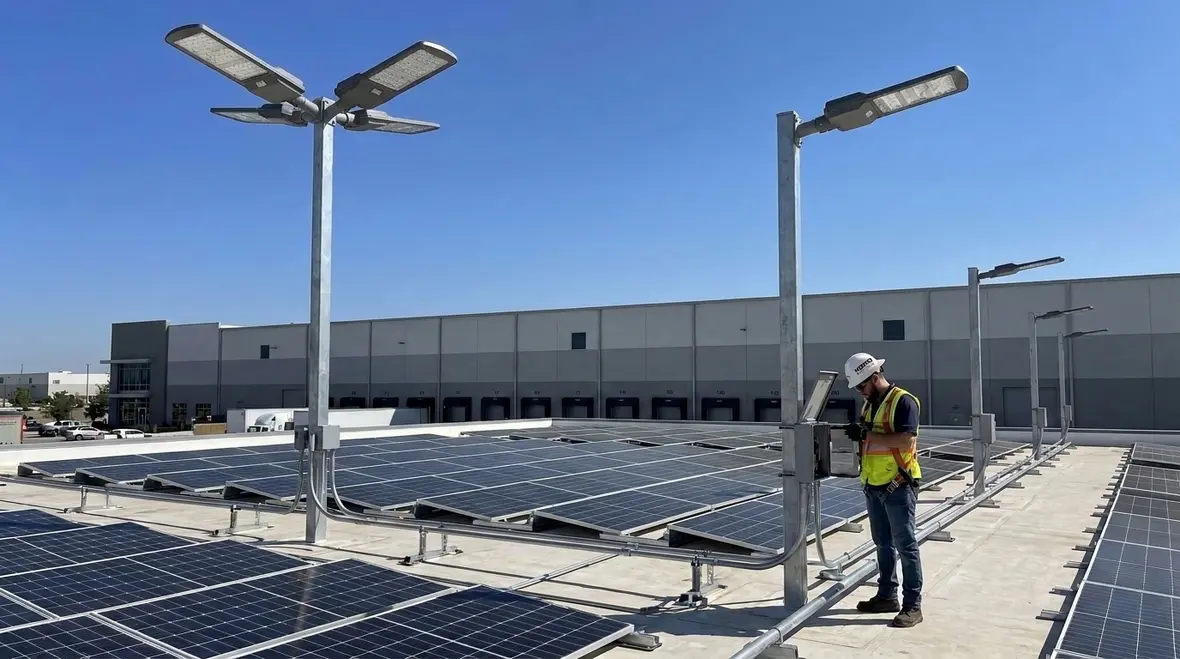
Next, our technicians review how the site functions day to day. We look at pedestrian routes, vehicle paths, gates, parking edges, loading zones, and any areas where workers service inverters, combiner boxes, or rapid shutdown equipment. After that, we map where light fixtures go so the layout reduces shadows and glare. In solar yards, glare can distract drivers and create safety concerns. So we plan for proper mounting height, fixture aiming, and shielding where needed.
To keep the design buildable, we also coordinate the lighting plan with the electrical one. In many projects, lighting shares space with PV array raceways, service conductors, grounding systems, and outdoor disconnects. That means lighting cannot be treated like an afterthought. It must fit the electrical system from day one.
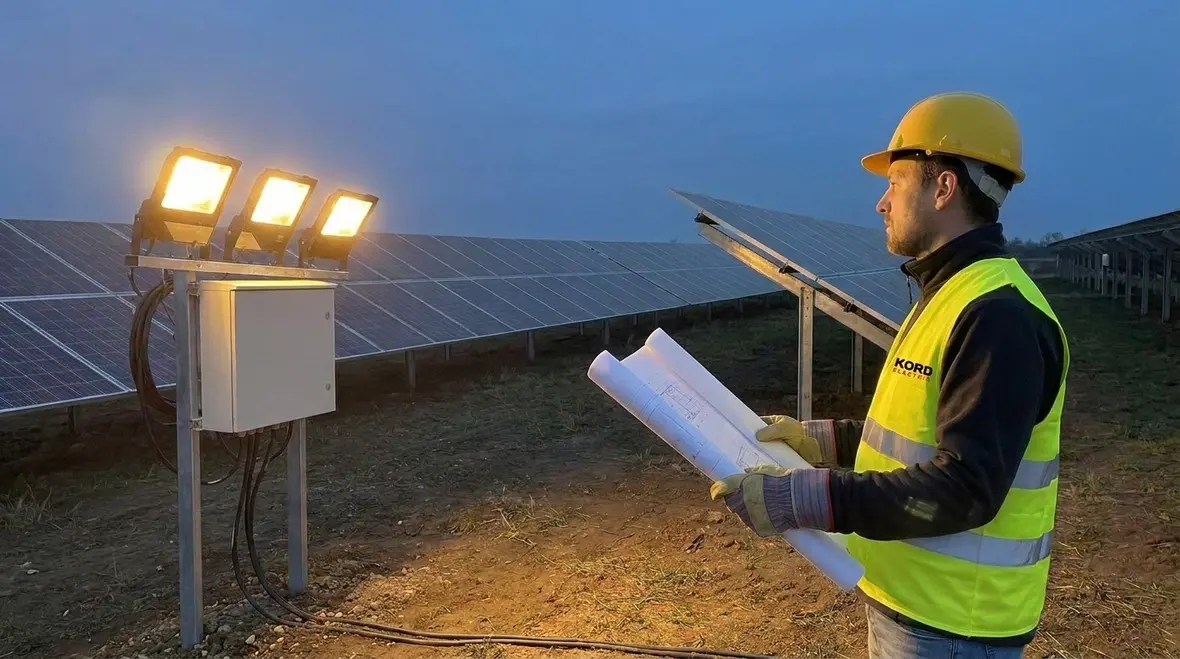
These early planning steps also connect directly to broader solar work. When facilities look at resources like Kord Electric’s Commercial Solar Panel Electrical Integration Guide, they can see how lighting placement, conduit space, and panel capacity link together instead of living as separate conversations.
Why compliance does not start at inspection day
People sometimes treat code compliance like a final exam they can cram for. That is a fun story for movies, but it does not work in the real world. At Kord Electric, we set compliance up from the start. We do this by aligning the lighting and electrical work with accepted code principles and site safety needs.
We begin with a review of the solar electrical scope and the related lighting circuits. Then we focus on the details that inspectors look for: correct wiring methods, proper disconnects, grounding and bonding integrity, weatherproofing, and the way outdoor equipment gets supported and protected. Because outdoor solar sites face sun, heat, moisture, wind, and vibration. If a component handles those conditions poorly, it can fail early, and then you have a safety and uptime issue.
Our expert service staff also explains the common failure points we see. For example, lighting fixtures sometimes get installed without matching the conduit routing plan, or they get fed from a circuit that does not align with the rest of the distribution design. Similarly, some sites install fixtures but skip a full check of grounding paths. So when a fault happens, the system does not respond as intended. We prevent that by verifying details before installation finishes.

Because commercial and industrial facilities already juggle inspections for power distribution, life safety systems, and general electrical work, we build solar lighting compliance into that same rhythm. That means documentation, labeling, and test methods line up with the rest of your inspection program instead of feeling like a separate mini-project every time an inspector visits.
Electrical code basics for solar lighting and power distribution
Now let us get practical. Solar infrastructure lighting usually connects to a power distribution system that includes outdoor enclosures, conduit runs, and protective devices. Therefore, the lighting must connect correctly and safely into that network. Our team treats the lighting circuits as real electrical loads, not just “extra wiring.”
We pay close attention to three themes: wiring method, protection, and grounding.
Wiring method: We select conduit and cable types that suit outdoor conditions and mechanical stress. Then we ensure the routing supports protection and access for future service.
Protection: We confirm proper overcurrent protection and correct device placement for outdoor components. We also ensure that protective devices match the lighting load design and comply with site rules.
Grounding and bonding: We verify that exposed metal parts and system equipment bond to the grounding scheme. This step matters because it supports safe fault clearing and helps control shock risk.
To add clarity, our technicians often explain it like this: if the electrical system is a city, grounding is the emergency road network. It does not help with day to day driving, but when trouble hits, it helps keep people safe. And yes, inspectors like that analogy too, even if they do not say so out loud.
We also coordinate the lighting controls with the electrical design. Photocells, timers, and motion sensors should not create nuisance trips or wiring errors. Additionally, any control devices mounted outdoors must handle weather exposure. We keep that in mind when we plan conduit size, sealing requirements, and enclosure selection.
For facilities in regions with heavier energy code expectations, pairing lighting control strategy with broader upgrades can simplify the work. When teams review commercial planning tools like Kord Electric’s warehouse energy saving and solar integration resources, it becomes easier to see how lighting, controls, and solar power can support the same compliance story instead of three different ones.
Planning conduit, routing, and fixture placement like professionals
Next, we focus on how you build the physical layout. Solar sites include multiple equipment clusters: PV arrays, inverters, string equipment, combiner cabinets, rapid shutdown devices, junction boxes, and now lighting fixtures. Consequently, routing must avoid interference and preserve service access.
At Kord Electric, we plan routes to reduce future headaches. We align conduit paths with structural members and keep distance from areas that face high heat or frequent maintenance access. We also ensure that bends, spacing, and support methods fit outdoor requirements. In the field, a small routing mistake becomes a big fix during commissioning, because a crew has to stop, rework, and reroute cables to comply with safe practices.
Fixture placement matters too. Proper spacing and aiming reduce dark zones where security staff or maintenance workers cannot see. Meanwhile, reduced glare supports safe driving and helps avoid complaints from neighbors or on-site tenants. For major property buildings, we also consider emergency response needs, so light remains effective during power events and normal operating conditions as intended.
Finally, we think about how the lighting ties into the solar infrastructure. Cable entry into enclosures must follow correct methods, and fixtures must mount securely. We verify that each connection stays weatherproof and stress resistant. That way, your lighting does not just look correct during install, it stays correct in the real world.
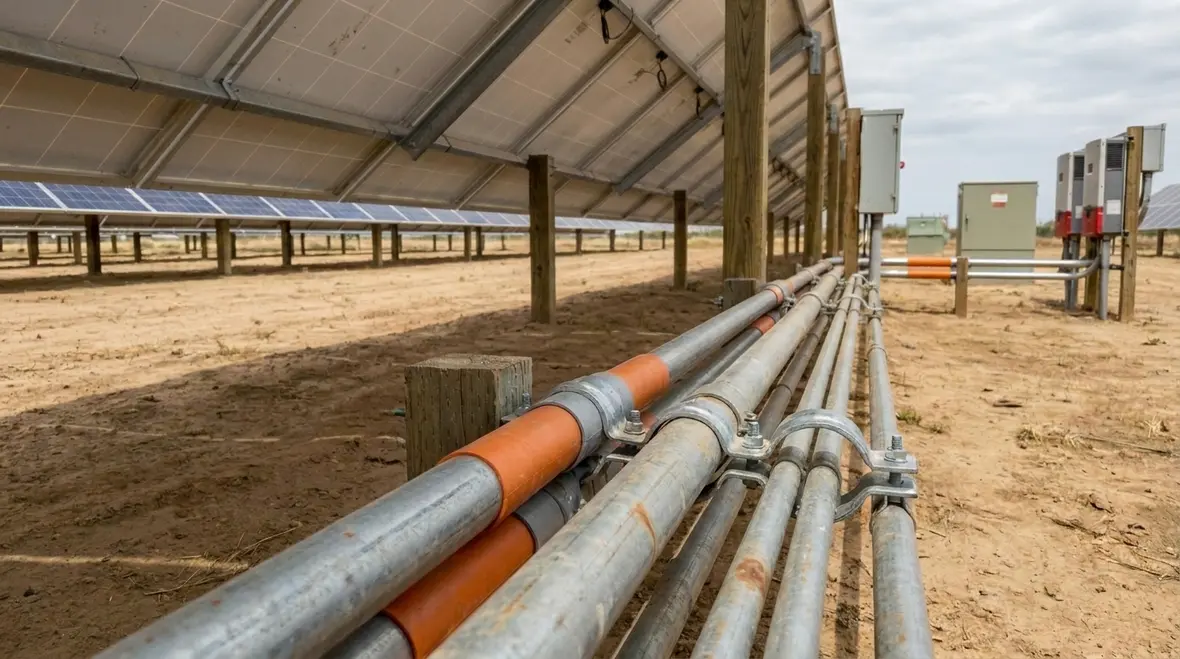
When these routing decisions connect back to broader electrical work—like panel capacity checks or commercial solar integration planning—you avoid surprises later. Instead of discovering during a future expansion that your conduit space or pole layout blocks new runs, you already have a map that keeps lighting, solar raceways, and new feeders out of each other’s way.
Managing inspection readiness and documentation
Even if your work looks solid, inspection readiness depends on how clearly the site shows compliance. So, we help facilities prepare documentation and test records that align with the project scope. Our technicians and service staff coordinate so the paperwork matches what is installed in the field.
We focus on details that reduce back-and-forth. For example, we ensure labeling exists where required and that circuit identification supports troubleshooting. We also confirm that equipment ratings match their use environment. Outdoor components should match weather exposure needs and should not be “close enough” for the spreadsheet.
Because solar builds involve many trades, we also support coordination across the project team. We make sure lighting electrical work does not conflict with structural work or PV array layouts. Then we verify that the lighting circuit paths match the approved plan set. If something must change due to site conditions, we help manage that change in a controlled way so compliance stays intact.
On many projects, facilities ask about what can slow an inspection. The answer usually ties back to small items: missing labels, unclear circuit mapping, improper enclosure selection, or grounding uncertainty. We prevent those issues by checking early, not late. In short, we treat inspection like a team sport, not a solo act.
For teams operating in Los Angeles County and similar jurisdictions, connecting this inspection mindset with resources such as Kord Electric’s electrical load capacity and solar integration guides helps unify the picture. It becomes easier to show that your Solar Infrastructure Lighting & Electrical Compliance plan supports the same safe, stable infrastructure story that appears in your panels, feeders, and emergency systems.
Service and maintenance for long term electrical lighting safety
Solar infrastructure lighting does not remain perfect forever, and that is normal. Weather, vibration, and routine site activity can impact fixtures, connections, and controls. Therefore, a real compliance program includes maintenance planning, not just installation.
Our expert service staff supports facilities with ongoing checks. We inspect connections, verify visible signs of damage, and confirm that fixtures maintain safe operation. We also check controls, because sensors and timers can drift from their intended settings over time. When lighting performance drops, safety drops with it. Nobody wants a “low light” problem in an area where workers must move confidently.
We also advise facilities to track changes. If you adjust PV array positions, add equipment, or modify site traffic patterns, lighting needs to be rechecked. Otherwise, a solution that worked during construction may become misaligned during operations. Kord Electric helps you keep the system steady through changes, so compliance does not turn into a recurring fire drill.
In practice, the most effective programs tie lighting maintenance to broader electrical service work. When your team schedules inspections, testing, or preventive maintenance on panels and feeders, you can fold outdoor solar lighting checks into the same visit, keeping Solar Infrastructure Lighting & Electrical Compliance from becoming a forgotten line item on a crowded calendar.
FAQ for Solar Infrastructure Lighting and electrical compliance
Partner with Kord Electric for confident solar lighting delivery
If you manage a commercial or industrial facility with solar infrastructure, you need lighting that works and compliance that holds up. Kord Electric brings expert technicians, disciplined planning, and clear documentation to the whole process, from conduit routing to inspection readiness and long term maintenance. We explain the decisions in plain business terms, so your team knows what is happening and why it matters. Contact us today and let us build a solar lighting plan that stays safe, stable, and inspection ready.
For facilities in and around Los Angeles County, that support can also include broader work on load capacity, panel condition, and integration planning. When you connect Solar Infrastructure Lighting & Electrical Compliance to services like Los Angeles County commercial electrical services, you get a single team guiding solar, lighting, and core electrical infrastructure so each upgrade pulls in the same safe, future-ready direction.
Whether you are coordinating new arrays, revisiting existing lighting that has “just worked” for years, or building a roadmap that includes future solar integration and capacity changes, Kord Electric is ready to help your facility move from guesswork to calm, documented control over every circuit that serves your solar infrastructure lighting.