Strategic Commercial Subpanel Load Management Guide
Strategic Commercial Subpanel Load Management for Real World Growth
When a commercial building grows, its electrical system has to grow with it. At Kord Electric, we plan commercial subpanel load management for expanding commercial electrical subpanels so the power stays steady, the equipment stays safe, and operations stay online. We do this before problems show up, not after. And yes, we still get called once someone hears a buzzing panel sound like a horror movie soundtrack. We prefer the quiet approach.
In this guide, our team explains how others can manage new circuits, lighting, HVAC loads, motors, and future expansions in a controlled way. We use clear steps, we review real electrical data, and our technicians walk clients through the why, not just the what. That means fewer surprises, fewer shutdowns, and more predictable budgets.
Why Load Planning Prevents Expensive Surprises
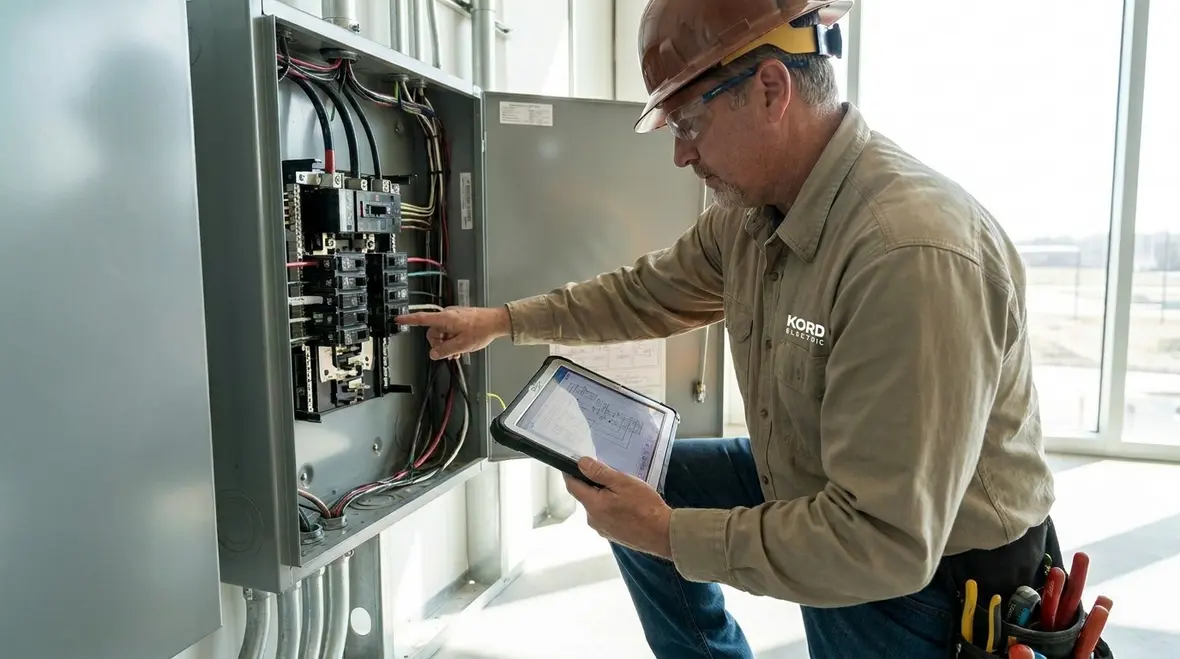
In commercial and industrial facilities, electrical demand rarely stays still. However, panels often get treated like storage cabinets: they fill up, and then someone looks at the back and says, “How did this happen?”
Strategic load planning matters because a subpanel that looks fine today can become overloaded after tenant improvements, seasonal spikes, or equipment upgrades. Loads interact. For example, HVAC compressors and motor loads draw current in patterns that can stress breakers and busbars. Meanwhile, lighting upgrades can shift the load profile, and new processes can add steady power consumption that accumulates over time.
Therefore, our approach starts with understanding what the building actually uses. Then we build a load forecast that respects time, diversity, and operating schedules. Next, we align that forecast to panel sizing, conductor sizing, breaker ratings, and grounding and bonding requirements. When our technicians explain the process, clients see the logic in plain terms, like a weather report for electricity.
For facility teams that want a deeper dive into how careful planning links to long term reliability, our insights on hidden electrical risks in commercial buildings connect the dots between unseen problems and the kind of subpanel planning that avoids them.
How We Assess Existing Panels and Future Demand
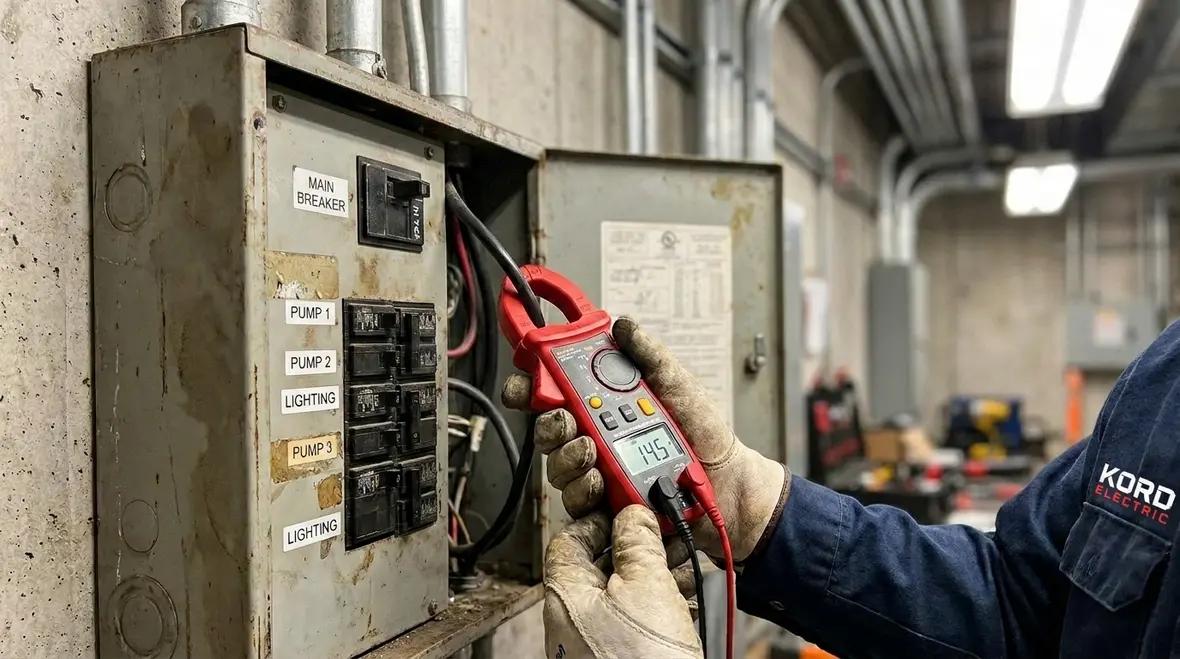
Before we recommend any changes, we assess the existing system with a disciplined method. First, our expert service staff gathers panel schedules, one line drawings, breaker counts, and equipment nameplate data. Then we review actual operating loads, when available, along with historical bills and typical duty cycles for the facility.
Next, we consider growth scenarios. We ask what changes are likely in the next 1 to 3 years, such as new offices, additional production equipment, expanded warehousing, or new charging stations for a fleet. We do not guess. We translate plans into electrical impacts, then we map those impacts back to the panel.
At this stage, we also check for common design gaps in commercial electrical subpanel setups, like mismatched breaker sizes, loose coordination settings, and confusing labeling. And yes, we have seen panels where the directory reads like a grocery list from a different decade. We fix that too, because electricians should not have to decode mystery meat wiring.
When those assessments reveal that age, patchwork upgrades, or limited capacity have begun to slow down a facility’s growth, our recommendations often connect naturally to broader projects described in our rewiring cost guide for commercial electrical systems, especially for sites planning large scale expansion or modernization.
Designing a Safe Path: Diversity, Scheduling, and Capacity
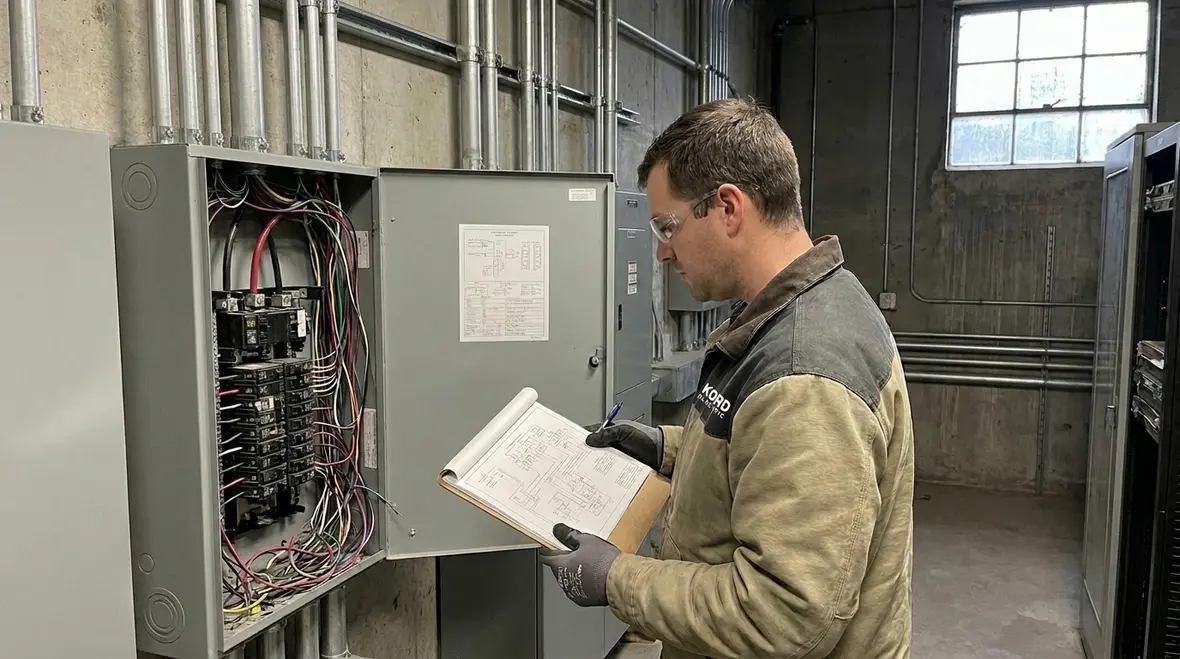
Many people assume “more circuits equals more capacity,” but commercial power does not work like that. Instead, our method uses capacity in a smart way. We apply diversity, meaning not every load peaks at the same time. For example, one tenant’s peak lighting load may not align with another’s HVAC peak. We also consider scheduling, such as production shifts and after hours operation.
Then we plan the subpanel layout so loads are grouped logically. We recommend circuit allocation that supports future expansion without forcing major rewiring. We also balance phases to reduce uneven loading and to keep power quality stable.
As our technicians explain, good load planning also improves breaker coordination. So, if something goes wrong, the right device trips quickly, and the rest of the facility keeps running. That is not just safety, it is business continuity. And when a plant stays online, nobody celebrates the breaker that failed late. They celebrate the one that failed correctly.
In facilities where lighting and HVAC represent a major share of panel demand, subpanel planning often pairs well with focused upgrades like recessed lighting installation, which can tighten up energy usage while improving visibility and comfort.
Upgrades That Work: Metering, Conductor Choices, and Coordination
After we verify capacity, we plan upgrades with practical details. Our team commonly addresses three areas: metering and visibility, conductor and termination quality, and protective device coordination.
First, we improve visibility so stakeholders can track consumption by area or by equipment type. That might include sub metering on key feeders or targeted monitoring for high impact loads. When clients can see load behavior, they can schedule shifts and manage demand more accurately.
Second, we select conductors and lugs that match the load and meet code requirements for temperature rise and termination integrity. Small shortcuts here can create heat buildup, which is the electrical equivalent of leaving a car running with the hood open. It might start fine, but it is not a plan that lasts.
Third, we coordinate protection devices so short circuit and overload conditions clear in the intended order. We also confirm grounding and bonding practices, because a solid reference point for fault currents helps protection work the way the design intends. Our expert service staff takes the time to explain these decisions, so facility managers understand that “it works” is not enough. We show why it works.
These choices do not exist in a vacuum. For many organizations, subpanel upgrades form part of a larger reliability plan that includes structured electrical preventive maintenance and, when necessary, carefully coordinated EV charger installations that place new high demand loads on the system without overextending panels or feeders.
Using Monitoring and Demand Management After the Install
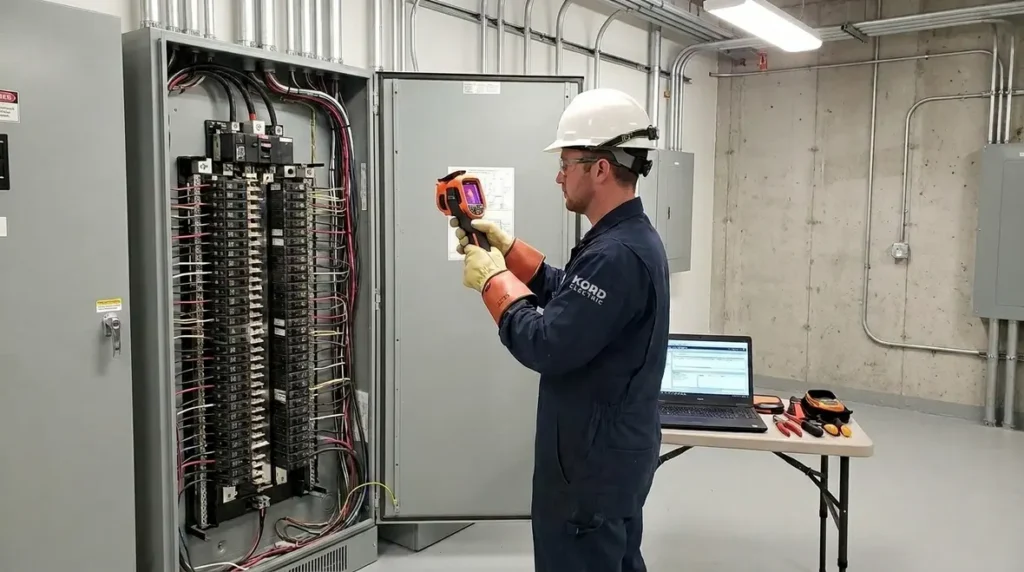
Commercial subpanel load management does not end when we mount a new panel or label a breaker. We keep performance stable by using monitoring and operational discipline. Therefore, we recommend a routine review process: load trends, temperature checks when applicable, and periodic verification of labeling, as-builts, and breaker schedules.
Monitoring helps detect slow drift. For instance, a facility may add equipment gradually, and the load increase stays within limits for a while. Yet over time, the subpanel approaches a ceiling and minor issues become major problems. With visibility, a manager can plan upgrades during scheduled downtime rather than during an outage.
We also advise on how to manage operating patterns. For example, staggering start times for large motors can reduce peak current stress. Aligning HVAC setpoints with real occupancy schedules reduces spikes. And when building teams coordinate with our technicians, they can plan change without turning every project into a surprise electrical audit.
In short, we help others keep their power systems stable as the building keeps moving. That calm, steady operation is the point, and it is a lot easier than chasing issues after the fact. We do not want your electrical room to become the building’s emergency contact.
For properties that need both day to day stability and fast response when something unexpected does happen, many clients pair this kind of commercial subpanel load management with broader commercial and industrial electrical maintenance plans and dedicated support for emergency power failures in commercial buildings.
FAQ
Final Thoughts From Kord Electric
Growth should feel exciting, not electrical. Kord Electric helps commercial and industrial facilities plan commercial subpanel load management so panels stay within safe limits, protection works correctly, and future upgrades do not force costly rewiring. Our technicians and expert service staff review real data, build a load forecast, and explain every step so your team can act with confidence. If your building is adding equipment, expanding space, or nearing capacity, contact us for an assessment and a clear plan forward.
If you are formalizing a long term reliability strategy, consider pairing your subpanel planning with Kord Electric’s dedicated electrical preventive maintenance services. These programs help keep panels, switchgear, commercial subpanels, and distribution equipment aligned with your real operating conditions, so every future project starts from a stable, documented baseline.
For facilities planning significant upgrades, expansions, or new infrastructure such as EV charging, Kord Electric’s EV charger installation services provide a related, future ready path that ties directly into careful commercial subpanel load management, utility coordination, and long term capacity planning.