

Studio City Entertainment Venue Electrical LA County
Studio City entertainment venue electrical requirements in Los Angeles County
When a crowd shows up in Studio City, power cannot be the weak link. In fact, entertainment venue electrical requirements los angeles demand planning that feels like stagecraft, not guesswork. At Kord Electric, we focus only on commercial and industrial facilities and major property buildings. That means we treat venues like they are mission critical, because they are. And yes, we have heard the classic line: “It’s probably just the breaker.” Then the lights go out mid show, and suddenly everyone becomes an electrician, briefly, like it is a reality TV competition.
Others call it “electrical work.” We call it the system that keeps stages bright, sound clean, doors moving, and safety working the way it should. Below, we explain what those electrical requirements usually look like, how we assess them, and how our technicians help teams avoid costly surprises.
What electrical systems a venue needs to perform every night
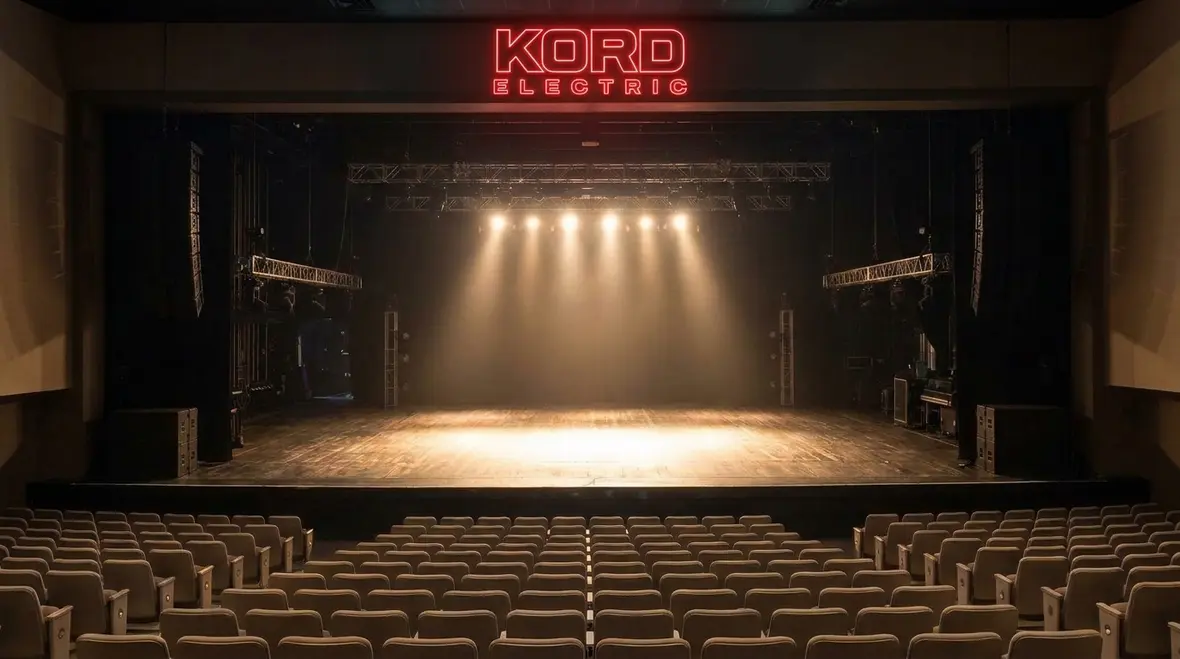
In a functioning entertainment venue, electricity supports more than wall outlets. First, the building must handle general lighting, stage lighting, and emergency lighting without dips, flicker, or delays. Next, audio visual gear requires stable power so speakers do not pop and screens do not reboot mid rehearsal.
Then there is the electrical backbone: panels, feeders, distribution boards, grounding, and bonding. We make sure the design supports current draw from lighting rigs, HVAC loads, and event day equipment. If the system is undersized, it does not just “run hot.” It shortens component life, increases nuisance trips, and creates downtime that nobody wants, except maybe a villain in a superhero movie.

How we assess Studio City power load and site conditions
Every venue is different. Therefore, we start with real numbers, not vibes. Our expert service staff asks about show schedules, typical and peak equipment usage, and the time of day loads hit hardest. After that, we review existing equipment capacity, electrical one line diagrams, and any past fault history.
Next, we check site conditions that affect performance. For example, voltage drop matters for long runs across a property, especially when stage power and control lines travel different routes. In addition, we evaluate grounding and bonding because noisy signals and safety issues often trace back to poor reference points.
Finally, we align our plan with code requirements, utility coordination needs, and the venue’s operational goals. That part matters because venue managers want power to upgrade without shutting down rehearsals. We plan work in a way that respects the calendar and keeps the operation steady.
Service upgrades, panels, and distribution for busy venues
When venues outgrow their current setup, we focus on service upgrades and distribution improvements that reduce risk. First, we review the main service size and meter setup. Then we determine whether existing panels and feeders can support additional loads like lighting banks, charging systems, and event equipment storage areas.
From there, we often recommend panel upgrades, additional breakers, and properly sized feeders so circuits remain stable. We also pay attention to selective coordination where appropriate, because you want the right device to trip during a fault. In other words, you do not want a small issue to darken the whole venue like someone hit a master mute button.
Throughout this process, our technicians communicate clearly with the venue team. We explain what we are doing, why we are doing it, and what the team can expect during testing. That way, others do not feel like they are signing paperwork in the dark.
Emergency power, life safety, and code compliance
For commercial and industrial facilities, life safety power cannot be treated casually. We help venues plan for emergency lighting, exit signage, and critical systems that must run during interruptions. Additionally, we support requirements for emergency power arrangements, including generator or battery backed solutions when the facility calls for them.
Next, we look at transfer equipment and control logic. If transfer time is too long or controls are miswired, emergency systems may not function the way the venue needs when seconds matter. We verify wiring paths, labeling, and testing procedures so the system behaves correctly.
Just as important, we coordinate with venue stakeholders on testing windows. We understand that venues operate on schedules that do not stop for paperwork. Therefore, we plan diagnostics and functional checks to reduce disruption while still meeting compliance expectations.
Power quality for stage lighting and AV systems
Even when a venue has enough total power, quality matters. Voltage fluctuations, harmonics, and poor power factor can create trouble for dimmers, LED drivers, audio processors, and video scaling equipment. As a result, operators may see flicker, intermittent shutdowns, or weird audio artifacts that no one can explain in a post show debrief.
To prevent that, we evaluate the electrical environment and identify where power quality issues originate. Then we apply practical fixes such as circuit segmentation, proper grounding practices, and equipment appropriate to the loads. We also check how the venue controls lighting and whether sensitive AV devices share circuits with high noise loads.
Our expert service staff explains the findings in plain language. That includes what signals typically cause the issues, what we change in the field, and how we verify improvement after installation. In many cases, once power quality stabilizes, troubleshooting becomes boring again, which is a good thing.
Wiring layout, conduit planning, and buildout coordination
Electrical performance often comes down to how wiring is routed and supported. Therefore, we focus on conduit planning, cable management, and separation of power and control runs where appropriate. This helps reduce interference and protects wiring from physical damage.
We also coordinate with architects, contractors, and venue operations so electrical work fits real construction schedules. For example, we may plan rough in timing for stage areas, back of house spaces, green rooms, and equipment rooms. Then we verify labeling and accessibility so future servicing does not turn into a scavenger hunt.
When the project includes renovations, we carefully assess what exists. Instead of tearing everything out for the sake of feeling busy, we validate condition, capacity, and safety. That approach keeps costs and downtime under control, which is a rare plot twist in construction.
Tenant and event day operations that affect electrical demand
Venues often have mixed activities. A theater might host corporate events, DJ nights, and live rehearsals with different equipment profiles. Meanwhile, backstage areas may see heavy use from makeup stations, dressing room HVAC, specialty charging setups, and temporary stage elements.
Because of that, we help venue teams plan how to manage electrical demand during event days. We outline load limits, suggest circuit planning for temporary equipment, and recommend procedures that reduce overload risk. We also help set expectations for how changes to lighting rigs or sound systems may affect power draw.
In addition, we support preventive maintenance planning. When others skip maintenance, small issues grow into big ones. When we handle it, minor faults get corrected early. That keeps performance consistent and supports a better experience for staff and guests.
Wide coverage electrical services in Los Angeles County
Kord Electric provides commercial and industrial electrical services across Los Angeles County. If you want to review what we do, you can find details here: Los Angeles County electrical services.
For venues and major property buildings, our approach stays practical. We build systems that work reliably, communicate clearly, and document key steps for long term support. To keep things organized, we often align our work into two tracks:
Design and upgrades
We analyze capacity, plan distribution, and upgrade panels or feeders when needed.
We support emergency power and life safety electrical systems.
We improve power quality for stage lighting and AV devices.
Testing and ongoing reliability
We perform verification and functional checks to reduce surprises.
We recommend maintenance plans to catch wear early.
We document findings so teams can act fast later.
FAQ
When Kord Electric handles it, your venue stays powered
Studio City entertainment venues run on schedules where surprises cost real money. So we plan, test, and upgrade your electrical systems for stable performance, safe life safety power, and clean delivery to stage and AV equipment. Our technicians and expert service staff explain each step in plain terms, and we coordinate with your operations so your team stays focused on the show. If you manage a commercial or industrial venue in Los Angeles County, contact Kord Electric today for an assessment and a clear upgrade path.
If your venue also depends on rapid response when something goes wrong, you can pair planned upgrades with Kord Electric’s dedicated emergency electrical services for Los Angeles businesses so both routine work and urgent calls follow one coordinated playbook.


