

2014 NEC Electrical Panel Safety for Commercial Buildings
2014 NEC electrical panel safety, explained for commercial buildings
In commercial and industrial facilities, the 2014 NEC electrical panel is not just a box of wires. It is the control center for power, and when it is unsafe, the whole site pays the price. Kord Electric leans on the 2014 NEC updates because we work in environments where downtime costs real money and safety issues escalate fast.
So, we help others see what changed, what stayed the same, and how to spot risk before it turns into a late night emergency call. And yes, we have heard the classic line, “It only trips sometimes.” That is usually how problems start, and it is rarely the useful kind of mystery.
What the 2014 NEC requires in practical terms
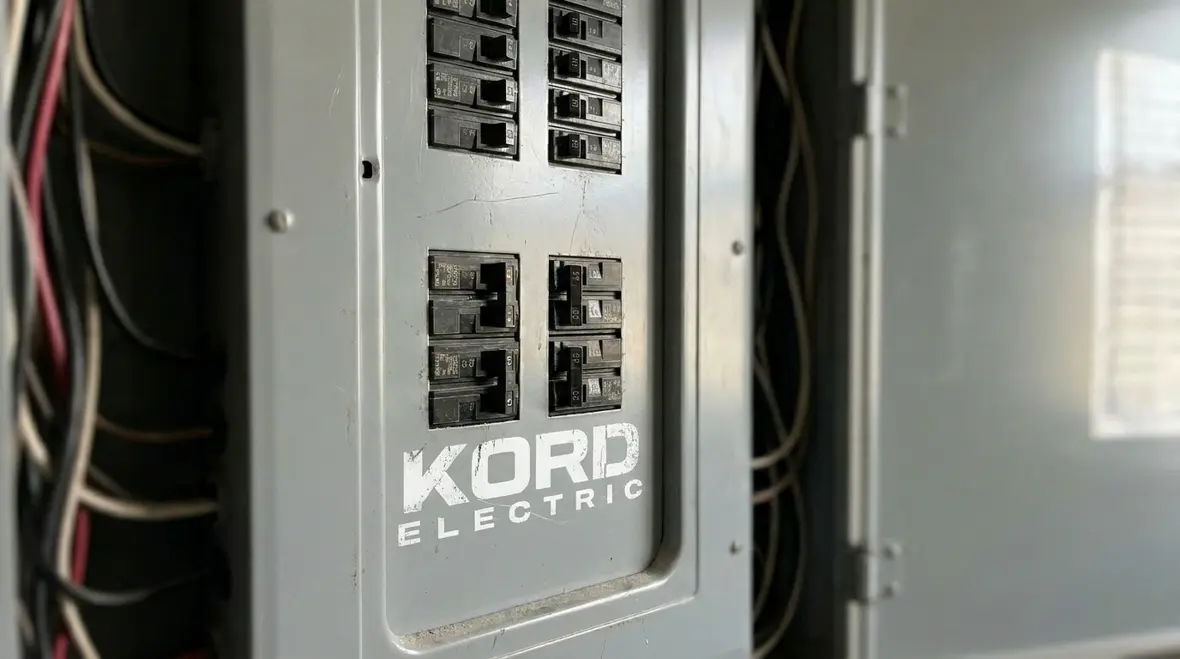
The 2014 NEC focuses on better protection, clearer labeling, and safer installation practices. First, it pushes for more reliable setup of circuit conductors, protection devices, and grounding. Second, it emphasizes the idea that electrical safety is not a one-time task. It is a process that includes planning, installation, inspection, and ongoing maintenance.
In other words, we do not treat an electrical panel like a “set it and forget it” asset. For commercial and industrial properties, we expect the equipment to stay safe as loads shift over time. As new equipment gets added, the electrical system changes. Therefore, we review panel capacity, conductor conditions, and device fit as part of routine service.
Our technicians and expert service staff explain these requirements in plain language so building owners and facility managers can act with confidence. We show what the standard means on your specific panel, not just on paper.
For facility teams that want to go deeper on how modern standards shape safety expectations, it also helps to understand how NFPA 70, the national electrical code, frames electrical design, installation, and inspection practices across commercial and industrial environments. That broader context explains why each code cycle, including the 2014 NEC electrical panel requirements, keeps raising the bar for protection and reliability. You can explore more about how NFPA 70 works in practice in our breakdown of the national electrical code explained for 2026.
In that bigger picture, the 2014 NEC becomes one important step in a long-term push toward safer, more resilient electrical systems in commercial buildings, not just a checklist of rules to survive an inspection.
How panel labeling and accessibility reduce risk
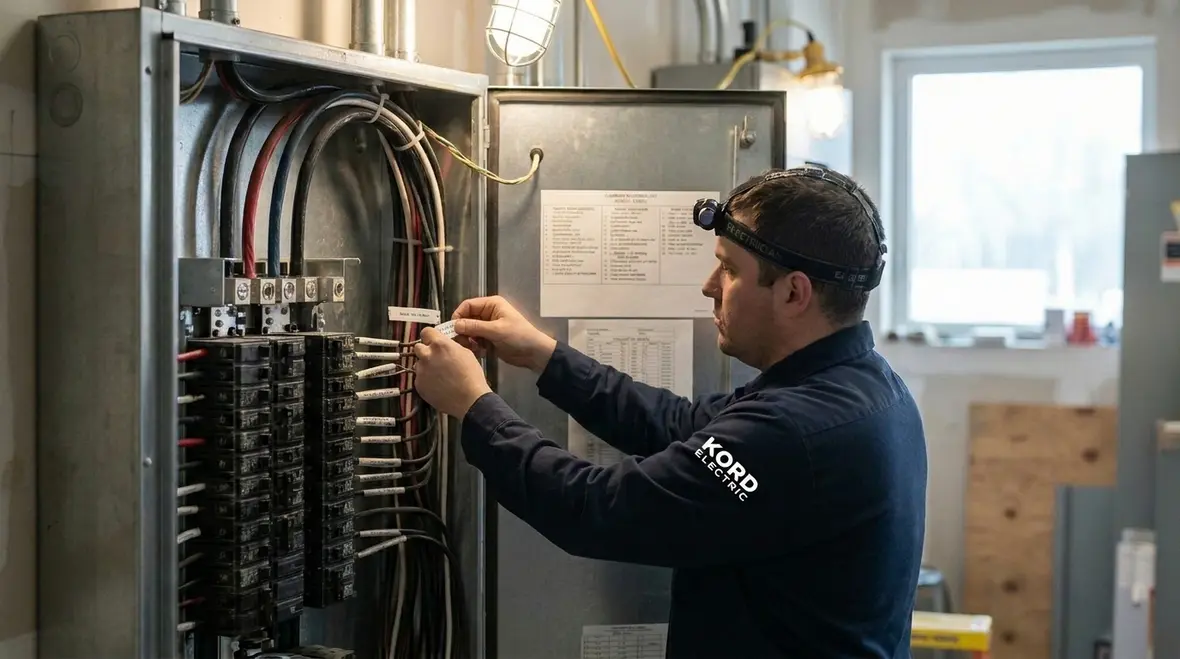
Many safety problems begin long before anyone notices a tripped breaker. For example, the wrong circuit gets identified, or someone works near the panel without understanding what is energized. As a result, the 2014 NEC pushes for better panel organization and access rules that limit hazards during operation and service.
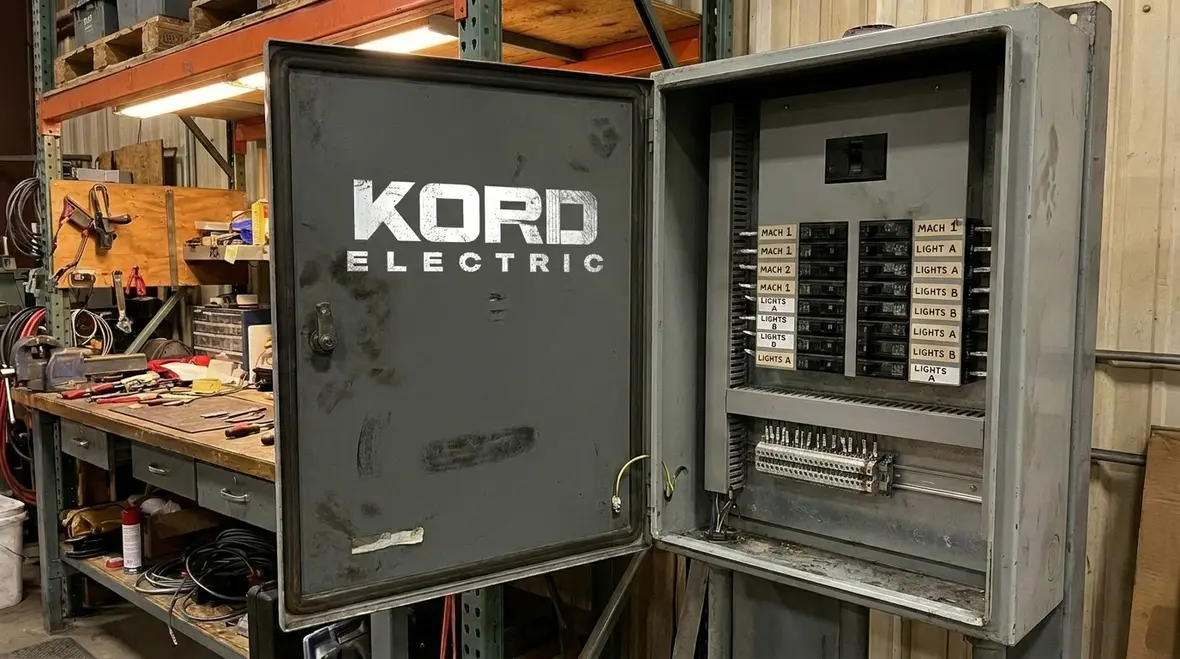
In a commercial setting, we often find that panel doors, labeling, and clear working space decide whether maintenance goes smoothly or turns into a guessing game. If a facility has multiple tenants, shared equipment rooms, or frequent upgrades, unclear markings create real exposure.
Our service staff walks through accessibility standards and practical labeling steps during on site reviews. We explain how proper identification supports safe troubleshooting and faster response. And when a technician can find the right breaker quickly, everyone stays calmer. It also helps our team move faster, which is great for your schedule and great for your patience.
Clear labeling also pays off far beyond single panels. In large commercial buildings, it ties into broader commercial electrical compliance by supporting correct switching, safer lockout/tagout, and more predictable behavior across distribution equipment. The more clearly everything is marked, the easier it becomes to coordinate panel work with other systems like lighting, mechanical equipment, and life safety devices.
Labeling that actually matches reality
One of the most common problems we see is labeling that once matched the building but no longer reflects current usage. Tenants change, equipment moves, and circuits get repurposed, but panel schedules stay frozen in time. We correct that by tracing circuits, verifying loads, and updating labels so they match what is really happening. That is the only way labeling can do its job when something goes wrong and everybody needs answers fast.
Grounding, bonding, and the “hidden” safety layer
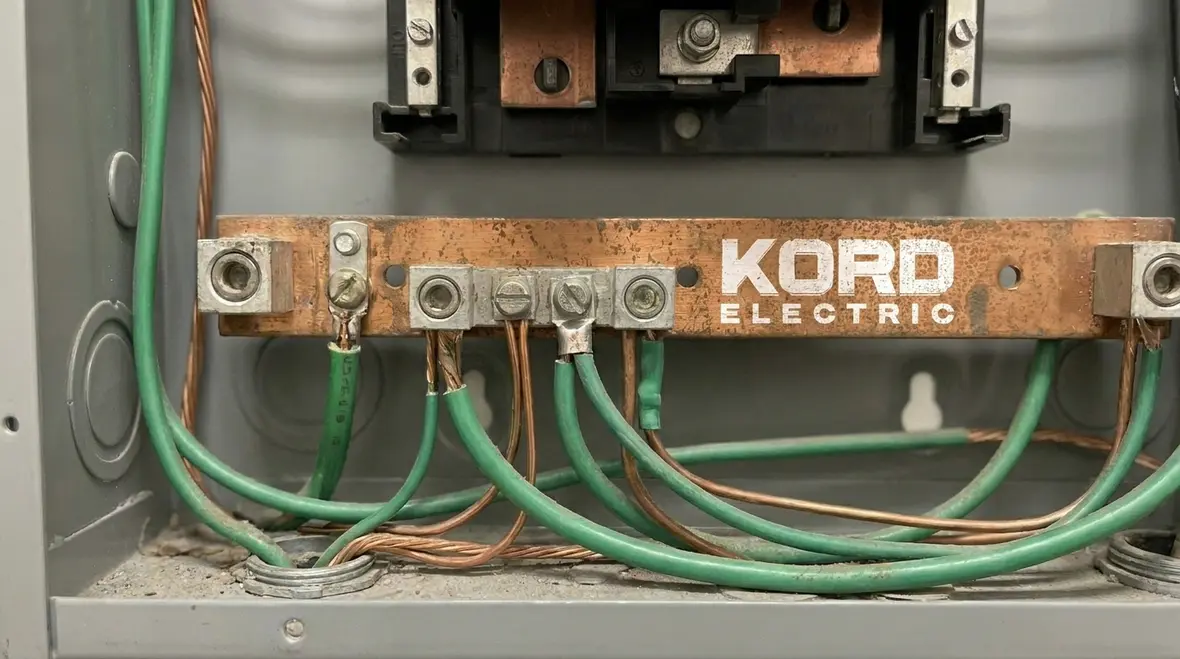
Next, we focus on grounding and bonding. These parts of an electrical system often get treated like background noise, but in the field, they play a major role in protecting people and equipment. Under the 2014 NEC electrical panel framework, grounding and bonding requirements help reduce shock risk and stabilize system behavior during faults.
When grounding is weak or bonding paths degrade, fault currents do not behave as expected. Consequently, protective devices may not clear the fault quickly. That is when damage grows and safety margins shrink. In industrial and commercial locations, where motors, drives, refrigeration systems, and production equipment introduce electrical noise and harmonics, that risk becomes even more important.
Kord Electric checks grounding continuity, evaluates bonding points, and verifies that the panel setup supports the building’s electrical design. Then we explain what we find in a way facility teams can use. We also advise how to address issues so the panel continues to meet safety expectations after renovations or load expansions.
How grounding and bonding tie into long-term reliability
Good grounding and bonding do more than satisfy the 2014 NEC electrical panel requirements for fault clearing. In facilities with sensitive loads, they support better voltage stability and help reduce nuisance tripping. That is one reason preventive electrical maintenance programs pay close attention to these “invisible” details. The more stable your reference paths, the more predictable your panel behavior when something unexpected happens upstream or downstream.
Overcurrent protection and conductor condition checks
Overcurrent protection is where the standard meets real-world behavior. If protection does not match the load, or if connections heat up due to wear, corrosion, or poor terminations, you get failure. The 2014 NEC electrical panel approach supports safer choices by guiding how protection devices and conductors should be installed and maintained.
Our technicians inspect for signs that connections have run hot. We look at terminations, check for discoloration, evaluate torque integrity when accessible, and review how breakers and fuses align with the system requirements. We also look for mismatched ratings or improper device setups that can undermine protection.
Then we move beyond the obvious. We do load related context, because a panel that seems fine during calm operations can behave differently when production ramps up. Therefore, we help commercial and industrial teams connect the dots between circuit loading, equipment demand, and what the protective devices are doing.
Sometimes we find the “mystery breaker” that trips for no clear reason. Usually it is not for no reason, it is just that nobody documented the circuit history. And if you think documentation is boring, you have not seen what happens when the wrong circuit feeds the wrong critical load.
Pairing protection with modern commercial loads
Modern commercial buildings rarely sit still. Lighting gets upgraded to LED, more electronics appear, and HVAC or process equipment evolves. Overcurrent protection must keep up. That is why commercial electrical maintenance plans pay attention not just to whether breakers trip, but to how they coordinate with upstream and downstream devices. It is also why we take voltage fluctuations in commercial and industrial facilities seriously, since unstable supply conditions can expose weaknesses in both protection settings and conductor condition over time.
Planning upgrades so the panel stays safe over time
Commercial buildings evolve. That is normal. However, upgrades can quietly damage safety if they treat the panel like an empty parking spot for new equipment. We see this during tenant improvements, retrofit projects, and production line changes. The 2014 NEC safety goals work best when panel updates remain consistent with current installation expectations.
As part of our service approach, we plan upgrades around capacity, conductor routing, and clear labeling. We also review how additional circuits affect thermal stress and fault clearing behavior. In facilities with multiple distribution paths, we verify that coordination stays reasonable so protective devices respond in the intended sequence.
Our expert service staff explains each step of the upgrade path. We do that because it helps decision makers avoid rework and reduces the chance of “temporary” modifications that never get removed. We also remind teams that safe installation is only the first layer. Ongoing inspections keep risk low as the building changes.
In short, when we plan panel work, we build for the next five to ten years, not just the next afternoon.
Coordinating panel work with broader system upgrades
Panel upgrades rarely happen in isolation. They often ride alongside projects like commercial lighting upgrades, commercial kitchen electrical remodels, or data center improvements. By treating the 2014 NEC electrical panel as part of a larger ecosystem, we can align feeder sizing, branch circuits, and protective devices with future projects, rather than backing into constraints later and paying for rework.
What to document during inspections and service calls
Many safety issues stay invisible because nobody records what they saw. Yet in commercial and industrial facilities, documentation is what turns an inspection into a reliable safety program. It also helps building owners track repeating issues across different rooms, floors, and equipment sets.
During our visits, we document the panel condition and the system behavior we observe. That includes labeling status, accessibility concerns, grounding and bonding checks, and visible signs of overheating at terminations. Additionally, we record any adjustments made and any recommendations for correction.
We also explain the meaning of our findings so your team can create a maintenance plan that fits your operations. If a facility runs 24 7, we help schedule work around production needs. If a property has limited access windows, we plan staging so we do not disrupt power unnecessarily.
When documentation is clean, staff training becomes easier too. And yes, we all know training can feel like a corporate pop quiz, but it is worth it when it prevents outages and injuries.
Turning observations into an actual maintenance plan
Good notes from panel inspections only matter if they guide action. That is where structured electrical preventive maintenance comes into play. By feeding inspection results into a recurring plan, commercial facilities can decide which issues need immediate correction, which can be scheduled, and which should simply be watched over time. It turns panel checks from a one-off event into a living record that protects people, processes, and budgets.
FAQ
Next steps: get a panel safety review with Kord Electric
Safety is not a guess, and compliance is not a trophy you hang on the wall. At Kord Electric, we serve commercial and industrial facilities with focused panel safety reviews tied to the 2014 NEC safety intent and real site conditions. Our technicians and expert service staff explain findings clearly, document everything, and help you plan corrections that protect people and keep operations steady. If you want your electrical panels to stay reliable, contact Kord Electric today and schedule an assessment.
For facilities that want these reviews woven into a bigger reliability strategy, our electrical preventive maintenance services for commercial and industrial buildings create a structured way to keep 2014 NEC electrical panel safety from slipping over time. Instead of waiting for a “mystery” trip or an inconvenient outage, you get a clear schedule, documented findings, and a roadmap that keeps power systems ready for the next expansion, not just the next inspection.
And if your building has already seen hints of trouble, such as voltage swings, nuisance tripping, or unexplained equipment behavior, pairing a panel safety review with targeted voltage fluctuation diagnostics can help address both the symptoms and the root causes. The goal is simple: a 2014 NEC electrical panel setup that does more than pass an audit. It should support safe, predictable operations every day your building is open for business.


