

2017 National Electrical Code for Commercial Buildings
What Changed in the 2017 National Electrical Code for Commercial Buildings
When Kord Electric reviews the 2017 National Electrical Code with our customers, we do it the way serious people handle serious things: calmly, clearly, and with paperwork that makes sense. In the first part of the conversation, we focus on what changed, especially for commercial and industrial facilities and major property buildings. Then we connect those updates to what our team actually sees in the field. Our technicians and expert service staff explain the “why” behind the changes, because code is not a bedtime story. It is a safety playbook, and sometimes it reads like a law book that forgot to go to sleep. Still, we make it understandable.
Now, let’s walk through the most important shifts in the 2017 National Electrical Code, and how they affect design, installation, and inspection planning for business owners, facilities teams, and property managers. And yes, we will keep it practical, not ceremonial.
Who Needs to Pay Attention, and Why It Matters
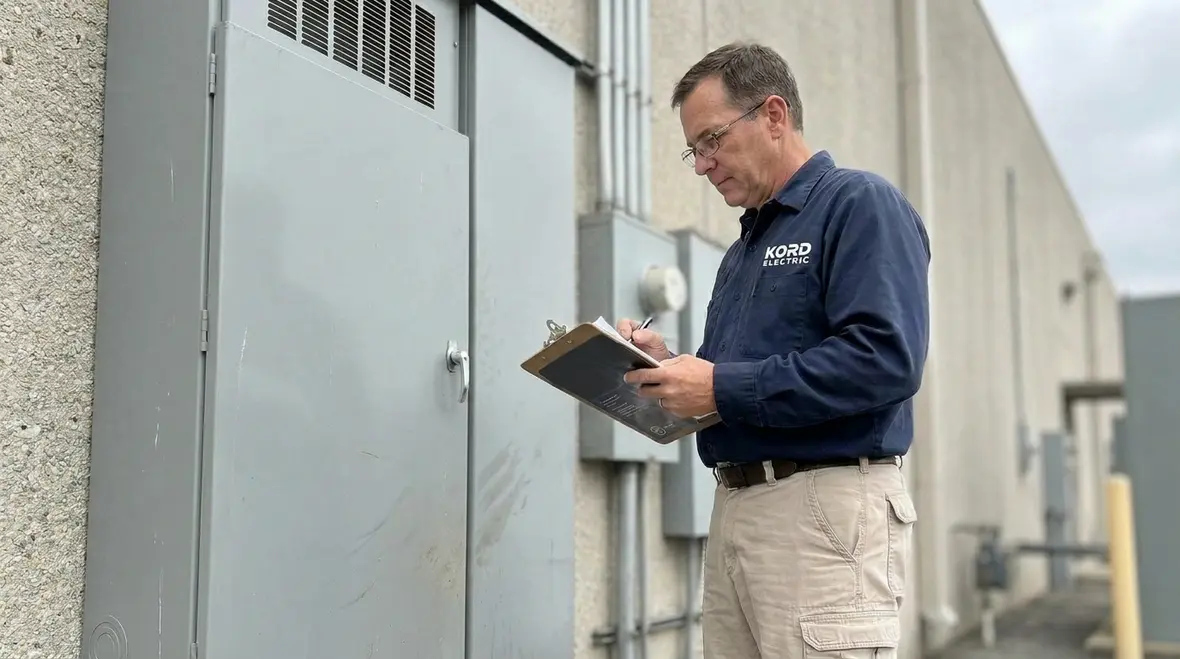
In commercial and industrial settings, electrical systems do not sit quietly in the corner. They power equipment, move production schedules forward, run life safety systems, and keep doors opening even when the day goes sideways. As a result, even small code changes can change inspection outcomes, project timelines, and maintenance strategies. Therefore, we tell our clients to treat code updates like planned upgrades, not last minute surprises.
Our expert service staff often hears the same thing from others: “We followed the last code. We should be fine.” That statement is usually true until it is not. When inspectors and AHJs apply the current requirements, the facility needs compliance, documentation, and correct installation methods. And if a change affects wiring methods, grounding, labeling, or equipment rules, the real-world impact becomes obvious fast.
So, we help commercial teams map new requirements to existing system layouts. Then we build a clear path for engineering reviews, contractor coordination, and field verification.
For many building owners, this also becomes a natural point to step back and look at the broader health of the electrical infrastructure. Hidden risks, aging equipment, and patchwork upgrades tend to surface when the 2017 National Electrical Code is applied to today’s loads. That is why we often connect code reviews with larger conversations about commercial electrical systems and long-term reliability across modern buildings and campuses.
In practice, that means looking at how power flows from service equipment through panels, feeders, and branch circuits into real equipment. It means confirming that emergency and life safety loads are supported correctly, and that future projects will not overload panels that already carry more than they were originally intended to manage.
Electrical Panels, Feeder Rules, and Better Clarity in Practice
Many commercial projects hinge on how panels and feeders operate together. That is why updates tied to conductors, overcurrent protection concepts, and installation details often matter more than people expect. For example, where the 2017 National Electrical Code tightens wording, it pushes for more consistent behavior in the field. Consequently, design teams must pay attention to labeling, routing practices, and how equipment is supported and installed.
Our technicians approach this with a simple mindset: if we would not want to debug it at 2 a.m., we do not install it that way. This is not a poetic approach. It is a survival approach. Additionally, we explain common stumbling points during commissioning, such as missing circuit identification, confusing panel schedules, or unclear separation of systems meant to stay apart.
Because commercial facilities often have multiple tenants, renovations, and phased upgrades, we help teams create a plan for future modifications. Then we align it with code expectations so the next electrical contractor does not inherit a mystery box.
In a typical commercial building, electrical panels quietly absorb years of minor changes: new circuits for office renovations, additional loads for specialized equipment, and emergency fixes after an inconvenient outage. Under the 2017 National Electrical Code, these incremental changes must still add up to a coherent, code-compliant system. That means clear panel schedules, properly rated breakers, and feeder arrangements that make sense to the next person who opens the door.
From a practical standpoint, we also encourage clients to treat panel upgrades and feeder improvements as investments in uptime. When panels are properly sized, neatly organized, and well documented, troubleshooting becomes faster, future projects run smoother, and the facility stays ready for both inspections and unplanned events. That level of organization may not make the front page of a report, but it absolutely shows up in fewer headaches down the line.
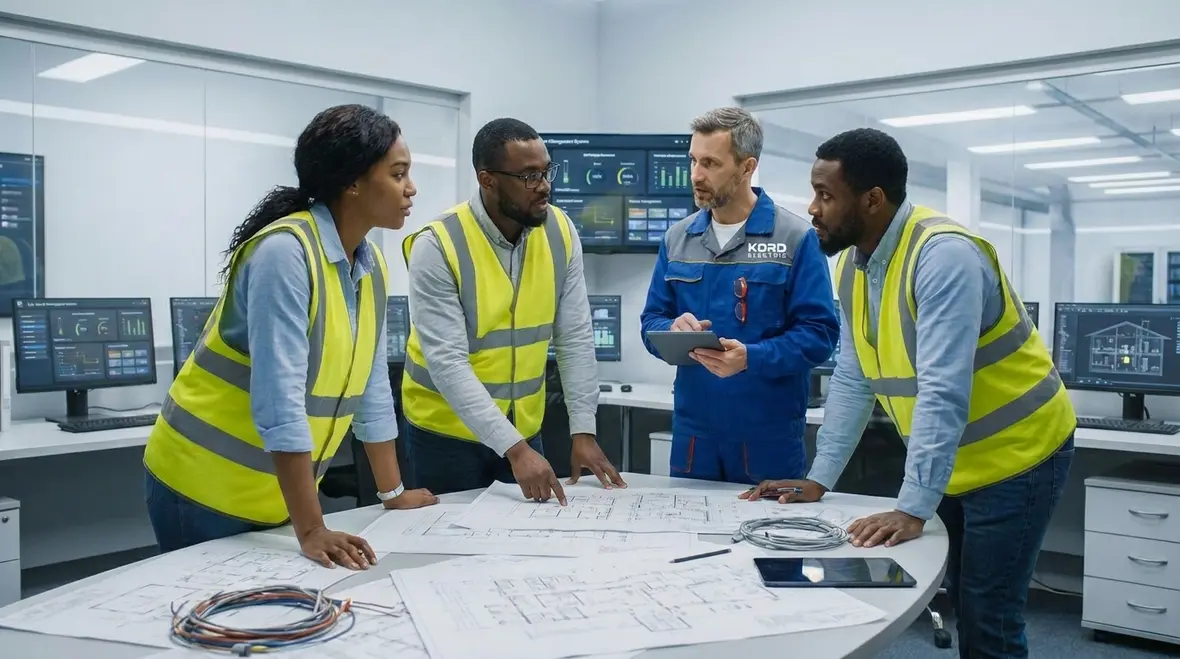
Grounding and Bonding Updates That Protect Equipment and People
Grounding and bonding rules may sound like a dry topic, but they carry serious weight in commercial and industrial buildings. When electrical faults happen, bonding and grounding pathways influence what trips, what stays safe, and what survives. Therefore, code updates related to bonding and grounding often aim at reliability, reduced risk, and clearer compliance checks.
Our expert service staff explains these topics in plain language. We break down where bonding is required, why it matters for metal raceways and equipment enclosures, and how crews verify connections. Then we connect the dots to real facility operations, like surge conditions, motor starts, and the reality of industrial loads.
And to be honest, grounding issues are like pop songs that keep getting remixed. People think they understand them, then the next version exposes new details. Our team keeps the “next version” from turning into a costly repair by checking the basics thoroughly during installation and service calls.
In commercial environments with sensitive electronics, building automation systems, and networked equipment, proper grounding and bonding strategies also support power quality and uptime. A seemingly small oversight at a bonding jumper or equipment enclosure can echo through the system as nuisance trips, strange equipment behavior, or unexplained data loss. When we review a site under the 2017 National Electrical Code, we look for those small details that quietly control how faults clear and how reliably overcurrent devices operate.
Grounding and bonding reviews are also a perfect time to align with preventive maintenance programs. During scheduled inspections and testing, our teams check terminations, verify continuity where required, and flag any corrosion or damage that has crept in over time. By treating bonding and grounding as ongoing priorities—not one time tasks—commercial and industrial facilities gain a buffer against the unseen failures that tend to appear at the worst possible moments.
Wiring Methods, Raceway Rules, and Installation Details Inspectors Notice
Inspectors do not only look at what equipment you specified. They look at how it is installed. That is where wiring method updates can make the difference between approval and rework. In commercial and industrial environments, wiring often runs through ceiling spaces, industrial walls, and utility corridors that see constant change.
As the 2017 National Electrical Code evolves, the intent usually stays the same: keep conductors protected, maintain system integrity, and reduce the likelihood of damage from heat, moisture, or physical impact. Therefore, crews must follow correct support spacing, proper use of raceways, correct fill limits where applicable, and correct practices for terminations.
Here is where we help. Our technicians walk the job and verify installation choices against the project plan. Then we document what we find so clients have a clean paper trail for inspection and future service work. In addition, our service staff coordinates with facility managers so labeling and access points match how operations actually run.
We also pay attention to how wiring and raceways coexist with other building systems. In commercial spaces packed with mechanical, plumbing, low voltage, and life safety infrastructure, it is easy for pathways to get crowded. Proper clearances, secure supports, and separation from incompatible systems are not cosmetic details—they are part of staying aligned with the 2017 National Electrical Code and avoiding unnecessary rework late in construction.
For facilities that operate around the clock, coordination becomes even more critical. We help teams phase work, plan shutdowns where necessary, and build routes that allow future modifications without tearing apart finished spaces. That forward thinking mindset reduces long-term costs and keeps building operations steady, even as electrical needs grow and shift over time.
Life Safety, Emergency Power, and Critical Loads
Commercial and major property buildings rely on power for safety functions: emergency lighting, exit signs, alarm systems, and critical operations. So when code changes involve emergency systems, standby power, or life safety related requirements, the impact lands quickly on design decisions and testing plans.
Our team does not treat life safety as a checkbox. Instead, we help clients plan power paths and verify that critical loads get the right protection and separation where required. Then we ensure the facility team knows how to test, maintain, and document the systems.
We also explain how these updates affect the way electricians coordinate with general contractors and mechanical trades. For example, when emergency circuits route near other systems, good separation and correct routing matter. Consequently, projects avoid “gotcha” moments that show up late in construction.
If the building has generators, transfer equipment, or uninterruptible power systems, we focus on how they fit into the overall electrical arrangement. Then we make sure maintenance staff can understand the documentation without needing a secret decoder ring.
Life safety and emergency power discussions naturally connect to larger resilience planning. For critical facilities—such as data centers, healthcare environments, or large commercial campuses—we help teams think through failure scenarios, maintenance windows, and how the 2017 National Electrical Code supports selective coordination and reliable fault clearing. When done correctly, this planning keeps emergency systems ready without turning everyday operations into a maze of restrictions and confusion.
For facilities in regions prone to extreme weather or grid instability, emergency power strategies may also align with broader upgrade plans. That can include reviewing existing distribution, adding redundancy where appropriate, and confirming that new equipment works cleanly with existing infrastructure. Our goal is always the same: keep people safe, keep critical loads supported, and keep documentation ready for the next inspection or audit.
Documentation, Labeling, and Inspection Readiness for Commercial Teams
In the real world, compliance is not only in the wire. It is also in the records. Our expert service staff tells clients that inspection readiness starts long before the inspector arrives. We encourage teams to manage documentation, panel schedules, as built updates, and labeling so the facility can prove what was installed.
As projects evolve through tenant improvements and phased construction, labeling consistency can slip. However, code changes often aim to reduce confusion. Therefore, well planned labeling becomes part of compliance and long term safety.
Our technicians build checklists for commissioning and service turnover. We also guide facility managers on what to keep, what to update, and what to verify during annual testing. That way, the next outage or maintenance event does not turn into a guessing game.
Also, we keep humor light but present. In commercial electrical work, everyone wants certainty. So we remind teams that an organized panel schedule can save more time than a motivational poster. The poster might look nice. The schedule makes the building run.
We also encourage clients to think of documentation and labeling as part of their preventive maintenance strategy, not just a file folder for inspections. Clear records help teams spot patterns, track recurring issues, and identify equipment that may need upgrades before it fails. When aligned with the 2017 National Electrical Code, that documentation becomes a roadmap for safer, more reliable operation across the entire facility.
For large commercial and industrial sites, this often includes building structured maintenance plans, scheduling regular electrical inspections, and aligning those activities with operational windows. By combining code knowledge, field experience, and organized reporting, Kord Electric helps facility teams stay ahead of both regulatory changes and practical reliability challenges.
Frequently Asked Questions About the 2017 National Electrical Code
Ready for a Smarter Code Review With Kord Electric
Code updates should not feel like a surprise storm. With Kord Electric, we help commercial and industrial facilities and major property buildings understand the 2017 National Electrical Code changes that matter, connect them to your project scope, and verify compliance through clean installation and strong documentation. Our technicians and expert service staff explain what is required and what to do next, in plain terms you can act on. If you are planning a renovation, expansion, or major electrical upgrade, contact us today and get a practical compliance path.
If your facility is also facing hidden risks from aging infrastructure, changing loads, or frequent voltage swings, this is the right moment to pair a code review with a broader electrical health check. By aligning the 2017 National Electrical Code with preventive maintenance, commercial lighting upgrades, or emergency electrical services, you gain a clearer view of your entire system instead of treating each issue as an isolated event.
Whether you manage an office tower, a production facility, a data center, or a complex campus, Kord Electric can help you build a structured plan that keeps you compliant today and prepared for what comes next. That means fewer surprises, smoother inspections, and electrical systems that support operations instead of standing in their way.
When you are ready to move from “We should probably look at that” to a defined, actionable roadmap, reach out to our team. Together, we will connect the dots between the 2017 National Electrical Code, your current infrastructure, and the future projects already on your calendar—so your electrical systems are ready before the next upgrade, deadline, or inspection arrives.
To take the next step toward a safer, more reliable facility, explore how our electrical preventive maintenance programs and emergency electrical services support long-term compliance and performance, and then schedule a tailored review for your building.


