2017 NEC Requirements for Panels and Disconnects
At Kord Electric, we work with commercial and industrial facilities, plus major property buildings where electrical reliability cannot be treated like a “someday” project. In this guide, we focus on the 2017 NEC requirements that shape how electrical panels and disconnects must be built, labeled, protected, and maintained. The 2017 NEC spells out rules for disconnecting means, conductor protection, circuit conductors, working clearances, and proper equipment installation. Then, we show how our team interprets those rules in the real world, because paperwork is fine until the breaker won’t trip when it should. And yes, we have seen that movie. Luckily, our technicians help prevent the sequel.
Commercial and industrial basics: electrical panels and disconnects that meet 2017 NEC requirements
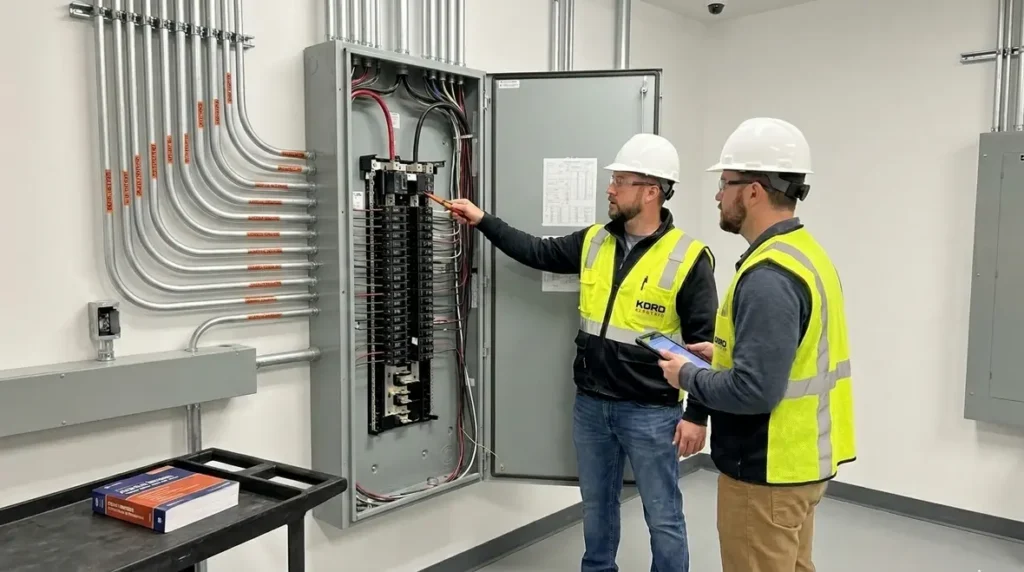
In large facilities, electrical panels and disconnects do not just “hold wires.” They coordinate how power moves, how faults get cleared, and how workers safely service equipment. First, the panel enclosure and its internal components must be installed so they remain secure under normal use. Then, disconnects must provide a clear, code aligned way to deenergize equipment for maintenance.
However, meeting the rules goes beyond selecting a box and calling it a day. The 2017 NEC requirements influence many details: how equipment is rated, how conductors are routed, what labels get applied, and how much space exists for safe operation. That is why our expert service staff explains the why, not just the what. They walk site managers and facility engineers through the reasoning, step by step, so decisions align with both the NEC and the operational reality of a building.
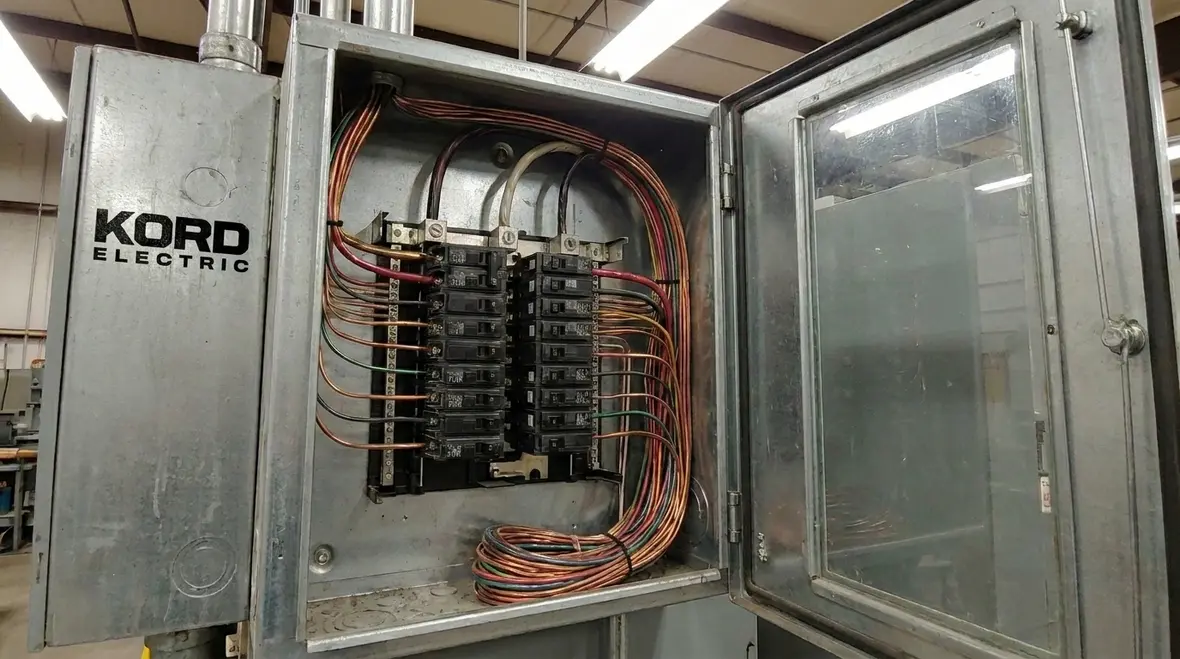
In commercial and industrial buildings, those basics shape everything from daily switching to emergency shutdowns. Panels become the hub that quietly decides whether an operation restarts smoothly after a fault or spends hours in the dark while people guess which breaker feeds what. When panels and disconnects are designed to match 2017 NEC requirements from the start, facilities gain a cleaner system layout, clearer fault paths, and a much easier time during inspections and upgrades.
2017 NEC requirements for disconnecting means: where the switch must be, and why
A disconnecting means must allow qualified personnel to shut off power to equipment in a predictable way. In other words, when someone needs to work, they must be able to deenergize the correct equipment without guessing. The 2017 NEC requirements address the location and function of disconnects, including the ability to open the circuit and the expectation that the disconnecting device properly interrupts current for the connected load.
Next, facilities must plan for working space and safe access. If a technician cannot stand in the correct position or reach the operating handle, then the disconnect is not truly useful. Additionally, the disconnect must be sized and applied so it does not operate like a loaded question. It should open the circuit when required and protect downstream components as intended.
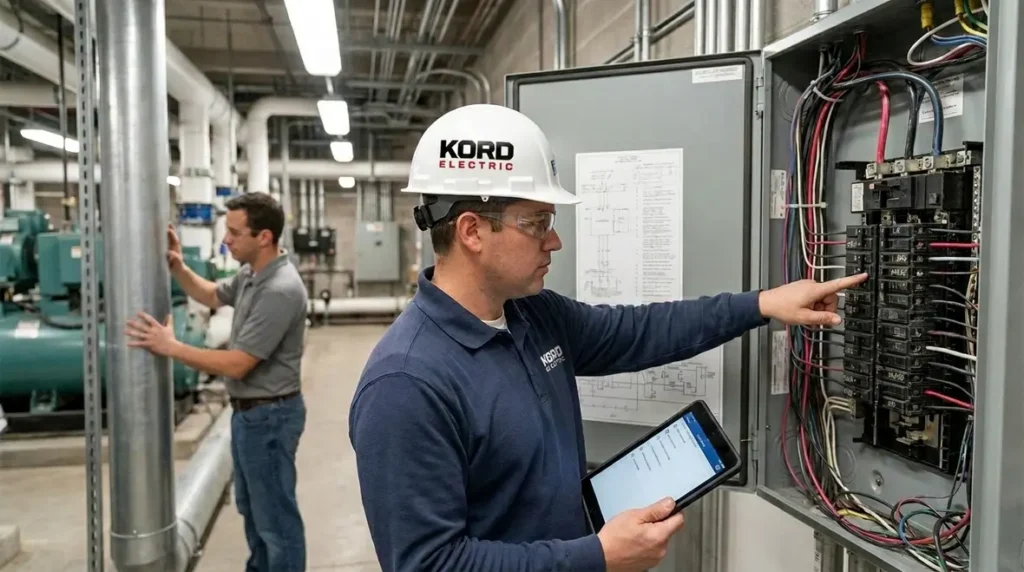
At Kord Electric, our technicians also verify that the disconnect aligns with the equipment it serves. For example, a disconnect that looks right on drawings but feeds the wrong load can cause confusion during commissioning, troubleshooting, or emergency response. Therefore, we trace circuits, review labeling, and confirm the actual field connections before anyone signs off.
In many commercial and industrial environments, that extra diligence makes all the difference during an outage. When alarms are sounding and production lines are stopped, no one wants to debate which handle to pull. With disconnecting means located, labeled, and applied according to 2017 NEC requirements, workers can act quickly and safely instead of improvising under pressure.
How 2017 NEC requirements influence panel wiring methods and conductor protection

Electrical panels in commercial and industrial settings face frequent load changes, startup surges, and long duty cycles. Because of that, the 2017 NEC requirements affect wiring methods and conductor protection inside and outside the panel. First, conductors must be routed and protected according to the installation rules for the specific wiring system. Then, overcurrent protection must coordinate so faults clear without harming equipment that should remain energized.
We also see many facilities where “it worked for years” turns into a slow burn risk. Over time, thermal stress, moisture exposure, and vibration can wear down connections and insulation. And when someone later adds equipment, they sometimes connect new circuits without maintaining the same quality level used at the original build. As a result, the panel ends up acting like a crowded hallway during rush hour.
Our technicians help prevent that by checking terminations, busbar condition, and the integrity of protective devices. Moreover, they validate that the selected breakers and fuses match the application. In commercial and industrial buildings, correct coordination means fewer nuisance trips and better fault performance, which helps operations stay steady instead of becoming an electrician’s version of musical chairs.
When needed, we recommend structured electrical preventive maintenance so panels and conductors are not only installed to 2017 NEC requirements but also maintained with the same discipline. Programs like electrical preventive maintenance for commercial and industrial facilities keep these wiring methods, terminations, and protective devices in reliable condition instead of waiting for a failure to expose hidden weaknesses.
Working clearances, labeling, and safe access: the unglamorous details that matter
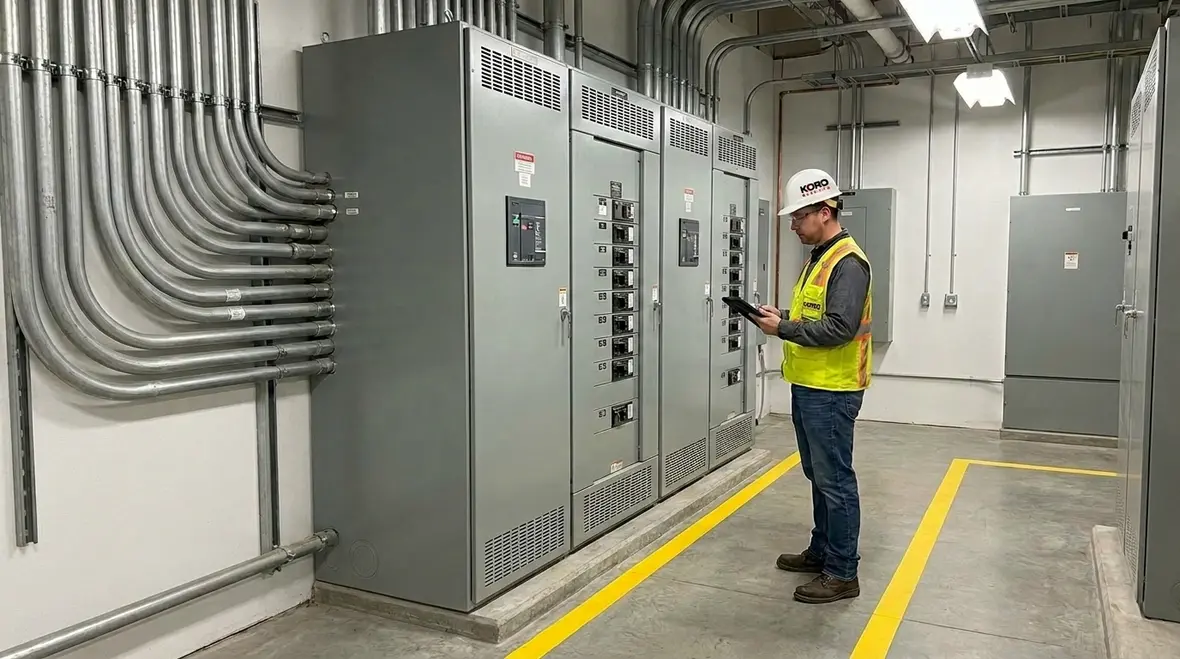
People often focus on amps and breaker sizes, but safety requirements drive the day to day. The working clearances around electrical equipment are not optional, because those clearances protect workers during operation and servicing. When clearances get blocked by storage, cable trays, or forgotten equipment, the risk goes up fast.
Labeling is another detail that quietly determines how fast a technician can respond. Clear identification of panels, circuits, and disconnects reduces the time spent hunting for the correct feed. Then, during outages, it helps facility staff restore service faster and reduces the chance of energizing the wrong equipment.
Our expert service staff explains these topics with calm clarity, and we keep it practical. For example, they show how to plan label placement so it stays readable after conduit work, cable additions, and equipment upgrades. We also point out common failure points, like labels placed on surfaces that get covered during later renovations. In facilities, renovations happen more often than people plan, so we design for the future, not the first inspection.
Field check |
What Kord Electric verifies |
Access and clearances |
Equipment space for safe operation and maintenance |
Disconnect identification |
Correct device mapping to equipment and loads |
Panel circuit labeling |
Readable identifiers that match as built conditions |
Termination quality |
Secure connections and appropriate conductor protection |

These details also shape how quickly an outside contractor can help during an issue. When working clearances are respected and labeling is clear, an electrician walking into the facility for the first time can still respond quickly and safely. When they are not, even simple tasks turn into extended investigations that drag out downtime.
Inspection and testing in real life: what we do after the paperwork
In commercial and industrial facilities, compliance requires proof, not just intent. Therefore, after plans and equipment selections, Kord Electric performs inspection and testing focused on how the system behaves in the field. First, we confirm that the installation matches the approved design and the applicable 2017 NEC requirements. Then, we test functions tied to safe operation and proper fault handling.
Because electrical systems do not live in a vacuum, we also coordinate with facility schedules. We plan around production windows, tenant activities, and critical services. That is how we keep risk low and minimize downtime. And if someone asks, “Why do you need so much time?” we respond politely that time spent now saves time spent later during an outage. In most cases, that is the only argument that matters.
Our technicians also review documentation so the facility can operate confidently. They help ensure that as built notes, single line diagrams, and equipment schedules reflect the actual installation. Then, during future maintenance, facility teams can rely on accurate information rather than old assumptions.

For many organizations, this phase also includes establishing an ongoing schedule for inspections and testing. Instead of treating NEC alignment as a one time event, it becomes a repeatable process integrated with broader maintenance programs and risk management. That way, panels and disconnects continue to perform as designed long after the final inspection sticker is applied.
Common installation problems we see on commercial sites
We have worked on many major property buildings, and patterns show up again and again. First, some panels are mounted or arranged in ways that create access issues. Then, disconnects get installed too far from the equipment they serve, or the labeling does not match circuit reality.
Another frequent problem involves conductor routing and protection. When cable paths ignore installation constraints, conductors can face abrasion, heat exposure, or cramped bends. As a result, the system may pass an initial look and then fail under real operating stress.
Finally, facilities sometimes add loads without updating the labeling or verifying protection coordination. Consequently, operations become harder, troubleshooting takes longer, and the electrical system becomes less predictable.
Our expert service staff tackles these issues with a methodical approach. They inspect, document findings, and recommend corrective actions that support safe operation. We explain options in plain language so facility managers understand tradeoffs and avoid guesswork. That way, the next inspection looks less like an ambush and more like a routine review.
Many of these issues also tie into broader system health, including the hidden risks that accumulate behind closed doors and locked rooms. For a deeper look at those systemic problems, we often point facility managers toward resources such as Kord Electric’s article on hidden electrical risks in commercial buildings, which explores how minor code oversights and aging components quietly evolve into larger hazards.
FAQ: 2017 NEC electrical panels and disconnects for commercial and industrial buildings
Call Kord Electric for a practical code-aligned plan
If your facility needs new panels, upgraded disconnects, or a safer electrical configuration, Kord Electric helps you move from code language to real field performance. Our technicians and expert service staff review the job details, confirm correct equipment mapping, and guide you through inspection and testing with calm, clear explanations. We work with commercial and industrial sites and major property buildings, because that is where reliability matters most. Call us today to schedule an evaluation and keep your power system steady and dependable.
For organizations that want to proactively maintain compliance and reduce the chance of surprise outages, pairing this work with a structured electrical preventive maintenance program creates a strong foundation. Regular inspections, testing, and documentation keep panels, disconnects, and distribution equipment aligned with 2017 NEC requirements while supporting long term reliability.
Whether you are planning a system upgrade, investigating voltage instability, or preparing for a major expansion, the Kord Electric team brings commercial and industrial experience, clear communication, and practical solutions designed for real world operations. From voltage fluctuation diagnostics to full panel replacements and targeted disconnect upgrades, we help you align equipment, documentation, and day to day practices with the 2017 NEC requirements that keep people and property safe.