2020 NEC Updates for Commercial Electrical Safety
Kord Electric has helped commercial and industrial facilities stay safe and compliant, and the 2020 NEC still shapes what we do today. In the first stretch of this guide, we point to a few code changes from the 2020 electrical standard, then we explain why they matter in real buildings, real jobs, and real deadlines. Others call these “paper updates.” We call them the difference between a smooth startup and a midnight troubleshooting call that ruins someone’s sleep schedule. And yes, we have technicians and expert service staff who will calmly walk owners and operators through what changed, why it matters, and how to verify it in the field. So let’s get into it, slowly, like the most soothing training video you never asked for, but definitely needed.
How the 2020 NEC changes still impact today’s commercial wiring
The 2020 NEC does not just sit on a shelf. Instead, it shows up in the way we plan feeders, protect conductors, design grounding, and set up inspections. Although some jurisdictions adopt the cycle later, the concepts remain relevant because they target fire risk, shock risk, and equipment damage. For commercial and industrial facilities, those risks multiply when systems run longer hours, add loads faster, and share spaces with people, vehicles, and critical operations.
Moreover, Kord Electric treats these updates like practical tools. We review the current plans, check the field conditions, and then we explain the gaps in plain language. Our expert service staff does not “hand over a punch list.” Instead, they connect each code requirement to what it prevents, what it looks like in a panel, and how it should be documented. That approach helps others avoid guesswork that turns into rework.
Afraid of arc flash and overcurrent surprises? Here’s what changed
When people think about electrical safety, they often picture sparks in movies. However, in real facilities, the danger is usually less dramatic and more relentless. It builds from improper protection choices, weak coordination, and gaps in documentation. In response, the 2020 NEC strengthens expectations around how systems manage overcurrent and how facilities handle arc flash risk assessment and labeling.
As a result, we see owners ask two questions: “What do inspectors actually look for?” and “How do we prove we did it right?” Our technicians explain that the goal is not to collect paperwork for its own sake. The goal is to create a repeatable system that operators can trust during maintenance, fault events, and system upgrades.
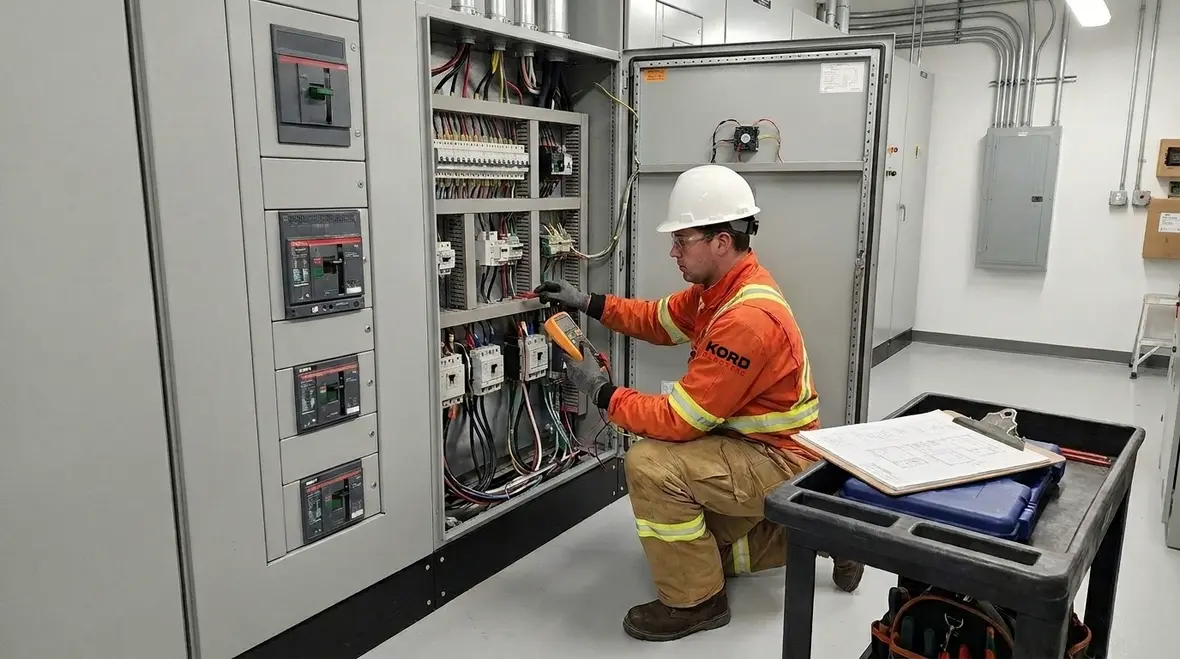
For example, when overcurrent devices do not coordinate correctly, a fault can clear slower than planned. That can raise incident energy. Then, the workplace response time becomes a safety factor, not a hope. Therefore, Kord Electric helps teams align device ratings, breaker settings where permitted, and protective device clearing times with the facility’s plan. Then we support labeling practices so the information matches what the equipment can handle.
Grounding and bonding updates that protect people and equipment
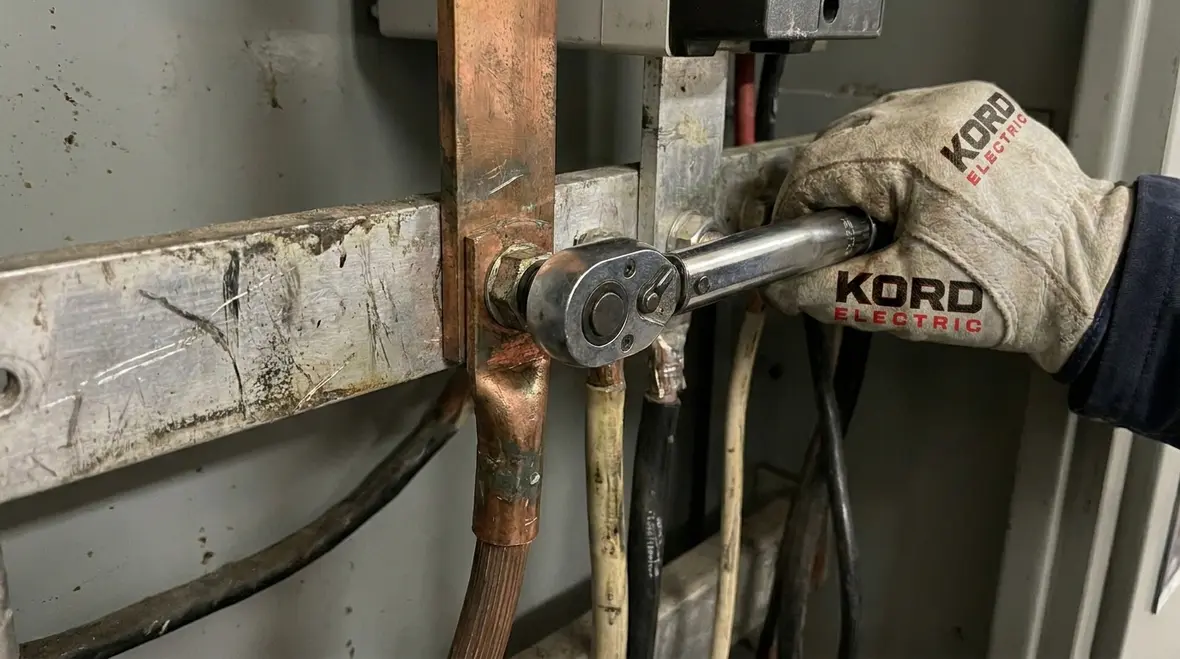
Grounding and bonding sound boring until someone loses uptime. Then suddenly, everyone becomes very interested. The 2020 NEC reinforces how systems provide a safe path for fault current and how bonding should reduce shock and damage. Even small errors can lead to nuisance faults, damaged electronics, or exposed metal parts that should never become energized.
In commercial and industrial settings, these risks show up in electrical rooms, switchgear yards, motor control areas, and service entrances. We regularly find that facilities have equipment installed over many years. Consequently, the bonding paths may not match what modern standards expect, or the installation details may vary from one phase of work to the next. Kord Electric focuses on continuity, correct connection methods, and durable bonding practices that hold up through vibration, heat cycles, and routine maintenance.
Also, grounding and bonding tie directly into how protective devices perform. If the fault current path is not solid, protective devices may not trip as designed. Therefore, our expert service staff walks teams through the “why” and the “how,” then we verify the setup in the field with measurements and documentation that support inspection readiness.
Wiring methods and conductor protection: where code meets the real world
In the field, wiring does not stay still. It moves behind walls, runs through chases, crosses expansion points, and takes on heat from nearby equipment. That is why the 2020 NEC keeps pushing clearer guidance on wiring methods, conductor protection, and how installers select and route conductors. For Kord Electric, this translates into fewer “it should be fine” assumptions and more checkable installation choices.
When conductor protection fails, the consequences can include insulation damage, hidden faults, and equipment failures that look random. However, the reality is that many failures trace back to predictable causes: incorrect use of raceways, missing protections where required, or wiring installed in a way that ignores heat and physical stress. We see this most often during tenant improvement work, equipment add-ons, and phased renovations in large properties.
Because commercial and industrial facilities often expand in stages, we help teams plan for future changes. We also explain how to protect conductors during installation, then again during ongoing work such as cable pulls, modifications, and replacement of damaged segments. Our technicians take a practical approach: we examine the current routing, review the environment, then we align the installation with the expectations set by modern practice and the 2020 NEC.
Emergency and legally required standby systems: don’t gamble with uptime
Emergency power and standby systems matter when the lights go out, when process equipment stops, or when life safety systems depend on reliable transfer. In that world, electrical design must be clear and repeatable. The 2020 NEC includes updates that keep emphasis on how emergency circuits, transfer equipment, and required standby systems support their intended functions.
Here’s the practical issue: many facilities test these systems on schedule, yet still run into problems during real faults. That usually happens because the design details did not fully match how the system behaves under stress. For example, we see misunderstandings about circuit classification, selective coordination expectations, and how systems transition during power interruptions.
Therefore, Kord Electric supports facilities by reviewing the documentation, verifying labeling and circuit identification, and checking the installation details that affect transfer and performance. Then our expert service staff explains what operators should expect during tests, what failure modes look like, and which fixes prevent future headaches. If this sounds like preventative maintenance with a side of sanity, that is because it is.
For facilities that want a structured program around these systems, many teams pair 2020 NEC upgrades with dedicated electrical preventive maintenance services so critical equipment, emergency power, and distribution gear stay tested, documented, and ready.
How inspections, documentation, and electrical testing should flow in 2020 NEC projects
Even when the design follows the code, projects can slip if inspection preparation feels like a last minute scramble. Kord Electric does things in a calmer order. First, we confirm the design intent. Next, we coordinate with general contractors, electrical contractors, and facility stakeholders. Then we plan verification steps so tests and documentation line up with what the inspector expects to see.
In many commercial and industrial projects, documentation becomes the weak link. People assume inspectors only care about the final result, but in reality, they care about evidence. Therefore, our technicians help teams capture key items such as circuit identification, panel schedules, grounding and bonding verification records, and test results tied to the system type and use case.
At Kord Electric, we explain what should be in the packet and when to collect it. And yes, we sometimes have to remind others that “we will document it later” is not a strategy. That line has sunk more timelines than a poorly designed elevator call schedule. Then again, elevators usually behave. Electrical systems mostly do too, once we treat verification like a real step, not an afterthought.
Teams that want to uncover issues before they reach the inspector often combine this work with targeted assessments inspired by guides like the hidden electrical risks in commercial buildings Kord Electric routinely identifies in the field.
FAQ: 2020 NEC updates for commercial and industrial facilities
Why Kord Electric helps facilities move from code to confidence
Other companies may sell a solution. We build a safer path to uptime. When a commercial or industrial facility plans electrical work, Kord Electric uses the 2020 NEC as a baseline, then we apply it with field experience, clear documentation, and practical verification. As a result, owners reduce surprise findings, contractors prevent rework, and operators gain systems they can trust. If you want a calm, professional review of your current electrical setup or a plan for compliant upgrades, contact Kord Electric today and let our expert service staff guide the next step.
For organizations that want to keep that confidence long after a project closes out, pairing code-driven upgrades with ongoing electrical preventive maintenance and emergency electrical services ensures that critical systems stay aligned with the 2020 NEC, ready for inspections, and resilient when real-world faults appear instead of staying on paper.
Whether you manage a campus, manufacturing plant, or multi-tenant property, Kord Electric can help you translate code language into field-ready designs, documented maintenance, and clear response plans. That combination turns the 2020 NEC from a dense rulebook into a working playbook for safer, steadier operations.