2023 NEC Guide for Commercial Building Owners
In this guide, we speak directly to 2023 NEC building owners of commercial and industrial facilities and major property buildings, because you deal with life safety, uptime, and budgets all at once. At Kord Electric, we watch owners get surprised by changes that quietly land in the field like a plot twist. Yet the real story is simpler: the 2023 NEC updates how electrical systems are designed, installed, and maintained for today’s loads and modern hazards. Our expert service staff explains what matters, then our technicians translate it into practical work plans your team can actually approve. And yes, we promise to keep the learning curve from feeling like trying to assemble a ceiling fan in the dark.
How the 2023 NEC impacts commercial and industrial projects
Commercial and industrial buildings do not run on “typical” electrical systems. They run on production schedules, tenant demand, mechanical equipment cycles, electric vehicle loads, and aging infrastructure that has seen more than one “temporary” fix. That is why we help 2023 NEC building owners connect the dots between code language and real-world risk. When the code evolves, it often changes how installers size conductors, manage overcurrent protection, and verify grounding and bonding practices. Furthermore, it can affect inspection checkpoints and documentation expectations.
In practice, owners benefit when the facility team understands the intent: the NEC aims to reduce shock hazards, fire risk, and equipment damage while supporting safe operation under changing electrical conditions. So instead of reacting late, we encourage owners to plan early, coordinate trades, and update maintenance routines. Our technicians can also walk through existing conditions during service calls and flag where a future upgrade is likely to be required, rather than waiting for a failure that nobody budgets for.
What electrical system changes owners should prioritize
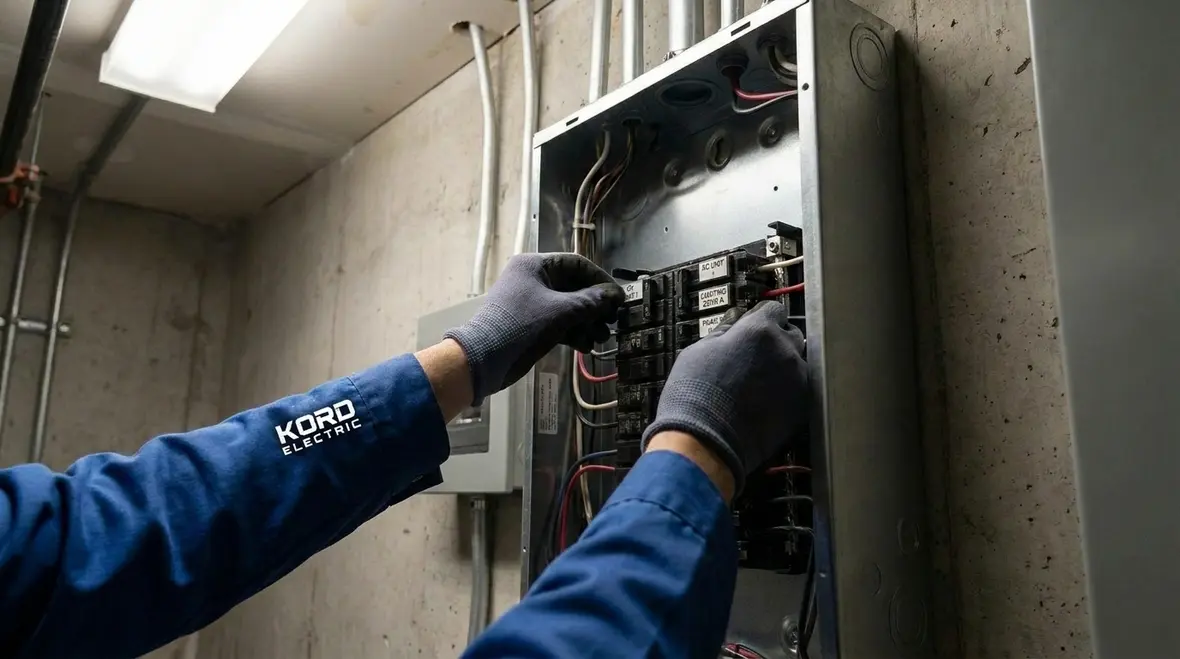
Next, we focus on the areas that most often require attention in larger facilities. For many owners, the “code impact” shows up when systems get modified, expanded, or re-commissioned. Therefore, we recommend an approach that ties the 2023 NEC requirements to your actual electrical one line, panel schedules, and load data.
Our expert service staff typically helps owners prioritize these categories during assessments:
- Overcurrent protection coordination so faults clear safely without turning nuisance trips into an all day event
- Grounding and bonding to protect people and equipment across normal and abnormal operating conditions
- Wiring methods and conductor protection especially in areas that see heat, moisture, vibration, or physical damage
- Service and feeder planning so future additions do not force unsafe shortcuts
Then we add one more reality check. In big buildings, the electrical system is not just a set of parts. It is a network of panels, breakers, busways, transfer switches, and controls. Consequently, when a code update changes one part of that network, it can ripple into test procedures, labeling practices, or how installers verify installations. We make sure owners understand this ripple effect up front.

Panel upgrades, labeling, and documentation that pass inspections
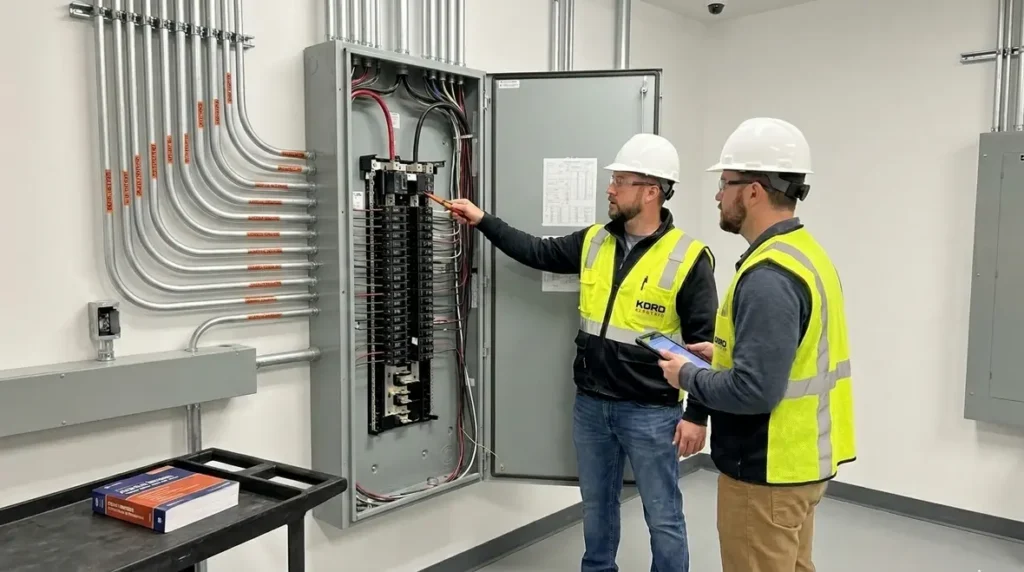
If an inspection fails, the building does not care why. It cares that the work gets done. So we help 2023 NEC building owners prepare for inspection realities before the inspector arrives. Clean documentation saves time, and correct labeling reduces confusion for operators, maintenance staff, and contractors. More importantly, the building team benefits when the electrical system remains understandable over years, not weeks.
Our technicians often see the same problem pattern: the system works, but the records do not match what is installed. In commercial and industrial environments, that mismatch can lead to delays during switchgear troubleshooting, longer lockout tagout sessions, and unsafe assumptions. As a result, we recommend owners require updates when:
- panels are expanded or circuits are added
- breakers or protective devices get replaced
- distribution pathways change due to renovations
- equipment is relocated or control wiring is modified
We also encourage owners to support clear circuit directory labeling and as built one line accuracy. And here is a joke we can live with: nothing breaks faster than an electrician’s patience when labels say “spare” for the tenth time. Good labeling keeps everyone calmer, including the inspector.
For building teams that want to go beyond one time cleanups and maintain strong documentation year after year, a structured program like electrical preventive maintenance for commercial and industrial facilities helps keep panel schedules, inspection records, and test reports aligned with what is actually in service.
Safety, arc flash, and maintenance planning that actually sticks
Electrical safety does not end after installation. It continues through maintenance, testing, and operational changes. That is where many facilities fall behind. When a building keeps running while systems age, safety practices must mature too. Therefore, we help teams connect code compliance to day to day operations.
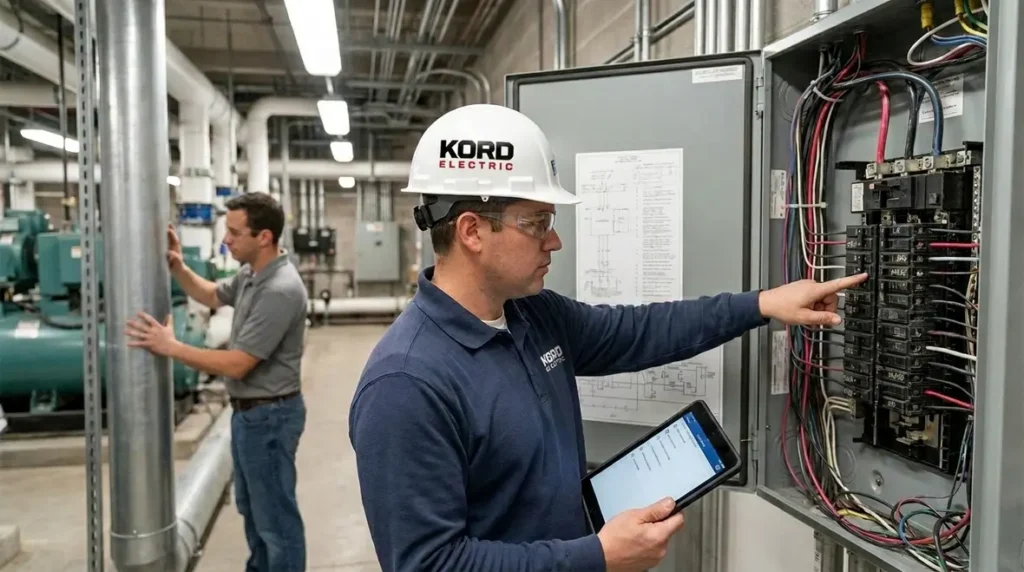
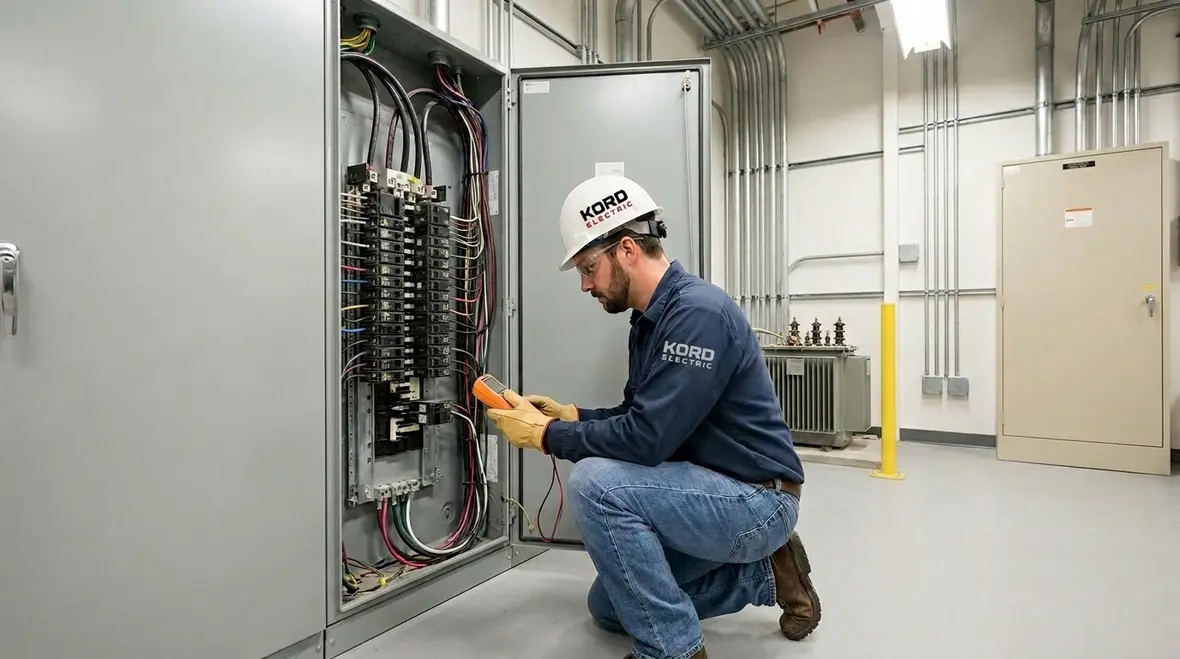
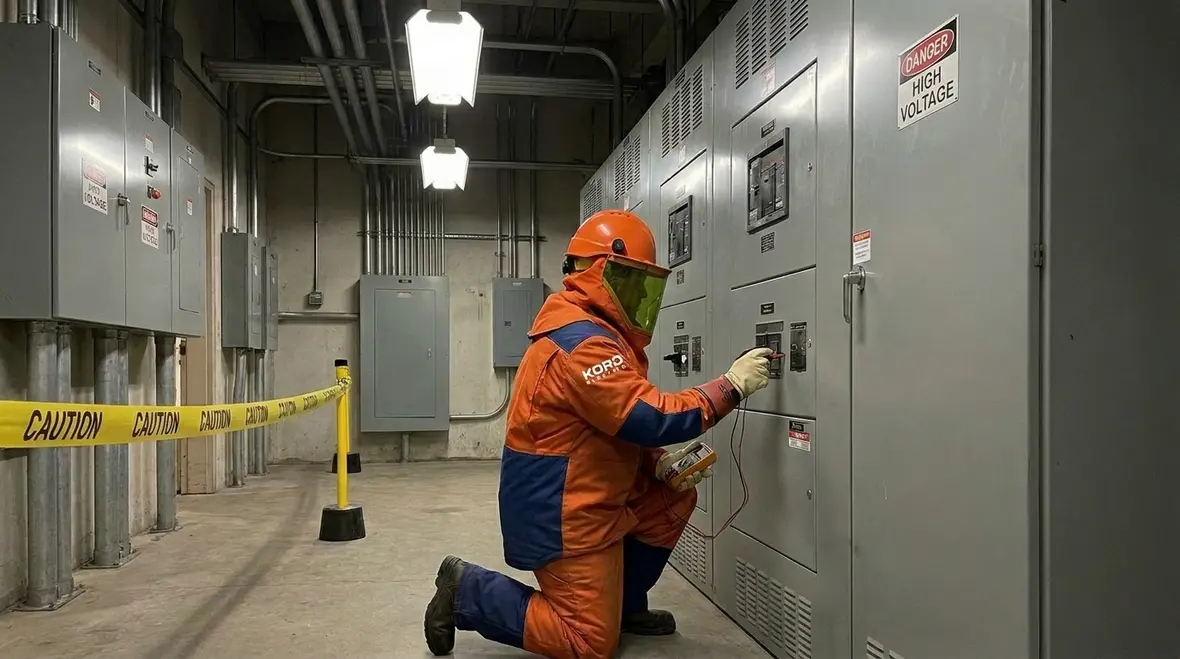
Arc flash safety planning and safe work practices often matter most in high traffic utility areas and major distribution rooms. So we advise owners to make maintenance planning a living program, not a binder that only opens during audits. Our expert service staff can help align maintenance tasks with what the electrical system is doing in the real world. For example, we can support scheduled inspections of terminations, verify torque where appropriate, and check signs of heat or moisture.
Furthermore, we help owners plan for upgrades based on condition, not just calendar time. When you manage the electrical system proactively, you lower the odds of emergencies that disrupt production, tenant services, or building operations. In other words, we help you avoid the “surprise, we need an electrician” moment that always seems to arrive when the building is already busy.
Linking 2023 NEC planning to real-world maintenance programs
The 2023 NEC adds clarity to how systems should be installed and maintained, but it does not run the building for you. That is where a long-view maintenance strategy comes in. Many 2023 NEC building owners pair their compliance efforts with an ongoing commercial and industrial electrical maintenance plan so inspections, testing intervals, and corrective work stay organized instead of reactive.
Coordinating contractors and avoiding costly rework
Now we talk about the part owners feel in their wallets: rework. In large facilities, multiple contractors may touch the same electrical pathways, including switchgear areas, cable trays, lighting controls, and mechanical equipment interfaces. When coordination breaks down, you can end up paying twice. That is why we build compliance thinking into the project workflow.
Our technicians focus on strong communication and clear scopes of work. We also urge owners to require a straightforward compliance review during planning, not after rough in. Then we verify field conditions while work is underway, so the team corrects issues while access is still available.
Owners also benefit when they set clear expectations about testing, documentation, and handoff. For example, we help define what gets measured, what gets recorded, and what gets turned over to facility operations. As a result, the building does not inherit mystery equipment and vague warranties. It inherits a system with known performance and traceable records.
Finally, we recommend owners keep a budget for commissioning and verification. It feels like “extra” until the day a system fails under load. Then suddenly everyone wants verification, and nobody wants to pay for it on a rushed timeline.
Coordinating electrical work with other critical projects
When projects involve lighting, production equipment, or EV charging infrastructure, early coordination becomes even more important. For example, if your facility is planning a lighting retrofit or expansion, pairing NEC-driven upgrades with services like commercial and industrial lighting installation can reduce duplicate work and keep field crews on the same page.
Budgeting for code compliance without freezing projects
Let’s be honest. Owners want compliance, but they also want projects to move. So we help commercial and industrial teams plan the cost of updates in a way that supports schedules. We start by reviewing the electrical distribution path and current system condition. Then we align the next upgrade steps with building priorities like critical load continuity, safety improvements, and phased construction.
That approach reduces the chaos that comes from last minute revisions. Instead of stopping a job because of a code conflict, we plan upgrades so the facility can keep operating while work continues in controlled windows. Additionally, we help owners avoid paying for demolition that was never necessary by confirming pathways and access early.
Our expert service staff also helps owners understand the “why” behind requirements. When stakeholders know the purpose, they can make better decisions about materials, installation methods, and verification steps. Code work should not feel like a threat. It should feel like a plan.
Turning NEC requirements into a phased, facility-wide strategy
For many 2023 NEC building owners, the most effective approach is to treat code alignment as an ongoing strategy instead of a single line item. That can include:
- Bundling upgrades with planned shutdowns or tenant turnovers
- Combining code-driven changes with broader initiatives like EV charger installation for commercial and industrial properties
- Scheduling panel, feeder, and distribution reviews alongside other capital projects
- Using maintenance findings to prioritize which areas get upgraded first
By spreading work across phases and tying it to clear operational goals, owners can stay ahead of code changes without putting projects on ice every time the NEC is updated.
FAQ for 2023 NEC building owners
Contact Kord Electric for a practical 2023 NEC plan
If you want 2023 NEC building owners compliance that improves safety and protects your uptime, we are ready. Kord Electric brings expert service staff and field ready technicians who explain requirements in plain language and then handle the work with disciplined documentation. Contact us to schedule an electrical review for your facility, identify code related risk areas, and build a phased plan that keeps operations moving. Your building deserves more than last minute fixes. Let us help you get ahead.
Whether your next steps involve panel upgrades, distribution redesign, lighting improvements, or new EV charging infrastructure, our team can align your projects with the latest NEC requirements while keeping operations front and center. We work across commercial and industrial sites, campuses, data environments, and major properties, building practical roadmaps that owners, engineers, and facility teams can actually use.
Reach out today to connect your 2023 NEC planning with services like electrical preventive maintenance programs or project-specific upgrades. The right partner turns code updates from a source of anxiety into a structured checklist you tackle on your schedule, not the inspector’s.