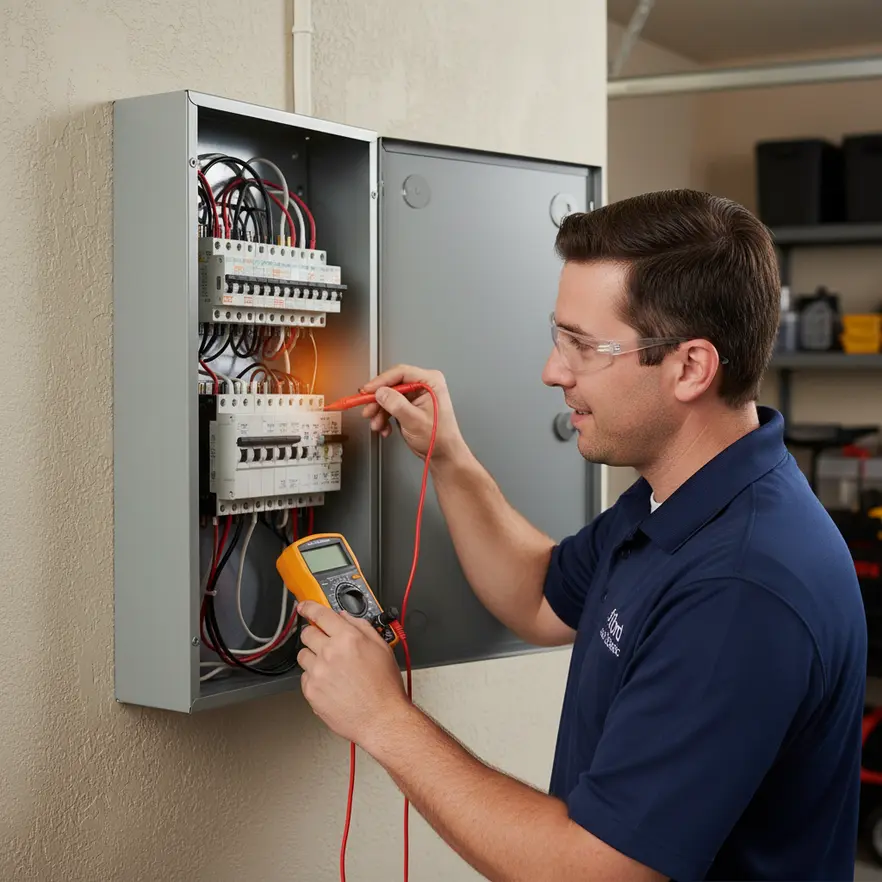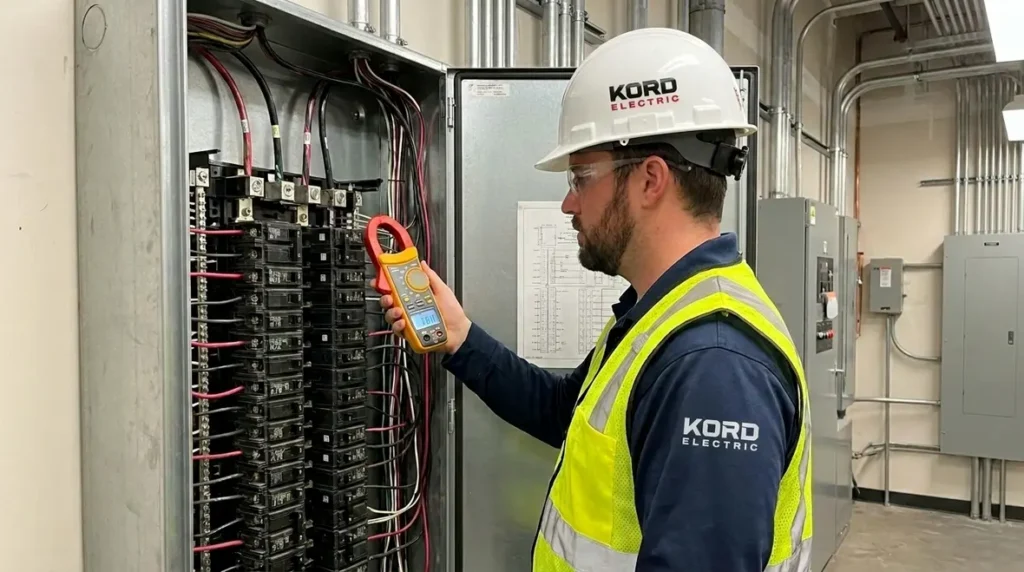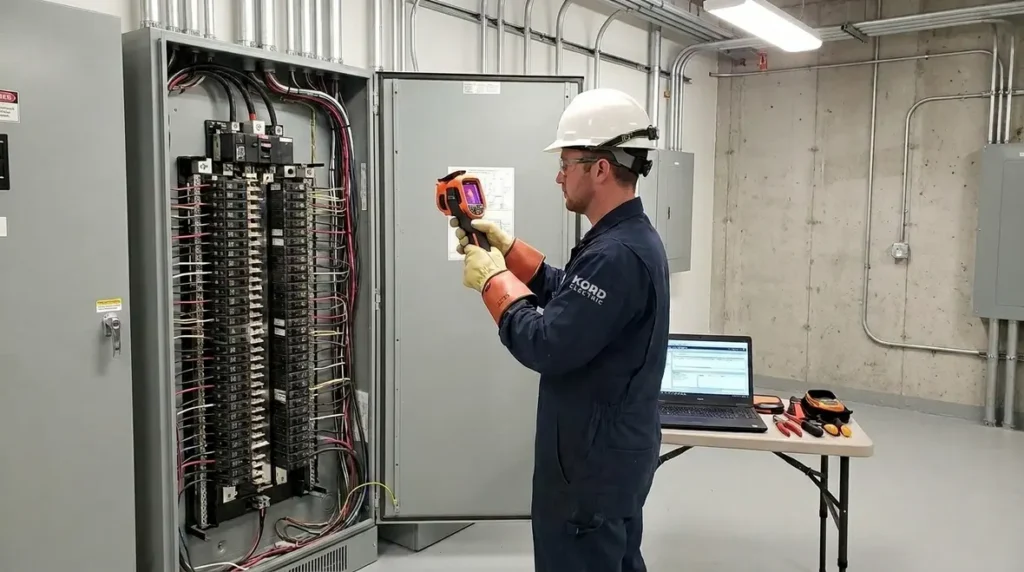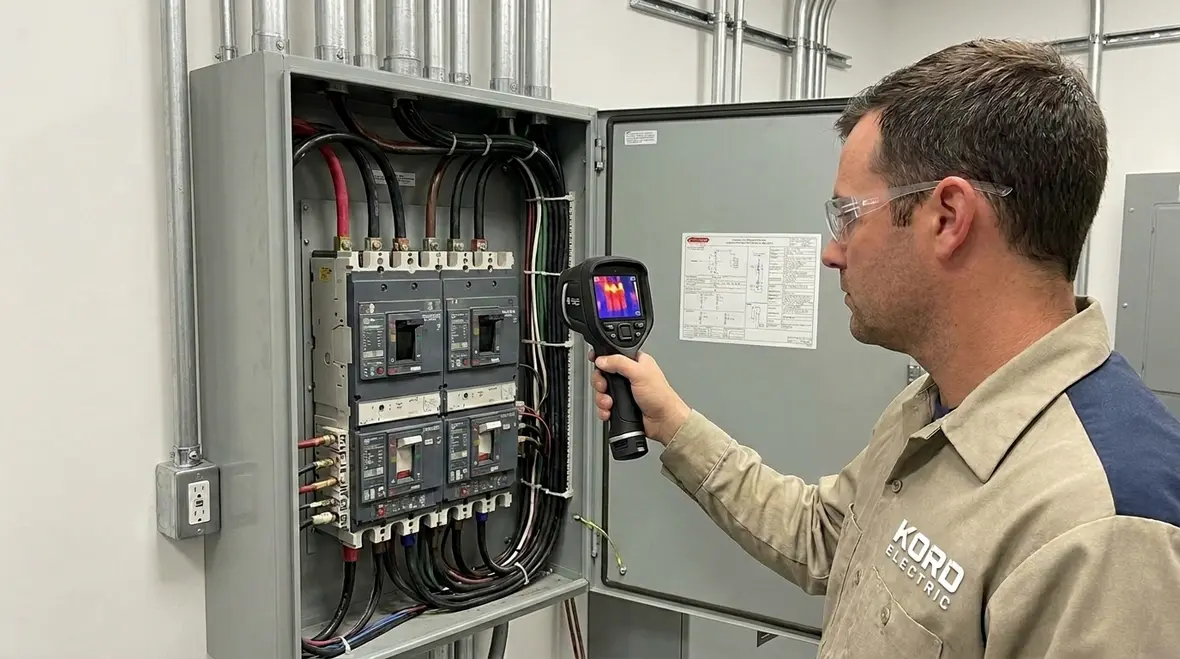
5 Commercial Panel Upgrade Signs You Cannot Ignore
At Kord Electric, we see the same pattern again and again in commercial spaces: the lights flicker a little, the breakers feel warm, and someone says, “It’s probably fine,” like the building is auditioning for a horror movie called Late Fee: The Musical. In this article, we cover five clear signs that a facility needs commercial panel upgrade signs before the next shutdown turns into a surprise meeting with your entire operations team. Then we connect those signs to real uptime needs, because in data centers and other industrial environments, power reliability is not a “nice to have.” It is the job. And yes, our technicians explain what they find in plain language, so the decision does not feel like guesswork.
Commercial electrical panels do not fail all at once
Commercial electrical panels rarely crash on day one. Instead, they drift into risk while staff goes about their routine. Therefore, we focus on early indicators that show stress and aging inside the panelboard, the bus bars, the protective devices, and the wiring terminations. When those components degrade, the panel can still “work,” yet it stops behaving the way your load schedule expects. In other words, it may keep power running while quietly increasing the chance of nuisance trips, overheating, and higher losses.
To be clear, others might blame power coming from the utility. We do not. We treat the panel as part of a system that supports safe distribution, steady performance, and planned capacity growth. Our expert service staff also uses simple visual checks and deeper electrical tests, then they explain the findings in a way your management team can act on quickly.
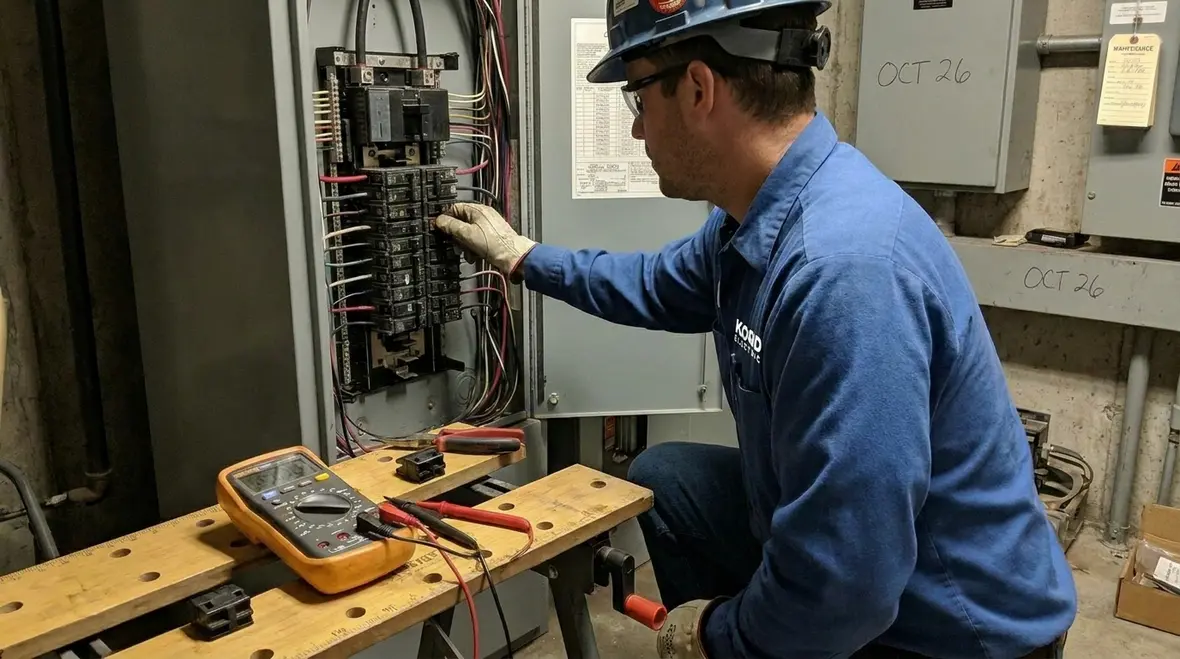
1. Frequent breaker trips or stubborn nuisance faults
When a breaker trips more often than expected, it usually means the panel cannot manage the load conditions anymore. Sometimes the issue looks small at first. However, frequent trips often point to thermal stress, failing connections, damaged components, or circuits that no longer match the panel’s original design. As workloads shift, the panel gets asked to do more, and its protective devices may respond faster, or respond inconsistently.
Also, nuisance trips can disrupt production, HVAC cycles, refrigeration, and critical systems. In a facility that supports uptime, even short interruptions matter. Meanwhile, teams often try to solve this with resets. That strategy works for a moment, but it does not fix what is happening inside the panel.
Our technicians typically track patterns, compare them to operating schedules, and then run tests that clarify whether the root cause sits in the panel or elsewhere in the distribution path. Then we explain the results and what an upgrade would change for your day to day uptime.
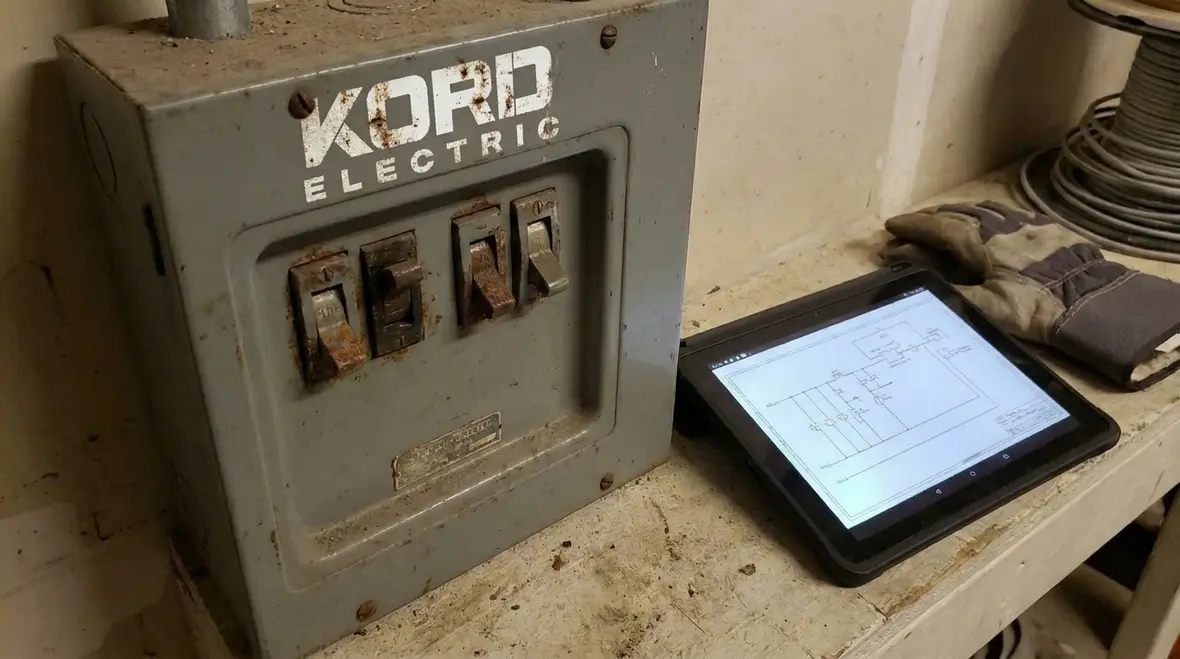
2. Warm panels, hot breaker handles, or repeated smell of overheated insulation
If the panel cabinet feels warm to the touch, that is a sign you should not ignore. Heat builds when current flows through loose or aging terminations, corroded bus interfaces, or damaged internal parts. Over time, heat can harden insulation, weaken connections, and create hot spots that grow worse each day.
And if you ever notice a burning smell, that moves from “maintenance issue” into “risk you should address right now.” I know, that sounds dramatic. Yet electrical failures do not wait for your next quarter’s budget cycle. They behave like a bad neighbor. They show up uninvited and cause trouble.
Kord Electric technicians look for temperature indicators, check torque integrity where appropriate, inspect for discoloration, and evaluate whether the panel assembly can handle today’s load. Then our expert service staff walks facility managers through the exact parts involved and why a commercial panel upgrade may be the safer path.
3. Spare capacity disappearing, even though demand keeps growing
Many commercial and industrial facilities start with a plan. Then operations change. New equipment arrives. Production lines expand. Data or automation adds load. Over time, circuits fill up, and panels run out of room for safe growth. When your team must squeeze additional loads into existing spaces, you create a system that carries more stress than it was designed for.
Moreover, an overloaded panel increases the chance that protective devices operate beyond intended limits. It also reduces your flexibility when you need to reconfigure circuits for maintenance or system upgrades.
In our work with major property buildings, we often help teams align panel capacity with real electrical demand, not just what the building manager “thinks” is used. So, we review current usage patterns, future load plans, and the distribution layout. Then we recommend upgrades that support capacity growth without forcing risky workarounds.
4. Outdated equipment that cannot meet modern safety and performance needs
Some panels still run, and that can trick people into waiting too long. Yet older designs may not support current codes, may lack the right protective features, or may use components with limited ability to handle today’s electrical characteristics. For example, modern loads can create different patterns of demand. Motors, variable frequency drives, and sensitive electronics all change how current behaves.
Furthermore, older panels often lack the documentation and labeling discipline that a well managed facility needs. That makes troubleshooting slower, and it can lead to longer downtime when something fails. In high demand environments, minutes matter, not just the voltage.
Our expert service staff focuses on performance and safety. We compare the panel’s design limits to your equipment needs, then we explain the gap clearly. After that, we propose an upgrade path that supports safe distribution, cleaner organization, and improved maintainability.
5. Corrosion, loose wiring, or missing inspection history
Visual signs matter, and we treat them seriously. Corrosion on panel interiors, rust on enclosures, loose wiring, missing covers, and signs of moisture intrusion can all raise risk. Even when nothing fails today, corrosion can keep working behind the scenes, weakening contacts and increasing resistance.
In addition, when a facility cannot provide inspection history or service records, the team is stuck guessing. Guessing is expensive. It wastes time, and it often delays action until the panel shows symptoms you can no longer ignore.
Our technicians inspect for those physical conditions, then we verify risk with electrical checks. Afterward, we explain what we found and why it matters for safe operation. In commercial and industrial buildings, that clarity helps you choose the right timing for a commercial panel upgrade signs response, rather than rushing after a failure.
Why uptime matters in data centers and major property buildings
In facilities that support critical uptime, power distribution does not act like a background utility. It acts like a main character. Your power system needs stability, predictability, and safe protection against faults. That is why Kord Electric reviews panel performance with the same seriousness we bring to data center electrical planning.
Our blog on data center electrical requirements for uptime highlights how teams must plan for reliability, proper design, and the need to reduce interruption risk through good electrical management. That same mindset applies to commercial panels in the field. When a panel shows stress, it can impact the entire distribution chain, including downstream equipment. Therefore, a panel upgrade is not just about swapping metal. It is about protecting the continuity your business depends on.
Additionally, we help teams coordinate upgrades so operations stay stable. We plan around load needs, schedule the work with care, and communicate expected impacts. Then we leave your facility with a panel system that supports safer operations and smoother troubleshooting later.
What a proper upgrade looks like, from assessment to commissioning
Some companies rush upgrades by swapping parts and calling it done. We do not. We start with a careful assessment. First, our technicians review the panel’s condition, its ratings, its current configuration, and the load profile of the facility. Then we consider how the building operates, including peak demand times and critical loads.
Next, we verify what the panel actually needs, not just what it can fit. We also identify the source of problems like overheating or nuisance trips so the upgrade does not simply move the risk. After that, we build an upgrade plan that supports safe distribution and improves maintainability.
Finally, we commission the new setup. That means we confirm proper operation and document the changes so your team can manage the system confidently. Our expert service staff explains the results, so your people understand what changed and how it affects your uptime targets. And if you are thinking, “Will this take forever?” We will tell you straight: we plan to keep downtime short and work coordinated, because facilities like yours do not run on wishful thinking.
If your facility operates in or around Los Angeles, pairing a thoughtful commercial panel upgrade with regional support such as Los Angeles County electrical services helps align design, installation, and maintenance under one practical plan.
FAQ
Final thoughts from Kord Electric
When you see commercial panel upgrade signs like nuisance trips, heat, corrosion, or shrinking capacity, you do not need a guess. You need a real assessment. Kord Electric serves commercial and industrial facilities and major property buildings, and our technicians explain findings in a clear, calm way so your team can act fast. If your panel is showing stress, contact us for an inspection and a plan for a safe upgrade that supports uptime. Let’s keep your electrical system dependable, not dramatic.
If your site is also planning broader electrical work alongside a panel upgrade, aligning those projects under one plan with a dedicated commercial services team helps control both risk and downtime as your facility grows.
To explore how those planning steps connect across your wider electrical strategy, you can also review how our team supports commercial and industrial facilities throughout Los Angeles County with coordinated reliability work, capacity planning, and upgrades built for long term performance.