Industrial Electrical Fault Analysis for Downtime Prevention
Industrial electrical fault analysis starts with the next fault you can prevent
At Kord Electric, we use industrial electrical fault analysis to find the real causes behind trips, dead panels, and sudden shutdowns before they turn into a full production pause. Our technicians and experienced service staff treat every failure like a story with evidence, not a mystery with luck. First, we inspect how power moves through your system, then we trace where it stutters. Next, we build a troubleshooting plan that reduces operational disruption, so your team keeps running while we handle the issue. And yes, we know outages are like pop quizzes. Nobody schedules them, yet somehow they always show up.
Minimizing operational disruption with structured troubleshooting
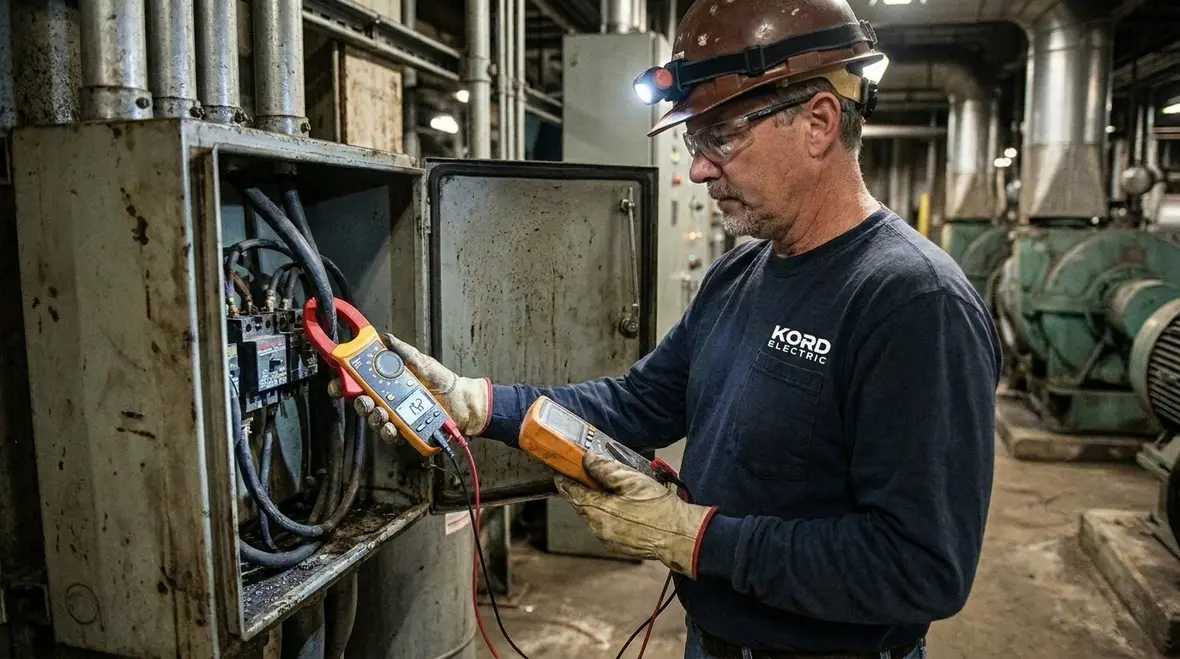
When a fault hits, others often chase symptoms. We do that too sometimes, but we do it in order. We start by confirming what changed, because industrial electrical faults rarely appear from nowhere. Then, we verify safe conditions, isolate sections, and confirm that protective devices did what they were supposed to do. After that, we move into fast industrial electrical fault analysis steps that help prevent repeat failures. That approach protects uptime, but it also keeps maintenance costs from snowballing like an unplanned holiday expense.
To keep disruption low, we prioritize actions that restore power safely and quickly. However, we do not stop at “it works now.” We document readings, compare them to known baseline data, and check for early signs of wear in cables, busbars, breakers, motors, and control circuits. In addition, we coordinate with your operations team so lockout and testing happen when downtime matters least. In other words, we help you stay in the game, not just fix the scoreboard after the fact.
This structured approach lines up naturally with the way we design broader maintenance strategies for major properties. When we see that a facility is constantly firefighting, we often recommend pairing structured fault response with a calm, long-term program like electrical preventive maintenance so recurring issues do not quietly rebuild themselves behind closed panel doors.
How we pinpoint the root cause in industrial panels and motors
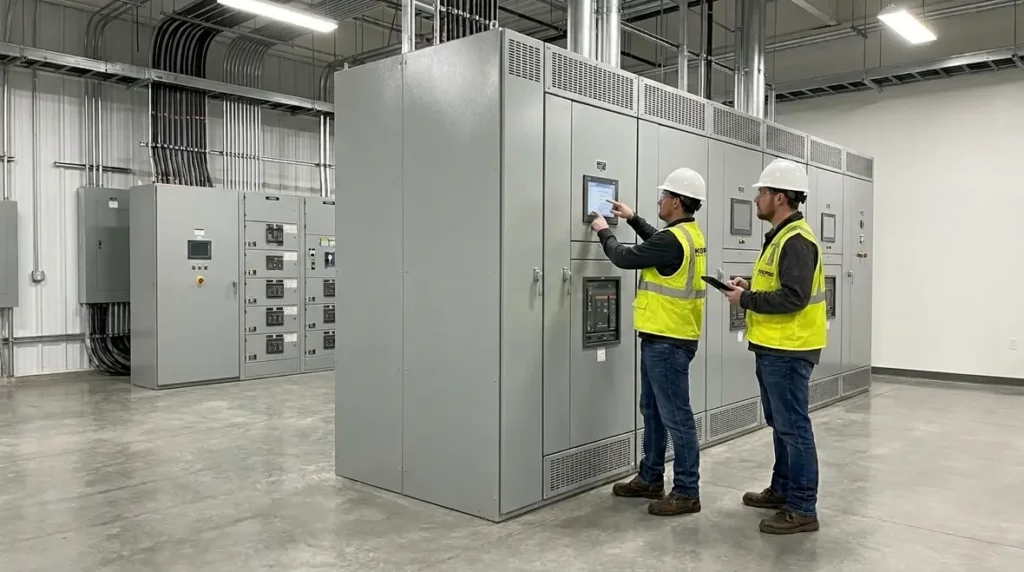
Industrial facilities do not fail politely. A breaker trips, a starter chatters, or a drive throws a code, and suddenly multiple crews show up at once. So we slow everyone down, in a calm way. Our technicians use a clear fault isolation path that covers power quality, protective coordination, and component condition. For example, when we see repeated trips on a breaker, we check for overload conditions, insulation breakdown, loose terminations, and signs of arcing. Then we verify if the breaker curve matches the expected duty.
For motors and feeders, we examine common culprits that create real operational drag. We look at phase imbalance, grounding issues, and starting current spikes. We also check motor insulation health, because degraded insulation often starts as subtle symptoms long before it becomes a hard stop. Furthermore, we review control wiring and interlocks, since many “electrical faults” are actually control logic stuck in the wrong state. And when somebody says “it must be the breaker,” we smile gently, because sometimes the breaker is just the messenger.
In many commercial and industrial environments, our industrial electrical fault analysis blends into a wider troubleshooting checklist that also includes power quality, coordination studies, and, when needed, recommendations that align with NFPA maintenance expectations. That way, each event becomes part of a bigger reliability story rather than a one-off scare.
Common fault patterns we see in commercial and industrial buildings
Across major property buildings and commercial and industrial sites, we regularly encounter the same high frequency failure patterns. First, we see nuisance tripping caused by loose connections, moisture intrusion, or failing sensors. Next, we see single phasing events tied to contactor wear, feeder issues, or damaged conductors. Then we see control cabinet problems such as intermittent signals, bad terminals, or worn relays that act like they cannot make up their mind.
We also see power quality complaints that look random. Yet random problems often follow a pattern. Voltage dips and harmonics can stress drives and control power supplies. If you run large loads like HVAC systems, compressors, and process equipment, the system can behave like a crowded restaurant kitchen. Everything is fine until one item changes, and then the whole line slows down. Our industrial electrical fault analysis focuses on that “what changed” moment so the solution is stable, not temporary.
These recurring patterns are one reason we encourage facility leaders to think about fault reduction and maintenance as the same conversation. When we identify a pattern, we do not just clear the immediate fault; we recommend schedule-friendly checks that fold into a broader commercial and industrial electrical maintenance plan so the same issue does not keep sneaking back during critical shifts.
Prevent faults before they cause downtime with preventive maintenance
Troubleshooting is essential, but prevention reduces the need for it. Our approach aligns with our electrical preventive maintenance program, where we inspect, test, and tune equipment on a planned schedule. We do not treat maintenance as a checkbox. Instead, we look for trends. When readings drift, that drift becomes a warning, and our service staff explains what it means in plain language, so your team can plan work without panic.
Our technicians review breaker operations, verify torque on critical connections, test insulation resistance, and check for signs of heat damage. They also inspect terminations, bus systems, and grounding paths. In addition, they assess control panels and protective devices for signs of wear. This work helps catch insulation weakness, oxidation, and mechanical fatigue before the equipment fails under real load conditions. If your facility is a major property building or a commercial and industrial site, this kind of routine effort protects both operations and safety.
So while others wait for a failure, we build confidence. And yes, sometimes clients tell us they like preventive maintenance because it feels like showing up early to work. It is not exciting, but it saves you from the stress later. When that preventive effort is tied to clear reporting and aligned with offerings like dedicated electrical preventive maintenance services, it becomes a long-term reliability strategy instead of a single project.
For facilities building out comprehensive programs, we often connect individual site plans with a centralized strategy inspired by the guidance in commercial and industrial electrical maintenance planning. That ensures local inspections, documentation, and capital upgrades all point toward the same reliability targets.
Safe field response: what our team does when the lights go out
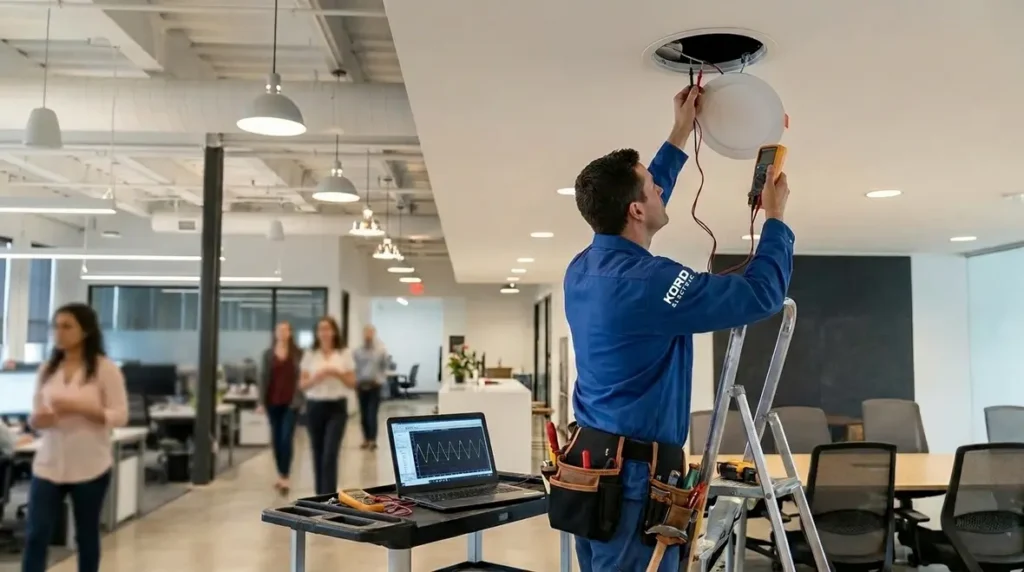
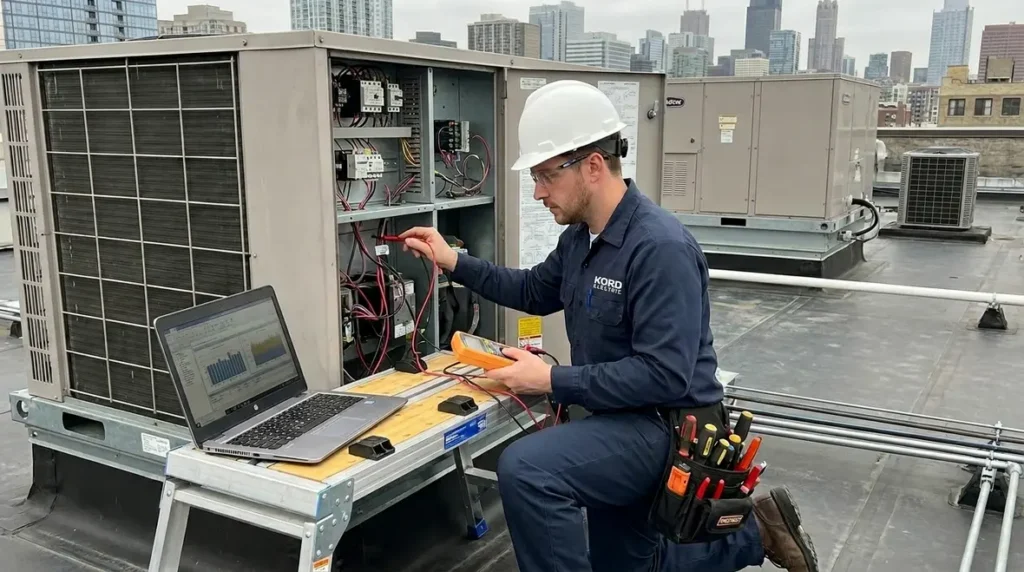
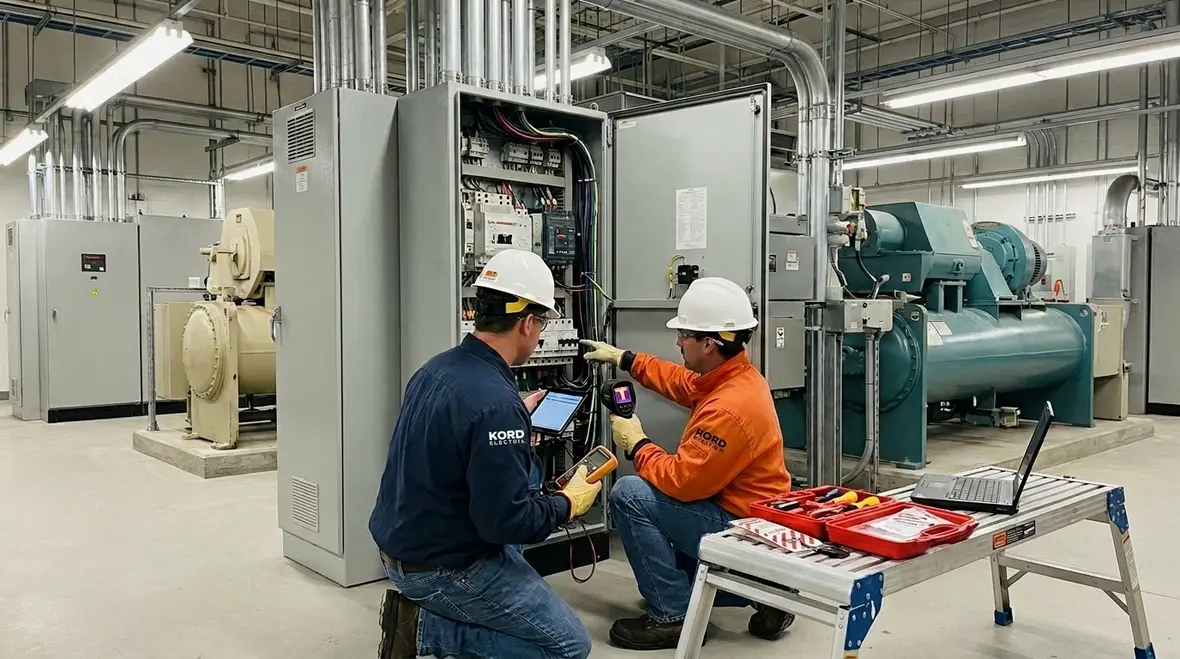
When an event happens, we respond like professionals, because safety comes first. Our technicians confirm lockout and test before touching components. Then we gather data: alarm history, last maintenance logs, time of failure, and any operational changes. After that, we perform targeted tests that support industrial electrical fault analysis, such as checking phase balance, measuring insulation resistance, and verifying control power stability. We also inspect physical conditions, like discoloration, hotspots, and damaged cable jackets.
In the field, speed matters, but so does accuracy. Therefore we use a step by step method to avoid guesswork. We check protective device settings and compare them to design intent and actual load behavior. Then we verify whether a trip occurred due to a true fault or due to a condition that the protection system interpreted as dangerous. Finally, we restore power and provide a clear plan for long term correction, not just a temporary workaround.
Because many of our commercial and industrial clients operate around the clock, we also coordinate this response with their internal playbooks, from emergency electrical procedures to the way they notify tenants or production teams. That coordination keeps responses calm even when the initial event was anything but.
Keeping reports clear: how we explain faults to your maintenance and ops teams
Many reports read like a foreign language with a circuit diagram. We avoid that. Our expert service staff explains findings in a business friendly way, so facility managers can make decisions without hiring a translator. We connect the industrial electrical fault analysis results to practical next steps, such as which components need repair or replacement, what caused the fault, and what conditions will likely trigger recurrence.
We also include a risk view. For instance, if we see signs of overheating at a terminal, we explain how that heat can lead to higher resistance, further temperature rise, and eventual failure. Then we suggest actions that match your outage tolerance and maintenance windows. Moreover, we help you align electrical work with operations scheduling, so your staff does not feel blindsided.
And if you are thinking, “Will I understand this without an electrical degree?” The answer is yes. Our team keeps it clear, calm, and useful. The goal is not to impress you with jargon. The goal is to keep your facility stable. When needed, we also point decision makers toward focused resources—such as preventive maintenance guidance or labeling best practices—so internal teams can keep improving between service visits.
FAQ: quick answers for facility teams
Call Kord Electric for fault reduction you can feel
If your facility runs on uptime, you need more than quick fixes. Kord Electric brings structured troubleshooting, industrial electrical fault analysis, and preventive electrical maintenance planning to commercial and industrial sites and major property buildings. Our technicians and expert service staff explain what they find and what to do next, so your team can act with confidence. Reach out today and let us help you reduce repeat faults, minimize downtime, and keep your power system steady. We will handle the hard part, while you keep the work moving.
For organizations operating across Los Angeles County and surrounding areas, our field teams also support larger reliability goals with services built specifically for high demand environments. From targeted troubleshooting and maintenance to broader upgrades, our Los Angeles County electrical services help facility teams align day to day operations with long-term system health.
Whether you are addressing a single recurring fault or building a full reliability roadmap, we are ready to help you move from reactive repairs to a calmer, more predictable electrical strategy.