Warehouse EV Charging Strategy and Installation
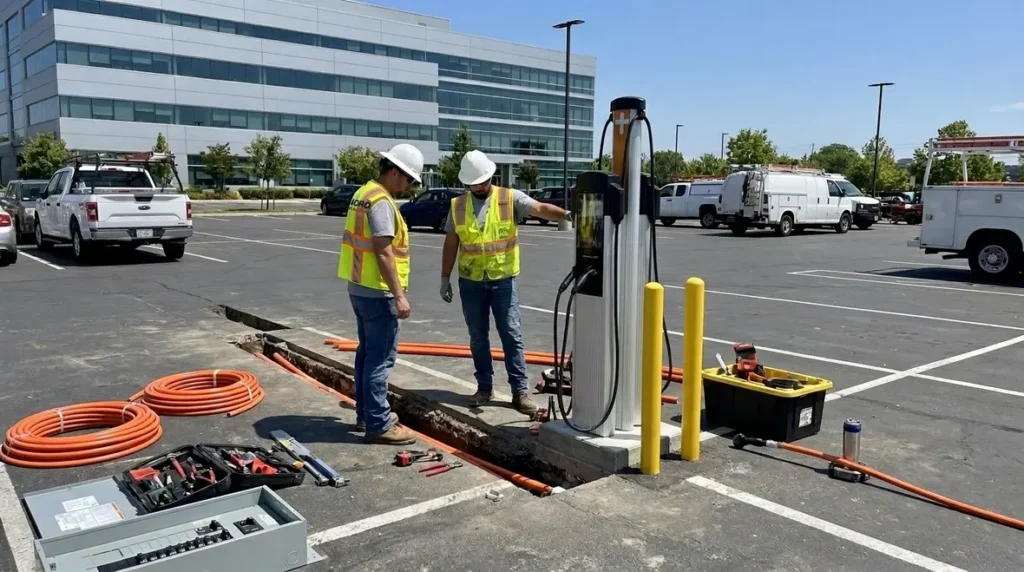
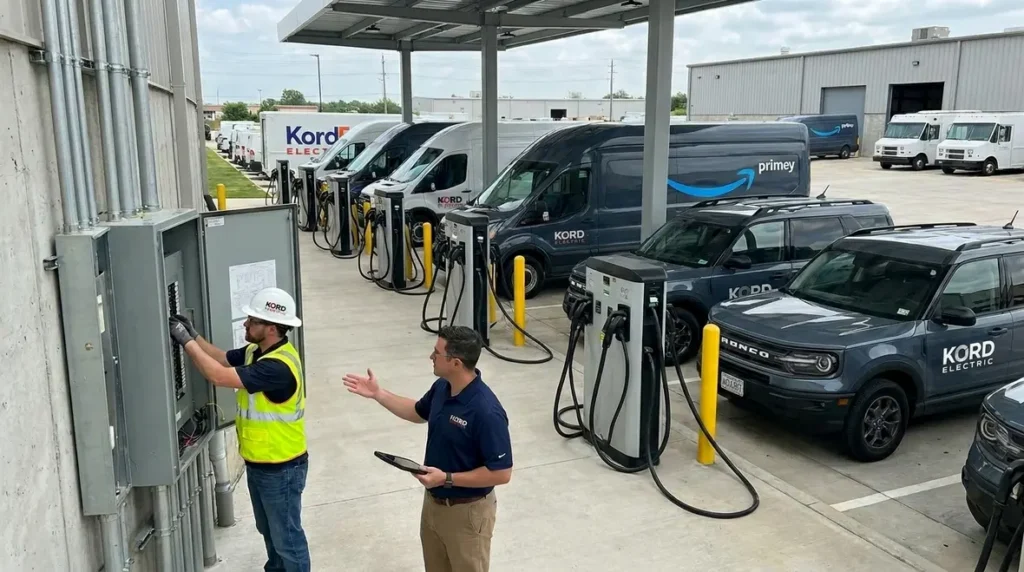
At Kord Electric, we begin with a clear warehouse ev charging strategy before we ever touch a tool. First, we map the site flow for people and power, then we plan the electrical path, and finally we pace the install so your operation keeps running. In the early stage, our team, led by skilled technicians and backed by our expert service staff, reviews your real usage patterns, your current electrical capacity, and your future growth. After that, we design a phased rollout that fits leases, tenant needs, and building timelines.
Because a “charger for everyone, today” plan is like ordering a pizza for the whole office and expecting it to land on time with no delivery drama. Still, when we plan well, the result feels calm, efficient, and built to last.
Commercial site readiness for EV charging in warehouses
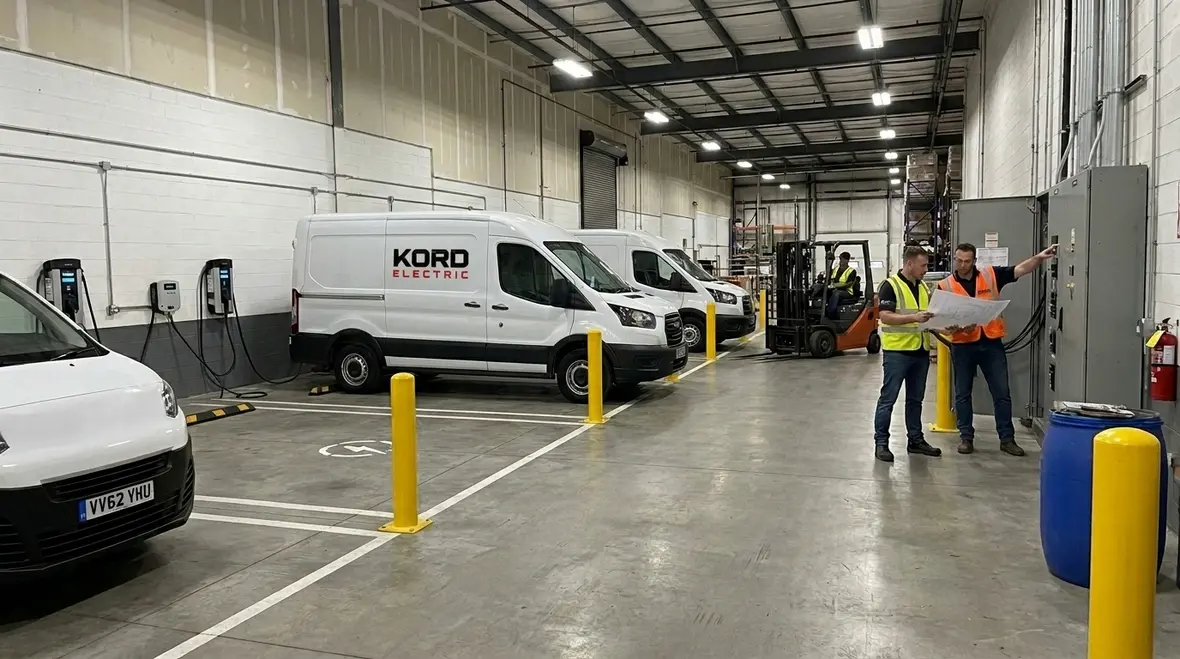
In commercial and industrial facilities, readiness comes down to two things: power and operations. Therefore, we start by walking the property with your team and listening to how the warehouse actually runs. We ask what happens during peak shifts, where vehicles stage, and when drivers typically plug in. Next, we check what the building can support today, including panel capacity, available feeders, and any known constraints in the electrical room.
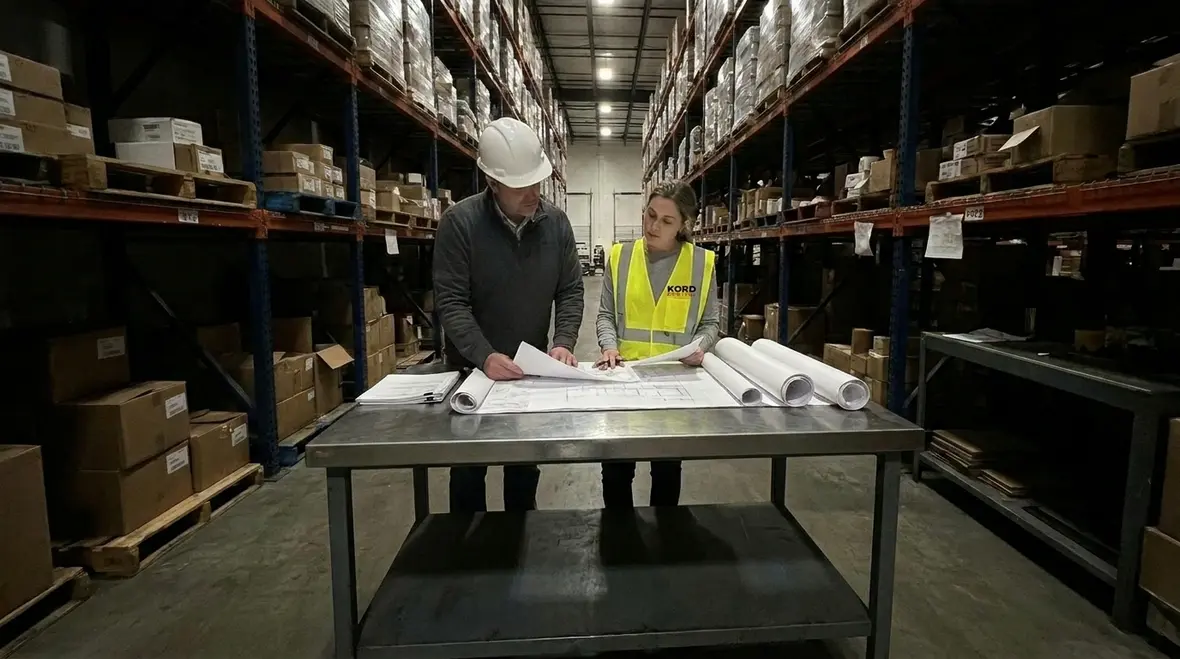
At this stage, our technicians explain what matters in plain terms. They do not hide behind jargon. Instead, they show where the load will land and why that affects uptime. Then, if a site needs upgrades, we describe a phased plan rather than a single disruptive move. As a result, your business avoids the “power is fine until it isn’t” surprise that nobody wants to explain to management.
Once we finish the first review, we prepare a site readiness plan that covers layout, cable routes, and the expected service path to support your fleet and visitor charging needs. We keep this focused on commercial warehouse, distribution centers, and major property buildings, because that is our lane. For a deeper dive into planning costs and site conditions, many facility teams also review our commercial EV charging installation cost guide, which walks through how power, layout, and trenching shape the overall budget.
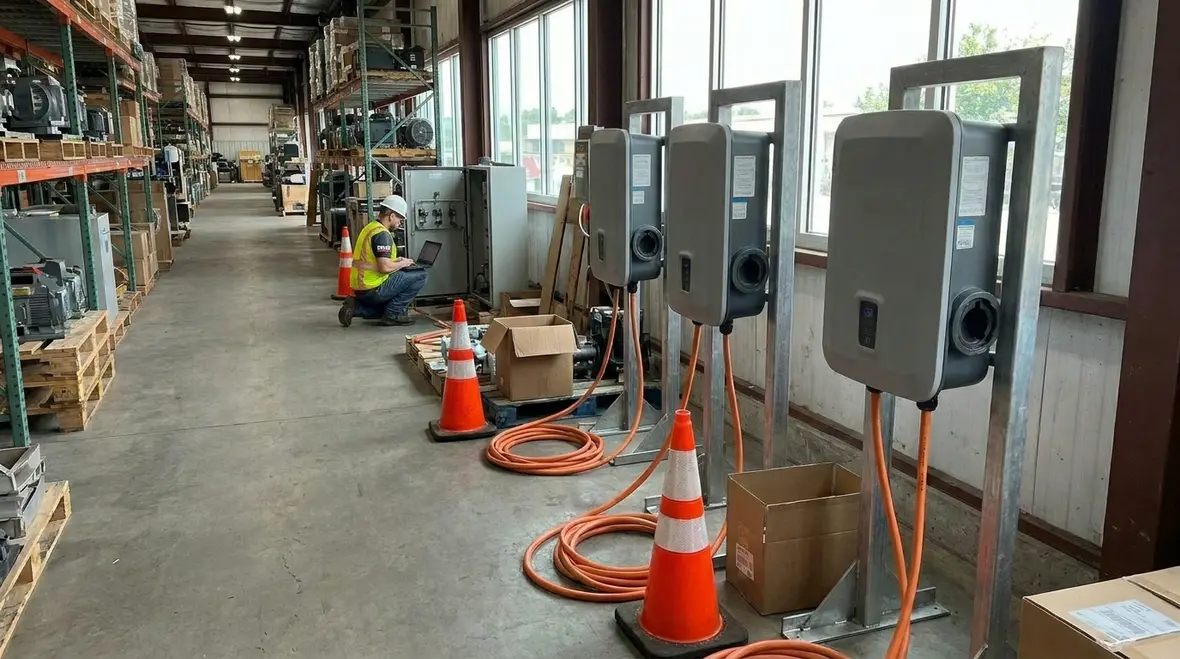
How we size power and plan electrical distribution
Power planning should not feel like guesswork. So we build a sizing approach that fits your real demand. First, we estimate vehicle mix and charging behavior based on shift schedules, typical dwell time, and charging targets. Then we calculate electrical load growth, including future additions, tenant expansion, and seasonal changes.
From there, we plan the electrical distribution in a way that protects performance. We also decide whether we need dedicated circuits, load management, or upgrades to gear such as transformers or switchboards. Importantly, we do this in coordination with building rules and electrical codes. We are not interested in fast fixes that create long term risk.
Our expert service staff then shares the logic in a way that your facility manager can use. They explain how a well sized setup supports stable charging, while a rushed plan can cause slow charging, repeated trips, or costly rework later. To make it easier, we often include a simple “what we found, what we recommend, and what we do next” outline so everyone stays aligned.
When a warehouse is also considering broader infrastructure work, that same electrical roadmap can connect to services like Los Angeles County commercial electrical services, panel upgrades, and voltage stability improvements. This keeps your warehouse ev charging strategy in sync with the rest of the building instead of treating chargers like a separate universe bolted on at the edge of your operations.
Permits, code, and inspections that keep projects on schedule
Next, we manage compliance like it is part of the build, because it is. Commercial installations in warehouses require careful handling of permitting, plan review, and inspection expectations. Therefore, we prepare documentation early and keep the design consistent with what inspectors look for in the field.
We coordinate steps so that each milestone supports the next one. While other teams may treat paperwork as an afterthought, we build the workflow to reduce delays. Consequently, your install day becomes a day of work, not a day of waiting.
Our technicians explain the practical inspection points that can slow things down if you miss them. For example, they cover layout rules, conduit and raceway planning, grounding and bonding, and how signage and labeling should match the design. And yes, we also remind people that charging equipment is not a “plug and pray” situation. The code does not laugh at jokes.
Because our team works daily with national electrical code requirements and local standards, you get a permitting and inspection path that feels organized instead of chaotic. That same mindset shows up in our broader code-focused work, from panel labeling to NFPA 70 compliance, and it carries straight into every warehouse ev charging strategy we build.
Phased rollout and load management for busy operations
Even the best chargers fail if the rollout disrupts operations. So we design a phased schedule for warehouse operations that keeps parking, staging, and safety clear. We plan for how many chargers you need now, how many you can add later, and where downtime is acceptable during construction.
In many cases, we apply load management strategies so the facility can charge multiple vehicles without overloading the system. This approach helps when your building has limited spare capacity or when you expect gradual growth in EV adoption. At the same time, it keeps users satisfied, because charging performance stays predictable.
Our team also considers how vehicles connect during different shifts. For instance, drivers who return later may need different charging timing than drivers who arrive at the start of a shift. Thus, a phased plan plus smart distribution helps us deliver a stable experience across the whole operation.
And if you worry that phased means slow, here is the reality: it means you move fast in the right order. Like a good playlist, it hits the right beats without repeating the chorus every minute. For warehouses that are planning to grow, this approach pairs well with broader EV charging infrastructure scalability, where we design each stage so the next round of chargers connects cleanly instead of forcing you to start from scratch.
Site layout and safe cable routing for industrial environments
Layout is where good planning turns into safe daily use. We design the charger placement to support real vehicle flow and to prevent bottlenecks. That includes placement near staging zones, clear turning paths, and safe separation from pedestrian traffic and other site hazards.
Then we plan cable routing with durability in mind. Warehouses see heat, dust, heavy traffic, and occasional impacts. Therefore, we choose routes and protection methods that match the environment. We also plan for access during maintenance, because future service is normal. If you make maintenance difficult, you will pay for it later with downtime. We prefer prevention over heroics.
Our technicians explain routing decisions and show how we avoid common mistakes, such as runs that interfere with other construction, cable exposure that invites damage, or placements that complicate snow removal, cleaning, or forklift movement. And while you may not need to speak fluent electrical, we make sure you understand what we are doing and why it matters to your safety program.
This is also where we connect warehouse EV charging to the rest of the building’s risk profile. Clean routing, proper protection, and thoughtful separation from critical equipment all reduce the odds of nuisance outages and unexpected repairs. In other words, the layout is not just about where someone parks to plug in. It is about how the entire warehouse breathes around that new infrastructure.
Commissioning, training, and ongoing service for long term performance
Once the equipment is installed, we do not treat the job as finished. We commission the system and verify performance under real conditions. Then we test key features such as communication, load behavior, and fault responses. This helps ensure the chargers work as designed on day one and continue to work after the first busy week.
Next, we train your facility team. Our expert service staff walks through basic operations, how to report issues, and how to handle simple user steps without delay. We also cover what to expect during scheduled maintenance, so no one is surprised when service work needs to happen.
For commercial and industrial customers, long term success also depends on response time. Our service approach includes support that respects business schedules. We plan maintenance windows and escalation steps so your operation stays steady.
In short, we build the charging experience you can trust, not a project that disappears after the ribbon cutting. Yes, we know some people still think “installed” means “done.” In our world, it means “ready to perform.” And when you are ready to translate your warehouse ev charging strategy into a live system, our dedicated EV charger installation services take that plan all the way from drawings to working ports on the wall.
FAQ
Commercial outcomes and the next step with Kord Electric
If you want EV charging that supports your operations instead of interrupting them, we are ready to help. Kord Electric builds a warehouse ev charging strategy that balances power planning, layout safety, compliance, and phased deployment. Our technicians and expert service staff explain the decisions in clear terms, then deliver a system built for performance and long term support. Contact us for a commercial site review, and we will map a practical path from today’s capacity to tomorrow’s fleet growth.
Whether your property is an active distribution hub, a multi-building industrial campus, or a logistics yard that never really sleeps, our team designs charging that fits the way your site actually moves. And when your plan is ready to move from concept to conduit, our commercial EV charger installation services keep the work coordinated, compliant, and focused on uptime instead of drama.
To get started, you can schedule a walkthrough, share your current fleet and tenant mix, and tell us how you expect demand to grow over the next few years. From there, we align your warehouse ev charging strategy with a practical install plan, clear cost expectations, and support options that match your risk tolerance. Then we get to work building charging that feels as steady as the rest of your critical electrical infrastructure.