
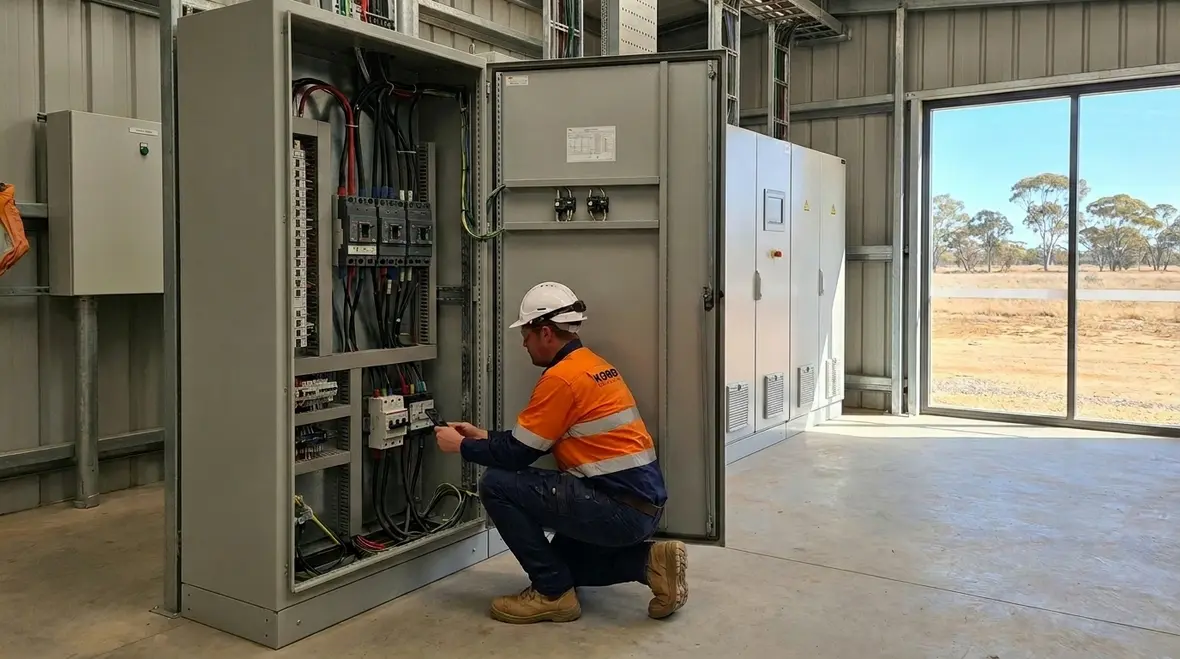
Australia Electrical System for Commercial Power
Australia does not run on one simple set of rules for power. Instead, the Austrialia Electrical System reflects local climate, distance, regulation, and the very real fact that power must keep working through heatwaves, storms, and long nights. At Kord Electric, we help commercial and industrial facilities and major property buildings manage that reality with safe design, smart upgrades, and clear maintenance. Our technicians and expert service staff explain what they see in plain terms, so building managers do not have to guess whether a problem is “probably fine” or “dangerously loud,” like a sitcom character refusing to read the warning label.
What makes the Austrialia Electrical System different for commercial sites
In commercial and industrial buildings, electrical design needs to handle more than just day to day outlets. Power systems must manage inrush currents from motors, steady loads from plant, and fluctuating demand from lighting and air systems. At the same time, local installation practices and compliance expectations shape how switchboards, earthing, cabling routes, and protective devices get chosen.
To that end, our approach starts with understanding the site load profile, the supply method, and how the facility actually operates across shift changes. Then we compare that with what the Austrialia Electrical System demands for protection, coordination, and safe isolation.
Next, we look at how fault conditions behave in the real world. A theoretical design is not the same as what happens when a pump fails at 2 am. Therefore, our team checks protective device settings, insulation paths, and the physical condition of distribution equipment, so the system trips where it should and keeps critical processes running where it must.
How earthing and bonding protect people and plant
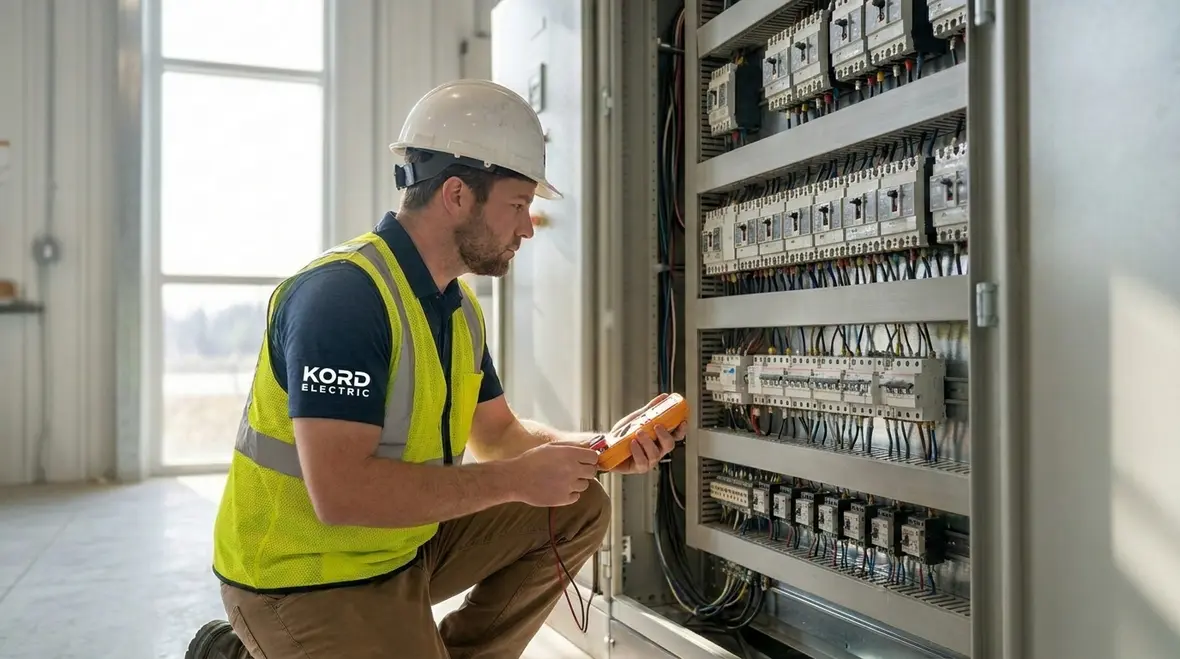
Earthing and bonding sit at the core of any resilient power system. However, in major facilities, small weaknesses can grow into big failures. Corrosion, loose connections, cable damage, and mismatched bonding points can increase touch voltage risk and reduce the reliability of protective trips.
Our expert service staff often explains it like this. Imagine the building is a city, and earthing is the emergency route. If that route has missing signs or blocked bridges, people do not arrive safely, and equipment does not behave predictably.
So we verify earthing continuity, check bonding effectiveness, and confirm that protective devices respond within required time and current ranges. We also identify where upgrades should happen first, because not every job needs to be a full rebuild. For many sites, targeted corrections to the earthing grid and bonding links restore performance quickly and reduce risk.
Protection and selectivity in industrial power distribution
Commercial and industrial sites want two things at once: safety and stability. Yet protection systems can become annoying if they trip too early or in the wrong place. That is why selectivity matters. Selectivity means a fault clears at the closest suitable device, so the rest of the facility keeps operating.
Meanwhile, modern equipment adds another layer. Variable speed drives, data halls, and high efficiency HVAC systems change load patterns and can affect how current behaves during disturbances. As a result, the protection strategy must account for inrush, harmonics, and device coordination.
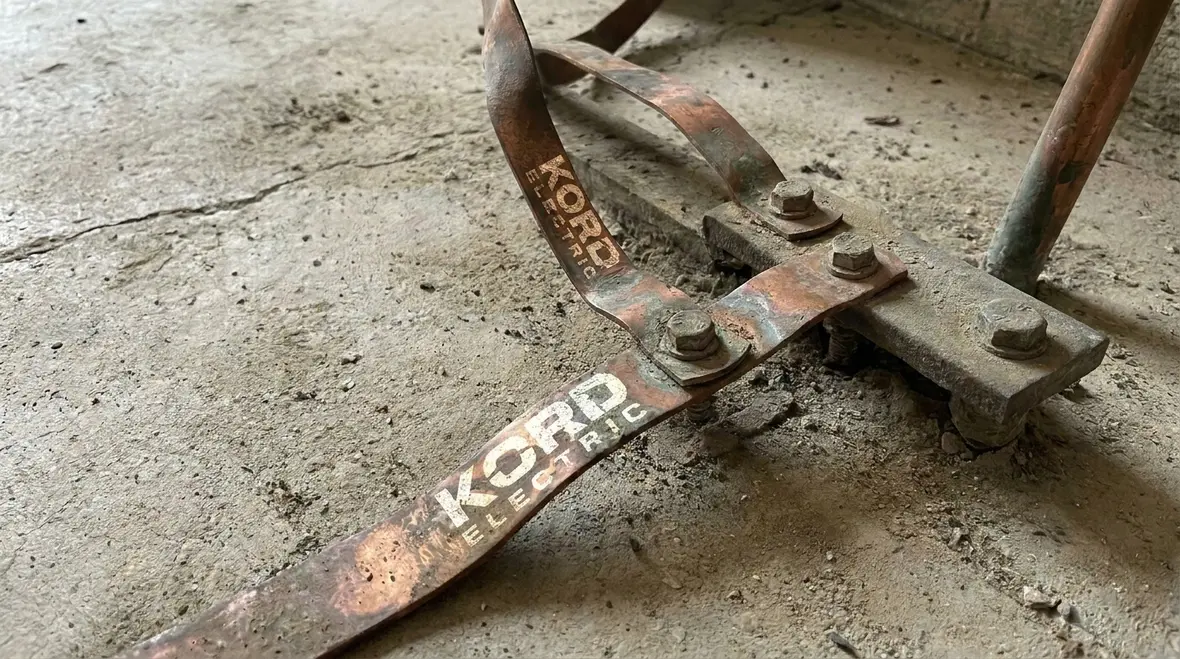
At Kord Electric, we work through the system from upstream to downstream. We examine switchboard labeling, breaker curves, fuse coordination, and downstream fault ratings. Then we test and validate how the system reacts during abnormal conditions. Our technicians explain the outcomes step by step, and they show building teams what changes reduce nuisance trips without compromising safety.
Managing harmonics, load spikes, and real operating conditions
Power quality is not a luxury for businesses. It is a business advantage. When harmonics and load spikes run unchecked, equipment can heat up, controls can misread signals, and sensitive loads can suffer performance loss. Over time, that can turn small problems into expensive downtime.
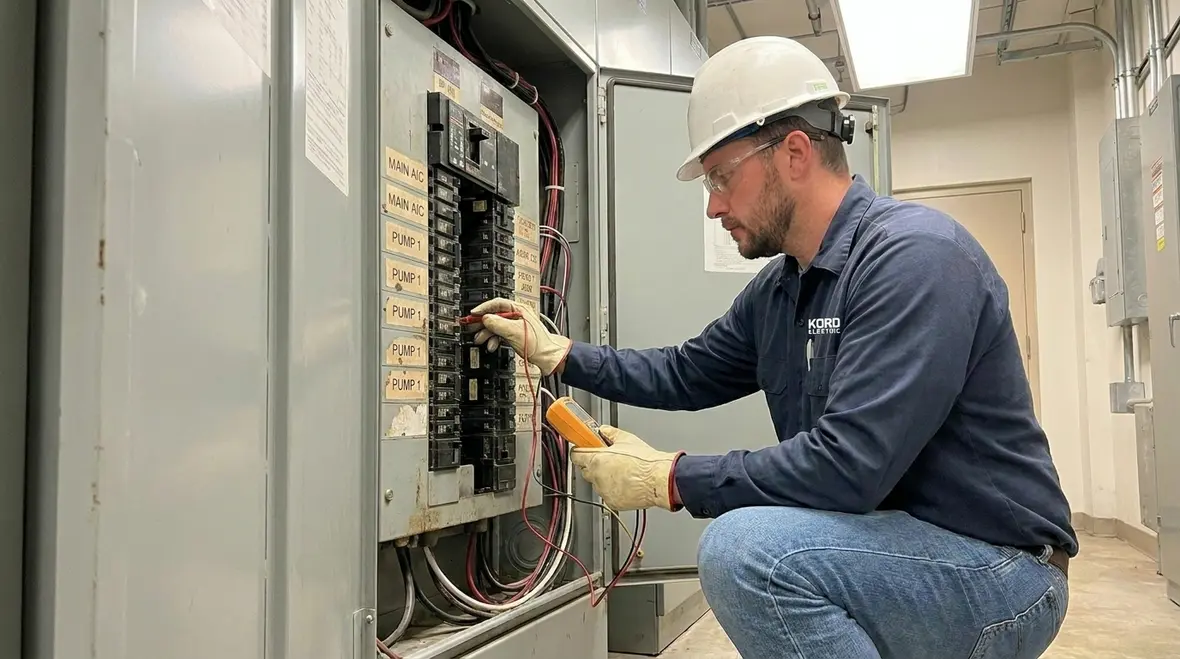
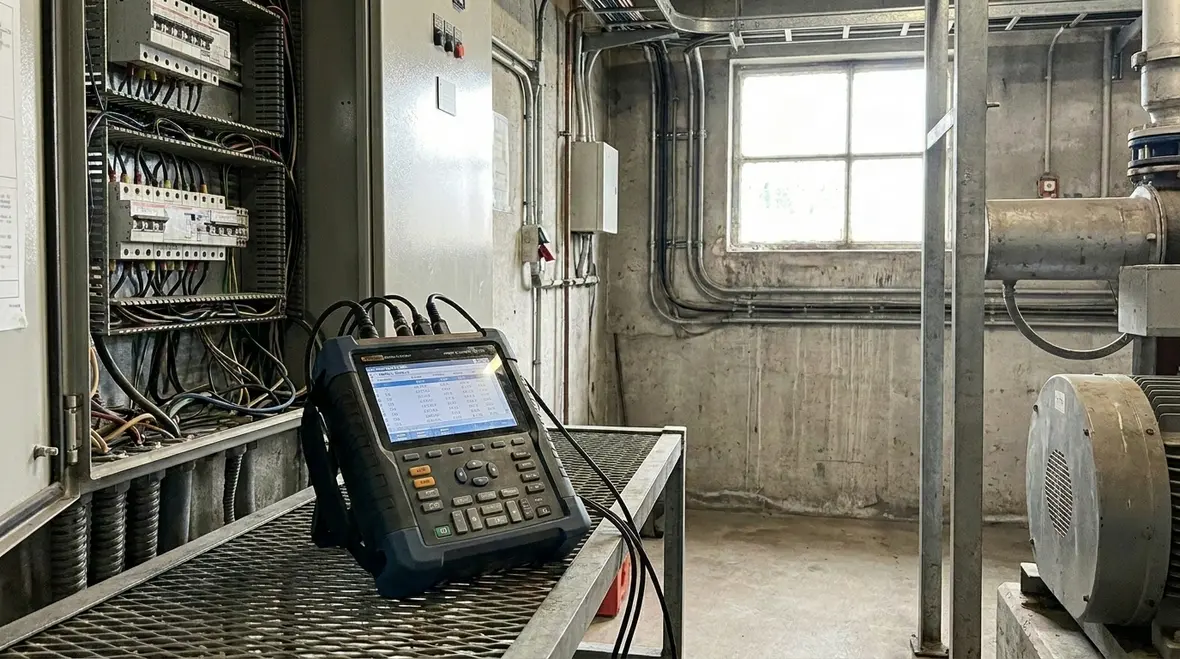
For major property buildings, the load profile changes by season, occupancy, and operating schedule. Moreover, temporary construction or tenant fit outs can add surprise loads. So we evaluate power quality across typical operating windows, not just during a quiet inspection. We review voltage stability, current waveforms, and the health of key distribution circuits.
Then we suggest practical fixes that fit the site. In some cases, we adjust circuit design, balancing, or load management. In other cases, we recommend harmonic mitigation where the risk is proven. Either way, our team keeps the focus on outcomes: fewer interruptions, lower wear on equipment, and a system that behaves like it is supposed to.
Severe weather, surge protection, and staying online
Australia’s weather does not ask permission. Storms bring surge events, lightning risks, and sudden changes in supply. For commercial and industrial facilities, power interruptions cost money fast, and surge damage can hit control boards, sensors, and communication gear.
Therefore, surge protection must be integrated with the distribution design, not tossed in as an afterthought. We evaluate where surges enter the building, how they travel through wiring paths, and how the protective layers perform together.
Our technicians help facilities plan for continuity. They explain what surge devices do, what they do not do, and how correct installation affects performance. And yes, sometimes the best fix is not “buy more gear,” but rather correct bonding, proper grading of protection devices, and replacing worn components before they fail.
From design to upgrades: how Kord Electric approaches commercial projects
Kord Electric works with commercial and industrial facilities and major property buildings that need electrical systems to run with confidence. We do not treat each project like a one off mystery. Instead, we use a structured process that keeps decisions clear and reduces surprises.
First, we gather data. Our service staff review existing documentation, inspect switchgear and distribution components, and check field conditions that affect performance. Then we confirm the safety status and operating needs, including critical loads and isolation requirements.
Next, we recommend upgrades in a sensible order. Some facilities need urgent fixes for safety and fault clearance. Others need distribution improvements, power quality work, or modernization for new tenant equipment. Then we plan the scope with the building schedule in mind, because downtime is rarely the only concern on a major site. We coordinate work windows and isolation steps to protect operations.
Finally, we validate results. That means testing, reporting, and making sure the system behaves as designed. If a facility team wants plain explanations, our expert technicians deliver them in straightforward language. They also show the “why,” so maintenance staff understand how the system works long after the job is wrapped.
For facilities that want an ongoing, structured approach to inspections and reporting, Kord Electric’s dedicated electrical preventive maintenance programs help align safety, reliability, and long term planning without constant surprises.
Dual column quick reference for key commercial electrical system checks
| Area to check | Why it matters |
| Earthing and bonding | Helps protective trips work reliably and reduces shock risk |
| Protection coordination | Limits outage to the fault area and reduces nuisance trips |
| Power quality | Reduces heat, control faults, and early equipment wear |
| Surge protection setup | Protects sensitive controls and supports site continuity |
| Switchboard condition | Maintains safe operation as loads change over time |
These checks fit naturally into broader commercial inspection plans. For larger or more complex properties, a structured review of voltage swings and distribution performance, similar to a voltage fluctuation assessment, can reveal issues that basic walkthroughs miss.
FAQ for commercial and industrial electrical system support
Ready for safer, steadier power in your building
If you manage a commercial or industrial site, you already know that electrical reliability is not a “nice to have.” It is how you protect people, equipment, and uptime. Kord Electric can assess your current setup, explain the results in plain language, and recommend upgrades that match your operations and risk profile. Contact us today to arrange a site visit and get a clear plan for stronger protection, better power quality, and fewer surprises. We will bring the calm. You bring the key cards.
For facilities across Los Angeles County and surrounding regions that want project support beyond diagnostics, Kord Electric’s dedicated Los Angeles County electrical services team helps align design, installation, and maintenance for demanding commercial environments. And for sites coordinating with fire and life safety specialists, partnering with teams such as those at Kord Fire Australia keeps protection strategies consistent across the full risk profile.
Whether you are planning upgrades to your Austrialia Electrical System, scheduling preventive maintenance, or mapping out future expansions, aligning your electrical strategy with real-world operating conditions is one of the simplest ways to protect people, plant, and long term investment.


