
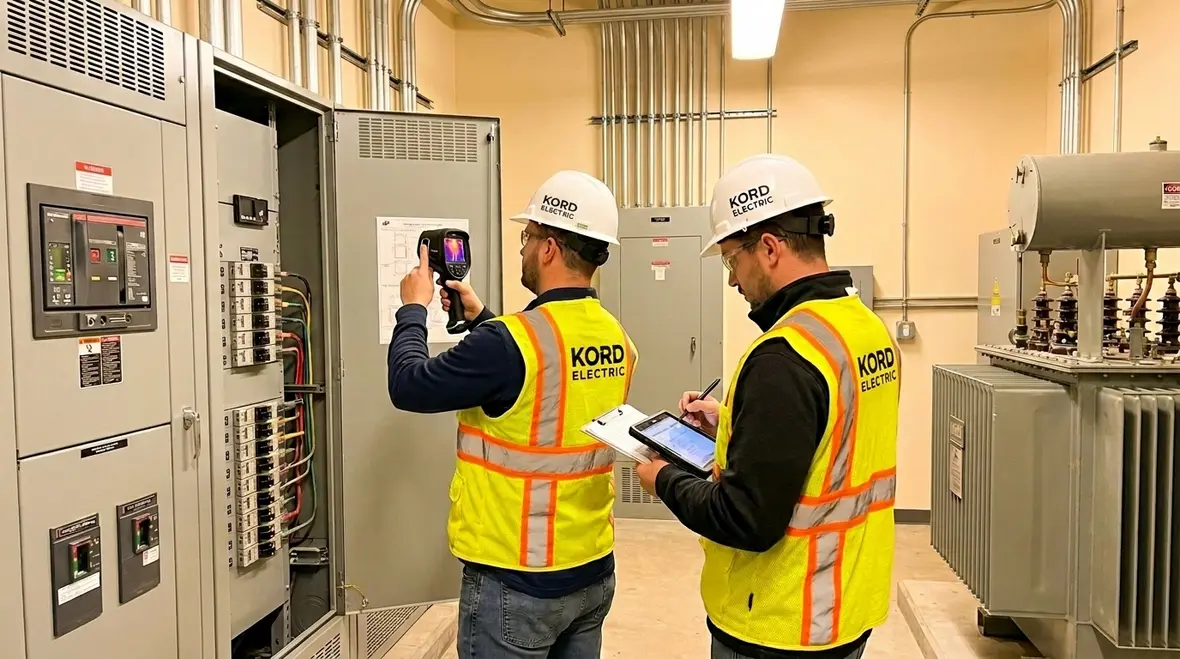
Kord Electric Electrical Infrastructure Assessment Guide
Why a Kord Electric Electrical Infrastructure Assessment Guide Matters Right Now
At Kord Electric, we believe the best time to check your building’s electrical health is before something forces the issue. That is why we start each project with our electrical infrastructure assessment guide and a simple plan: verify capacity, confirm safety, and map risks to a clear next step. This guide helps our team move past guesswork and into documented findings. And yes, we know, most people think an electrical system is like a phone battery. It always works… until it does not. So we run the assessment now, while you still control the schedule.
In the sections below, our expert service staff explains what we look for, why timing matters, and how we help commercial and industrial facilities protect uptime, safety, and long term value.
What We Check in Our Electrical Infrastructure Assessment Guide
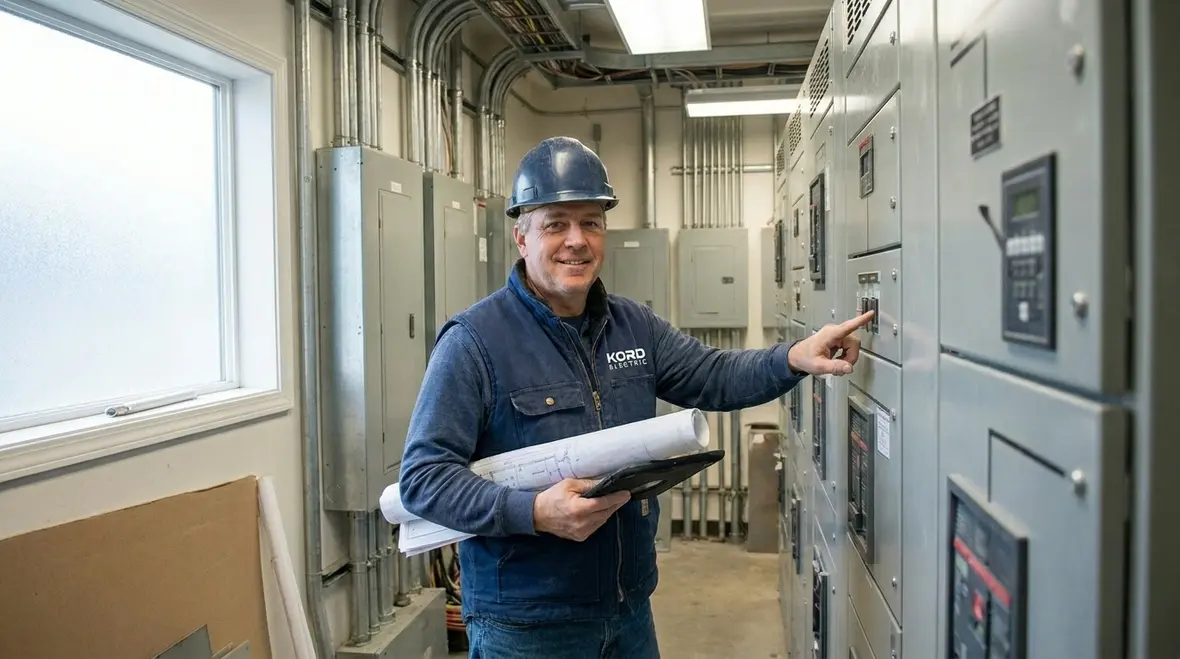
Others may skim panels and call it done. We do not. We follow a practical electrical infrastructure assessment guide that focuses on how your system performs under real operating conditions. First, our technicians review the single line and as built documentation, then they confirm what is actually installed. Next, they measure key items that affect reliability, such as load balance, voltage drop, grounding continuity, and conductor condition.
After that, we evaluate protective devices. We check whether breakers, fuses, and relays match the load they serve, and we look for signs of nuisance trips or delayed clearing. Then we move to distribution paths, including switchgear, transformers, motor control centers, and bus systems. Finally, we examine critical loads that keep your facility running, including life safety systems, process controls, and building automation.
To keep the process calm and clear, our expert service staff explains each finding as we go, using plain language. In other words, you get answers, not riddles. Because the electrical room is already mysterious enough without us adding plot twists.
Connecting Assessments to Long-Term Maintenance
The strongest value of our assessment work shows up long after the site visit. By turning observations into a structured roadmap, we help facilities connect today’s findings with tomorrow’s electrical preventive maintenance plans and repair priorities. When our team documents conditions, we are not just filling out a checklist. We are giving your facility managers and operations leaders the kind of decision support that aligns with broader strategies for reliability, upgrades, and compliance.
Timing: The Business Case for Assessing Before Failure
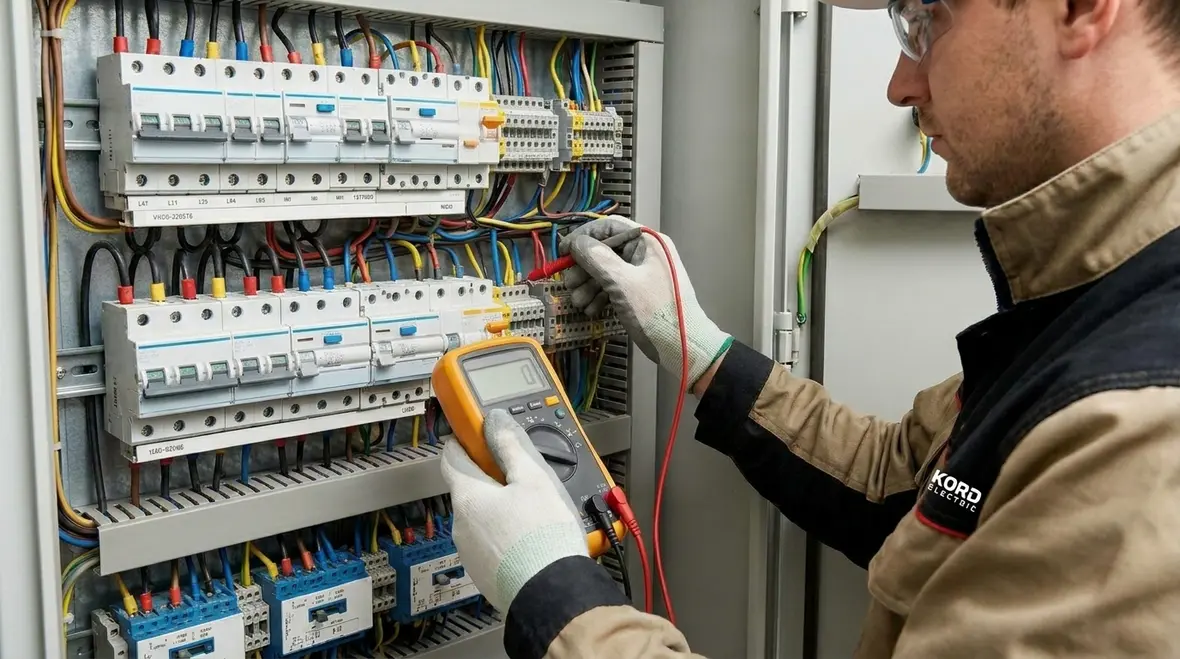
When people wait until problems show up, they often pay with more than money. They pay with downtime, rushed repairs, and risk to employees and customers. For commercial and industrial facilities, timing is not a luxury. It is a strategy. We see the pattern often: a facility adds equipment, modifies operations, or experiences aging components, and the electrical system quietly absorbs stress.
As load increases, voltage levels shift, currents rise, and heat builds where it should not. Over time, that stress can worsen connections, degrade insulation, and reduce the margin your system needs during peak demand. Therefore, an assessment now helps your leadership plan upgrades with less disruption.
In addition, many facilities face compliance obligations, insurer requirements, and internal standards. An assessment gives you documentation that supports decisions, maintenance schedules, and capital planning. So instead of reacting, we help you lead.
Linking Assessments to Risk-Based Maintenance Planning
When assessment findings flow into a clear maintenance sequence, your team moves from “we should look at that someday” to “here is what we are doing this quarter.” The same data that shows a stressed panel or aging transformer also supports prioritizing electrical preventive maintenance across your portfolio. With consistent reporting and follow-up, you can coordinate inspections, testing, and upgrades so operations teams stay ahead of failures instead of chasing them.
How Aging Components Create Hidden Risk in Commercial Buildings

Electrical infrastructure rarely fails all at once. Instead, it degrades in quiet ways that show up later as instability, longer restart times, and more frequent maintenance calls. We often find aging components at joints and terminations, where heat cycling and vibration loosen connections. We also look for corrosion in outdoor enclosures and moisture intrusion inside cabinets.
Next, we examine insulation and cable condition. Even if a system powers on today, insulation performance can decline in ways that shorten expected service life. Also, we check for mismatched materials, improper torque, and signs of overheating that may not be obvious from a quick visual inspection.
Then we address equipment that runs hard. Switchgear and transformers often live with high duty cycles in industrial settings. That is fine until it is not. By measuring and documenting condition, we can help others avoid the “it worked yesterday” moment that always seems to happen on the busiest shift. Nobody wants an electrical surprise that arrives like a pop quiz without warning.
Seeing the Risks You Cannot See Yet
Hidden risks do not come with theme music. They show up as warm breakers, occasional nuisance trips, unexplained voltage dips, or equipment that “just seems touchy” during peak production. Our assessment process pulls those clues together so facility leaders can make focused changes now rather than scramble through emergency calls later. When you combine these findings with structured support such as commercial and industrial electrical maintenance plans, your building starts to feel less like a mystery and more like a managed asset.
Protecting Uptime with Better Load Planning and Coordination

In a facility, electrical systems must work like a coordinated team. If one element lags behind, the whole group struggles. During an assessment, we evaluate how loads distribute across phases and feeders. We check for imbalanced loads that can cause overheating and reduce available capacity. We also look at demand patterns, starting currents for motors, and the timing of equipment operation.
Then we analyze protection coordination. That means we verify that protective devices trip in the right sequence and clear faults efficiently. When coordination fails, a small problem can escalate into a larger outage. So we focus on settings, curves, and device ratings to ensure faults are isolated quickly and safely.
After that, we map your current capacity to future plans. Whether your facility plans to expand production, add HVAC loads, or implement new automation, we help others understand what the electrical system can support now and what it will need later. In turn, your team can make decisions based on data, not hope. And hope is not an electrical specification.
Planning for Growth Without Guessing on Power
As facilities add EV charging, solar integration, or new production lines, load planning determines whether those projects feel routine or chaotic. Our electrical infrastructure assessment guide gives decision makers clarity on where capacity exists, where reinforcement is required, and how to phase upgrades. When it is time to move from planning into action, this same understanding supports targeted projects like voltage stabilization work or comprehensive Los Angeles County electrical services that keep sites reliable as they grow.
Safety, Compliance, and Documentation That Your Team Can Use
Safety drives our work, and we treat electrical hazards with respect. During the assessment, we verify grounding systems, bonding paths, and protective continuity. We also inspect for clearances, labeling accuracy, and cabinet conditions. These details matter because safety failures do not announce themselves politely.
Moreover, commercial and industrial properties often operate under strict rules. Facility owners want clarity on what needs attention, how urgent it is, and how to track it over time. We provide a structured report that supports maintenance planning and upgrade prioritization. Our expert service staff explains the findings in a way that engineering teams, operations leaders, and property managers can act on.
We also recommend practical follow up actions based on risk. For example, if we detect deteriorating connections, we may suggest targeted torque checks and component replacement. If we identify capacity constraints, we may propose load management steps or distribution upgrades. Then we align those recommendations to your operational schedule, so the work supports business continuity.
Turning Codes and Standards into Everyday Practice
Codes and standards only protect your building if they live in the field, not just in a binder. Our assessment connects the dots between requirements, real equipment conditions, and the people who operate your site every day. We explain how findings tie back to frameworks such as the National Electrical Code and internal corporate standards, and we help your team turn those expectations into checklists, procedures, and maintenance tasks they can execute consistently.
How Kord Electric Keeps the Assessment Efficient and Low Disruption
We understand that industrial sites do not pause for paperwork. Therefore, we plan the assessment to reduce downtime and keep operations steady. First, our technicians coordinate entry times, access needs, and equipment availability. Then we review existing documentation to avoid unnecessary repetition.
During site work, we work methodically. We take measurements, verify conditions, and capture photos or notes that support accurate findings. Next, we validate results by cross checking what we see against what the system should be doing. Then we organize everything into clear categories so your team can understand urgency and impact.
Also, we provide explanations as we go. Our expert service staff does not just hand over a document and disappear. Instead, they walk through key findings, answer questions, and help others connect the electrical details to operational outcomes. That way, the assessment becomes a tool your facility can actually use.
From One-Time Assessment to Ongoing Reliability Strategy
Many facilities start with a single assessment and quickly realize it works best as part of a larger reliability strategy. By pairing the results with services like electrical preventive maintenance and focused troubleshooting, leaders can convert one snapshot in time into a living plan for system health. Whether your team manages a high demand data center, a manufacturing plant, or a multi-tenant property, the combination of clear assessment data and recurring service helps keep power where it belongs: steady, predictable, and ready for growth.
FAQ
Conclusion: Schedule Your Electrical Infrastructure Check with Kord Electric
If your commercial or industrial facility runs critical equipment, waiting for a failure is expensive and unnecessary. Kord Electric can complete a detailed electrical infrastructure assessment guide review, document risks, and recommend upgrades in a way that supports uptime and safety. Our expert service staff explains the findings clearly, so your team can make confident decisions. Contact Kord Electric today to schedule an assessment and turn electrical uncertainty into a plan you can trust.
When you are ready to move from planning into implementation, our team can also align assessment results with focused service offerings such as electrical preventive maintenance, voltage stability solutions, and broader regional support. That way, your next step—whether it is a targeted repair, a phased upgrade, or full scale Los Angeles County electrical services engagement—fits your operational reality and long term reliability goals.


