Preventative Maintenance for Industrial Facilities
At Kord Electric, we know commercial and industrial plants live or die by uptime. That is why we focus on preventative maintenance benefits industrial facilities can measure, not just promises they hope for. When we catch electrical problems early, we cut unplanned downtime, reduce burn damage, and protect the people who work hard on your site. We also help you stay in line with common safety expectations, because electricity does not care about your schedule. And yes, every plant manager has said “We will deal with it next month.” Next month is when the breaker decides to audition for the worst day of your quarter.
What preventative maintenance does for plant electrical systems
In plain terms, we inspect, test, clean, and correct issues before they grow teeth. Electrical equipment in a plant does not fail all at once. More often, it shows slow signs: heat, uneven load, noisy contactors, corrosion at terminations, and insulation that ages faster than expected. While operators focus on production, our technicians focus on the electrical health around that production.
Then we connect the dots. For example, we may find that a motor circuit draws higher current during certain cycles. That can point to loose connections, bearing wear, or insulation stress. Next, we trace the root cause, not just the symptom. Because if we tighten one screw today and ignore the bigger pattern, the issue returns like a pop quiz you did not study for.
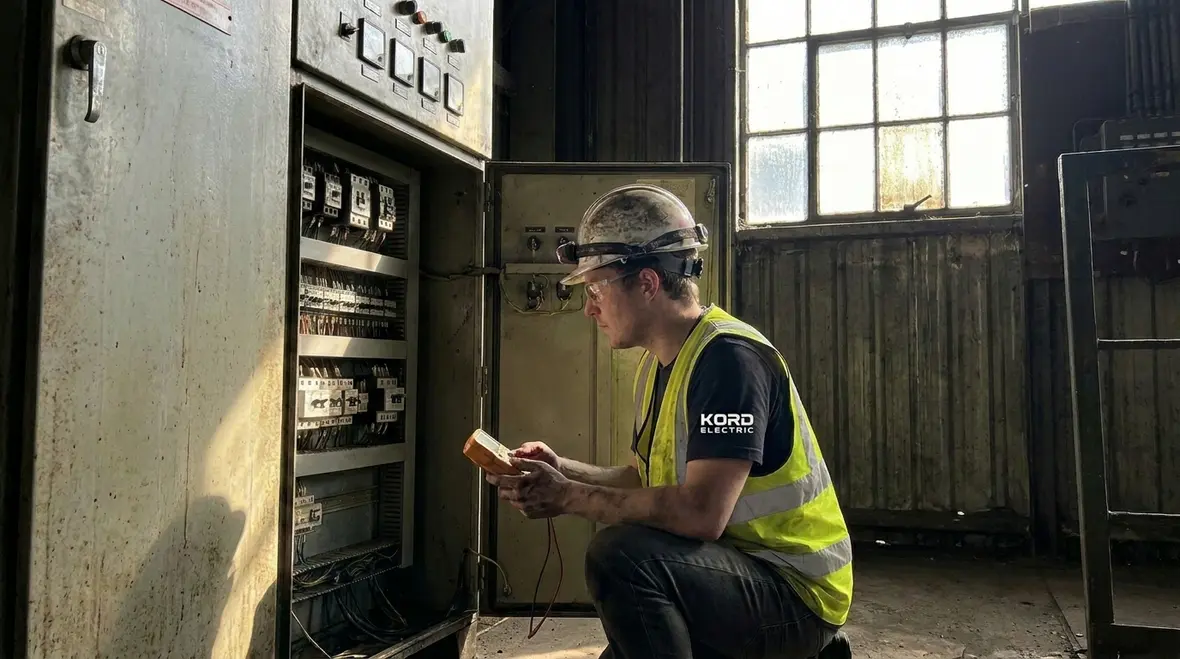
Preventative maintenance benefits industrial usage most when it treats your electrical system like a living network instead of a collection of boxes on the wall. That means tailoring inspections, test points, and cleaning routines to the loads your plant actually runs, not just a generic checklist copied from a textbook. When those details line up, your crews notice fewer nuisance trips, fewer “mystery resets,” and more days where the power system stays quiet and predictable.
How early detection prevents downtime and costly failures
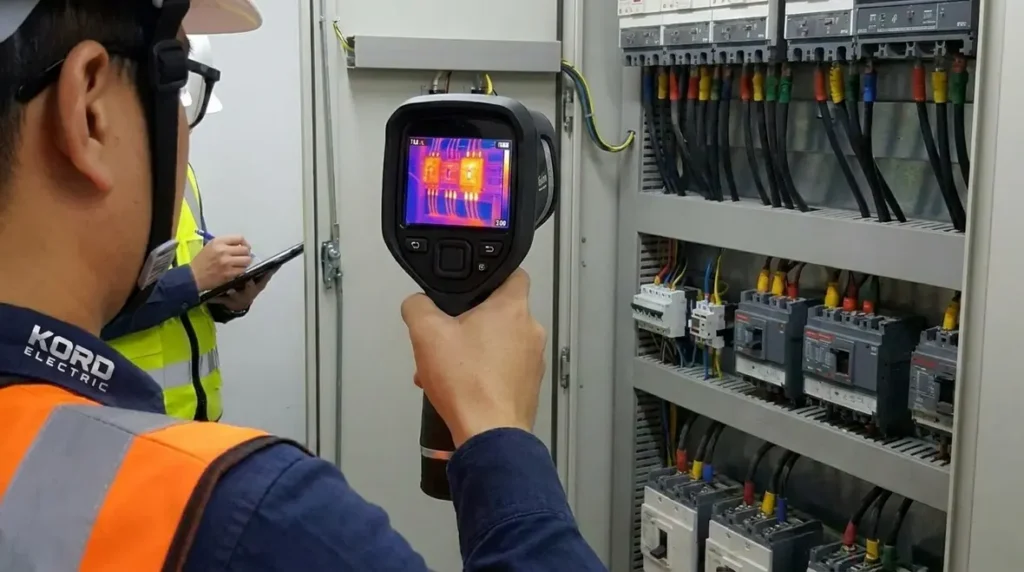
Early detection works because most failures begin with warning signs. Heat is a major one. When connections loosen or surfaces oxidize, resistance rises, and heat follows. Over time, that heat degrades terminals, bus bars, and switchgear parts. So when we schedule electrical inspections and testing, we look for conditions that show up early enough to fix. As a result, you avoid the classic “everything was fine until it wasn’t” scenario.
We also treat trends as signals. If thermographic results show a gradual increase in hot spots, we adjust the plan. Instead of waiting for a hard failure, we plan repairs during windows that fit your operations. And because we document findings, your site gains clarity. Your team sees what we found, what it means, and what happens next.
In many cases, this kind of structured approach to early detection pairs well with a broader program such as Kord Electric’s dedicated electrical preventive maintenance solutions for commercial and industrial facilities. By aligning inspections, infrared scans, and testing with plant operations, you turn random walk-throughs into a disciplined process that steadily lowers risk instead of reacting to every crisis.
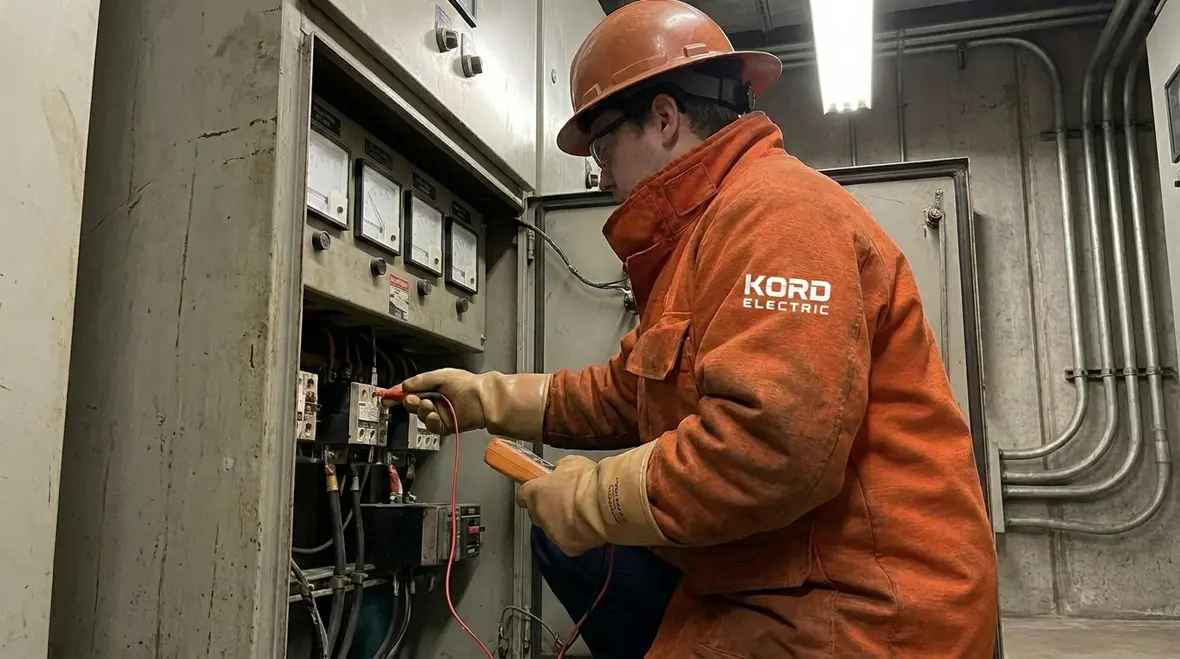
Think about the cost difference between tightening and cleaning a warming termination during a scheduled outage versus replacing melted bus bars after an unexpected trip. The first option costs a fraction of the second, and it does not drag your production schedule with it. That is the real preventative maintenance benefits industrial facilities feel: fewer surprise phone calls, less emergency overtime, and far fewer “do we have the parts in stock?” conversations.
Safety improvements that protect workers and equipment
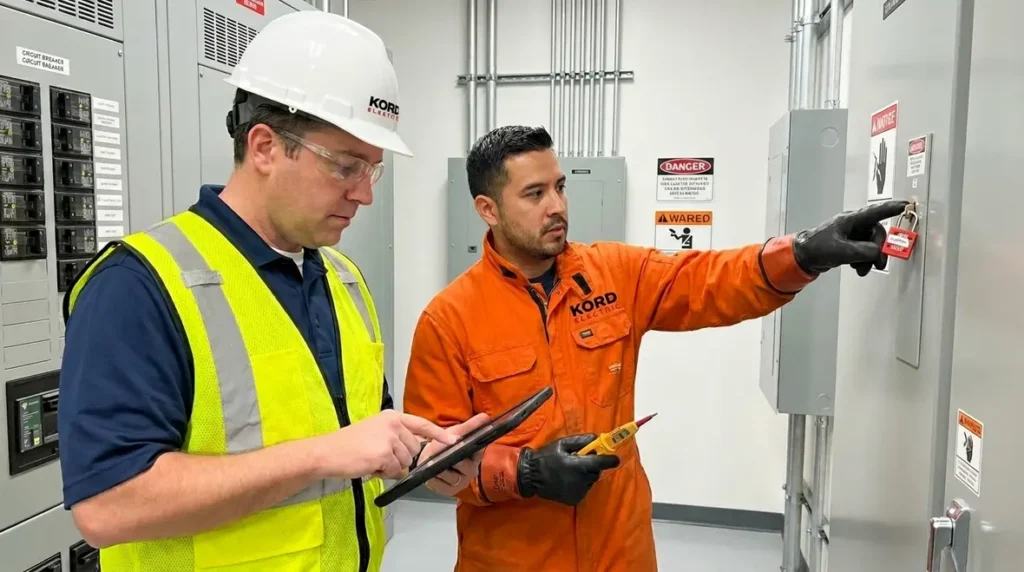
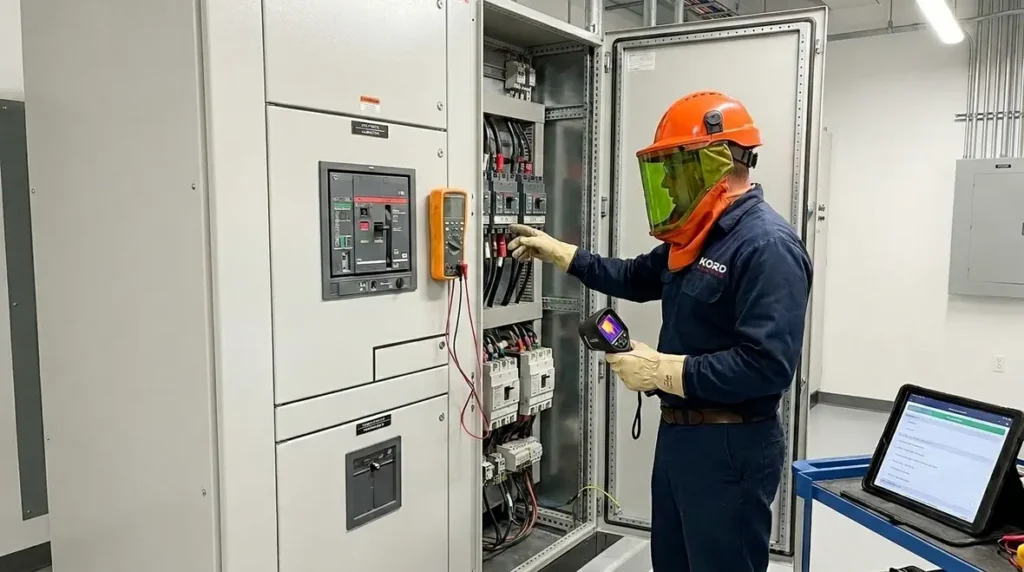
Electrical safety is not a slogan in a plant. It is a daily responsibility. When we perform preventative work, we reduce shock risk, arc flash risk, and fire risk. We confirm that grounding stays intact, connections stay tight, and protective devices work as designed. That matters even more in industrial areas where vibrations, moisture, dust, and frequent switching can stress equipment.
Our expert service staff explains what they see, in a calm and clear way. If an inspection shows a potential hazard, we do not hide behind technical fog. Instead, we describe the condition, the risk level, and the practical fix. Then we coordinate next steps with the people who keep production moving. Nobody wants a safety conversation that feels like a surprise lecture. We aim for a conversation that feels like a plan.
For plants aligning with standards like NFPA 70 and NFPA 70B, this kind of routine electrical maintenance also supports code expectations around inspection, documentation, and corrective action. It is not just about checking a compliance box. It is about proving, with records and test results, that your facility takes electrical safety seriously every single quarter, not just when an auditor visits.

Over time, preventative maintenance benefits industrial facilities by quietly shrinking the list of near misses and close calls. Workers see better labeled equipment, more predictable lockout tagout points, and gear that behaves the way training says it should. Leaders see fewer incident reports and more confidence that the plant’s electrical backbone will support the pace of production without placing crews in harm’s way.
Better efficiency and steadier power quality for production
Plants often blame “the grid” when performance drops. Sometimes the grid contributes, but many problems start inside your electrical distribution: harmonic distortion, voltage imbalances, aging transformers, and weak power factor. When we run electrical diagnostics as part of preventative maintenance, we measure the real conditions and find where performance drifts.
That helps your motors, drives, and sensitive equipment run more smoothly. Additionally, better power quality supports consistent process output. And when your equipment sees stable conditions, it tends to last longer. Think of it like keeping the engine tuned instead of waiting for the smoke. Except in this case, the smoke can cost more than a forklift.
We also help reduce energy waste caused by inefficiencies. For example, overloaded panels and failing components can increase losses. By correcting those issues early, we support long term operational efficiency, which matters for every major property and industrial site trying to control total cost.
When preventative maintenance is aligned with a broader commercial and industrial electrical maintenance plan, plants gain a clearer picture of where power quality issues start, how often they appear, and which upgrades deliver the strongest return. Instead of guessing which panel or transformer might be “tired,” your team sees specific readings and trends that back every decision.
Reduced repair costs and smarter budgeting over time
Unplanned electrical repairs can turn into a financial fire drill. Parts get expedited. Technicians scramble. Production gets disrupted. And the cost climbs quickly, especially when failures spread to connected equipment. With preventative maintenance, we help you shift from reaction to planning.
Our approach builds a maintenance roadmap that aligns with your assets and runtime. Instead of waiting for one component to fail, we address wear and degradation in phases. That keeps repairs smaller and more predictable. Then we help you prioritize work based on risk and impact, so your budget supports the most important items first.
Also, when we maintain clear records, it becomes easier for your team to make informed decisions. Others can review the history, see what changed, and understand why. That reduces guesswork during turnaround planning and helps you avoid repeating repairs that were never really finished.
Over a few budget cycles, the preventative maintenance benefits industrial facilities notice most are quieter: fewer emergency POs, more accurate capital planning, and less friction when leadership asks “Why this project now?” because the report already connects condition, risk, and cost. Your maintenance story shifts from defending past surprises to presenting a calm, forward-looking plan.
Plant-specific plans for switchgear, motors, and distribution
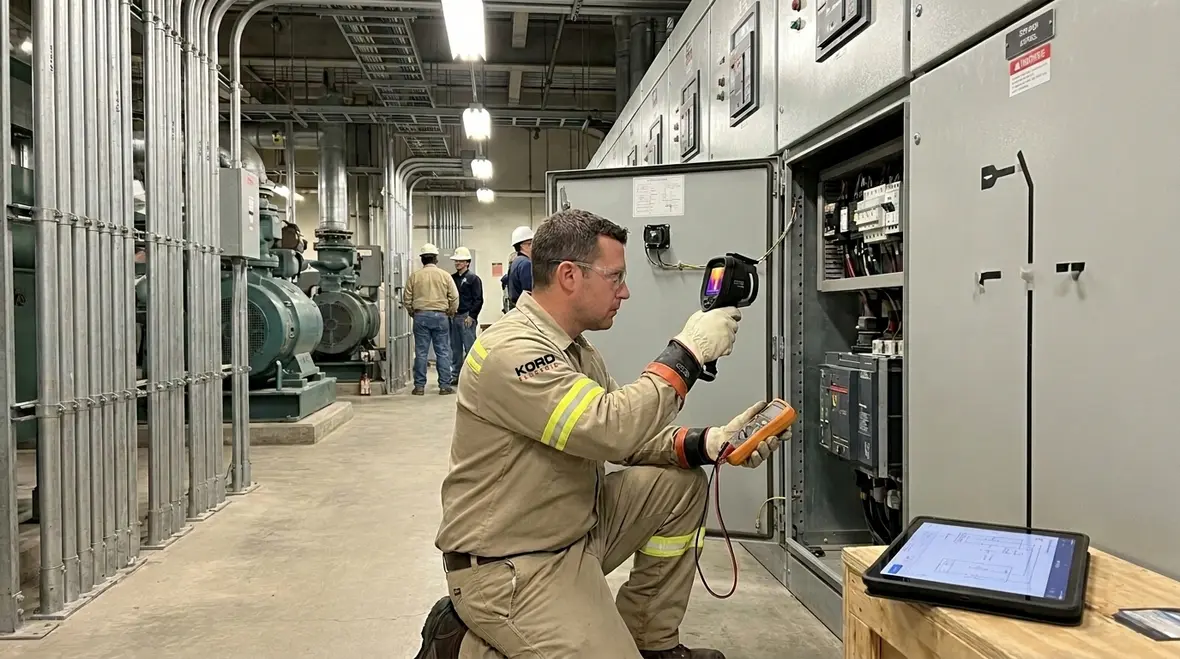
Every industrial facility has its own electrical story. Loading patterns vary. Operating hours differ. Some plants run steady. Others start and stop frequently. Because of that, we do not use a one size fits all schedule. We build preventative maintenance plans that match the actual equipment and operating reality on your site.
We typically focus on the gear that keeps your plant moving, including switchgear, motor control centers, transformers, panelboards, protective devices, and distribution components. Our technicians inspect and test what matters most. Then we schedule maintenance with a practical goal: keep critical systems stable while limiting downtime.
To keep it easy to understand, our service team documents key findings and uses plain language. As you read the report, you will see where the condition stands today and what we recommend next. And if you ask a question, our expert staff answers directly, not like they are decoding a space mission. We speak plant, not jargon.
For facilities with data centers, critical control rooms, or specialty production lines, we can connect plant-level maintenance plans with focused resources such as a dedicated data center electrical maintenance checklist. That way, high-risk rooms receive the extra attention they deserve without slowing down the rest of the facility.
How our team communicates findings and keeps work on track
We support commercial and industrial facilities and major property buildings with a process built for real schedules. First, we gather site context and review existing records. Next, we perform inspections and testing using safe methods suited for the equipment and environment. Then we share results in a way your maintenance leaders can use right away.
Here is how we keep communication steady, not chaotic.
Step
On site, we verify conditions
We explain what we see
We match actions to risk
We schedule work with downtime limits
Step
We document results
We outline recommended next steps
We coordinate with your team
We support continued electrical reliability
Because we plan the work and communicate clearly, your team stays in control. And yes, it still counts as business if nobody has to yell over the radio. We aim for calm and predictable.
This style of communication also makes it easier to connect your preventative maintenance work with other electrical strategies such as troubleshooting, upgrades, and compliance projects. When everyone shares the same language and records, anything from a minor breaker adjustment to a major plant upgrade becomes part of a single, coherent story instead of a pile of unrelated service tickets.
FAQ
Ready to protect uptime with Kord Electric?
If your facility runs critical equipment, you cannot afford electrical surprises. Kord Electric builds plant-ready preventative maintenance programs for commercial and industrial sites and major property buildings, with expert technicians who explain results in clear language. We help you detect issues early, improve safety, stabilize power quality, and plan repairs before they interrupt production. Contact us to review your equipment and set a practical maintenance path. Let us handle the electrical edge cases while your team focuses on running the business.
For facilities across the region, our Los Angeles County industrial and commercial electrical services connect preventative maintenance with troubleshooting, upgrades, and emergency response, so your plant has a single partner for the entire electrical lifecycle.
If you are ready to move from “we will deal with it next month” to a structured plan that respects your uptime, preventative maintenance benefits industrial facilities like yours in every shift, every quarter, and every budget review. The sooner you start, the sooner those benefits stop living only in the wish list and start showing up on the production floor.