
California Solar Panel Electrical Code Guide
At Kord Electric, we handle commercial and industrial solar installations across California with a focus on safe, compliant work. That starts with the solar panel electrical code expectations that govern how systems connect, protect, and operate. Even before the first wire is pulled, our team follows the rules used by California authorities and by the electrical industry, including the National Electrical Code as adopted for local use. In practice, we treat compliance like a seatbelt, because it is not the part people brag about, yet it matters when things get real. And yes, we have heard the jokes about “sunny days and loose connections,” so we prefer to do it by the book from the start.
What the California code requires for solar electrical connections
California requires that solar systems meet the adopted electrical code requirements for design, installation, grounding, and overcurrent protection. Therefore, commercial and industrial facilities must treat the solar electrical portion like any other critical building system, not like a rooftop add on. To keep everything clear, we guide building owners and facility managers through the practical steps: where conductors run, how they enter equipment, and how the system stays protected during faults.
In addition, our experienced service staff and technicians explain each decision in plain language. They do not just say “it is code” and walk away. Instead, they show why conduit is sized a certain way, how labels get applied, and how disconnecting means are provided for safe shutdown. This matters because a solar array is not only producing energy, it is also creating a new electrical pathway that must be controlled, monitored, and secured.
How conduit, wiring methods, and routing get approved
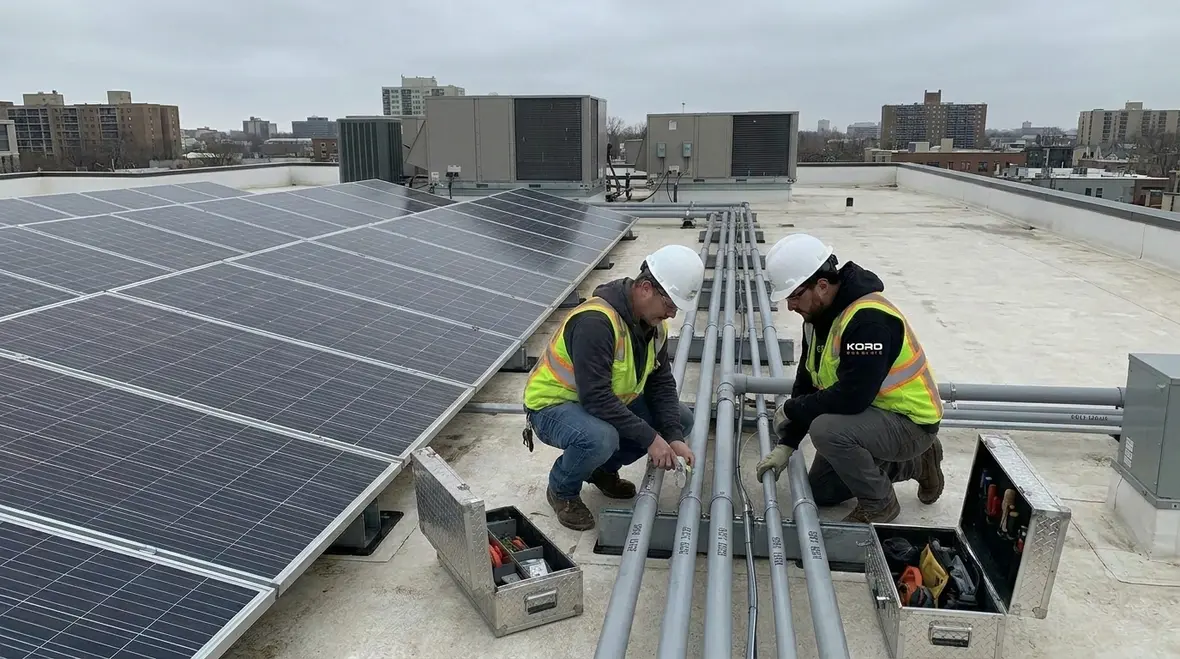
Next, the solar panel electrical code affects wiring method selection, conductor sizing, and physical routing. For commercial roofs and solar canopies, our crews plan routes to reduce damage risk. Then we choose the appropriate wiring method and protective components so the system survives heat, UV exposure, and vibration from building conditions.
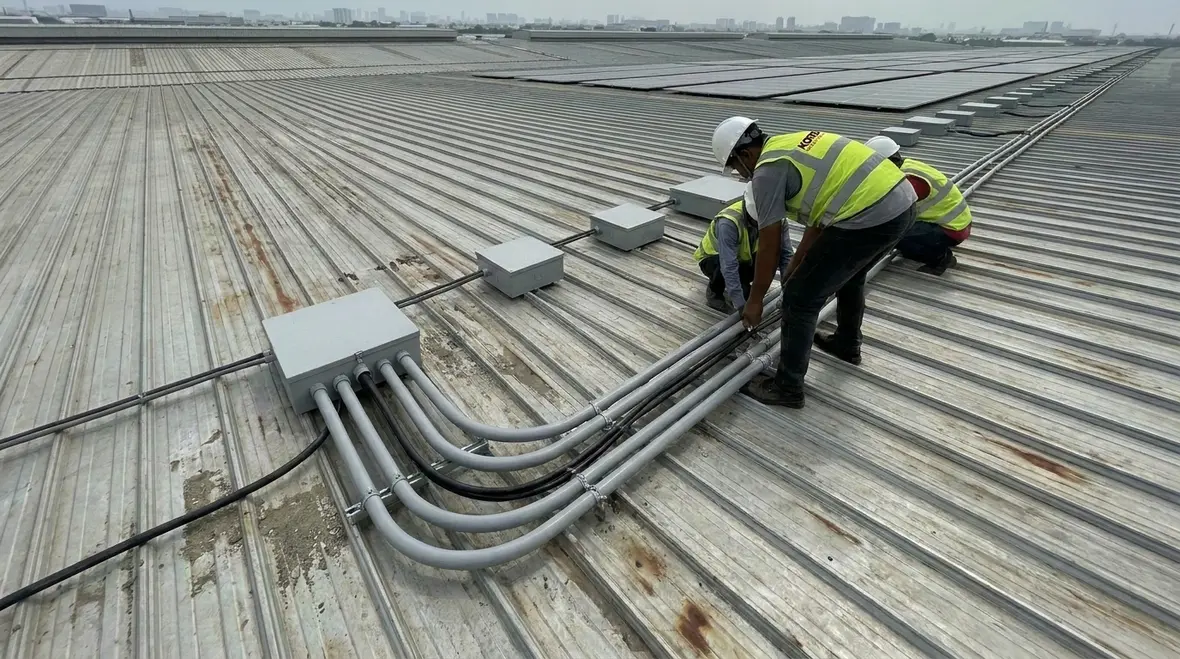
Moreover, we pay close attention to transitions where wires move between roof penetrations, combiner equipment, and inverters. Each transition point has to stay protected, and each penetration must follow installation requirements so it does not become a future leak with a side of electrical trouble. If you have ever seen a building manager chase water damage while pretending it is “probably fine,” you know why we do not take that approach.
We also look at how solar wiring and existing electrical infrastructure interact over time. When commercial facilities add solar on top of older distribution equipment, mismatch between new conductors and legacy routing practices can create weaknesses. By working methodically, we verify that new conduit paths, junction boxes, and structural supports respect both the current solar panel electrical code and the long term maintenance needs of the building. That way, future service teams can understand the layout without detective work.
Grounding and bonding rules that keep power stable
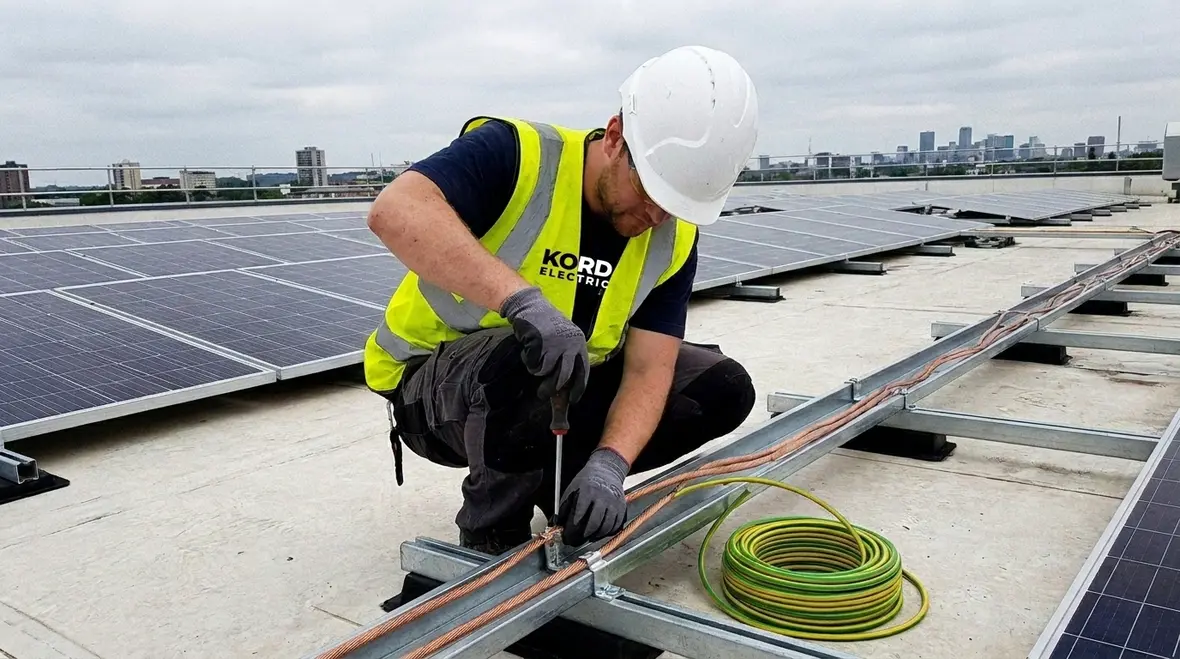
Grounding and bonding protect people, equipment, and the building electrical system. Consequently, when we install a solar project, we follow the grounding approach that the applicable electrical standards require. We also confirm that metallic parts remain properly connected and that the system uses the correct grounding conductors and bonding points.
Furthermore, our technicians document the grounding scheme so it supports inspection and maintenance. This is not just busywork. It helps future electricians troubleshoot, especially if a facility expands the system later. And since most major property buildings grow over time, we think ahead.
We also explain what facility staff should watch for during routine checks, such as signs of damaged raceways or issues with connections. In other words, we do not leave you with a folder of paper and a shrug. We help you run the system safely after commissioning.
In many California facilities, grounding for solar ties into broader preventive maintenance efforts on panels and switchgear. Aligning the solar grounding plan with structured electrical preventive maintenance programs helps reduce nuisance trips and keeps fault currents predictable during real world events like storms or grid disturbances. When solar is treated as part of the building’s overall grounding strategy, rather than an isolated add on, stability improves for everything from lighting to sensitive equipment.
Inverters, rapid shutdown, and disconnects for safety
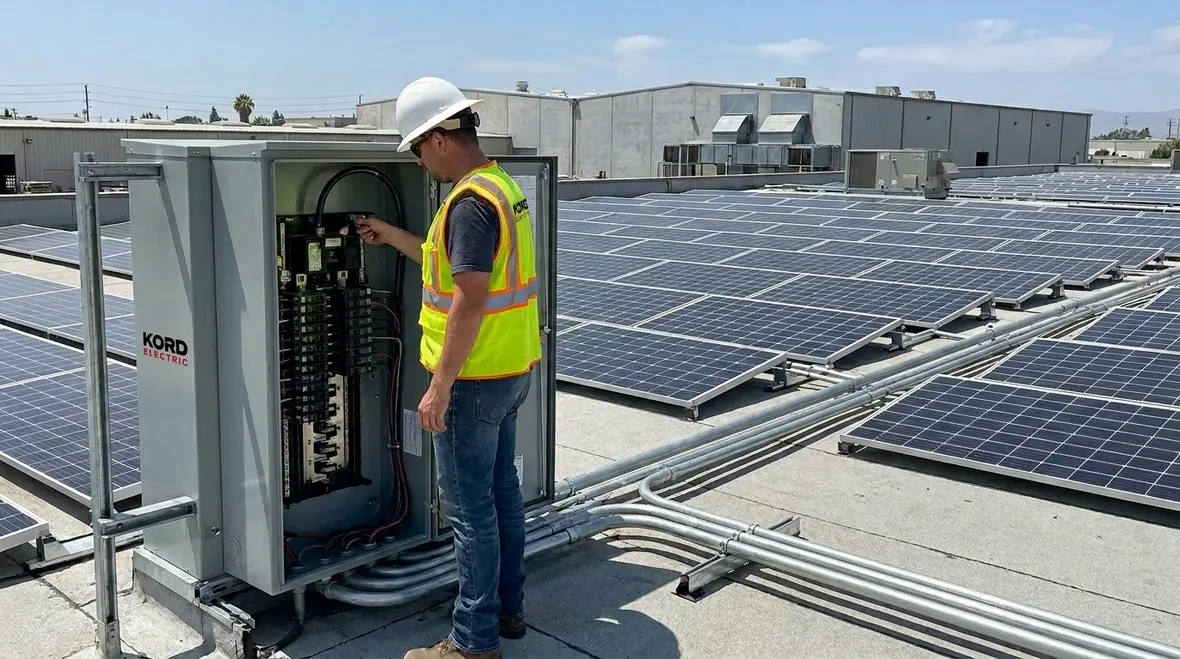
Solar electrical safety includes more than protecting a panel. It also covers how the system shuts down in a controlled and predictable way. In commercial and industrial applications, this typically means proper inverter installation, correct integration with disconnect equipment, and compliance with rapid shutdown requirements as adopted for the area.
As we design, we coordinate inverter placement so wiring stays short and access remains safe. Then we plan labeling and location so emergency responders and maintenance staff can find shutdown controls quickly. Yes, that is a dramatic sentence, but it is also reality. On a busy site, clear access beats heroics every time.
Additionally, we confirm that disconnects meet the required accessibility rules and that they pair properly with overcurrent protection devices. When these elements align, the system stays safer during electrical faults and supports smoother inspection outcomes.
We also coordinate how solar inverters interact with existing building systems such as emergency power, critical process loads, and voltage sensitive equipment. By integrating code compliant disconnects and rapid shutdown features with broader voltage stability strategies, facilities can limit the impact of grid disturbances and protect essential operations. It is about designing shutdown behavior intentionally, instead of hoping everything behaves under stress.
Overcurrent protection and equipment ratings that pass inspection
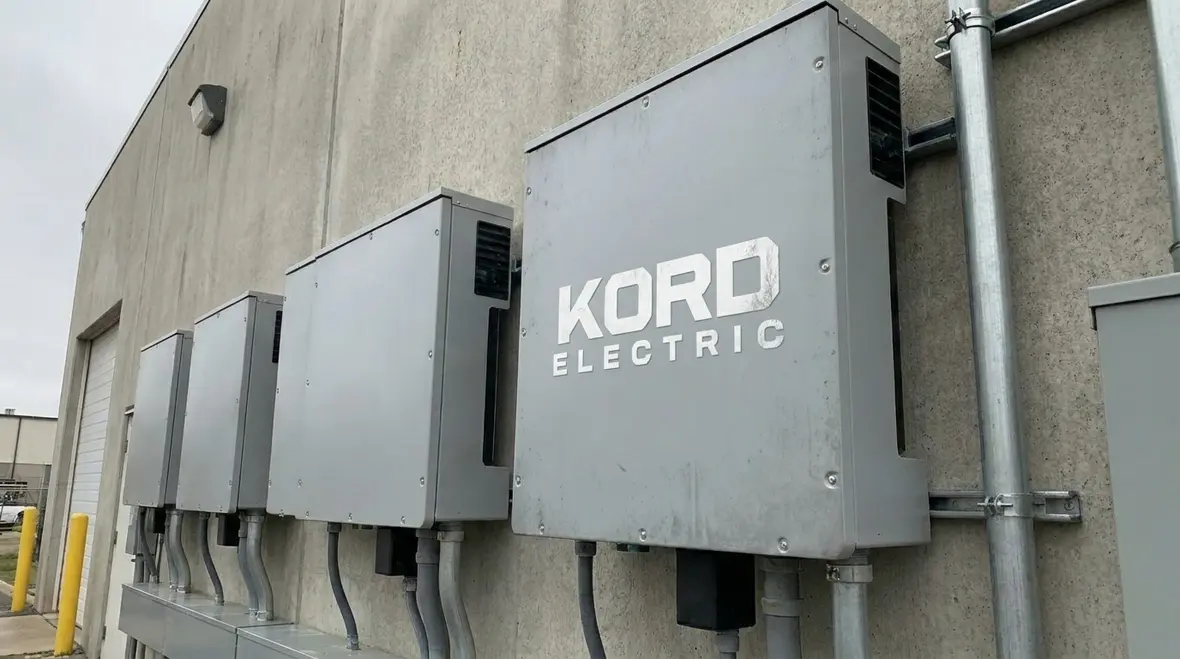
Overcurrent protection is where many projects either shine or stumble. Therefore, our electrical planning includes breaker and fuse selection that matches conductor ratings, voltage levels, and fault protection requirements. We also verify equipment ratings so they align with how power flows in the solar system.
At Kord Electric, we do not treat this as a one time check during design. Instead, our technicians cross verify cable sizes, breaker sizes, and protection device types before commissioning. Then we verify the labeling, the documentation, and the final configuration.
Because commercial and industrial facilities often have existing electrical infrastructure, we also coordinate with the main service equipment and switchgear. As a result, the solar system fits into the building’s electrical workflow. It does not cause surprises, trips, or nuisance shutdowns that can turn a “green upgrade” into a productivity issue.
We pay special attention to how overcurrent devices behave under real operating patterns, not just on paper. Facilities with fluctuating production loads, large motor starts, or sensitive electronics need properly coordinated protection that keeps faults contained without constant nuisance tripping. By pairing solar overcurrent design with services that focus on voltage fluctuations and preventive maintenance, we help owners avoid the frustrating cycle of chasing “mystery trips” after a new solar installation goes live.
Inspection readiness for major properties and facilities
After electrical installation, inspections decide whether a project moves forward. For large buildings, that means we focus on clarity: clean labeling, correct mounting, proper conduit fill, and consistent documentation. Our technicians and expert service staff use a structured approach so the site presents well.
Moreover, we help customers understand what inspectors look for and why. We explain how plans should match field conditions and how documentation supports approval. In practical terms, we set up the job so that the inspector sees an organized installation, not a scavenger hunt.
To keep timelines steady, we also coordinate scheduling. For example, we ensure that critical components are ready for sign off before finishing roof work that creates access challenges. And if you are wondering whether we sometimes get asked to “just make it work,” we do. Our answer is calm and firm: we make it work the safe way.
Because inspectors see hundreds of projects a year, small lapses in solar panel electrical code compliance stand out quickly. We lean on experience from other commercial electrical work to avoid those pitfalls, from clear working space in front of equipment to consistent labeling conventions that tie every disconnect and panel back to the drawings. When a site reads like a well organized story instead of a mystery novel, inspections move faster and facility teams can focus on operations instead of rework.
Dual column checklist for commercial solar electrical compliance
We use a quick internal checklist to avoid last minute surprises. Here is the kind of items our team verifies on commercial and industrial sites:
|
Design and paperwork
|
Field installation checks
|
Depending on the property, we often layer additional checks onto this list, such as reviewing roof walkway paths, confirming signage visibility from typical approach routes, and verifying that solar documentation lines up with any existing electrical preventive maintenance plans. That kind of detail may not be glamorous, but it prevents the “we thought someone else handled that” moments that slow projects down right when they are supposed to be celebrating.
FAQ: California solar electrical code basics
Serving commercial and industrial solar projects with confident compliance
Solar is a smart investment, and California keeps raising the bar for safe electrical installation. However, rules can feel complex when you only see parts of the process. That is why Kord Electric takes a full system view, with our technicians and expert service staff explaining key decisions and verifying each requirement as we install. From conduit and grounding to inverters, shutdown controls, and overcurrent protection, we help commercial and industrial facilities move forward with clarity.
For many properties, the safest path is combining a well designed solar project with ongoing electrical preventive maintenance that keeps panels, switchgear, and distribution equipment healthy as the building evolves. As facilities add new machinery, upgrade lighting, or expand EV charging, having a solar installation that already respects the broader solar panel electrical code and integrates cleanly with service work prevents conflicts later.
Ready to build a compliant solar electrical system in California? Contact Kord Electric to discuss your facility, review the scope with our expert team, and plan a safe installation path that supports inspection. We bring a methodical approach, clear communication, and hands on technical work for commercial and industrial properties. If you want a solar project that performs and stays safe long after the ribbon cutting, call us and let us handle the details.
If your organization is also planning lighting or other electrical upgrades alongside solar, Kord Electric can coordinate installation strategies so everything aligns with current code expectations. From commercial lighting installation code compliance to ongoing voltage stability and preventive maintenance, treating solar as part of a larger electrical roadmap keeps your facility safer, more efficient, and easier to operate year after year.
To explore how solar can fit into a long term reliability plan for your property, you can review Kord Electric’s insights on topics like lighting installation code compliance and electrical preventive maintenance, then connect with our team to map those ideas onto your specific building. The result is a solar project that does more than generate kilowatts. It supports a stronger, more resilient electrical system for the entire facility.
Whether you are starting with a single rooftop array or integrating solar into a broader electrical modernization that includes lighting, EV charging, or panel upgrades, our commercial and industrial electrical team helps you interpret the solar panel electrical code into clear, practical steps. From early design conversations through final testing and maintenance planning, we stay focused on the same goal you have: a system that works, passes inspection, and keeps your operations running without surprises.
When you are ready to connect your solar plans with a wider electrical strategy for your facility, Kord Electric’s commercial lighting installation services provide a natural next step. Coordinating solar, lighting, and overall power distribution through one team simplifies permitting, streamlines construction, and makes it easier to keep every part of your project aligned with code requirements and long term performance goals.


