
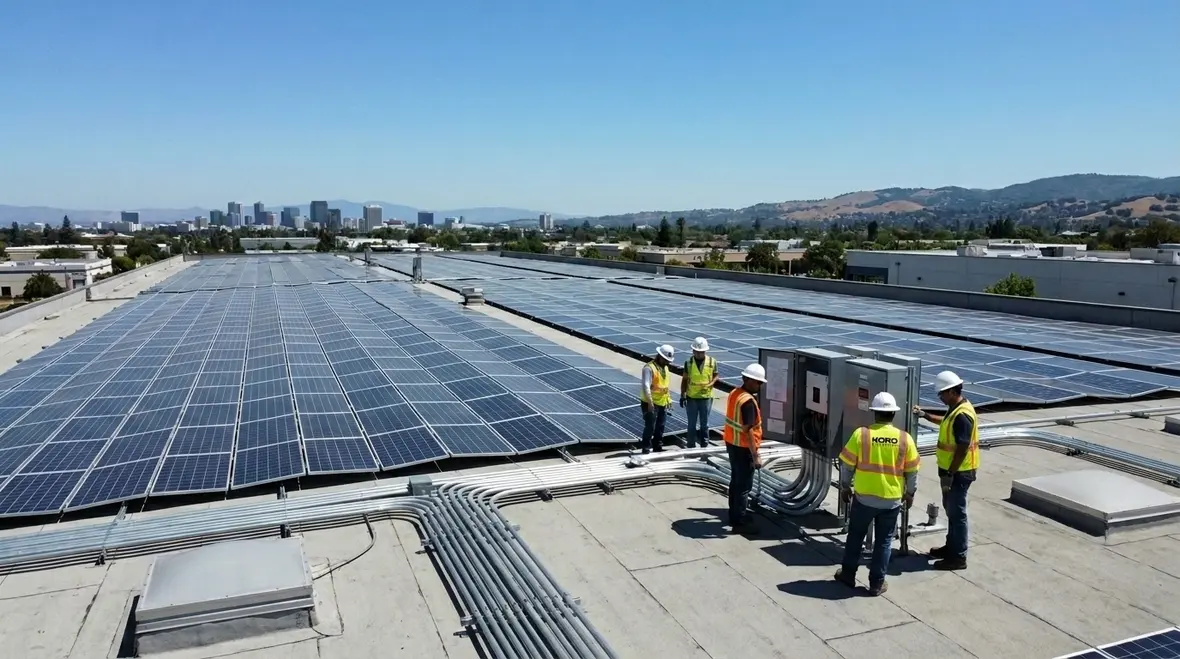
California Solar Panel Electrical Code Guide
Solar Panel Electrical Code Requirements in California: What Commercial and Industrial Facilities Must Know
When a commercial site in California installs solar, the work is not just about panels and power. It is about compliance. At Kord Electric, we treat the solar panel electrical code as a job site reality, not a bedtime story. Inside the first stretch of a project, we verify the electrical requirements that govern system design, protection, and wiring methods. That includes the National Electrical Code, California amendments, and the utility and permitting rules that affect interconnections.
Now, most people do not wake up excited to read wiring rules. Yet here we are, doing it anyway, because the fastest way to protect a building is to get the electrical code right the first time. And yes, our technicians will explain the “why” in plain language, so your facility team knows what is happening and why it matters.
Who Applies the Rules and How Permitting Actually Works
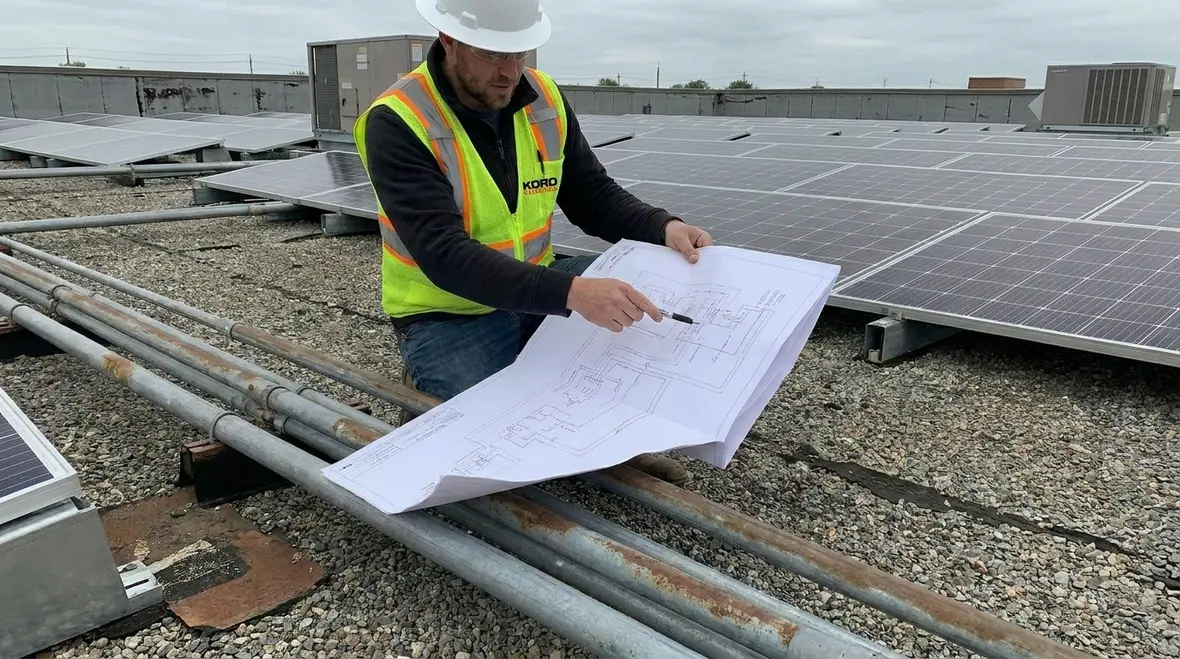
In California, commercial and industrial properties typically face a permitting process that involves both electrical review and utility coordination. Therefore, your project does not move forward on schedule just because the roof looks ready. Instead, plans must match the applicable code rules for conductors, raceways, grounding, overcurrent protection, and equipment labeling.
At Kord Electric, our expert service staff coordinates with stakeholders so teams do not get blindsided later in the schedule. We explain each stage and what officials usually look for, and then we help your documentation line up with reality. This includes how the solar system ties into the facility’s electrical service, and what change in the one line diagram can trigger a new review cycle.
And to keep it human, we remind clients of a simple truth: inspectors rarely enjoy guesswork. They prefer drawings that match the field. We make sure those two things get along.
Electrical Design Basics: DC, AC, and Building Interface
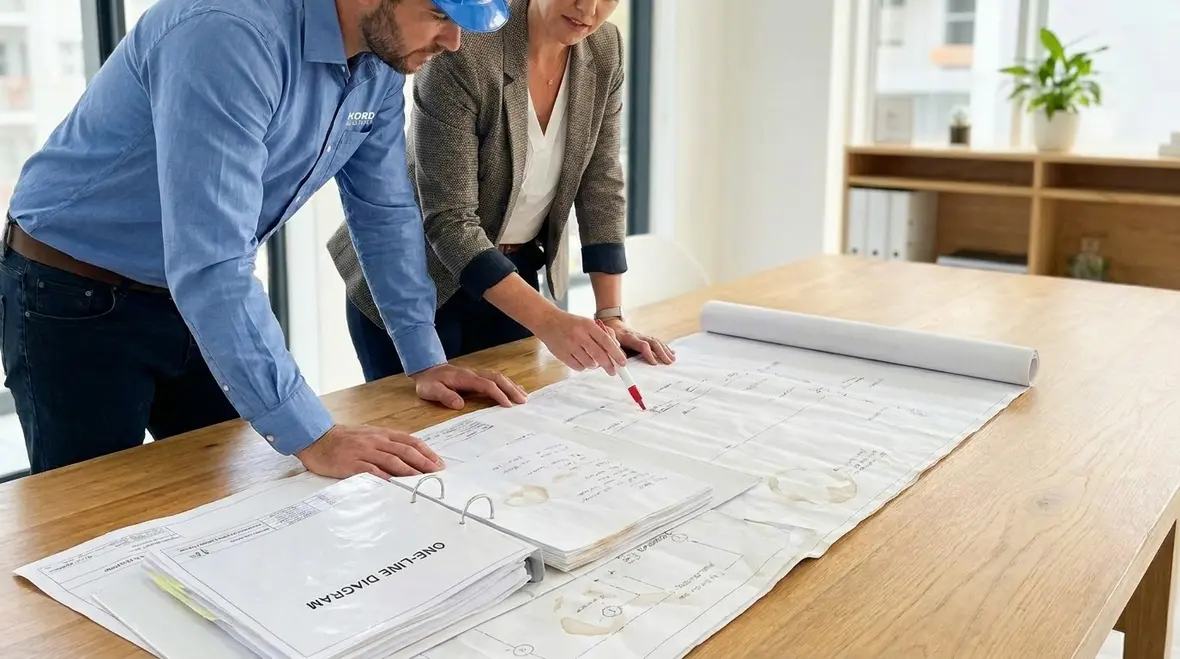
A solar installation in a commercial facility creates two main electrical worlds. On one side, there is DC power from the modules and string circuits. On the other side, there is AC power that interacts with the building’s electrical system through inverters, switchgear, and protective devices.
Because these sides behave differently, the solar panel electrical code requirements focus on separation, proper wiring methods, and protection appropriate to each voltage level and operating mode. For instance, designers must address how circuits are routed, how they are protected against faults, and how workers can safely shut down the system during service.
In our field work, we also pay attention to how the system interfaces with existing panels. Therefore, we confirm that grounding and bonding match the rest of the facility. We also ensure labeling and disconnects meet the expectations of the electrical review process. Our technicians explain how the DC side can remain energized under certain conditions, so the facility team understands where safety boundaries really are.
Connecting Solar Design to Broader Electrical Strategy
For many organizations, a solar upgrade is part of a broader electrical strategy that includes efficiency improvements, reliability upgrades, and long term maintenance planning. Resources like Kord Electric’s insight on hidden electrical risks in commercial buildings and their deeper dives into commercial and industrial electrical maintenance plans help facilities think beyond just the array on the roof and focus on the entire distribution path that supports it.
By aligning solar system design with existing maintenance programs and future electrical upgrades, facilities can reduce surprise outages and keep compliance tied closely to real world operations, not just project paperwork.
Grounding, Bonding, and Safety Controls That Hold Up Under Review
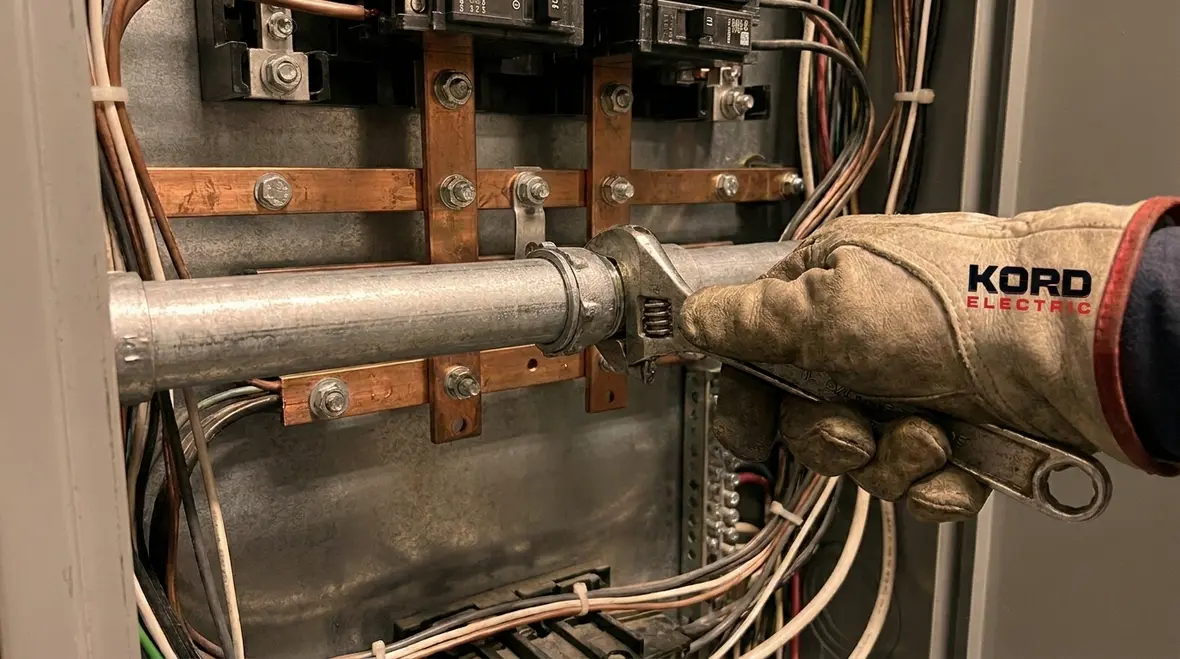
Grounding and bonding are not “nice to have” items. They are core to safety and to preventing dangerous fault conditions. In a solar system, you cannot treat grounding as an afterthought, because the building must handle fault currents, lightning surges, and abnormal conditions without creating risk for occupants or workers.
As part of the required electrical safety approach, we make sure the equipment grounding conductors are routed correctly and sized properly, and we verify that metal raceways and enclosures are bonded in a way that supports fault clearing. Furthermore, we check that the disconnecting means are placed and identified so emergency responders and trained staff can operate the system safely.
When we explain this with our clients, we do it slowly and clearly. Our expert service staff walks through how protective devices coordinate with one another, and how that affects fault current paths. In other words, we turn “electrical code” into something a facility manager can actually trust.
Why Grounding Strategy Matters for Long-Term Operations
Proper grounding and bonding for solar systems ties directly into the larger electrical infrastructure. When facilities combine solar upgrades with structured preventive maintenance, they gain a clearer picture of how fault currents move through panels, switchgear, and feeders. This kind of clarity helps teams plan future expansions, evaluate new equipment loads, and stay aligned with evolving standards like NFPA 70 over multiple code cycles.
Overcurrent Protection, Wiring Methods, and Conduit Choices
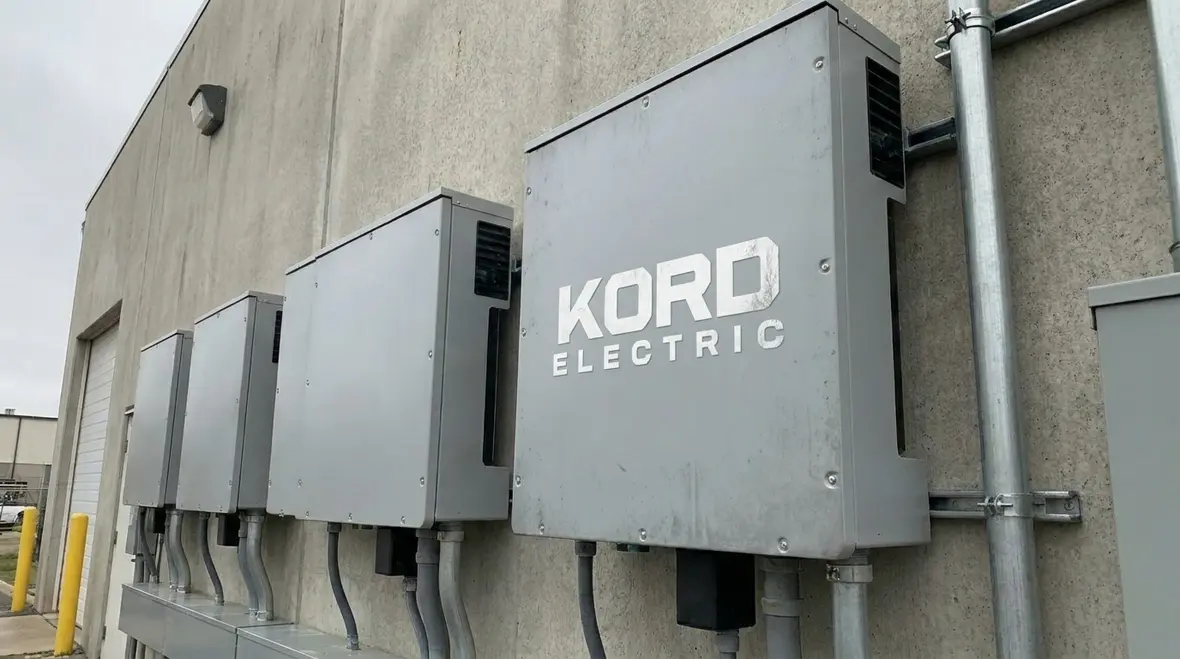
Commercial and industrial sites tend to have busy electrical rooms, heavy equipment, and strict access requirements. So the solar wiring plan must follow the electrical code while also fitting the real layout of the facility. That means we focus on wiring methods that match the environment where conductors run, including sun exposure, moisture, and physical damage risk.
Overcurrent protection must also match the design. Therefore, we confirm that protective devices protect conductors and equipment in a way that clears faults without causing nuisance trips. We coordinate protective ratings and ensure the system’s structure supports safe operation during normal and abnormal conditions.
On conduit choices, we make decisions based on both code rules and practical installation quality. For example, we manage bending radius, support spacing, and termination practices so conductors do not get stressed. Then we test and verify continuity and insulation resistance where appropriate, because paperwork alone will not keep a project safe.
And yes, sometimes a conduit decision feels like choosing a character in a video game. It matters because it affects everything that comes after. The difference is, the wrong choice does not just lose you a level. It can create a safety problem.
Coordinating Solar Wiring with Broader Facility Upgrades
Many commercial properties use a solar project as the right moment to assess aging panels, overloaded feeders, and legacy modifications that no longer match current operations. Combining the solar panel electrical code review with a wider look at lighting installations, panel conditions, and voltage stability can reveal opportunities to fix long standing issues while the project is already mobilized.
That approach turns a single solar job into a catalyst for more resilient power distribution, cleaner documentation, and a better long term plan for equipment changes across the building.
Rapid Shutdown, Signage, and Labeling for Working Facilities
Safety controls help protect workers and first responders by reducing hazards during emergency shutdown conditions. In solar projects, rapid shutdown features and system operation rules connect directly to the electrical requirements for labeling, controls, and device placement.
Kord Electric installs and documents these features so they align with the solar electrical code requirements that apply in California. We verify the presence and location of required signage, and we ensure that disconnect labeling supports quick identification. As a result, a facility team does not have to guess which lever does what under stress.
Our technicians also explain labeling to the people who will actually use it. That matters because even the best engineered system can get misused if staff does not understand how to operate it. Therefore, we take time to walk through shut down steps, safe boundaries, and who should coordinate service requests.
Making Safety Features Practical, Not Just Compliant
The most effective rapid shutdown designs are the ones that real people can operate under pressure. That means clear labels at eye level, intuitive control locations, and documentation that is actually used during training sessions. When facilities connect these features to drills, onboarding, and written procedures, the rapid shutdown system stops being background hardware and becomes an active part of their safety culture.
Interconnection and Utility Coordination for Commercial Power Systems
A solar array does not live in isolation. It must connect to a utility-approved interface and operate within grid rules. For commercial and industrial facilities, interconnection requirements often influence protective settings, metering arrangements, and how the system responds to abnormal grid conditions.
Accordingly, we plan interconnection steps early. We review requirements for how the inverter system communicates and how the facility should operate during grid events. Then we align that with the electrical code expectations for protective coordination and system operation.
Because utility rules change and site conditions differ, our approach stays practical. We ask the right questions early, verify the one line diagram details, and coordinate timing with the permitting and inspection path. Our expert service staff keeps clients informed with clear updates, so teams do not interpret silence as progress.
Planning for Future Loads and Grid Requirements
Interconnection planning is also the right moment to think ahead. Facilities considering future EV charger installations, expanded production lines, or data center loads can benefit from sizing and coordinating solar systems with those long term goals. When interconnection studies and solar designs anticipate those demands, it becomes easier to phase in new equipment without repeating the entire review process from scratch.
Common Mistakes We See on Commercial Solar Electrical Jobs
Even solid engineering can stumble during real installation. We see recurring issues that lead to delays, rework, or failed inspection cycles. So we treat these as training lessons for your project.
- 1) Plans that do not match the field.
- 2) Incomplete labeling, missing disconnect identification, or unclear signage.
- 3) Grounding and bonding details overlooked during design changes.
- 4) Protective device coordination handled late, instead of during initial design checks.
- 5) Wiring methods chosen without considering the facility environment.
To reduce risk, we run internal checks before anything leaves the staging area. Then we verify again at commissioning. When our technicians explain these steps, they do it with a calm focus, because nobody needs a lecture. They need a job that passes inspection and performs for years.
Turning Lessons Learned into Stronger Solar Projects
Every failed inspection or change order on some past job becomes a checklist item on the next one. By treating these recurring mistakes as training material, our team builds solar projects that anticipate what inspectors, plan reviewers, and facility managers worry about the most. The result is a smoother path from first design conversation to final sign off.
FAQ: Solar Electrical Code and California Commercial Installations
Call Kord Electric for a Code-Safe Commercial Solar Installation
If your commercial or industrial facility plans a solar upgrade, do not gamble with compliance. Kord Electric brings expert service staff, careful planning, and field-ready installation quality that supports a smooth permitting path. We explain the electrical requirements in clear terms, verify grounding, labeling, wiring methods, protection, and shutdown features, and coordinate the interconnection steps so your project stays on track. Reach out today for an electrical review and a practical roadmap from design to inspection to commissioning.
For facilities that want solar to fit cleanly into a broader electrical reliability plan, Kord Electric’s commercial and industrial specialists can also coordinate with services like electrical preventive maintenance, lighting installation upgrades, and other commercial electrical improvements so your solar investment supports a stronger, more resilient power system overall.
Ready to align your solar project with California’s solar panel electrical code and your long term operations?
Connect with Kord Electric’s commercial and industrial team to review your facility, map out code requirements, and design an installation that is built to pass inspection and perform for years.


