
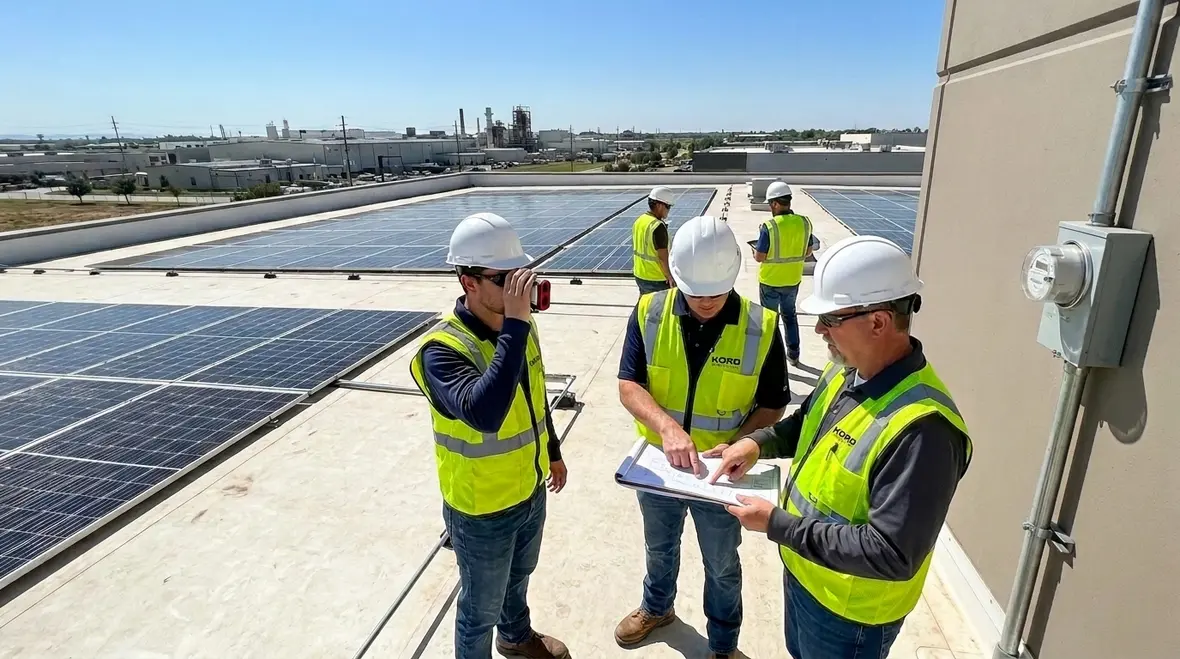
Solar Power Installation for Commercial Buildings
Kord Electric helps building owners make smart decisions with our solar power installation commercial, built for commercial and industrial facilities and major property buildings. When we plan a system with you, we do not just talk panels and wires. We help you understand what must happen before installation, what can go wrong, and how to protect your investment long before the first bolt is tightened. And yes, we explain the details like we are calmly walking your team through it, not like we are handing out a mystery box. Others may sell you “green power” and disappear. We stay, and our experienced service staff guides you through the process from site review to commissioning.
Solar Power Installation for Commercial Buildings: the real planning steps
Most owners think solar starts with a roof survey. However, for commercial and industrial projects, it starts with your load profile, your operating schedule, and how you want the facility to respond to rising energy costs. We begin by reviewing electrical demand data, utility rates, and any on site generation or backup systems you already use. Then we map that information to a design that matches how your building actually runs.
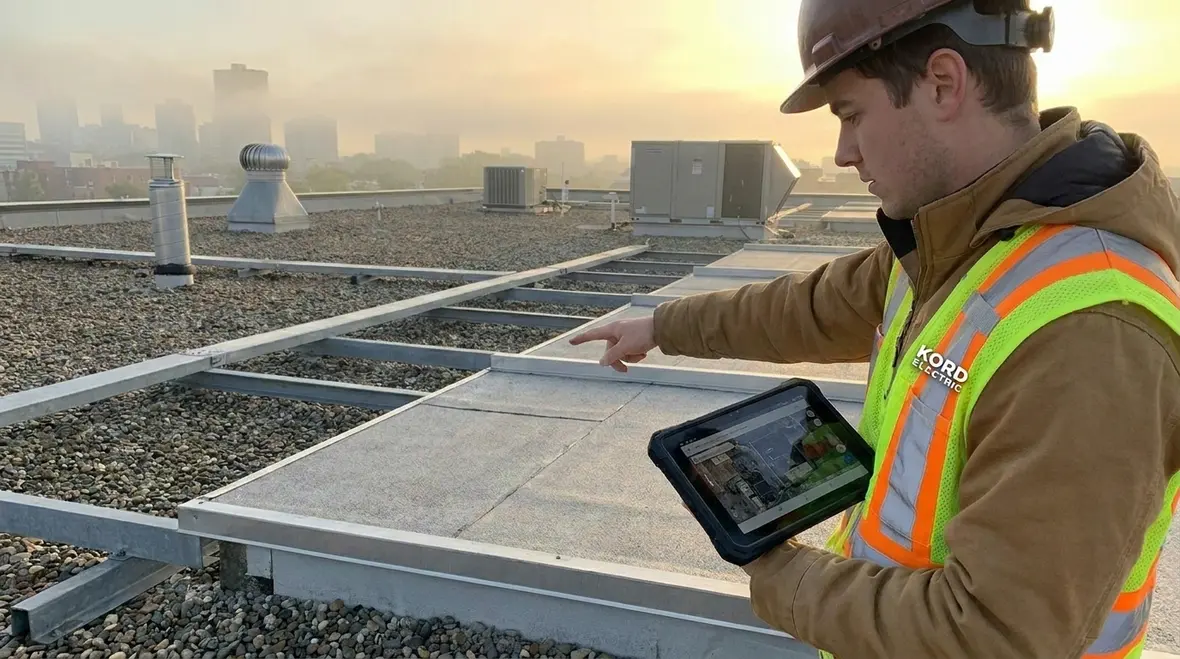
Next, we check your structure and mounting options. Because commercial buildings vary widely, we verify roof condition, access paths, and attachment methods that fit your specific roof type. After that, we align the solar power installation commercial scope with permitting requirements, interconnection rules, and electrical code needs. In other words, we build the roadmap first, then the system.
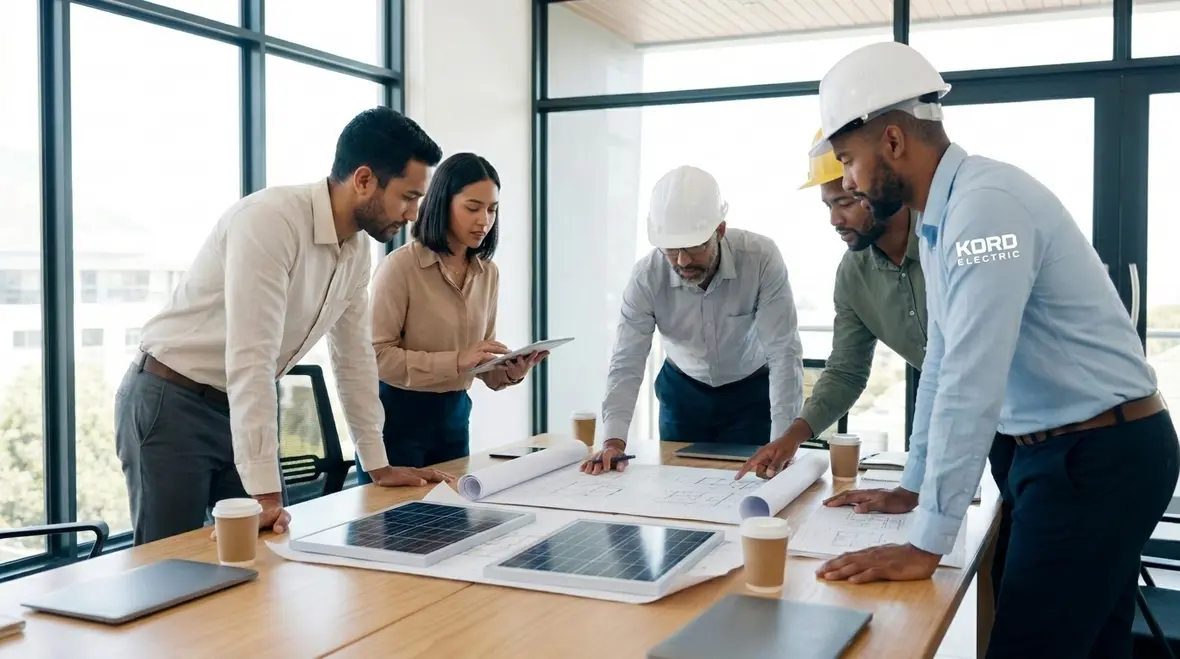
During this early planning, we also talk about long term operation and maintenance, not just the installation day. That means building a design that your facilities team can live with year after year, with clear access paths, understandable documentation, and realistic expectations around upkeep. When planning feels organized instead of rushed, the rest of the project follows suit.
Electrical, structural, and utility checks that prevent expensive surprises
Before anyone installs hardware, we confirm the electrical path from generation to your main service equipment. We evaluate available space in panels and switchgear, and we plan for safe disconnects, labeling, and metering. At the same time, we verify whether your existing electrical system can support the new power flow without forcing costly upgrades later. For facilities already working through issues like voltage fluctuations, we coordinate solar design with broader corrective work so the system starts on stable footing rather than piling new load onto existing problems.
On the structural side, we look at load impacts and roof age. Then we confirm whether your facility needs reinforcement, roof replacement, or special mounting adjustments. Meanwhile, utility interconnection can also take time, so we start that process early. If we wait until the day of installation, we risk delays that make schedules wobble like a sitcom character trying to juggle too many plates. We avoid that.
Our technicians also think about future operations. For example, if your facility plans to add charging for fleets or expand production lines, we factor in electrical growth instead of building a system that feels “just enough” today but “not enough” tomorrow. This is the same mindset we use when planning commercial and industrial EV charger installation—we look at both immediate demand and what your site may need a few years down the road.
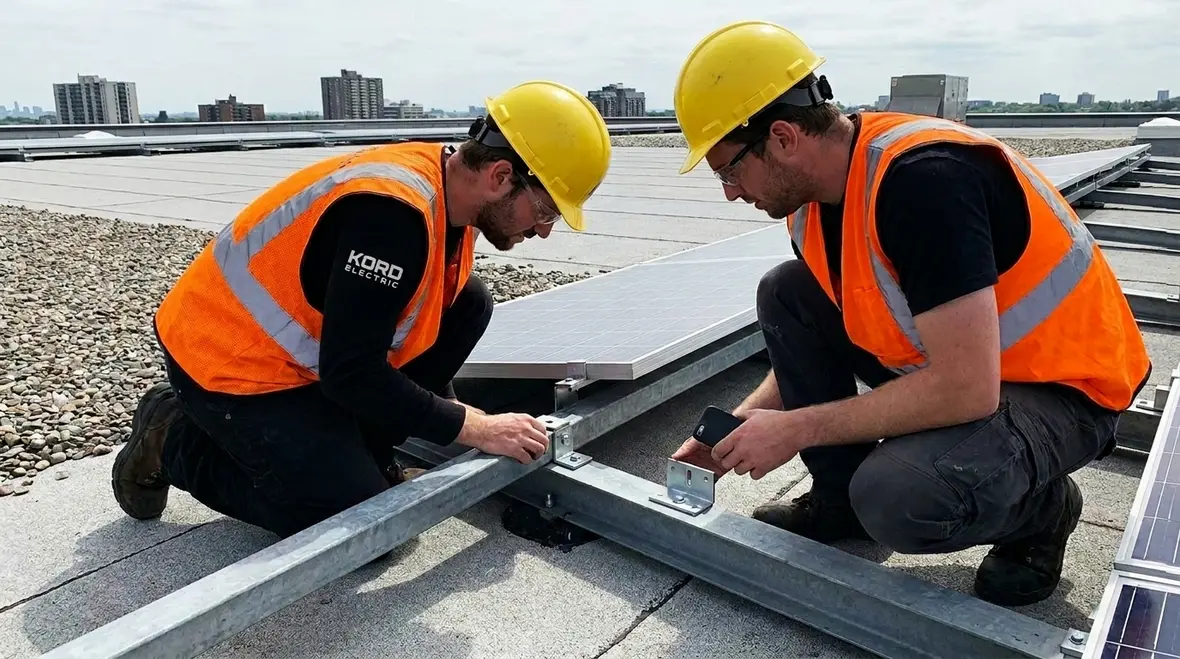
By the time we finish these checks, your team has a clear view of which upgrades are required, which are optional, and which can be timed with other planned work like lighting improvements or electrical preventive maintenance. That clarity helps you plan budgets and downtime instead of reacting to surprises after the project is already in motion.
Permits, interconnection, and the paperwork game everyone pretends is easy
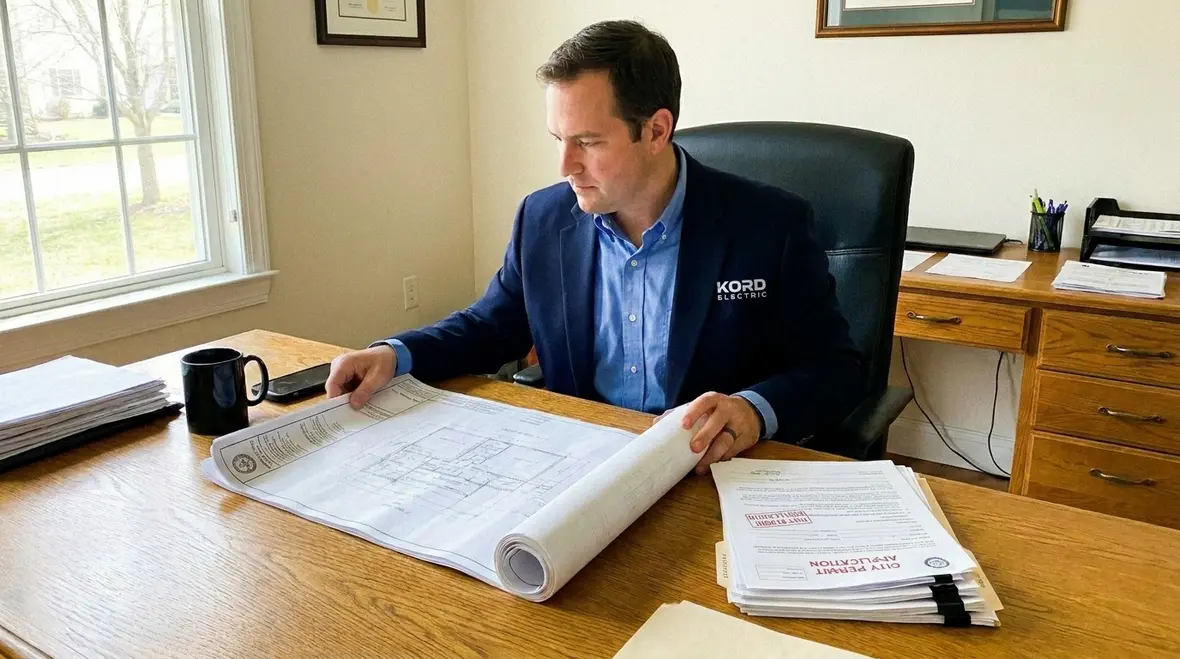
In commercial solar power installation, paperwork is not a side quest. It is the main plot. We coordinate permitting steps and document needs that often include engineering stamps, single line diagrams, product data, and site plans. Because each jurisdiction and utility has its own process, we guide your team through the timeline so you know what is waiting in line and what can move fast.
Then we handle interconnection requirements. That means we work with utility rules for system size, protection settings, and metering. We also confirm how your facility will export power, if allowed, or how it will operate under utility constraints. Along the way, we keep your staff updated on status so they are not stuck wondering whether an application disappeared into a digital void.
As our expert service staff explains, the goal is simple: you should not get to the finish line only to find out the utility requires changes you could have handled months earlier. We keep your project moving with clear milestones and practical communication. That same discipline is how we deliver other code-compliant projects, from lighting installation services to complex commercial upgrades that rely on strong documentation and inspection-ready design.
We also help your internal stakeholders understand how inspections, testing, and sign-offs fit into the schedule. When everyone can see where the paperwork sits, no one is left guessing why a seemingly simple step is taking extra time.
How we choose system size to match energy demand, not vibes
Some teams request a system size by guesswork. Yet commercial energy use is anything but casual. We analyze your energy consumption patterns, including peak demand windows and seasonal variation. Then we design a system that offsets real usage. As a result, your savings show up when you actually need them, not just on an optimistic spreadsheet.
We also look at roof usable area and layout constraints. Because shading can reduce production, we check nearby structures, vents, and roof equipment. After that, we evaluate panel placement to optimize performance while respecting safe maintenance access and code requirements. If roof space is limited, we discuss options like carport structures or ground mounts that better suit your site.
Finally, we consider the business side. If your organization cares about predictable budgeting, we discuss options that align with your procurement strategy and long term goals. We do this so your solar power installation commercial investment supports your facility plans, not just your press release. For owners also modernizing lighting or planning electrical upgrades, we can align solar with broader efficiency work so the combined project delivers stronger returns.
The result is a system sized for the way your building truly operates. Instead of chasing a round number in kilowatts, we match solar generation to your demand profile, rate structure, and long term strategy so the project behaves like a planned asset instead of a decorative rooftop accessory.
Inverters, monitoring, and power quality for industrial reliability
Owners want solar power. We agree. But in commercial and industrial facilities, reliability comes first. Therefore, we pay close attention to inverter selection, monitoring methods, and power quality impacts. We evaluate how your facility handles harmonics, voltage regulation, and cycling loads that come from motors, HVAC, and production equipment.
We also ensure you get visibility. Monitoring matters because it helps you track output, detect issues early, and verify performance over time. When you can see data clearly, you can act quickly. And when you cannot see anything, you end up guessing, which is like trying to fix a machine by listening to it through a wall. Our technicians set you up with the right level of reporting so your maintenance team can make informed decisions.
Additionally, we coordinate with your existing electrical protection scheme. We make sure the system shuts down safely when required, while maintaining stable operation during normal conditions. This helps protect equipment and supports smoother integration into your facility’s electrical infrastructure. If your building already follows structured electrical preventive maintenance practices, we fold solar performance checks into that rhythm so the system stays reliable instead of becoming another forgotten asset on the roof.
In facilities with sensitive equipment or frequent load changes, we can also coordinate power quality studies. That way, when the solar system goes live, it joins a stable electrical environment instead of amplifying issues that were already hiding in the background.
Financing, incentives, and contracts that keep the deal honest
Many building owners focus on monthly cost. We understand that. However, solar projects should also be evaluated by lifecycle value, contract terms, and how risk is assigned. We help you compare options so you can choose an approach that fits your financial and operational reality. That may include planning around ownership structure, operation and maintenance expectations, and warranty coverage.
We also discuss how incentives and utility programs influence project economics. Because rules can change, we explain what is likely and what needs verification for your location. Then we connect the paperwork back to the numbers, so you know how each approval or timeline affects the final outcome. Instead of treating incentives like mysterious bonus points, we map them to schedule, cash flow, and risk.
When our expert service staff reviews contract details, we focus on clarity. We want your team to feel confident, not like they just signed up for an advanced level of “guess the fine print.” We keep the scope defined, the responsibilities clear, and the execution timeline realistic. That same straightforward approach is what commercial clients rely on across Kord Electric projects, from major rewiring work to lighting and EV infrastructure.
Ultimately, a strong contract is not just about protecting one side. It is about aligning expectations so the solar power installation commercial project performs as promised over the full life of the system.
FAQ: solar power installation for commercial and industrial sites
Get your commercial solar project on track with Kord Electric
If you are ready to move forward, we make it easy to start the right way. Kord Electric works with commercial and industrial facilities and major property buildings, and we help you plan for electrical, structural, and utility realities before installation begins. Reach out for a site assessment and a clear project roadmap. Then we align system design, timelines, and service support so your solar power investment performs as promised.
If your facility also needs lighting, panel, or power quality work, we can coordinate solar with related services like voltage fluctuation correction, lighting upgrades, or broader maintenance planning. That way, your solar project becomes part of a stable, modern electrical strategy instead of a standalone upgrade competing for attention.
Call us today and let’s put your facility on a steadier energy path. From first load study to final commissioning, Kord Electric treats solar power installation commercial projects as long term infrastructure, not just a one day construction event.
To take the next step, connect with our team and explore how solar can work alongside your other building projects, whether that includes lighting installation, EV charging, or a phased roadmap for electrical modernization across your portfolio.


