
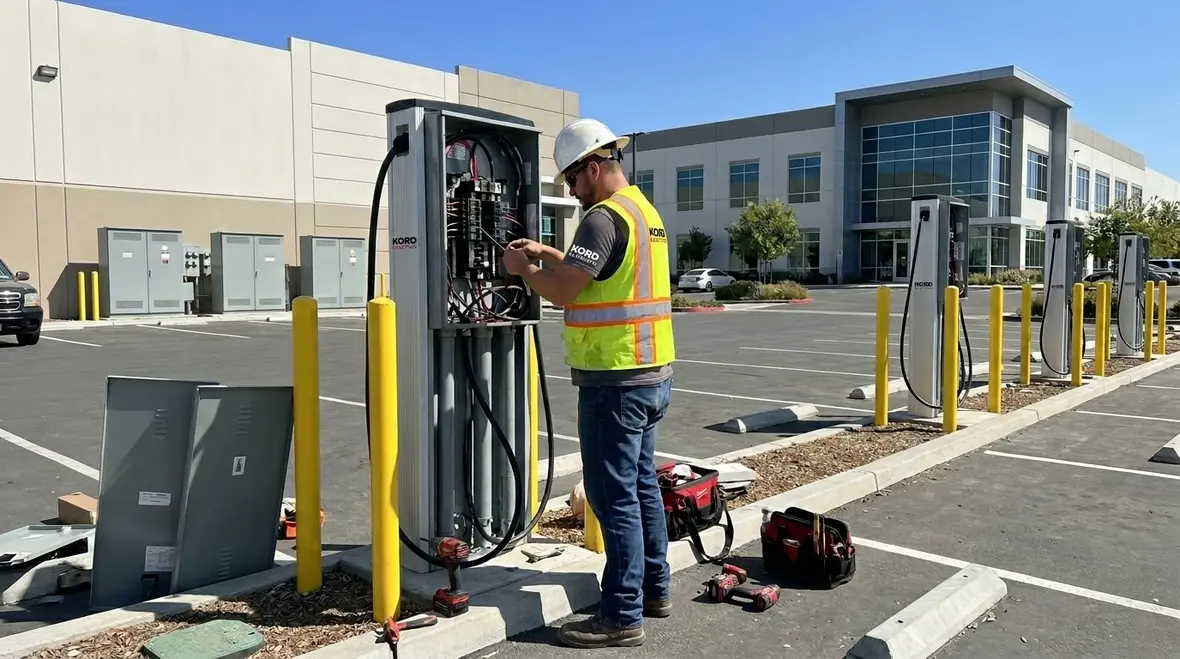
EV Charger Installation California Code Guide
EV Charger Installation California: what California code really demands
In the first place, EV charger installation California is not a “pick a charger and hope” kind of job. California has rules that touch electrical design, permitting, safety, and inspections, and we take those rules seriously at Kord Electric. We work only with commercial and industrial facilities and major property buildings, because those sites need real planning, not quick fixes. Then again, we also know that no one wants to wait weeks while an inspector plays detective with a half finished install. Our expert service staff and our technicians explain the process step by step, so property owners, facility managers, and general contractors can make decisions with confidence.
So, let us walk through the code requirements in plain language, then show how we build compliant charging stations for real businesses, not toy projects.
Why California electrical and safety rules matter for business sites
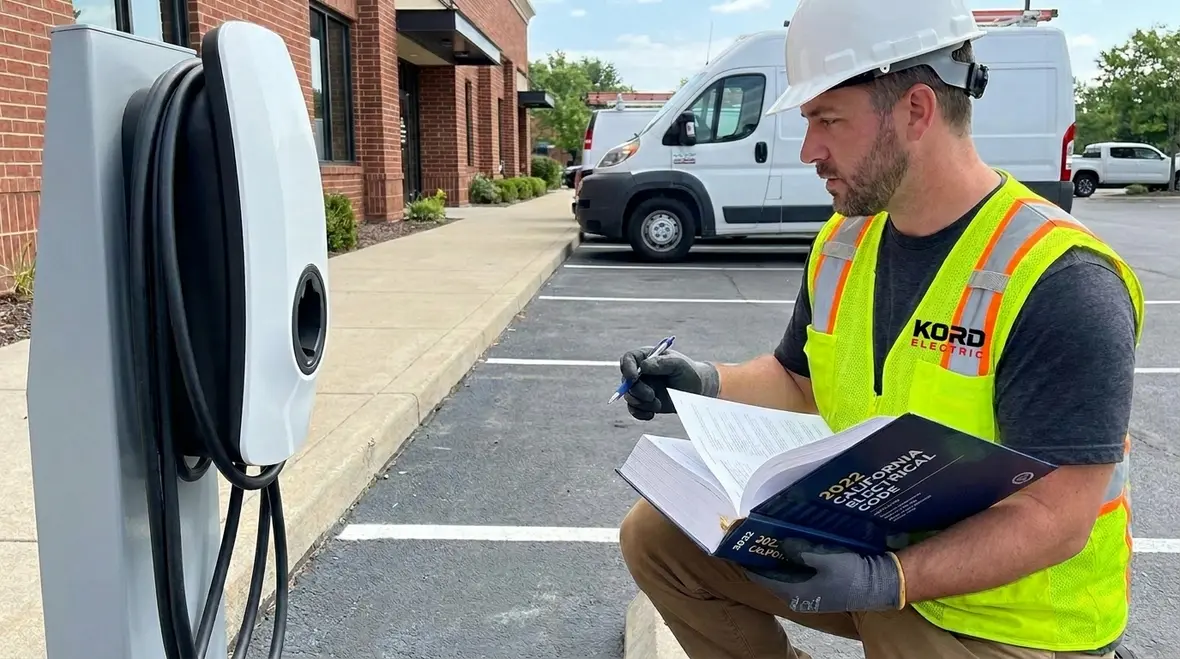
When a commercial or industrial property installs EV charging, the system becomes part of the site’s electrical life. That means the rules aim to prevent shock hazards, reduce fire risk, and keep power quality stable for other loads. As a result, California code considerations often show up in three places: the electrical system design, the wiring and equipment protection, and the required documentation for permitting and inspections.
Also, chargers are not all the same. Some sites need multiple ports, load management, or upgrades to service equipment. Therefore, code compliance depends on the charger type, the circuit design, the panel layout, and the way the property manages demand. We do not guess, we verify, and our team follows a process that helps keep the project moving.
And yes, inspectors can be stern, like a celebrity manager during award season. But when the paperwork and wiring match what the code expects, those stern looks usually turn into a clean sign off.
If you’re starting to plan EV infrastructure for your property, it can help to compare charger options and project steps alongside our dedicated EV charger installation service page, which outlines how design, permitting, and commissioning work together on real projects.
Key permit and inspection steps we follow before energizing
In California, a charger installation typically requires a permit, and inspections confirm that the installation meets applicable code and local enforcement requirements. We start by reviewing the site’s electrical one line diagram, service capacity, and existing panel conditions. Next, we prepare the design documents needed for plan check. After that, we schedule an inspection at the right stages, so corrections do not arrive at the worst possible time.
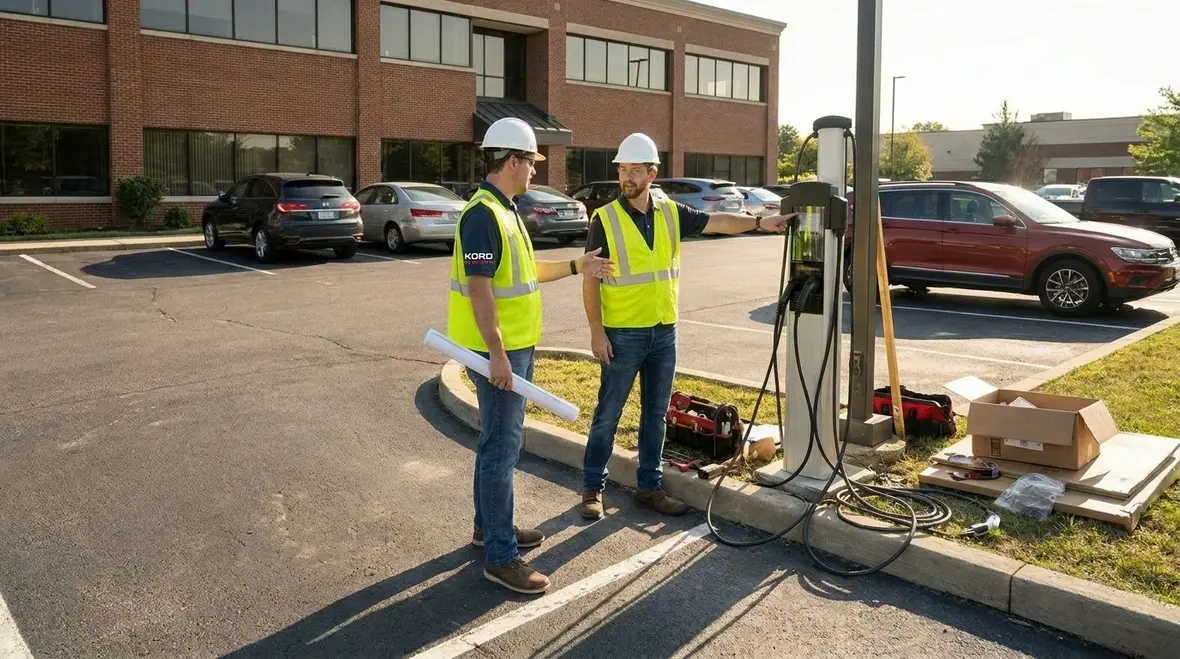
Because commercial and industrial buildings often have multiple trades running at once, we also coordinate timing with electrical contractors, electrical engineers, and property management. That matters. If conduit routing or panel modifications do not line up with building schedules, chargers end up delayed, and then everyone starts asking questions that no one wants to answer.
Our technicians and expert service staff explain what the inspector will look for, so the team can address issues before the inspection day. This keeps EV charger installation California projects from turning into a “who moved the conduit” mystery.
For facilities that are already mapping out broader electrical improvements, it can be smart to fold chargers into a larger preventive strategy. Our article on commercial and industrial electrical maintenance plans explains how planned work and inspections support long term system reliability.
Conduit, wiring, grounding, and protection: where compliance lives
Now we get into the nuts and bolts. Code requirements often focus on how the electrical wiring and raceways get installed, how equipment gets protected, and how grounding gets handled. For business properties, these details become extra important because chargers may run for years, often with varying usage patterns, and sometimes near heavy traffic and harsh weather.
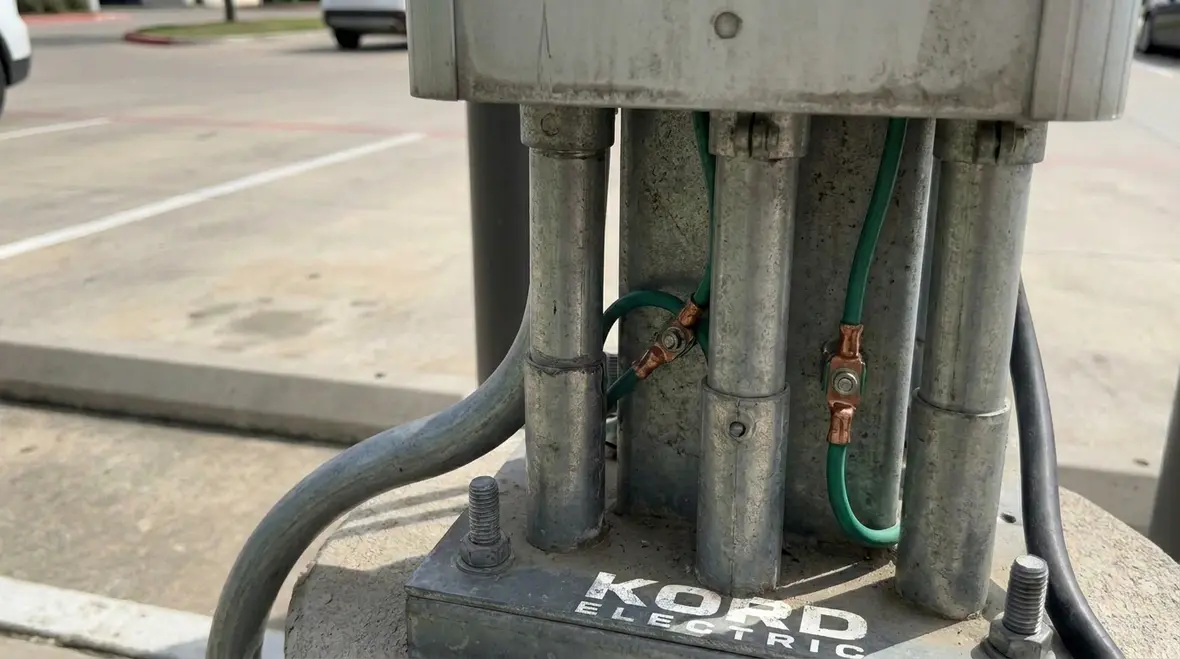
We design the pathway for conductors using proper conduit practices, appropriate cable types, and correct routing through the building or site. We also ensure the installation uses suitable overcurrent protection and meets temperature and sizing requirements. Grounding gets handled with care, because a solid grounding system supports safe fault clearing and reliable operation.
In addition, we pay attention to equipment location and physical protection. For example, if a charger sits where vehicles or equipment could strike it, we plan for barriers or bollards. Then we document the details clearly so the inspection reviewer can confirm the installation matches the plan.
In short, we treat wiring and grounding as the foundation of safe charging service. Without that foundation, even a top tier charger becomes a liability instead of an asset.
If your building has had past issues with nuisance trips or power quality, it may be worth pairing your charger project with targeted diagnostics. The overview of voltage fluctuations in commercial and industrial facilities shows how load behavior, grounding, and protective devices work together in busy electrical systems.
Load management and electrical upgrades for large properties
For major property buildings, capacity is usually the bottleneck, not the charger itself. If the site’s electrical service cannot support simultaneous charging demand, the system needs load management or an upgrade. Our team evaluates existing electrical infrastructure, then we recommend the correct path.
Load management can reduce peak demand by coordinating charger output based on real time conditions. That helps protect service equipment and can avoid costly upgrades in some cases. However, we still verify that the proposed approach fits the site’s expected use and electrical design.
When an upgrade is required, we plan it as a coordinated electrical project. That may include panel modifications, transformer work, switchgear considerations, or new circuits that match the site’s layout. We also consider how power will flow during different operating modes.
And just like a well managed parking lot, the trick is flow. When electrical flow matches real demand, chargers work smoothly and do not cause surprise tripping or downtime.
ADA access, site design, and weather durability
Beyond electrical safety, code and accessibility rules can impact how chargers get placed. For commercial and industrial facilities, this often involves site layout, clearances, and route access for users with disabilities. We review the property plan and then position chargers to support safe access and practical use.
We also think about the realities of outdoor installations. California weather can swing, and equipment must handle moisture, dust, and temperature changes. Therefore, we specify enclosures and components rated for the environment, and we route wiring in a way that supports long term durability.
Then we address signage and wayfinding so drivers find chargers without standing around like they forgot where the car keys are. Clear labeling improves use, reduces confusion, and supports smooth operations for property managers and fleet operators.
In other words, compliance includes both electrical structure and the human experience around the charger.
Smart documentation and ongoing compliance for property owners
Many installations stop at energizing. We do not. For major buildings and commercial sites, owners benefit from clear documentation that supports future maintenance and avoids future headaches. Our process includes organized records of equipment selections, circuit details, grounding methods, and inspection outcomes. We also help facility teams understand what to expect during normal operation and what signs could indicate a service need.
Because code requirements evolve and site usage changes, we also encourage owners to plan for future expansions. For example, adding chargers later can require revisiting capacity or modifying load management settings. When documentation exists, expansions go faster and inspections become easier.
Moreover, our expert service staff provides straightforward explanations. We tell property owners what choices we made and why, and we translate the electrical language into practical business terms. If someone wants to know “what does this mean for my power bill,” we answer that too, without making it sound like a finance lecture.
Project process overview: from assessment to energizing
To keep commercial charging projects aligned with code and timelines, we follow a clear flow:
- Site assessment: We review electrical capacity, equipment areas, and charger placement constraints.
- Design and documentation: We prepare plans that match the site and support permitting.
- Permitting support: We coordinate needed details for local approval.
- Rough in and protection checks: We install conduit, wiring, grounding, and protective devices.
- Inspections: We help schedule inspections and address issues before final approval.
- Final energizing: We verify safe operation and explain usage to the site team.
This is where careful execution meets compliance. When a team follows a disciplined process, EV charger installation California becomes a stable project instead of a long, frustrating guessing game.
Commercial FAQ: code, permits, and safety
Below are common questions facility managers and property teams ask when they start planning EV infrastructure for commercial and industrial sites.
Call Kord Electric for compliant charging at your site
If your commercial or industrial property in California needs EV charging, we can help you install a system that fits code requirements and supports real business needs. Kord Electric designs, documents, and executes the work with skilled technicians and an expert service team who explain the process clearly. Then we coordinate inspections so the project stays on track. Ready to move from “we should install chargers” to a safe, permitted system? Contact us now to discuss your site and timeline.
To see how EV charging fits alongside other electrical upgrades, explore our dedicated EV charger installation California service page or review complementary offerings such as lighting installation services for large commercial and industrial properties. Coordinating these projects together often delivers smoother inspections, better power quality, and a cleaner experience for the people who use your site every day.


