
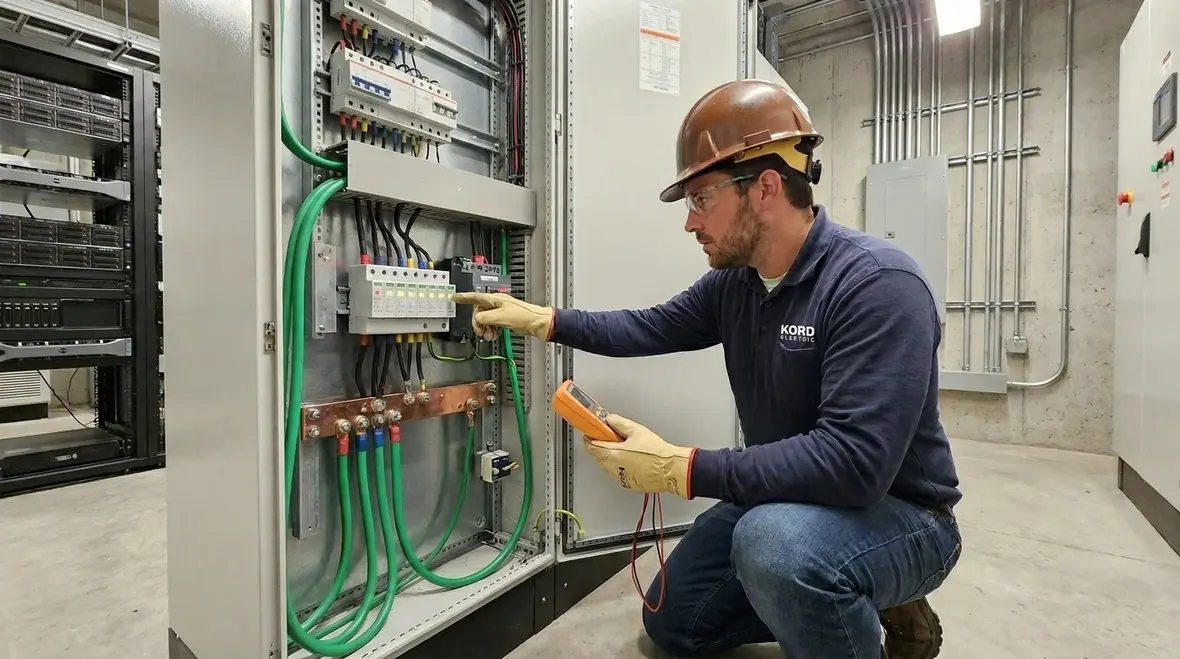
Commercial and Industrial Surge Protection
When the lights flicker, the computers freeze, or a control system suddenly behaves like it forgot its own job, the culprit is often electrical surges. At Kord Electric, we support commercial and industrial facilities with a practical electrical surge protection business approach that helps protect critical electronics, keep downtime rare, and reduce expensive “mystery failures.” In this article, our service team explains the real strategies that work in the field, including what we check, what we install, and how we plan protection so it stays effective through storms, utility events, and everyday power stress.
Why surges keep showing up in commercial buildings
In commercial and industrial spaces, surge damage rarely comes from one dramatic lightning strike like a movie scene. Instead, it usually builds from smaller events that stack up: utility switching, motor startups, HVAC cycles, and even poor grounding that turns normal power into a threat. Then, when a surge does arrive, it rides the wiring path straight into sensitive electronics.
As we see it on site, electronics fail in two main ways. First, the surge overwhelms insulation and forces current where it does not belong. Second, it causes partial damage that looks fine at first, but the system degrades over time. So, the repair bill arrives later, when you least want it, and the system acts “haunted” for reasons that never sound funny at billing time.
Because facilities depend on uptime, we treat protection as a system, not a single device. We also align our recommendations with how each building actually runs, since a warehouse, a medical office, and a manufacturing line do not share the same risk profile.
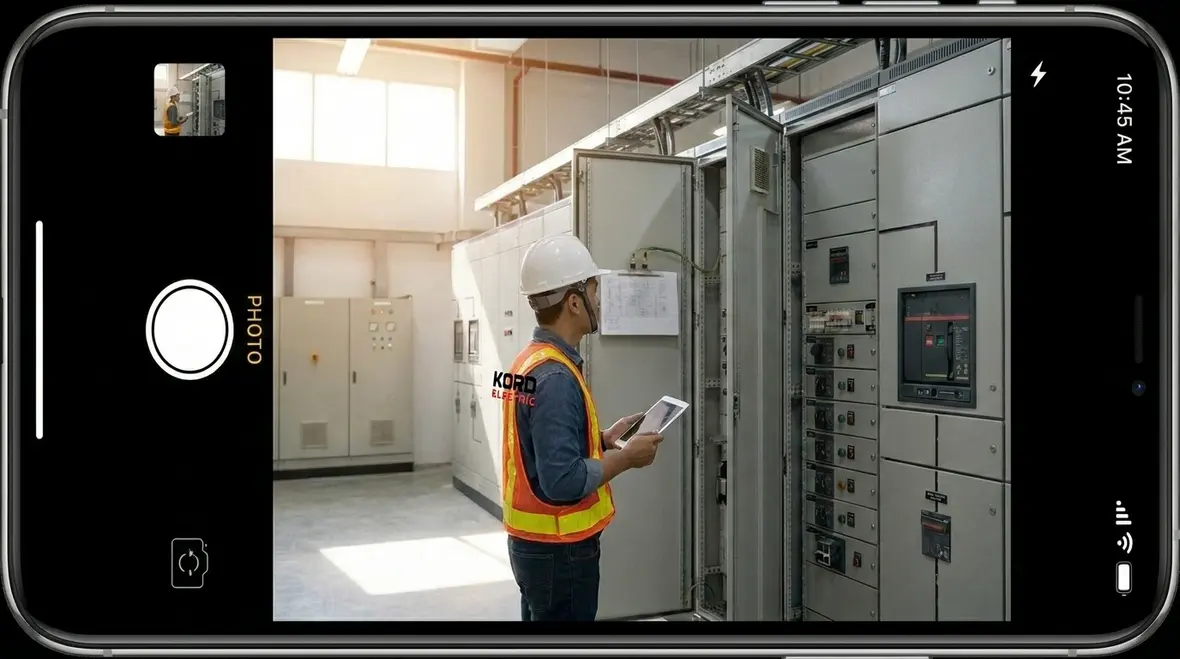
How we assess risk before we specify surge protectors
We start with a disciplined review, and our expert service staff explains each step in clear language. First, we identify what the building protects: servers, PLCs, VFDs, process controllers, security systems, networking gear, and any equipment that shuts a business down when it fails. Then we map where surges can enter, which includes power feeders, branch panels, control circuits, and sometimes communication lines.
Next, we look at conditions that increase risk. We check grounding and bonding practices, because surge protection without solid grounding can turn into expensive decoration. We also review electrical maintenance patterns and previous faults, since recurring issues often point to unstable power quality.
Finally, we evaluate coordination. In other words, we confirm that devices work together from service equipment down to point of use. If we do not coordinate, one protector can take the hit while upstream gear still struggles, and downstream electronics stay exposed.

What levels of protection we use for sensitive electronics
We design surge protection in layers, so each device handles part of the problem. Most facilities need a combination of approaches, not one magic box. So, we use layered strategies that match the path of the surge.
Typically, we include:
- Service entrance surge protection to reduce energy before it reaches branch panels
- Panel and branch level devices to manage remaining transients closer to equipment
- Point of use protection for mission critical loads like servers, network gear, and control cabinets
- Control and communication line protection when signals run through copper lines that can carry disturbances
Meanwhile, we do not just “install and move on.” Our technicians verify that devices have compatible ratings and that the building wiring provides the path they need. If the installation includes the wrong type, wrong connection method, or inadequate separation from wiring noise sources, then even a strong electrical surge protection business plan cannot fully protect.
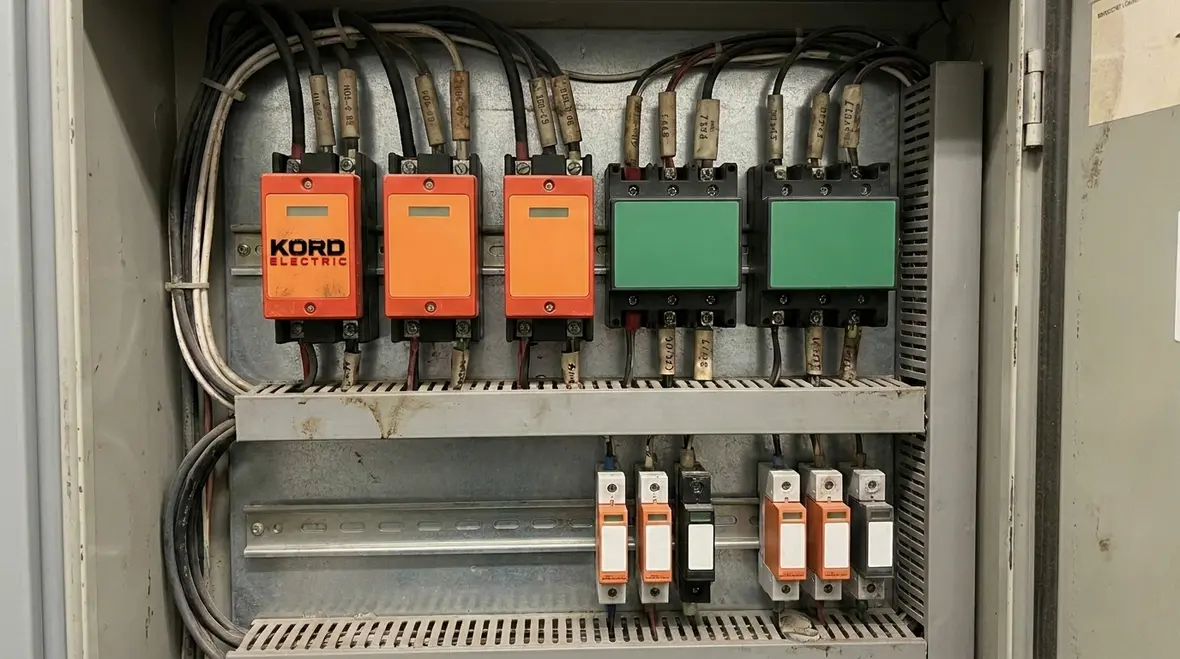
Surge protection and grounding: the part everyone underestimates
Grounding decides whether the surge has somewhere safe to go. We treat it like the foundation of a house, because it behaves the same way: when it is solid, everything else performs better; when it is weak, the whole structure starts to wobble.
Our staff checks bonding continuity, electrode condition, and how equipment grounds connect to the system. We also look for common installation mistakes that make surge protection less effective. These include loose connections, missing bonding paths, mixed grounding schemes, and corrosion that increases resistance.
Then we confirm clearances and wiring methods. Clean routing and proper separation reduce the chance that surge energy couples into other circuits. And when facilities include metal enclosures and cable trays, we make sure the layout does not turn into a shared antenna. A surge does not need your permission to travel, but it does follow physics.

Why surge protection works best with a maintenance plan
Here is where we separate quick fixes from long term safety. Surge protection components can age, especially after significant events. That is why we connect our strategy to ongoing electrical maintenance practices. In fact, our approach aligns with the commercial and industrial electrical maintenance plans we support, where scheduled checks help keep protective systems reliable over time. For a deeper look at how these programs work in practice, many facility teams explore our dedicated guide on commercial and industrial electrical maintenance plans so their surge strategy fits into a broader reliability plan.
We review protective devices for status indicators, connection integrity, and signs of end of life. We also test relevant systems based on the building’s risk profile. Just as importantly, we confirm that the facility’s electrical changes do not quietly undo the plan. A new piece of equipment, a panel swap, or a control retrofit can shift surge paths.
In practical terms, our technicians document findings and explain what we found and what we recommend. Our goal is calm clarity, not “surprise jargon.” Because if someone has to guess what protects their production line, we have not done our job.
Special considerations for critical property buildings and industrial operations
Commercial and industrial properties often carry loads with fast switching and high inrush, which increases transients. Additionally, many facilities rely on automation and communication networks, so surges can hit both power and signal pathways.
We focus on the scenarios that create the most headaches:
- Manufacturing and process equipment with VFDs, PLC cabinets, and motor control panels
- Buildings with life safety and security systems that cannot afford intermittent outages
- Facilities with long cable runs where transients pick up noise and travel farther
- Sites with frequent power cycling like HVAC heavy loads or shift based production
Also, we think about coordination with other protection measures. For example, if a facility already has selective device strategies, we match surge protectors to that design. If the building uses sensitive grounding practices, we align the surge plan so we do not accidentally create conflicts between system components.
And yes, we still hear jokes from people in the field: “Our electronics are tough.” Sure. Until the day they meet a transient that arrives like a pop quiz when nobody studied. Then toughness becomes downtime, and downtime becomes expensive.
FAQ: Surge protection for commercial and industrial facilities
From surge events to long term reliability: connect surge protection with preventive service
For facilities that have already seen unexplained shutdowns, nuisance trips, or random equipment resets, surge protection is only one piece of the reliability puzzle. Many commercial and industrial leaders pair their surge strategy with structured inspections and testing so they can see what is really happening at panels, switchgear, and branch circuits before problems turn into outages.
Kord Electric’s service teams support this by tying surge protection into broader preventive maintenance. That can include infrared scans, torque checks, documentation reviews, and targeted diagnostics focused on power quality. When surge devices, grounding, and general maintenance all align, buildings gain a much calmer electrical backbone.
If your facility wants surge protection to support a bigger reliability strategy, it often helps to combine planning with a dedicated service framework. One way teams do this is by connecting their surge priorities to ongoing inspection programs built around commercial and industrial electrical maintenance plans, so surge events, breaker behavior, and equipment health all get tracked together instead of as separate problems.
Conclusion: let us protect your critical systems before the next surge
Surges do not wait for your schedule, and they rarely announce themselves like friendly visitors. If you run a commercial or industrial facility, we believe your critical electronics deserve a layered, coordinated approach to electrical surge protection business planning. At Kord Electric, our technicians evaluate risk, install properly, and support ongoing maintenance so your protection stays effective. Contact us today to discuss your building’s needs and schedule an assessment. We will keep your systems running, and we promise not to treat your uptime like a mystery.
If you are looking for a structured way to keep surge protection, grounding, panels, and distribution gear in top condition, our dedicated electrical preventive maintenance services for commercial and industrial facilities provide a clear framework. Pairing surge protection with a preventive maintenance program helps your building move from reacting to events to planning around reliability.


