
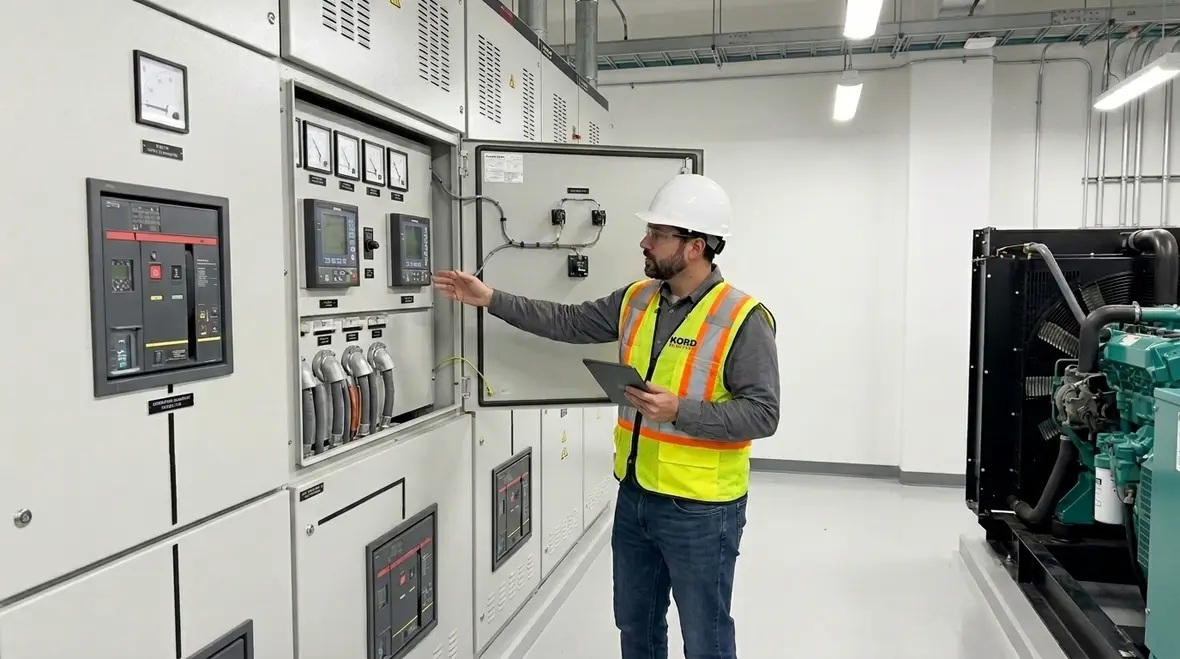
Business Power Backup Systems for Reliable Operations
Introduction: choosing business power backup systems that keep a company moving
In commercial and industrial facilities, power loss does not stay quiet for long. It interrupts production, shuts down billing systems, and can even stall life safety gear when it matters most. At Kord Electric, we help organizations evaluate business power backup systems so operations stay steady through outages and switching events. We do this with a practical approach, because buying a backup system is not a “set it and forget it” decision. It is more like choosing a backup singer for a live show. If they miss a cue, the whole performance feels it.
After this introduction, our experts walk clients through sizing, reliability checks, and maintenance details that reduce risk. And yes, we also explain it in plain terms, so no one needs to translate electrical jargon like it is an alien language.
How companies evaluate power backup solutions without getting fooled
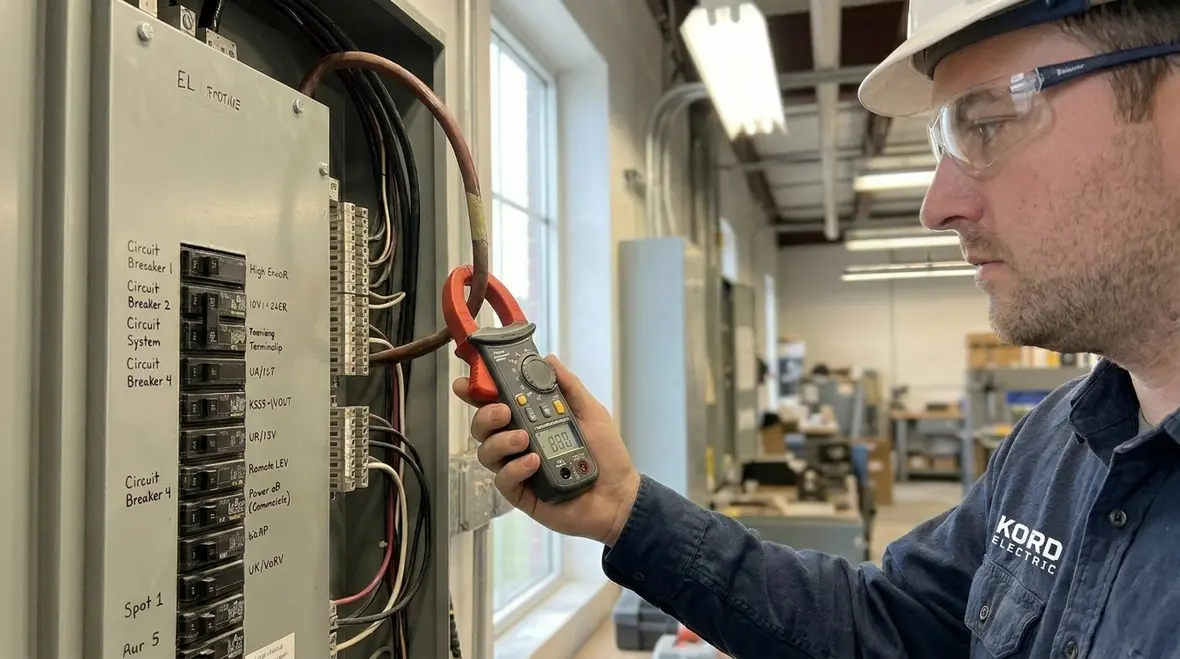
Third party advice can help, but it can also become a loop of vague promises. Therefore, we recommend that others evaluate backup solutions using clear operating needs first. We start by asking what the facility must keep running during an outage. Then we map how the load behaves during the transition. For example, some motors in pumps and compressors surge when power returns. Likewise, IT rooms and controls may have smaller loads, but they can be sensitive to voltage dips.
Next, our expert service staff reviews the facility’s outage profile. Some buildings face brief interruptions. Others face longer grid instability. As a result, a solution that works for a two second dip may fall short during an hour long event. In addition, we look at how the facility plans to respond. Does the business shut down non essential processes, or does it demand near zero downtime?
To keep the decision grounded, we also consider the local utility rules, the available space for equipment, and the operational staffing at the site. A backup system should match real workflows, not the best case scenario from a brochure. And if someone tells you “it will surely work,” we encourage you to ask what “work” means in your specific building.
Load analysis for real operations: what stays on and why
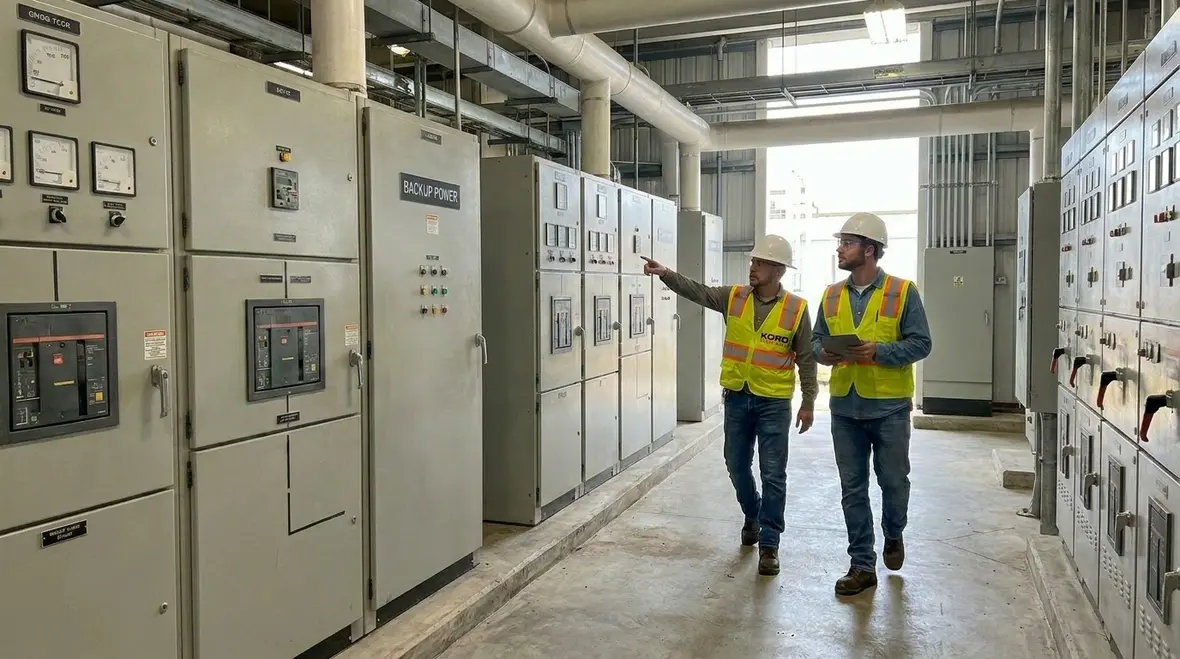
Any responsible plan begins with load analysis. We do not treat “essential loads” as one bucket, because essential means different things across commercial and industrial settings. For instance, a manufacturing site may need process controls, safety systems, and targeted lines. Meanwhile a major property building often prioritizes elevators, life safety, critical HVAC, access control, and data connectivity.
First, our team identifies which circuits must stay powered. Then we classify loads by type, like resistive loads, motor loads, and electronic loads. After that, we determine starting and running behavior. Motors are where many evaluations go sideways, because inrush current can be several times normal current. Therefore, we plan for starting demand, not only steady state demand.
Then we review runtime expectations. If the business can tolerate a limited runtime, the system strategy can differ from one that must run for long events. Even so, extended runtime changes fuel or battery choices, and it changes maintenance needs too.
Finally, we confirm that the design supports the facility’s power quality goals. Sensitive controls and automation equipment can react badly to poor voltage regulation. So while some systems may deliver power, they may not deliver stable power. Our technicians explain these differences and document decisions so facility owners understand what they are buying.
Generator sizing, transfer switching, and distribution planning
Once load analysis is in place, we move to the heart of the system. That means generator sizing, transfer switching method, and how power moves through distribution. In a well planned setup, the business power backup systems do more than “produce electricity.” They deliver it in the right sequence, to the right panels, through the right switching path.
For generator sizing, we consider connected kW or kVA, motor starting, and any future expansions. If a facility expands production or adds refrigeration, the backup plan must account for those changes. Otherwise, the system can become undersized and create nuisance shutdowns. In contrast, oversizing can raise costs and add complexity. Therefore, we aim for the balance that fits real needs.
Transfer switching matters just as much. A facility may choose open transition or closed transition switching depending on how equipment tolerates the change. Additionally, the switching design can affect how quickly power reaches critical loads. We help organizations understand these tradeoffs and select the approach that aligns with equipment requirements.
Distribution planning completes the picture. The backup output should feed critical loads in a logical way, with appropriate protective devices and labeling. If a site cannot trace circuits during an outage, troubleshooting becomes slower. And during an outage, speed is not a luxury, it is a safety tool.
Switchgear and electrical panel maintenance that keeps reliability high
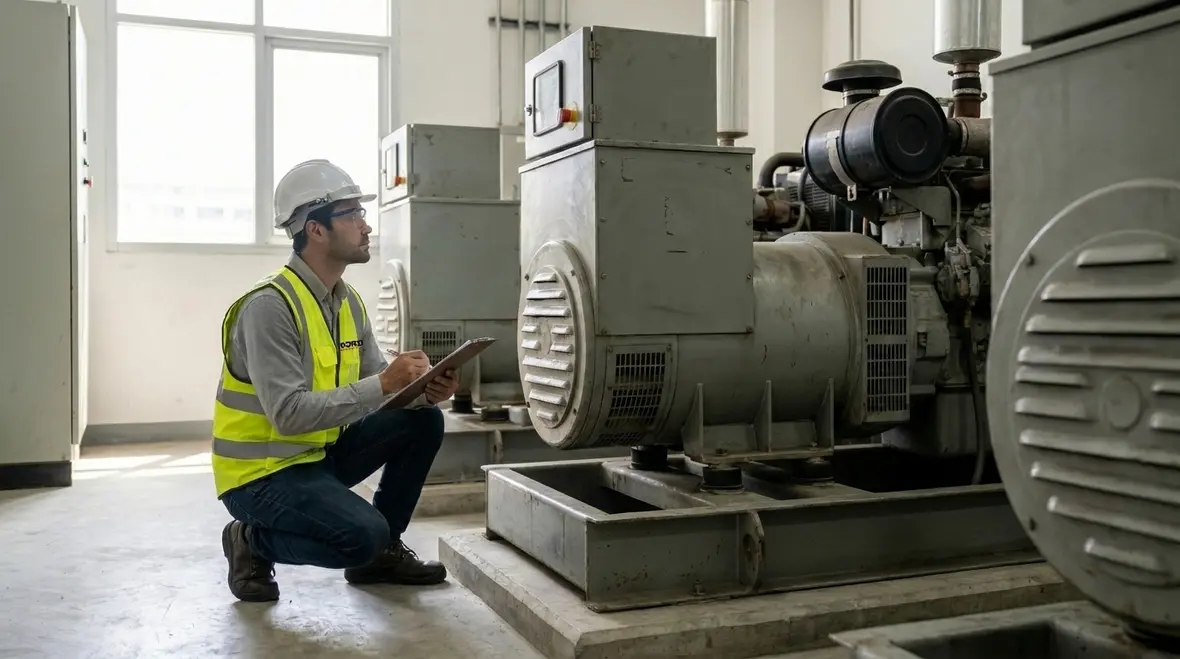
A backup system can look perfect on paper. Still, the real test comes when it must perform under stress. That is why we place heavy focus on switchgear and electrical panel maintenance for commercial and industrial facilities.
Our blog resource on NFPA 70B Electrical Panels and Switchgear Maintenance explains that maintenance is not optional busywork. Instead, it supports safe operation and reliable performance by addressing wear, heat, corrosion, and looseness over time. In plain terms, when connections loosen or insulation degrades, the failure often shows up exactly when the grid stops behaving.
To keep reliability high, we recommend a maintenance program that includes visual checks, torque verification when required, and inspection of terminations. We also confirm proper labeling and ensure that protective devices work as intended. Then we verify that the system remains ready, meaning it can switch and carry load without surprises.
Just like a fire drill teaches people what to do before an emergency, maintenance teaches equipment what to do before an outage. And yes, skipping it can feel like skipping the training video. Everything seems fine until the first real alarm goes off.
Testing, commissioning, and documentation for confident operation
After equipment selection and installation, testing and commissioning determine whether the system will perform when a real outage happens. Therefore, we build commissioning steps into the service approach. We test transfer actions, verify load pickup, and confirm alarms and controls. We also check that protections trip correctly and that the facility sees accurate status information.
Our expert service staff takes time to explain what test results mean. If a meter shows a transient dip, we clarify whether it impacts sensitive systems. If a runtime behavior looks unusual, we explain possible causes and next actions. This helps facility teams act with confidence instead of guesswork.
Then we document the system clearly. Documentation includes single line details, circuit maps for critical loads, and maintenance records. It also includes operating instructions for site staff. When building personnel understand the system, response time improves and errors reduce.
In addition, we set a testing schedule aligned to the facility risk profile. Some sites need more frequent checks due to higher load sensitivity or operational demands. Others can use a different cadence. Either way, testing should not become a checkbox. It should become a system habit that keeps readiness steady.
Maintenance planning and budgeting across the equipment lifecycle
Many owners budget for installation, then hope the rest manages itself. That approach costs more in the long run. Instead, we help commercial and industrial facilities plan maintenance across the lifecycle of generator sets, switchgear, panels, and transfer equipment.
First, our technicians review the environment. Dust, humidity, and corrosive atmosphere can increase wear. Then we set service intervals based on load hours and observed conditions. We also include functional checks like battery health for controls, fuel system care, and inspection of vents and louvers where applicable.
Next, we connect the maintenance plan to operational continuity. For example, a manufacturing line might need the system checked during a planned downtime window. A major property building might schedule work around tenant comfort needs. Because facilities operate on calendars that do not match vendor availability, planning is the difference between “maintenance” and “disruption.”
Finally, we prepare clients for spare parts and lead times. If a key component fails during an outage, waiting for shipping can delay repairs. Therefore, we advise on stocking strategies that match risk and downtime tolerance. And if budgeting meetings feel like long talks in a movie theater where nobody laughs, at least you can point to a clear plan and keep the conversation practical.
Reliability checklist before you sign: a quick dual view
What we verify
-
Essential loads and starting demand
-
Transfer switching approach and sequencing
-
Critical distribution paths and protections
-
Switchgear and panel readiness
-
Testing results, alarms, and documentation
What clients should ask
-
What loads will drop during transfer, and why
-
How does the system handle motor inrush
-
What maintenance schedule keeps readiness high
-
How often will the system be tested on site
-
What records and maps will we receive
FAQ
Call Kord Electric for a power backup plan that actually holds up
When a grid outage hits, commercial and industrial operations cannot afford guessing. At Kord Electric, we evaluate load needs, design reliable switching and distribution, and support maintenance that keeps your equipment ready. Our expert service staff explains every step in plain language, so your team understands what will happen during an outage. If you are planning a new installation or upgrading an existing setup, contact us to review your facility’s requirements and build a dependable backup strategy.
For facilities that want a structured approach to keeping systems ready, our dedicated electrical preventive maintenance services help align business power backup systems, switchgear, and critical panels with ongoing inspection and testing. That way, your outage plan does not just look good in a binder; it performs when your building needs it most.


