Industrial Plant Lighting Upgrades for Efficiency
At Kord Electric, we help commercial and industrial facilities upgrade to high-efficiency industrial plant lighting systems that cut energy use, improve visibility, and support safer operations. Our crews focus on real-world plant needs, not generic lighting talk that sounds good on paper. In this guide, we explain what industrial plant lighting upgrades look like from the first site visit to final commissioning, so others can make confident decisions. And yes, we will talk about energy savings, because honestly, who doesn’t want lower bills and better sightlines? We do it with a calm, step-by-step method, led by technicians who explain what they find and why it matters.
Why high-efficiency lighting upgrades matter for plants
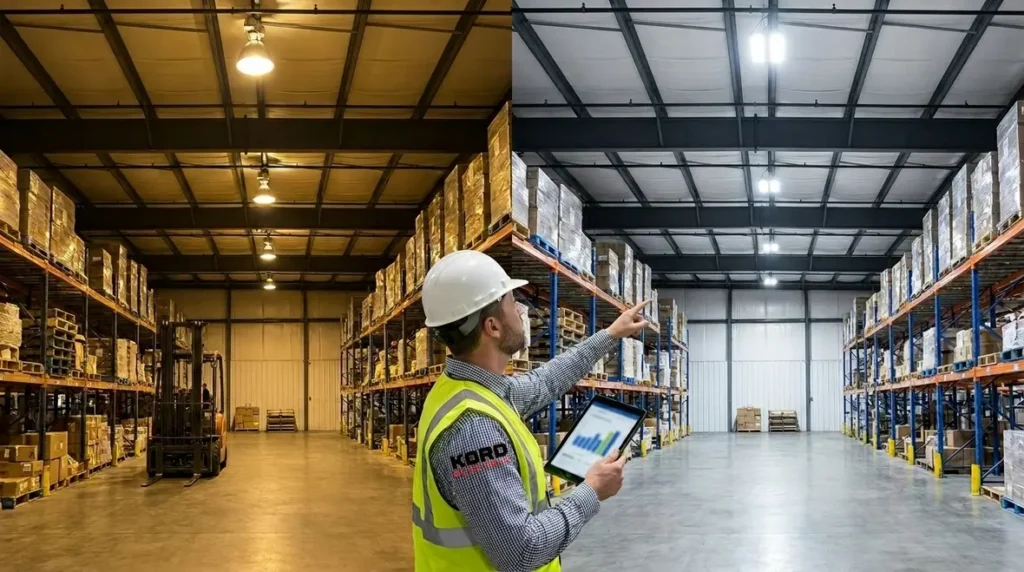
Plants run on schedules, safety checks, and high-stakes work. That means lighting cannot be an afterthought. When we plan industrial plant lighting upgrades, we focus on three outcomes that operators feel quickly. First, employees see more clearly, especially in aisles, loading bays, and production zones. Second, maintenance gets easier because modern fixtures last longer and fail less often. Third, energy use drops because efficient lighting turns more electrical power into useful light.
Now, some facilities keep old fixtures because replacing them feels like a disruption. However, our experience with commercial and industrial projects shows the opposite when the plan is done right. We coordinate installation to reduce downtime, and we use controls that fit each area. As a result, the lighting improves without turning your facility into a night shift science experiment.
How we audit existing lighting and spot the hidden problems
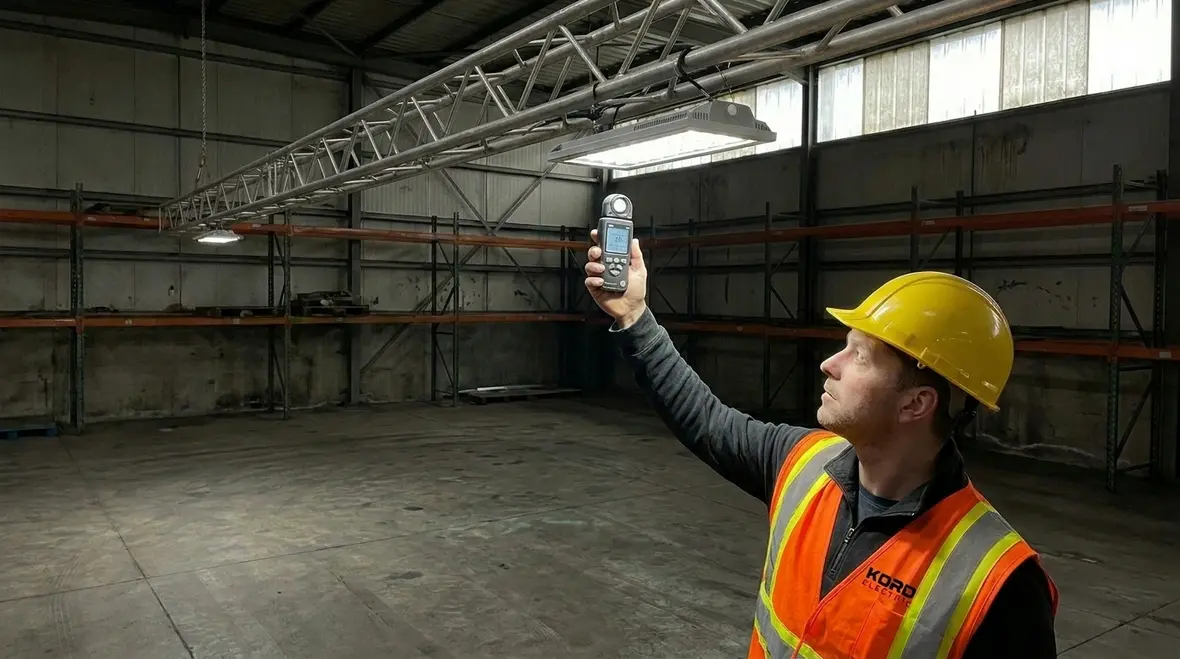
Before anyone buys equipment, our technicians perform a careful assessment. They look at fixture condition, mounting height, beam spread, and the real layout of the space. Then they connect the dots to performance. For example, the same lamp type can behave very differently from one building to another, because reflectance and airflow change how light travels.
Next, our expert service staff measures current output levels across the work areas. They also review operating hours, dimming schedules, and how often lights get switched manually. Often, the “problem” is not only aging lamps. It is also poor uniformity, glare near tasks, and lighting that overshoots where you do not need it. Meanwhile, older systems may draw more power because they use outdated drivers or inefficient optics.
Once the audit finishes, we share a clear explanation in plain language. Then we outline which upgrades will deliver the best results, so others can avoid paying for changes that look shiny but do not perform.

Designing upgrades for production, storage, and loading areas
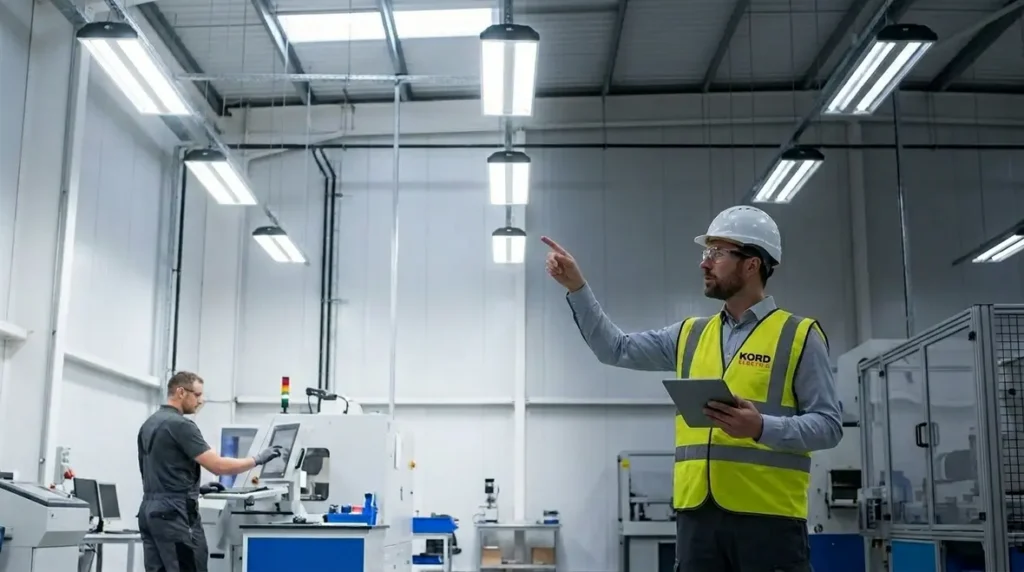
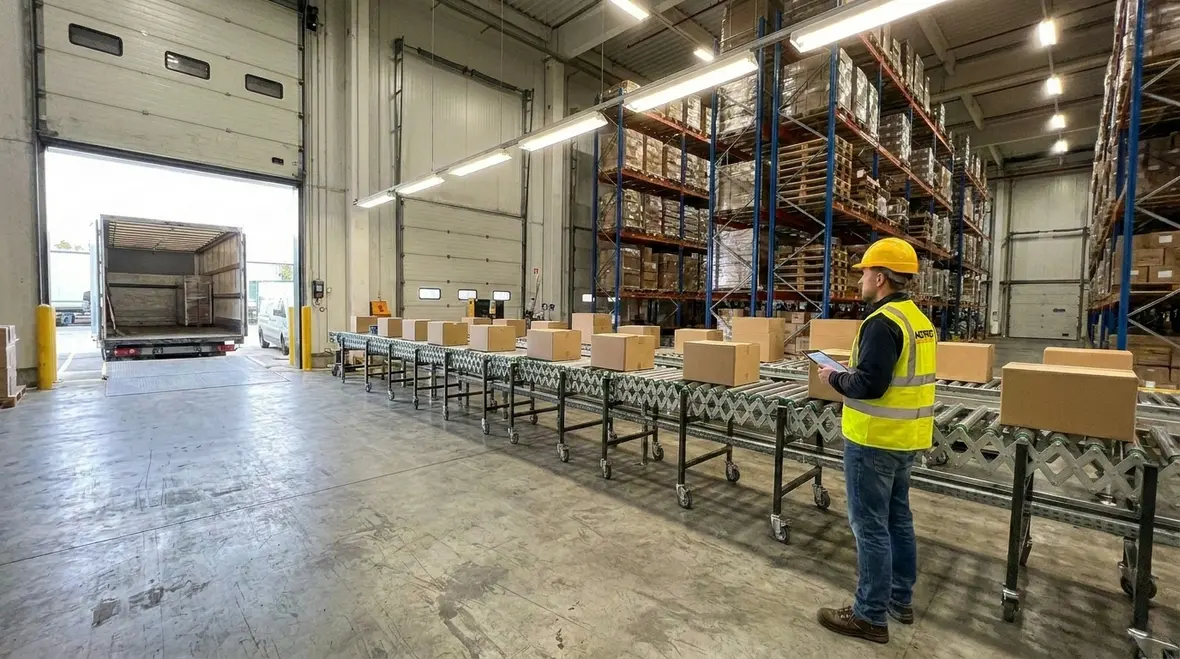
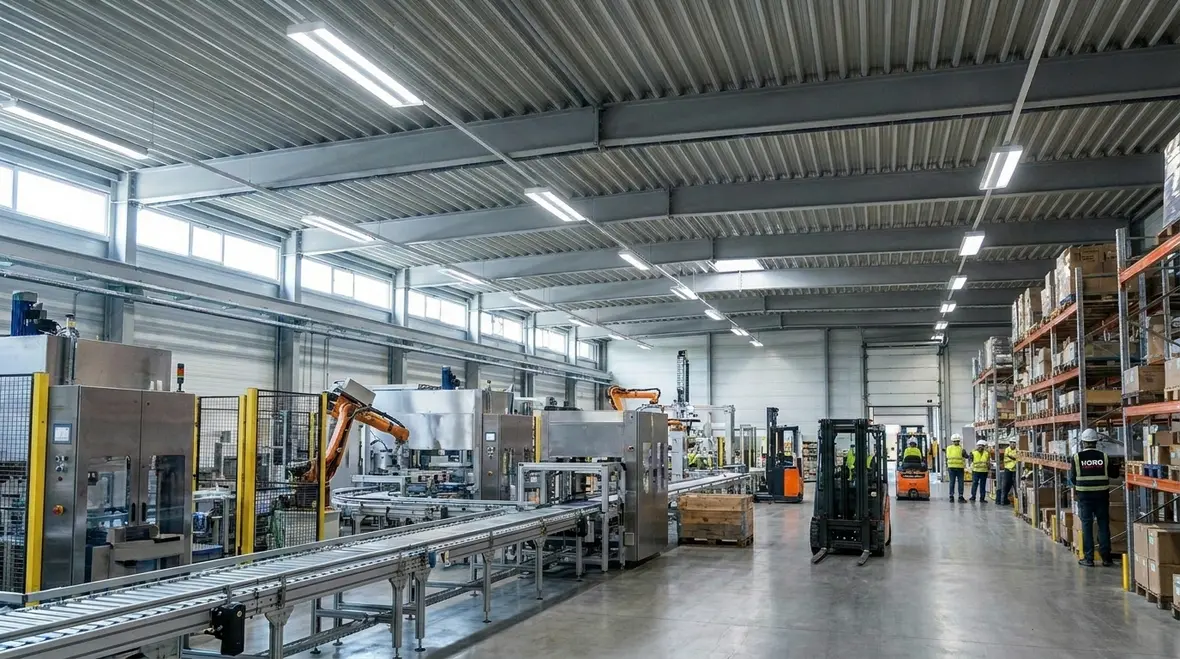
Different zones need different lighting behavior. A warehouse aisle behaves one way; a packaging line behaves another. Therefore, we design upgrades by zone, not by guessing. In production areas, we balance brightness with stable color and reduced flicker. In storage spaces, we focus on coverage and efficient distribution so pallets do not create dark pools. For loading areas, we plan for changing conditions, like shifting truck positions and frequent door openings.
Controls play a major role here. When others ask about dimming, we explain it as a practical lever, not a buzzword. For example, motion-based control can reduce power when the aisle stays empty. Timers and schedules can align lighting with shift patterns. And in many cases, daylight harvesting helps too, when windows or skylights exist.
Because most plants include a mix of high and low activity zones, we map control zones carefully. This prevents over-lighting and keeps light where work happens. In short, we tune the system to the site, not the other way around.
For plant teams that want to dig deeper into how layouts shape performance, our related piece on industrial lighting layout optimization for efficiency walks through how better placement and beam control support production, inspection, and maintenance over time.
LED and controls: what actually improves efficiency
Let’s talk specifics in a way that does not put anyone to sleep. Industrial plant lighting upgrades often center on LED fixtures paired with proper drivers and optics. These components matter because they affect real output, heat handling, and long-term stability. High-quality optics also reduce spill light, which means less wasted power and less glare for people near the tasks.
Controls drive a second wave of savings. When lighting runs at full power all day just because a switch got left on, efficiency disappears faster than a pop quiz. We help facilities move toward smarter operation with occupancy sensors, scheduled dimming, and in some areas, integrated lighting controls that communicate across zones.
Our technicians also consider the electrical side. A retrofit can fail if the existing circuit conditions do not support the new drivers. So we verify wiring, check compatibility, and plan safe installation. As a result, the system performs correctly from day one and stays that way.
Installation planning that protects uptime and safety
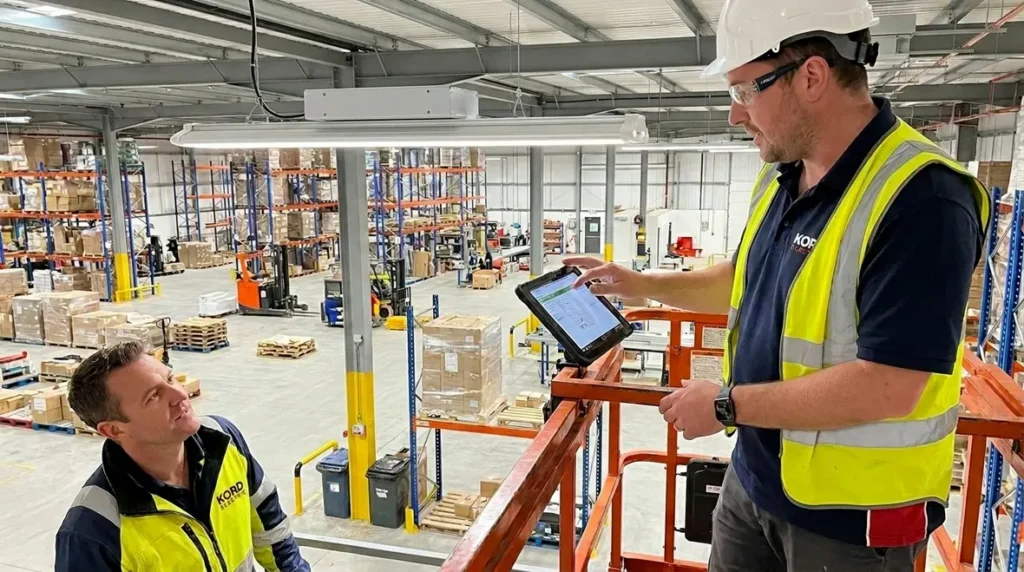
Commercial and industrial facilities cannot treat lighting work like a weekend project. Therefore, our approach includes scheduling, workspace protection, and coordination with operations. Before we touch a fixture, we plan where the crew will work, how materials will move, and how we will keep pathways clear.
Moreover, we sequence the work area by area. That way, the facility keeps enough lighting for safe access during construction. We also test and verify after installation, so others can trust the results. If a zone requires special attention, our expert service staff explains the options and the reasoning, so decision-makers know what to expect.
Finally, we document what gets changed. This helps facilities manage maintenance schedules and reduces confusion later. It also supports compliance efforts, because the upgrade records are ready when they are needed.
For teams planning broader capital upgrades beyond lighting, Kord Electric’s rewiring cost guide for commercial electrical systems outlines how panel, feeder, and distribution improvements can align with lighting modernization for a more resilient plant-wide electrical backbone.
Measuring ROI: energy savings, maintenance cuts, and better visibility
Many people only think about energy savings. That is a good start, but it is not the whole story. Our team helps customers evaluate savings with real inputs: utility rates, operating hours, fixture performance, and the expected reduction from controls. Then we compare before and after outcomes.
However, the biggest value often comes from maintenance. Older fixtures require more frequent replacement and repairs, and those visits can pull staff away from production. With modern high-efficiency systems, we reduce service frequency and extend fixture life when installed correctly.
Visibility improvements also show up operationally. Better light helps workers inspect details, move safely, and spot issues early. That can reduce mistakes, rework, and the kind of “wait, did we miss that?” problems that cost time and reputation. In addition, consistent lighting can improve comfort and reduce eye fatigue, which is not glamorous, but it matters.
So when we discuss industrial plant lighting upgrades, we explain ROI as a mix of energy, reduced downtime, and smoother operations. That is how businesses actually feel the difference.
If you want a deeper dive into the cost side, Kord Electric’s commercial lighting upgrade cost guide breaks down what shapes LED retrofit budgets, how controls influence payback, and how large facilities can plan upgrades without guesswork.
FAQ: industrial plant lighting upgrades for commercial and industrial sites
Featured FAQ (short answers)
Are these upgrades limited to one type of facility?
No. We focus on commercial and industrial facilities and major property buildings, including warehouses, production areas, and loading spaces.
Will lighting improve safety right away?
In most cases, yes. New optics and better uniformity help employees see hazards sooner, especially in high-task areas.
Do you handle the full upgrade process?
We do. Our technicians assess, design the plan, install, and verify performance. Others can expect clear communication throughout.
How do we confirm performance after installation?
We test the system and verify light levels and control behavior so the results match the plan.
Ready to upgrade with a plan that respects operations
If your facility still relies on outdated lighting, now is the time to upgrade with a method that protects uptime and delivers real results. Kord Electric sends technicians to audit your site, explain the options in clear terms, and install high-efficiency industrial plant lighting systems designed for commercial and industrial needs. Reach out to schedule an assessment and get a practical upgrade plan. Let’s turn wasted power into usable light, and keep your team focused on the work that actually pays.
For facilities planning broader electrical reliability projects alongside lighting, Kord Electric’s electrical preventive maintenance services help align inspections, testing, and documentation with your new lighting infrastructure so plant operations stay stable long after the last fixture is commissioned.
If you are evaluating industrial plant lighting upgrades as part of a larger modernization push, their dedicated lighting installation services page outlines how design, installation, and commissioning come together for large commercial and industrial properties.
When you are ready to move from ideas to a real project schedule, Kord Electric’s team can map lighting upgrades to your shifts, safety requirements, and long-term reliability goals so you get the benefits of efficient lighting without sacrificing production time.