
Commercial Building Code Compliance Experts
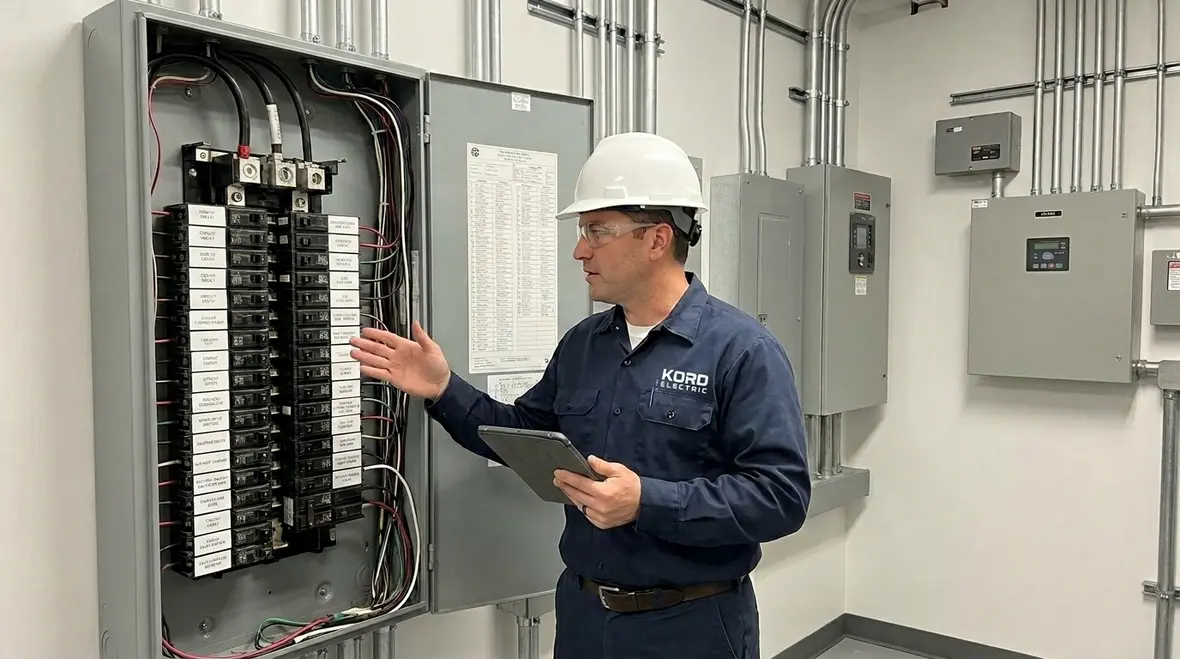
At Kord Electric, we take commercial building code compliance seriously, because one small wiring mistake can turn into a big inspection delay. We serve commercial and industrial facilities and major property buildings, and we plan every job with local electrical rules in mind from day one. Then we coordinate with owners, facility managers, and other trades so the work stays safe, documented, and ready for review. In other words, we do not “wing it,” even when the building superintendent says they will be “fine.” Our technicians and expert service staff explain requirements in plain language, so teams know what will be checked, why it matters, and how to stay compliant without drama.
How we map local electrical requirements to real job sites
Local jurisdictions often adopt the same general standards, yet they still add their own interpretation, timelines, permit steps, and inspection checklists. So we start by confirming what code set the authority having jurisdiction uses, what amendments apply, and how enforcement works for your specific building type. After that, we translate requirements into an on site plan that teams can follow.
Next, our staff reviews the electrical scope alongside site details like voltage, service size, occupancy class, equipment layout, and existing system conditions. Then we build a compliance checklist that aligns with common inspection items such as grounding, bonding, raceway support, conductor sizing, overcurrent protection, and labeling practices. Because everyone loves surprises, we remove them. Our technicians often spot details early, like missing pathway separation or unclear circuit identification, before they become costly corrections.
Finally, we coordinate inspection timing so the work does not stall. We also document what we do, because “trust us” is not a code requirement. It is nice, but inspectors usually want records.
What our technicians explain about permits, inspections, and plan review
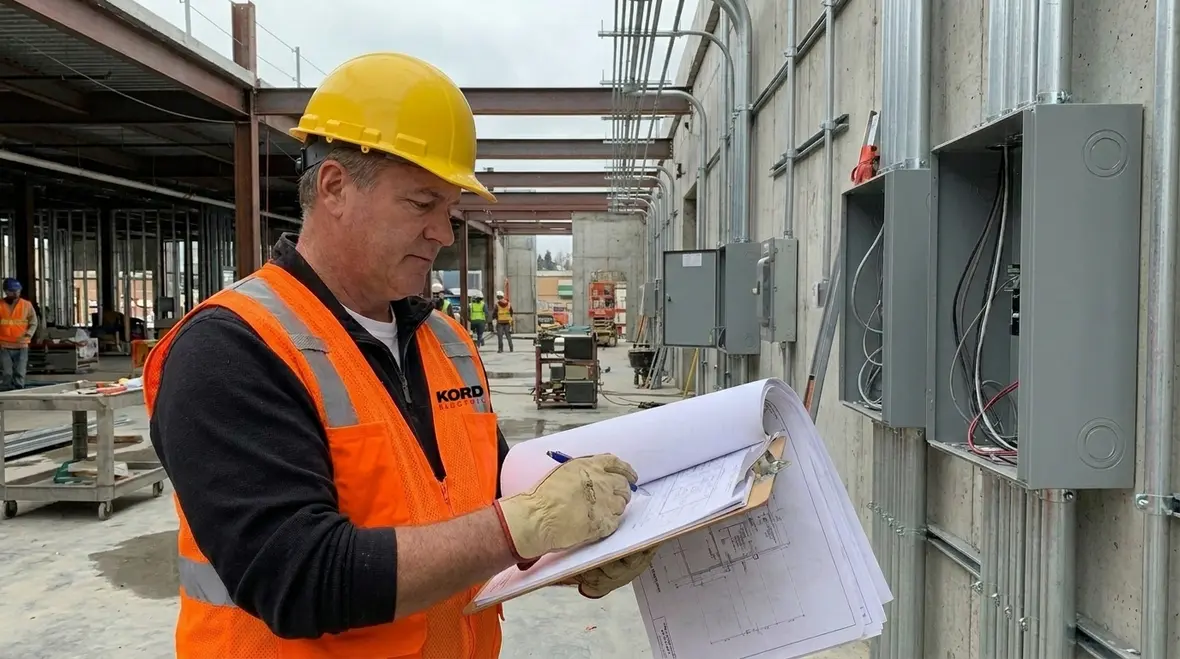
Permits and plan review can feel like a maze designed by someone who hates daylight. Still, when we help, it becomes a predictable process. Our expert service staff explains each step, including what must be submitted, what changes trigger re review, and how to schedule inspections so you avoid rework.
For example, when a project includes new panels, feeders, or branch circuits, inspectors typically want to see the system design match the field installation. Therefore, we verify drawings, single line diagrams, and device labeling before any close up work. Also, we confirm that equipment ratings match the intended load calculations and that protective devices are selected for code compliant fault protection.
During inspections, our technicians stay on site and walk through the key items calmly. So if an inspector asks why a detail was installed a certain way, our team can explain it without acting like they just found the plans five minutes ago. That calm approach reduces friction and helps projects move.
Where commercial building code compliance usually gets tested hardest
Code compliance is not only about installing wires. In major property buildings and industrial facilities, the electrical system must perform safely under normal operation and during faults, maintenance, and emergencies. So the areas that inspectors test hardest usually connect to life safety, system protection, and reliable operation.
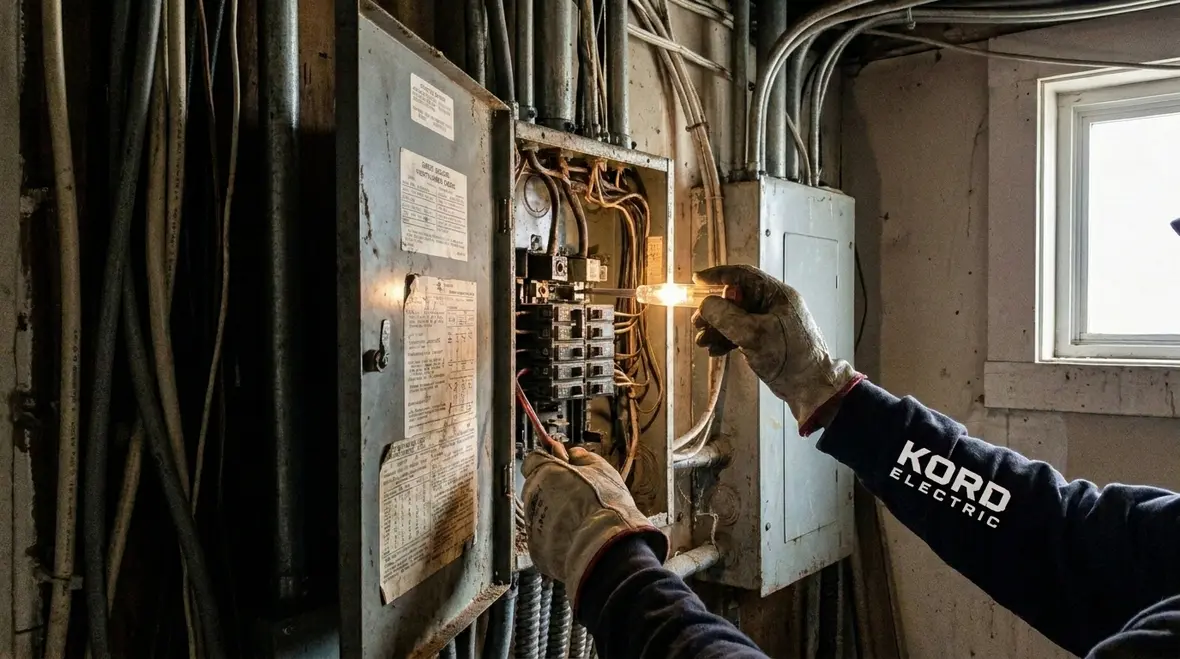
First, grounding and bonding details get close attention. Proper grounding reduces shock hazards and helps protective devices clear faults quickly. Second, overcurrent protection gets reviewed thoroughly, including how breakers, fuses, and coordination settings match the design intent. Third, equipment installation methods matter, including proper support for raceways and cables, correct fill where applicable, and secure fittings.
Also, clear labeling and documentation matter more than many teams expect. When facilities operate with multiple tenants and contractors, accurate circuit identification prevents delays during troubleshooting. Consequently, we label in a consistent way and keep records organized so facility staff can maintain the system confidently.
Lastly, emergency and life safety related circuits often require extra care. We plan routing, protection, and testing so systems perform as required when needed, not only on paper.
How we handle existing electrical systems during upgrades
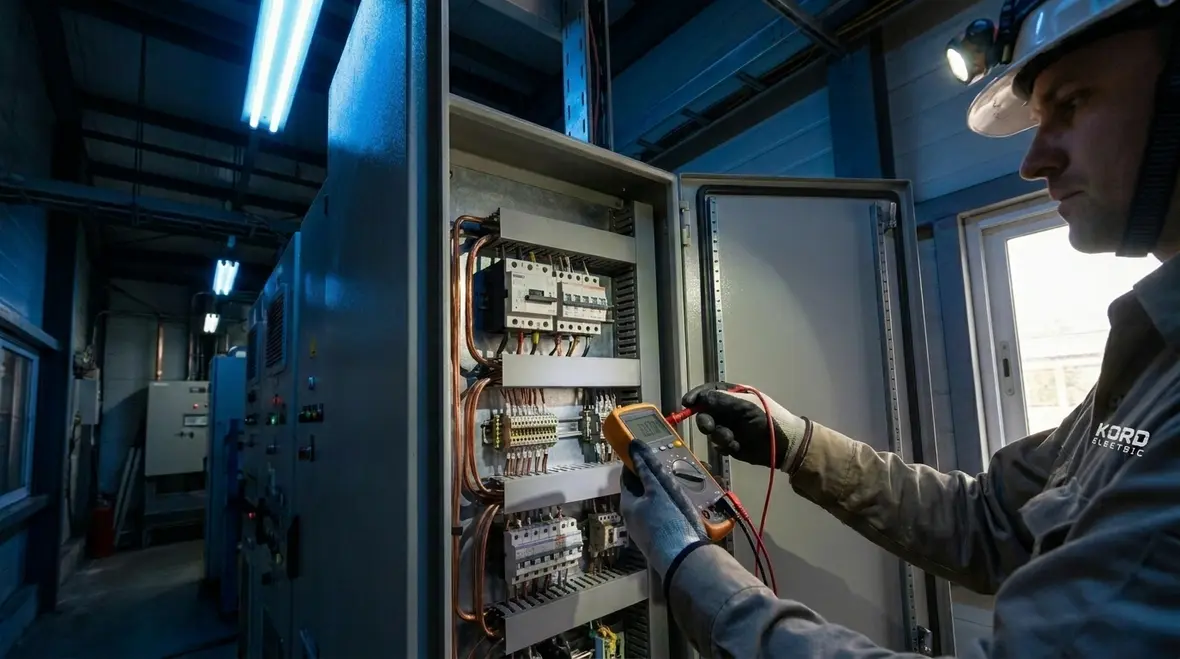
Upgrades in older commercial buildings can feel like renovating a watch while it is still running. Yet we do it for industrial plants and major property buildings every day. First, we perform field verification, not just rely on drawings. Then we check conductor conditions, termination quality, panel condition, labeling accuracy, and the capacity of bus bars and breakers.
Next, we compare what exists against today’s commercial building code compliance expectations. Sometimes the current system meets requirements. Other times it needs targeted improvements. Either way, we outline options with clear outcomes, so owners and facility managers can choose the approach that fits risk, schedule, and budget.
After that, we coordinate with shutdown windows and operating needs. We plan temporary power when needed and ensure safe isolation procedures. Our technicians also verify that modifications do not create new hazards, such as misrouted conductors, improper derating, or mismatched protective devices.
Finally, we update documentation to reflect the as built condition. Because if the drawing and reality disagree, reality usually wins at inspection time and during future maintenance.

Risk control for industrial and major property buildings
Industrial sites and large properties often face complex demands, including equipment startups, motor loads, harsh environments, and long operating hours. Therefore, risk control becomes part of the compliance strategy, not just a “nice to have.”
We start with load and system analysis, because code compliance must match real electrical demand. Then we verify that the protection scheme supports safe operation. For example, motor circuits require careful attention to protection, conductor sizing, and how devices handle start currents and fault conditions.
Next, we address physical environment concerns. In industrial areas, corrosion, vibration, heat, and moisture can affect wiring systems. So we choose installation methods and components that fit the conditions and we verify secure support and routing. This helps prevent failures that inspectors may not directly predict, but which facilities experience.
We also focus on safe access for maintenance. So when facility staff needs to service gear, they can do it without improvising. And when someone has to improvise, well, that person usually earns a new nickname. We prefer everyone keeps their original name.
Keeping documentation and labeling inspection ready
Many projects pass initial checks, then fail later because documentation and field labeling do not match the expected record set. That is why we treat paperwork like part of the electrical system. It is not glamorous, but it saves time.
Our process includes consistent labeling for panels, circuits, disconnects, and key components. Then we confirm that labeling updates happen immediately after modifications, not during the final day when everyone’s eyes are tired and the coffee is gone. We also maintain organized job records, including testing results, photos, and as built notes.
Because major property buildings often include multiple tenants and shared systems, clear documentation reduces downtime during service calls. Our technicians explain how to use the labeling in troubleshooting, so facility staff can find circuits quickly without opening cabinets like it is a mystery novel.
In short, our work supports the field and the office. That is how we keep commercial building code compliance from turning into a paperwork fire drill.
How commercial building code compliance connects to broader electrical planning
For many facility managers, commercial building code compliance shows up first during a specific project: a panel upgrade, a lighting retrofit, or a change of use that accelerates power demand. However, real compliance lives inside the entire electrical strategy. It touches how often systems are inspected, how upgrades are phased, and how maintenance is documented over the life of the building.
That is why Kord Electric often pairs project based work with longer term maintenance and reliability planning. When electrical preventive maintenance is handled on a schedule rather than in a panic, it becomes easier to keep panels, switchgear, and branch circuits aligned with code expectations instead of chasing emergencies. It is the difference between steering a ship with a clear map and waiting until the rocks are visible from the deck.
For example, many teams choose to connect major upgrades with preventive maintenance programs that include infrared inspections, torque checks, and documentation updates. The same mindset supports compliance during emergency response work: when systems are already labeled and documented, emergency electrical services can restore power faster and with fewer surprises, while still satisfying inspectors who will review the repairs later.
In other words, commercial building code compliance becomes much easier when it is treated as a continuous process that runs alongside operations, not a last minute checkbox. That approach keeps facilities safer, inspectors happier, and operating budgets more predictable.
FAQ: Commercial electrical code compliance in the real world
Ready for a smoother inspection and a safer electrical system?
If you want commercial electrical work that stays aligned with local electrical rules, call Kord Electric. We send expert service staff to explain what will be inspected, how we meet requirements, and what documentation will be ready at the right time. Our technicians handle the details that slow projects down, like verification, labeling, and compliance minded installation. So reach out now, and let us plan your next upgrade or installation like adults. The inspection gods will still be picky, but at least they will be satisfied.
For facilities in and around Los Angeles, our team also supports broader regional needs through dedicated Los Angeles County electrical services that understand local enforcement, industrial operating schedules, and the realities of keeping large properties online day after day. Whether you are planning a focused upgrade, a lighting retrofit, or a multi phase modernization, we align code compliance with real world operations so your project moves from permit to final inspection without unnecessary drama.
If you are looking ahead to preventive maintenance, future expansion, or simply a cleaner bill of health for your electrical system, our commercial and industrial services connect design, installation, and documentation into one predictable process. That way, when the next inspection shows up, you are not scrambling for labels or wondering which breaker feeds which tenant. You are ready, the system is ready, and the paperwork is ready too.


