Financial Advantages of Commercial Smart Lighting Systems
At Kord Electric, we design and install commercial smart lighting systems that help offices, warehouses, and major property buildings run smarter from day one. Instead of relying on a one size fits all lighting schedule, we use controls that sense occupancy, adapt to daylight, and allow managers to set the right scene for each space. As a result, building owners typically see energy waste drop, comfort rise, and maintenance work get easier. And yes, the lights stop acting like they are in a dramatic soap opera where they only change when everyone complains. In this article, we explain the financial advantages in plain business language, and our technicians and expert service staff walk you through what matters most.
What financial wins do smart controls bring to commercial buildings
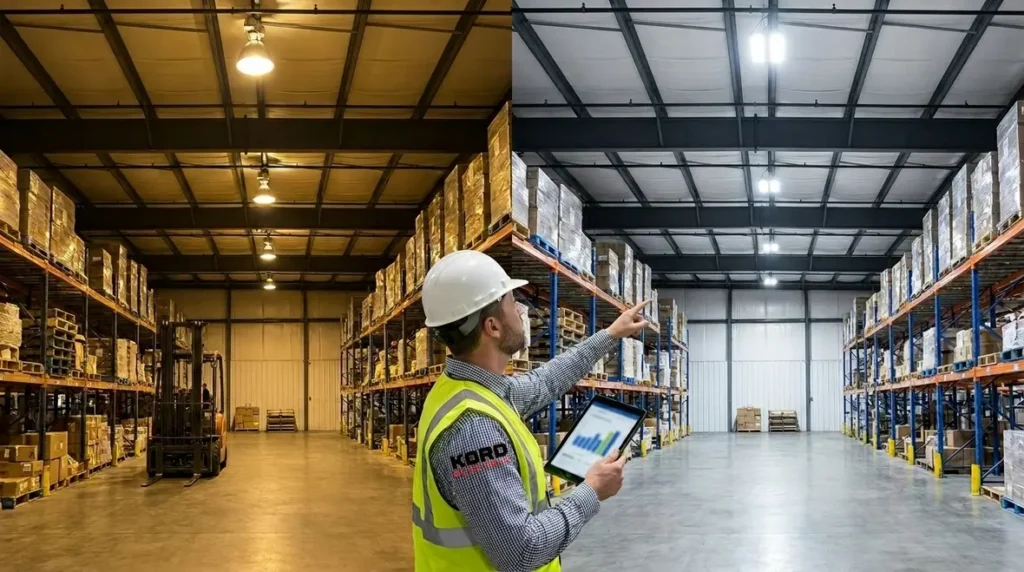
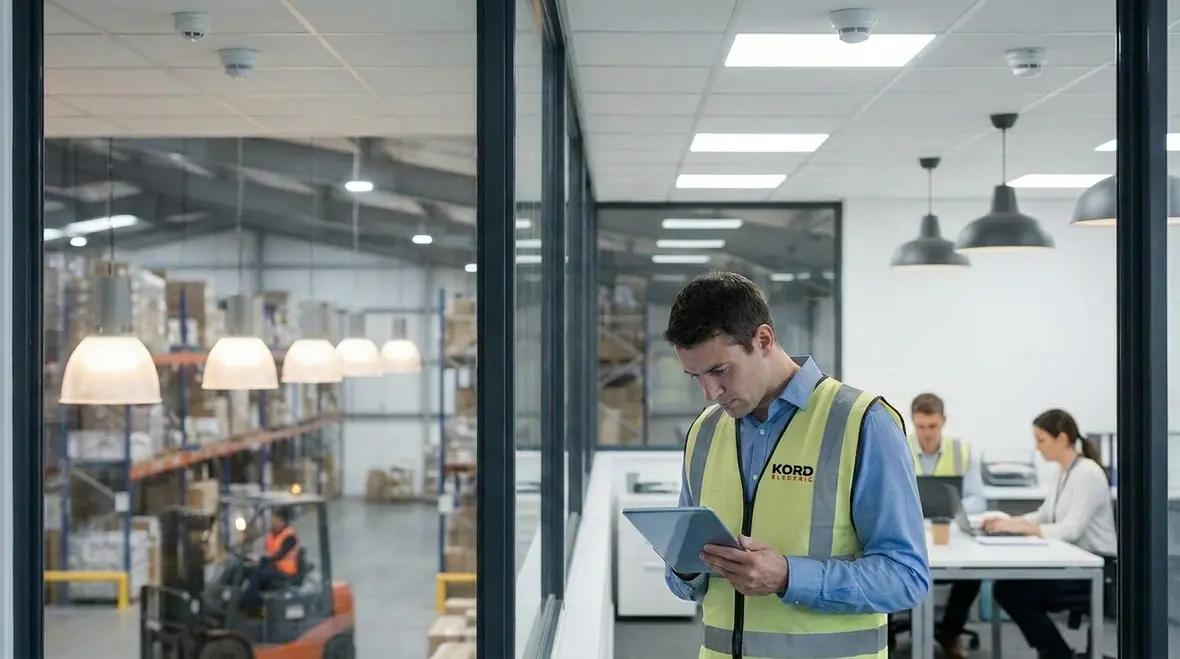
When others think about lighting, they often focus on the bulb. We focus on the system. Commercial smart lighting systems connect fixtures, controls, and software so the building uses light only when and where it is needed. Therefore, the first financial advantage is straightforward: fewer wasted operating hours. For example, motion sensing can reduce lighting in storage areas after shifts end, while daylight harvesting dims fixtures near windows during the day.
Next, the control layer helps stabilize energy costs. Rather than using one fixed schedule that ignores real occupancy patterns, the system responds to actual use. As a result, a facility that has uneven foot traffic does not pay for light that stays on “just in case.” If you have ever left a conference room light on for a weekend, congratulations, you already understand why this matters. Now imagine a dozen rooms doing that every day.
Finally, financial benefits show up in smoother operations. When lighting behaves predictably, facilities teams can plan staffing, cleaning, and inspection tasks more efficiently. That operational order often leads to lower indirect costs, not only lower utility bills.
Energy cost reductions that actually show up on invoices
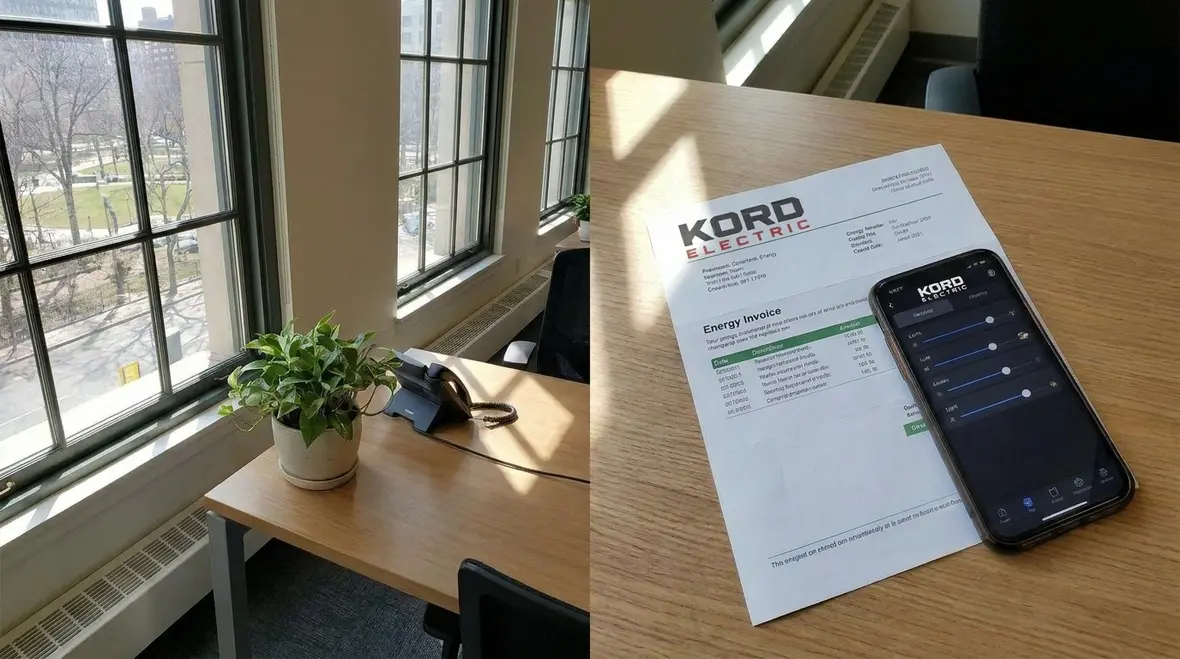
Energy savings come from combining three levers: smarter dimming, better switching decisions, and fewer unnecessary light levels. Commercial smart lighting systems can dim lights to match real conditions, so a corridor does not need the same brightness as a production line. Moreover, daylight harvesting reduces output near skylights and large windows without reducing visibility quality.
To put it plainly, we help you avoid the “full bright all day” habit. Many buildings keep lights at high output because controls were either absent or too basic to trust. However, our technicians configure the system using your space patterns, not generic defaults. Then, our expert service staff explains how the settings work in everyday terms so your team can make adjustments without guessing.
Transitioning from fixed schedules to responsive control also reduces rework. When the lights stop acting randomly, you spend less time investigating complaints and more time running the business. In other words, you save money, and you reduce the small headaches that quietly eat budgets.
Lower maintenance costs through smarter monitoring
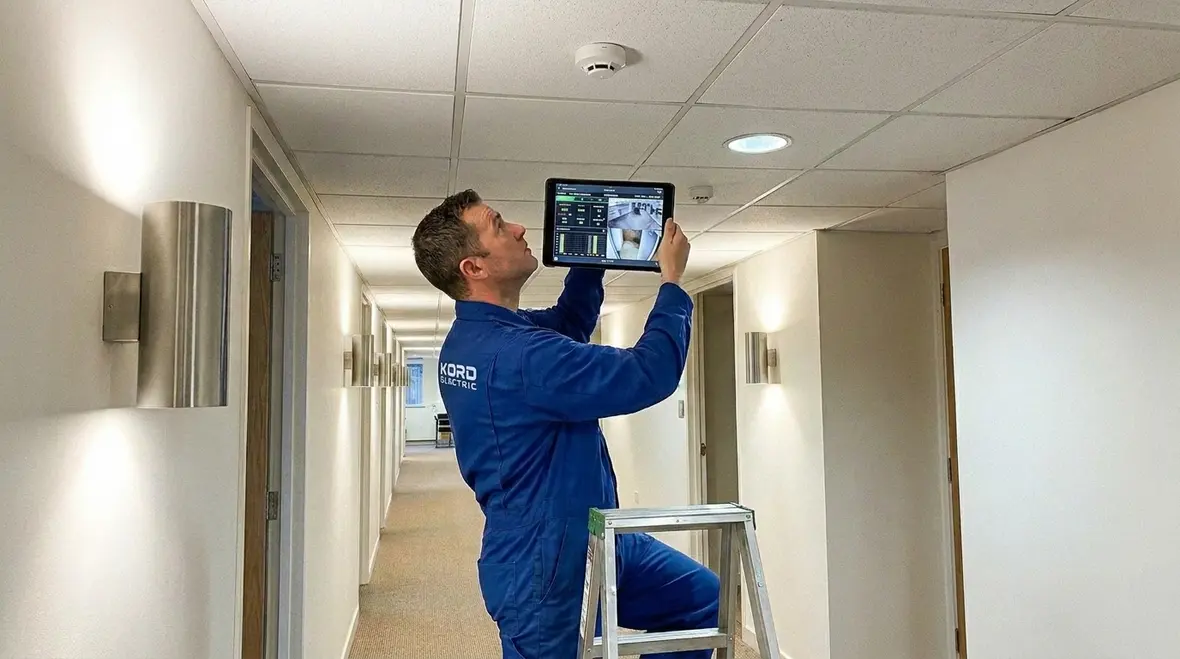
Here is where the story gets interesting. Lighting costs do not end at electricity. Fixtures, drivers, and components still age. Yet traditional systems often reveal problems late, when occupants notice flicker or dim areas. In contrast, commercial smart lighting systems can support monitoring and diagnostics that help facilities spot issues earlier.
Early detection helps maintenance teams reduce emergency repairs. Instead of sending someone out because a tenant complained, teams can plan a repair before the problem spreads. Furthermore, targeted maintenance improves spare parts management, because technicians can schedule replacements based on system data rather than guesswork.
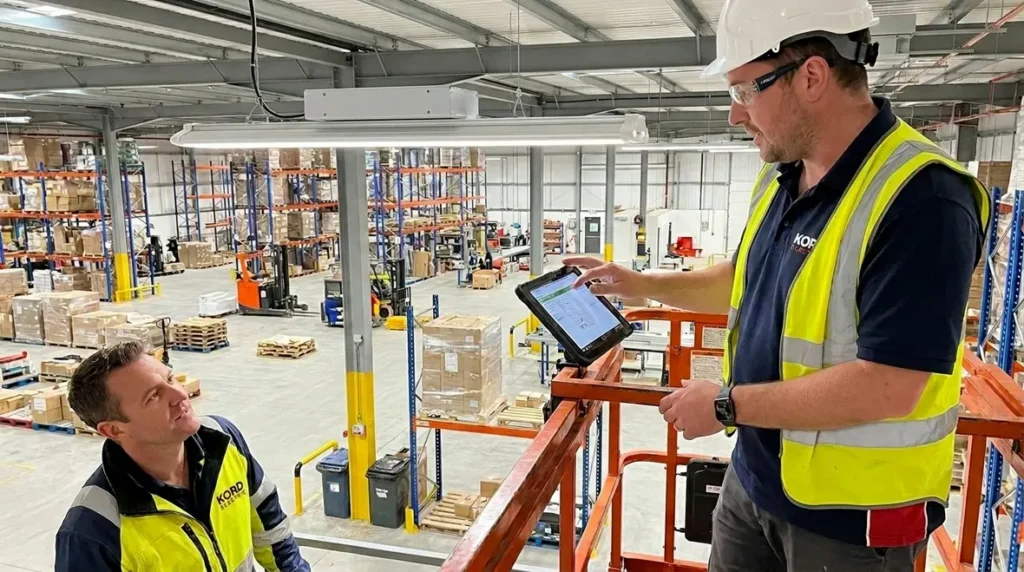
We also emphasize clear service procedures. Our technicians document how zones behave, where sensors sit, and what alerts mean. Then our expert service staff walks building operators through the “why” behind the alarms. That reduces downtime caused by confusion, not because the lighting failed, but because nobody knew what the signal meant.
And yes, even the best technology can’t prevent a bad habit like “ignore the panel until Monday.” Still, the system helps you catch problems sooner, which protects budgets.
Improving ROI with occupancy behavior and adaptive scheduling
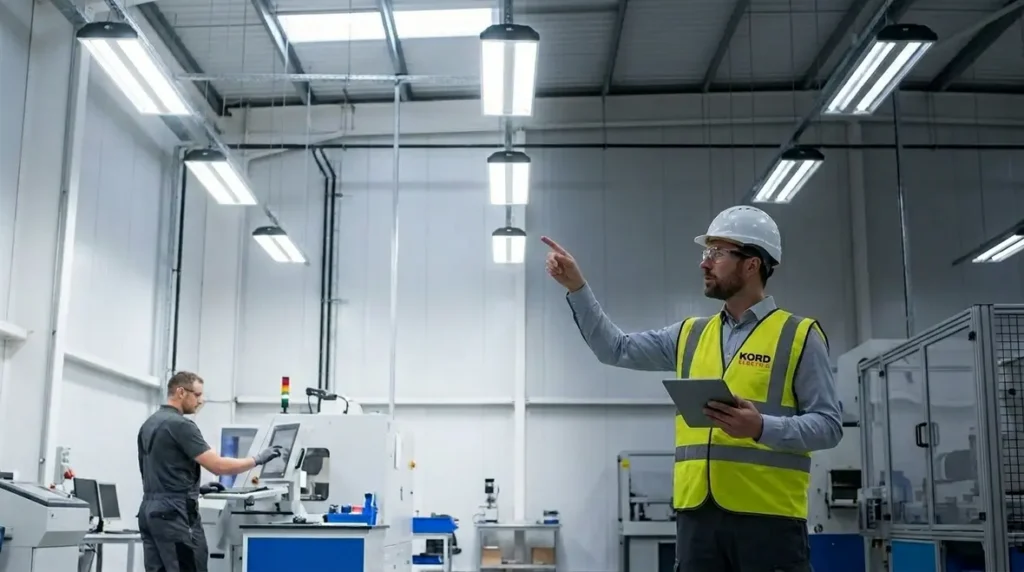
Financial advantage grows fastest when the lighting matches how people actually use the space. Many commercial and industrial facilities shift occupancy by time of day, day of week, and event type. A training room might be busy mornings and empty evenings. A loading dock might run during specific production windows. Commercial smart lighting systems adapt scheduling based on occupancy and can maintain different scenes for different operating modes.
As we design projects, we map each zone’s use patterns. Then, we set rules that keep spaces safe and comfortable without paying for unnecessary illumination. In many cases, we help clients achieve ROI faster because savings begin soon after installation and fine tuning.
Additionally, better lighting control can support productivity. When employees can see clearly and spaces feel comfortable, you reduce eye strain and improve wayfinding. That sounds like a comfort benefit, but it also protects output. For industrial settings, good visibility can support safety and reduce minor incidents that become expensive if they turn into downtime.
Of course, not every building runs the same way. That is why we configure each facility rather than forcing a one-size template. Transitioning to adaptive scheduling feels less like flipping switches and more like upgrading the building’s habits.
Workplace comfort, safety, and fewer “tenant complaints”
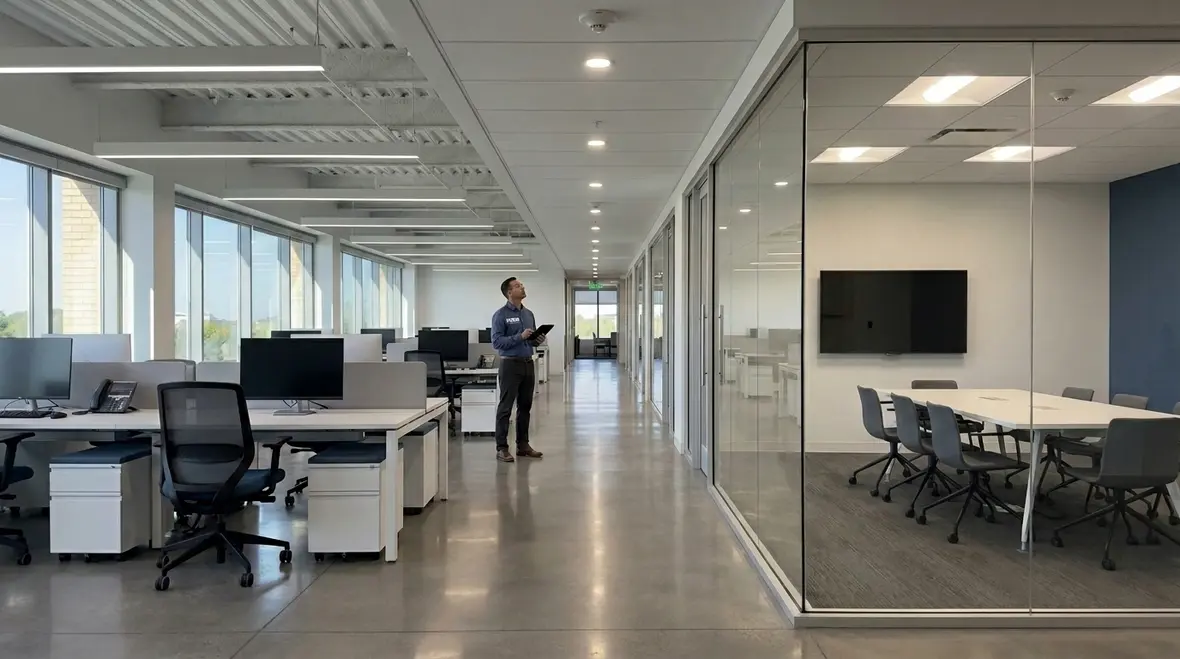
Money is not only about dollars and kilowatt hours. In major property buildings, lighting also affects tenant trust and operational harmony. When lighting is inconsistent, people complain, and complaints trigger staff time. Therefore, commercial smart lighting systems can reduce churn between tenants, facilities teams, and building managers.
Adaptive controls help maintain consistent brightness levels based on occupancy and available daylight. Meanwhile, proper zoning supports safer navigation in corridors, stairwells, and warehouse aisles. Better lighting consistency also reduces shadow issues that can make workers slow down or second guess their steps.
Our expert service staff often hears the same feedback during early visits. Teams tell us the controls feel “more intuitive” once they understand the logic. We explain what triggers each mode, how sensors behave, and how to handle special schedules like inspections or seasonal changes. When people understand the system, they use it correctly. Then the building stops generating noise and starts delivering value.
And let’s be honest, no one wants a lighting discussion that lasts longer than a football half time show. Clear explanation keeps everyone aligned.
How we plan, install, and support for real financial results
Smart lighting becomes profitable when it is engineered for the facility, installed cleanly, and supported over time. Kord Electric works with commercial and industrial sites and major property buildings. We do not waste your time pushing solutions that do not fit your environment. Instead, we start by reviewing layout, operating schedules, and maintenance workflows.
Next, our technicians design the control strategy around zones, sensor placement, and desired light levels. Then, we install and commission the system so it performs as promised. During commissioning, we validate performance in real conditions, not just on a test bench.
After installation, our expert service staff supports ongoing operation. We show your team how to adjust scenes, manage scheduling, and interpret system information. Furthermore, we help establish a maintenance approach that matches the system’s monitoring capabilities. That support protects the savings you planned, because the system keeps working the way it was configured.
For facilities that rely on critical systems, pairing smart lighting with structured support such as electrical preventive maintenance programs strengthens both reliability and financial performance over time.
In business terms, this reduces the risk that a “smart” purchase becomes a “temporary project.” We aim for long term performance that supports predictable costs.
FAQ
Ready to reduce energy waste and protect your maintenance budget
If you manage a commercial or industrial facility, you deserve lighting that pays you back. Kord Electric designs, installs, and supports commercial smart lighting systems built for real occupancy patterns, clear maintenance workflows, and long term performance. Our technicians and expert service staff guide your team through setup and ongoing operation so savings stay consistent.
For facilities operating in and around Los Angeles, smart lighting upgrades often work best when paired with regional support such as Los Angeles County electrical services that understand local codes, permitting, and real-world load demands.
Reach out to Kord Electric to discuss your zones, schedules, and goals, and we will recommend the smart lighting approach that fits your building and your budget. Whether you are planning a new project or looking to bring existing spaces under better control, our team helps you move from reactive fixes to stable, data-informed lighting performance.