
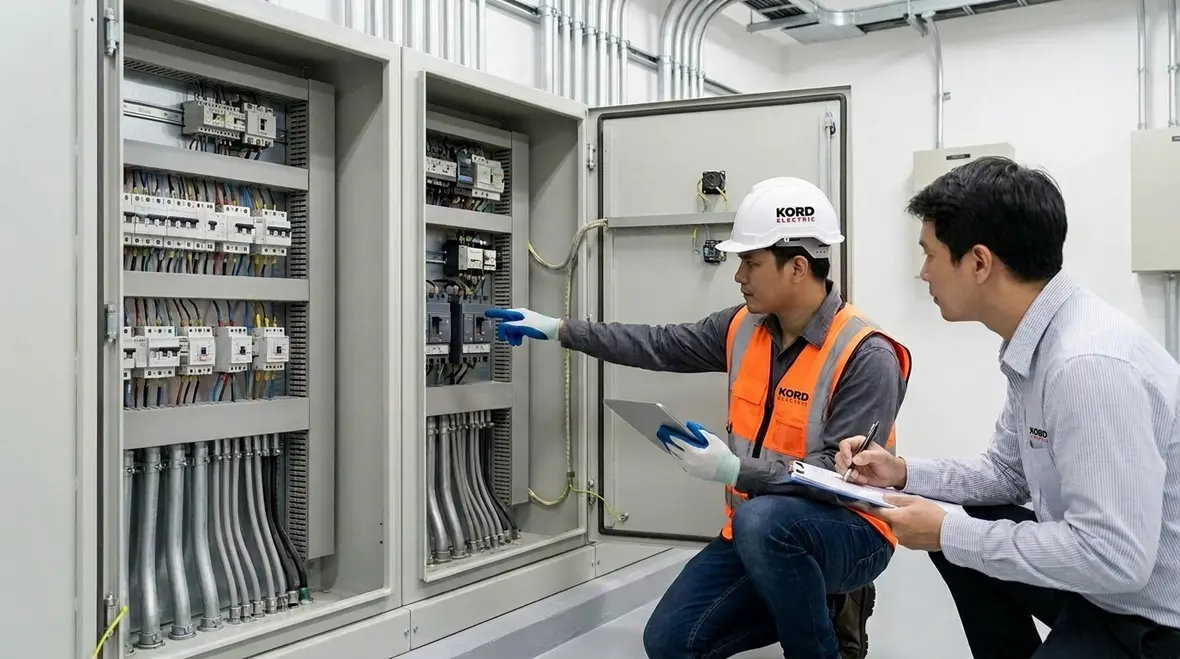
Commercial Electrical Code Compliance Consulting Guide
Facility managers do not need guesswork when it comes to commercial electrical code compliance. At Kord Electric, our commercial electrical code compliance consulting helps decision makers get clear answers, reduce risk, and keep operations moving. We do this with practical steps that match what inspectors expect, and with documentation that holds up when the lights go off, the alarms go off, or the budget folks suddenly go off. And yes, we know facilities love surprises, but electrical safety should not be one.
In this guide, third person perspective is used, yet the message stays direct: facility teams can navigate code, audits, and preventive work with confidence when they follow a disciplined plan. Kord Electric technicians and expert service staff walk through what matters, why it matters, and how to keep it maintained, even when the schedule is tight and the “quick fix” becomes a lifestyle.
1) What compliance really means in commercial buildings
Commercial and industrial facilities live under strict expectations. So, compliance is not just a one time checklist after construction. It is a living system that connects design choices, installation methods, inspections, and ongoing maintenance. In other words, codes protect people, equipment, and continuity of service. Yet codes also set a practical baseline for how electrical systems get tested, labeled, and repaired.
When facility teams treat compliance as a habit, they avoid the “we will deal with it later” trap, which always costs more later. Kord Electric approaches this by pairing site knowledge with clear documentation. We guide others through interpretations and help set priorities that match risk.
2) How facilities should build an electrical code compliance program
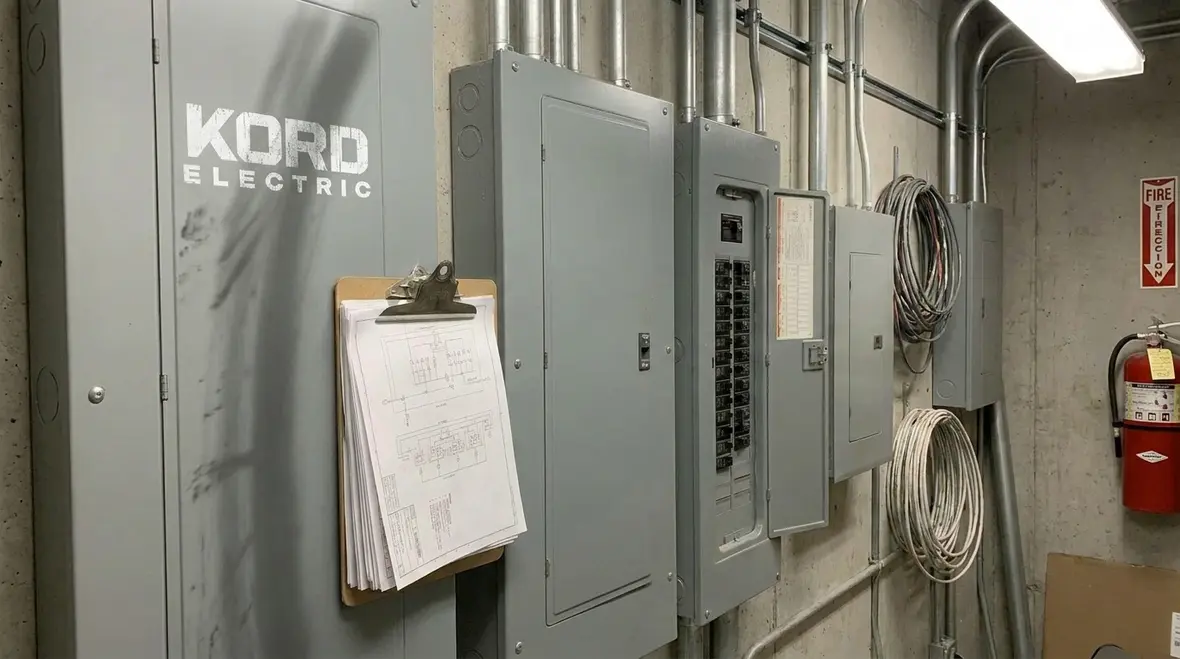
First, a facility manager should name an owner for electrical safety work. Then, that owner should coordinate with maintenance, operations, and any vendors who touch the electrical system. Next, the program should define how the site tracks tasks, records results, and escalates issues. And importantly, it should include how the facility handles changes such as new tenants, added loads, or upgraded process equipment.
At this stage, commercial electrical code compliance consulting pays off because it turns scattered notes into a method. Kord Electric technicians explain the why behind requirements, then we help others build a simple workflow that aligns with real field conditions. After all, a plan written on paper but ignored in the field is like a fire drill with no fire. It feels busy, yet nothing changes.
Common elements a strong program covers include:
- Documented inventory of electrical rooms, panels, switchboards, and key feeders
- Clear labeling and identification standards that match the site plan
- Defined inspection and testing intervals for key components
- Change control steps for additions, repairs, and temporary power
- A follow up process that tracks corrections until closure
3) Preventive maintenance that supports inspections and uptime
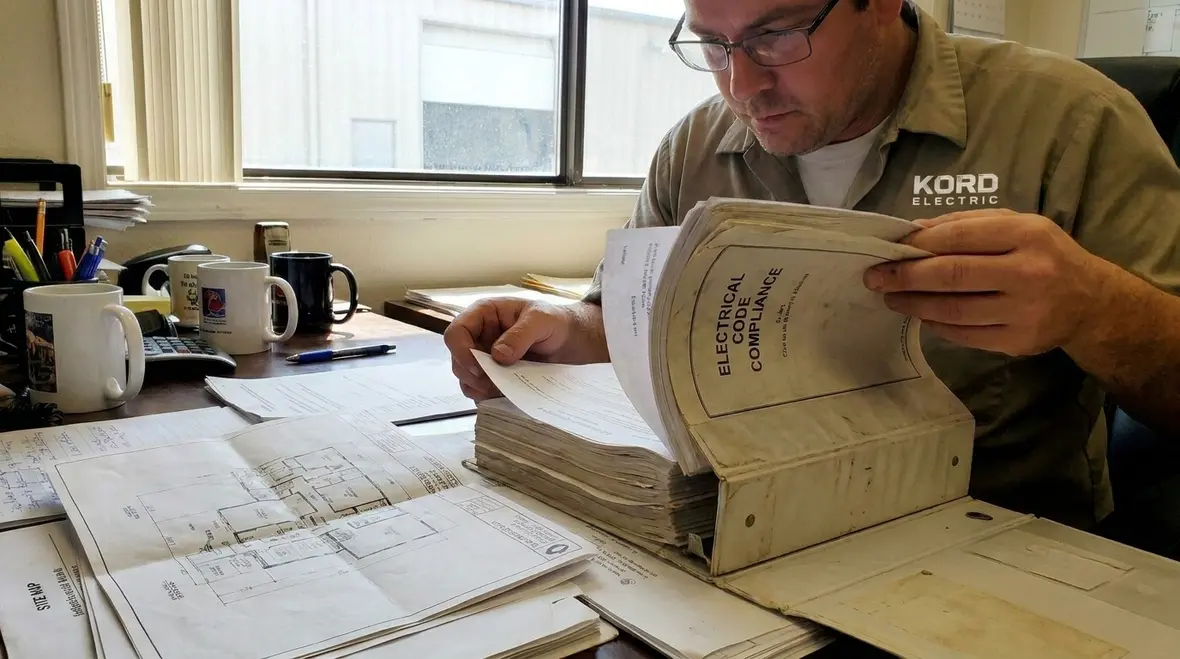
Preventive maintenance matters because it reduces failures and it creates evidence. If an inspector asks what gets checked and when, a facility should respond with records that show planned work, not just emergency call logs. Kord Electric supports this through the kind of work described in our electrical preventive maintenance approach, where technicians focus on what drives safety and reliability in commercial and industrial systems.
In practice, we help others review conditions that codes and good engineering behavior both expect to be addressed. This includes visual checks, targeted testing, and repairs that keep equipment within safe operating limits. Then, we document findings in a way that facility teams can use for future planning and compliance reporting.
For a facility manager, the goal is simple: fewer unexpected outages and fewer “surprise” inspection outcomes. And yes, the electrical system always finds the weak spot eventually. Preventive maintenance just helps it find the weak spot while someone is watching the checklist.
To keep work effective, a program should connect preventive tasks to system risk. For example, switchgear and panels often receive attention because they support distribution and life safety loads. Meanwhile, grounding and bonding checks keep fault paths predictable. Finally, connections and terminations get attention because heat and wear hide in plain sight.
4) Common compliance gaps in commercial and industrial facilities
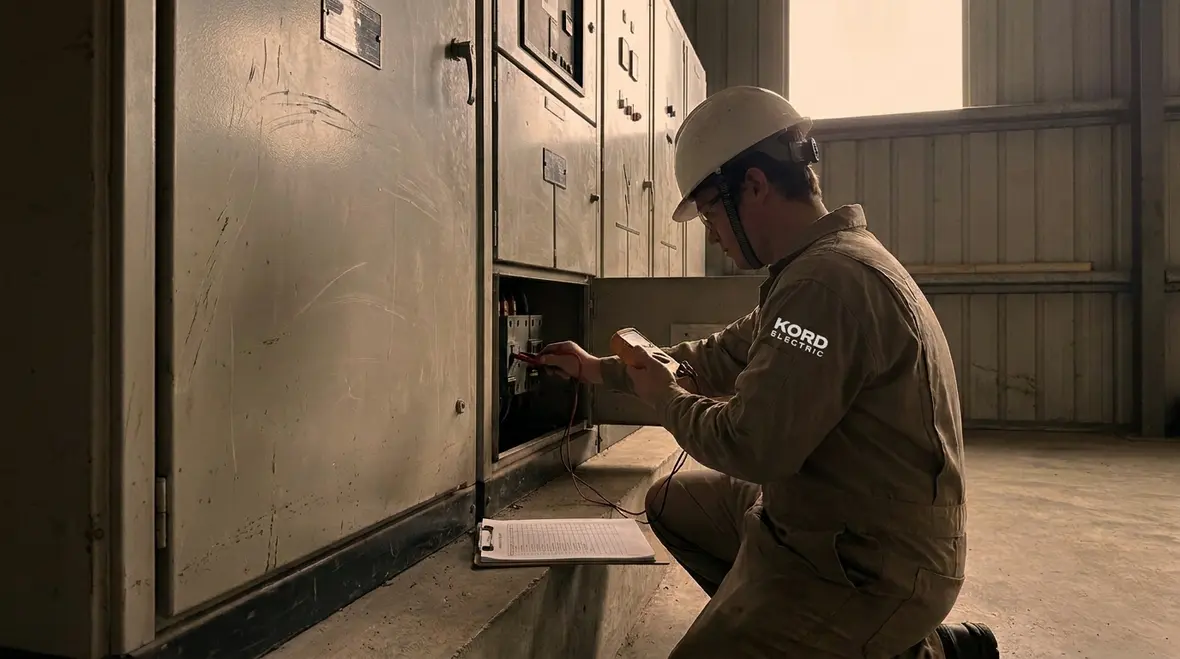
Facility teams often do great work, yet gaps still appear. That usually happens because responsibilities shift, tenants change, or equipment gets added without updating labels, documentation, or test schedules. Even one panel without clear identification can turn a routine walk through into a long meeting with the words “we need to figure this out.” Nobody wants that meeting.
Here are frequent gaps Kord Electric technicians and expert service staff see during reviews:
- Inconsistent panel directory labeling, missing circuit numbers, or outdated single line references
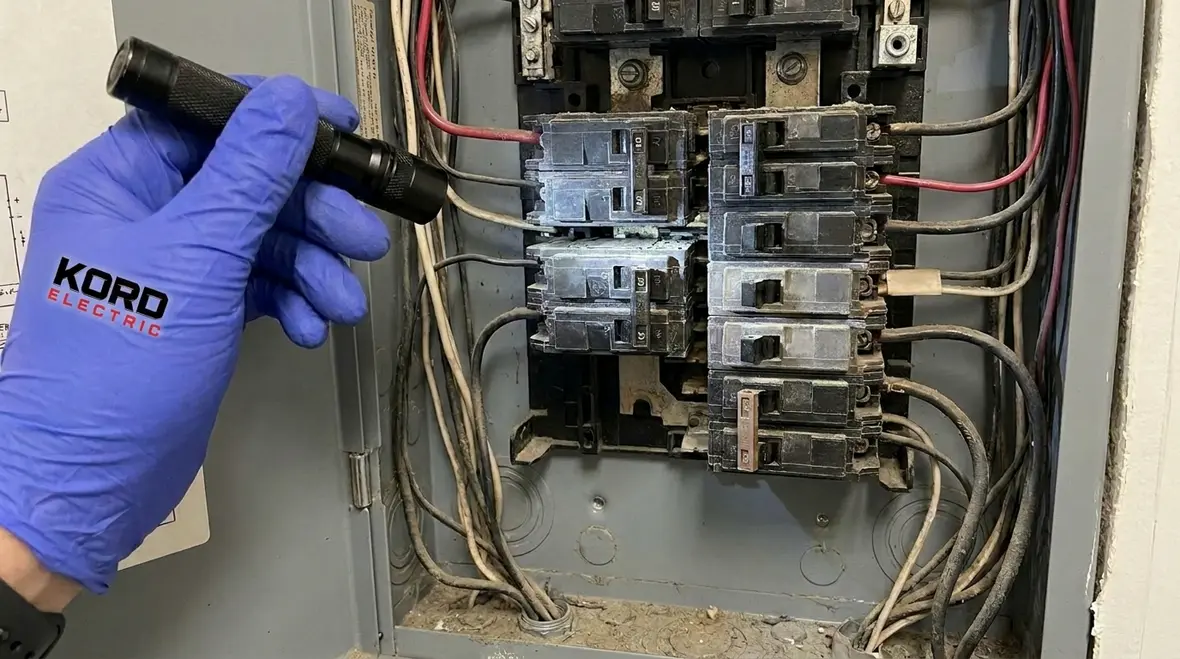
- Broken or missing covers, damaged knockouts, and incomplete sealing in electrical enclosures
- Grounding and bonding issues that grow quietly over time, especially after repairs
- Overloaded conductors or outdated load assumptions after equipment upgrades
- Missing or incomplete records for testing, maintenance, and corrective actions
- Dust, corrosion, or moisture buildup that affects insulation and safe operation
What matters most is how a facility responds. Instead of chasing every issue at once, we help others prioritize based on risk and operational impact. This is where commercial electrical code compliance consulting supports decision making. It helps reduce chaos and makes sure the most urgent hazards do not get buried under “minor” items.
5) Clear documentation and change control that stand up to scrutiny
Code compliance becomes real when documentation supports it. Therefore, facility managers should store test results, maintenance logs, and corrected issues in a consistent format. Then, they should link records to the specific equipment location and identifiers. That means someone walking the floor later can match what they see to what the records say.
Change control is equally important. When someone installs new equipment, reroutes circuits, or adds temporary power, the electrical system effectively gets reconfigured. However, changes often happen fast and quietly. If documentation stays behind, compliance suffers. Kord Electric helps others set a practical process so changes trigger updates to labeling, records, and planned maintenance.
To keep this manageable, technicians explain a straightforward workflow: capture the change, verify equipment condition, update documentation, and schedule follow up checks. As a result, facility teams avoid mismatches between the as built reality and the as documented claims. Inspectors like consistency, and operations like fewer disruptions. Everybody wins, and the lights stay on.
6) Training, communication, and how staff should respond to issues
Most electrical problems do not start as disasters. They start as small signs: heat discoloration, loose hardware, odd smells, nuisance trips, or panels that feel warmer than they should. Therefore, facility staff should know what to report, how to report it, and when to stop work.
Kord Electric helps by showing teams what to look for and how to communicate findings clearly. Our technicians and expert service staff explain the difference between a temporary symptom and a serious hazard. Then they help facility managers create response steps: when to isolate equipment, when to call for testing, and when maintenance should schedule corrective work.
Here is a practical communication approach that keeps everyone aligned:
- Use a consistent form for observations, including location and equipment ID
- Record time, conditions, and any alarms or load changes
- Separate “noticed” from “verified” so issues do not get guessed
- Track corrective actions to closure, not just “completed”
And yes, a facility can still be friendly while being disciplined. It is not a power outage survival game show, where the host says, “Any volunteers?” The best sites respond calmly, with clear steps and trained hands.
7) FAQs for commercial code compliance and preventive electrical care
Conclusion: take control now with Kord Electric
Commercial electrical code compliance should feel steady, not stressful. When Kord Electric supports your program, technicians help facility teams reduce risk, strengthen documentation, and align preventive work with real inspection needs. Our expert service staff guides the process, explains the “why,” and keeps corrective actions moving to closure. If your facility manages multiple properties, changing loads, or tough operational schedules, now is the time to get a clear plan. Contact Kord Electric today and start building compliance confidence.
For properties that want an even stronger foundation, pairing commercial electrical code compliance consulting with a structured electrical preventive maintenance program helps keep systems reliable long after the inspection day is over. And when upgrades, rewiring, or modernizations are on the horizon, Kord Electric’s commercial and industrial services are built to keep that work aligned with both code and real world operating demands.
If your team is planning deeper improvements for a facility, from load upgrades to system modernization, explore how Kord Electric’s commercial and industrial services support safe, scalable growth across your portfolio.


