Commercial Electrical Grounding Improvements Guide
Kord Electric delivers reliable commercial electrical grounding improvements designed for the kind of sensitive equipment that cannot “hope for the best” and win. We help property teams keep grounding paths steady across changes in load, weather, and building upgrades. And yes, we explain it in plain language, because nobody wants a technical mystery show running at 2 a.m. while alarms start dancing. Still, it matters. Consistent grounding reduces shock risk, limits damage to controls, and helps power quality stay stable for the devices that actually keep a facility running.
Below, our experts walk through why grounding cannot be treated like a one time checkbox. In addition, we show how technicians can spot issues early, before sensitive commercial systems pay the price. You will see practical steps, clear examples, and the calm confidence that comes from doing this the right way, not the “good enough” way.
Why sensitive commercial equipment depends on steady grounding
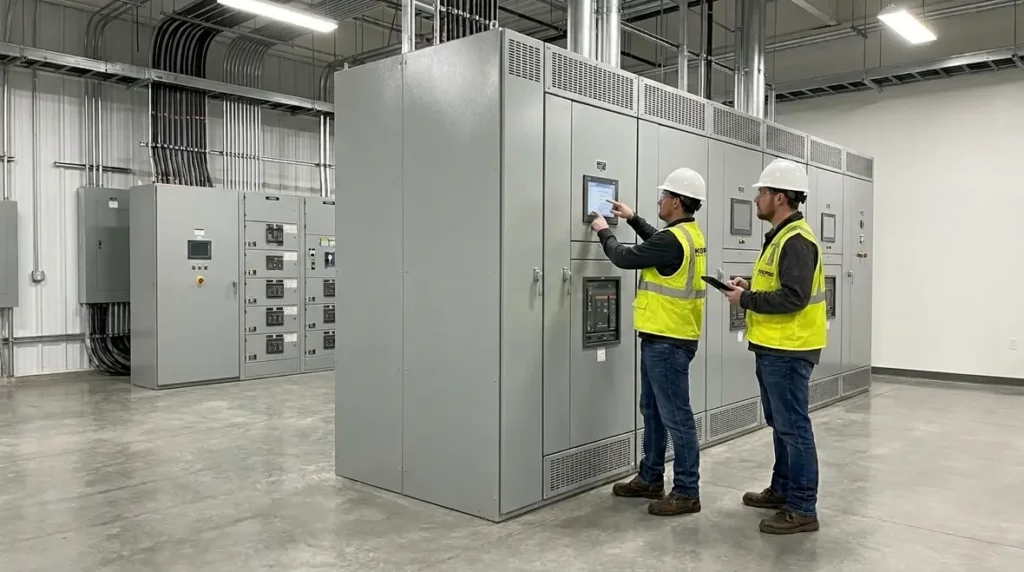
Sensitive commercial and industrial electrical equipment does not just “tolerate” grounding. It depends on it. When grounding stays consistent, protective devices get the reference they need, and fault energy follows predictable paths. That predictability matters for control boards, variable speed drives, PLCs, servers, medical grade loads, and high efficiency motor systems.
When grounding varies, voltage differences can appear between metal parts, control enclosures, and equipment chassis. As a result, electronics may experience unwanted noise, intermittent resets, nuisance trips, or damaged components. Moreover, some failures look random. They rarely are. Most of the time, our team traces them back to grounding resistance, connection quality, or missing bonds that the facility never accounted for during renovations.
Common causes of grounding inconsistency in commercial buildings
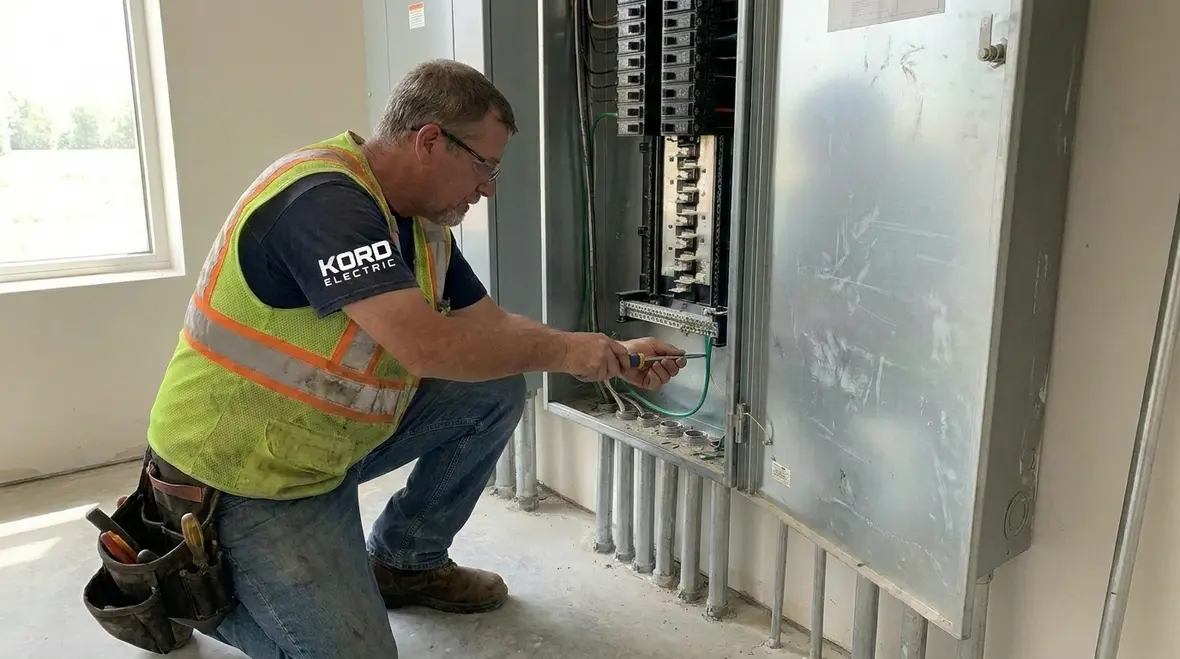
Commercial electrical grounding problems often start quietly. Then, they show up as recurring outages, maintenance callbacks, or equipment that seems to “age faster than it should.” Our technicians regularly see the same patterns across major property buildings.
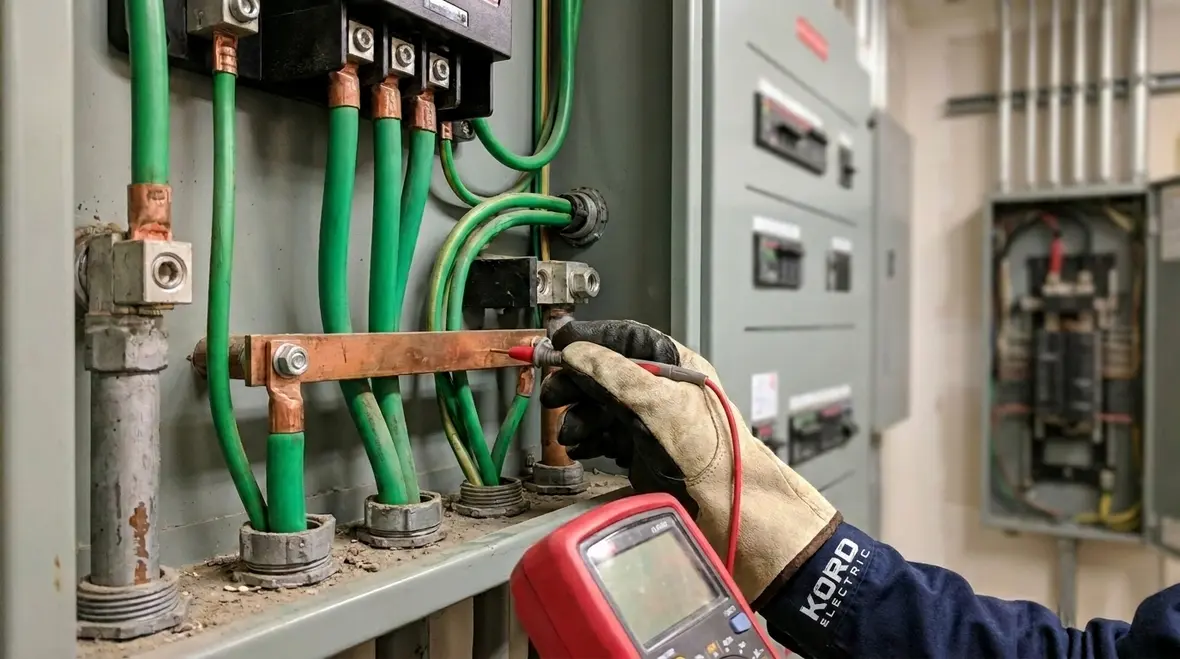
- Corrosion and surface oxidation at lug points, bonding jumpers, and ground bars
- Loose terminations from vibration, mechanical stress, or improper torque
- Changes during upgrades where new equipment connects to old grounding without proper bonds
- Undersized or damaged grounding conductors that cannot maintain low resistance
- Missing equipotential bonding between metal systems like conduits, panels, and frames
Then there is the human factor. Someone finishes a remodel, labels a wire, and moves on. Later, another crew replaces a panel, and no one checks whether the new assembly still matches the grounding scheme. That is how a facility ends up playing “electrical whack a mole.” We do not enjoy games like that, and neither does your downtime budget.
How inconsistent grounding creates real risks, not just technical headaches
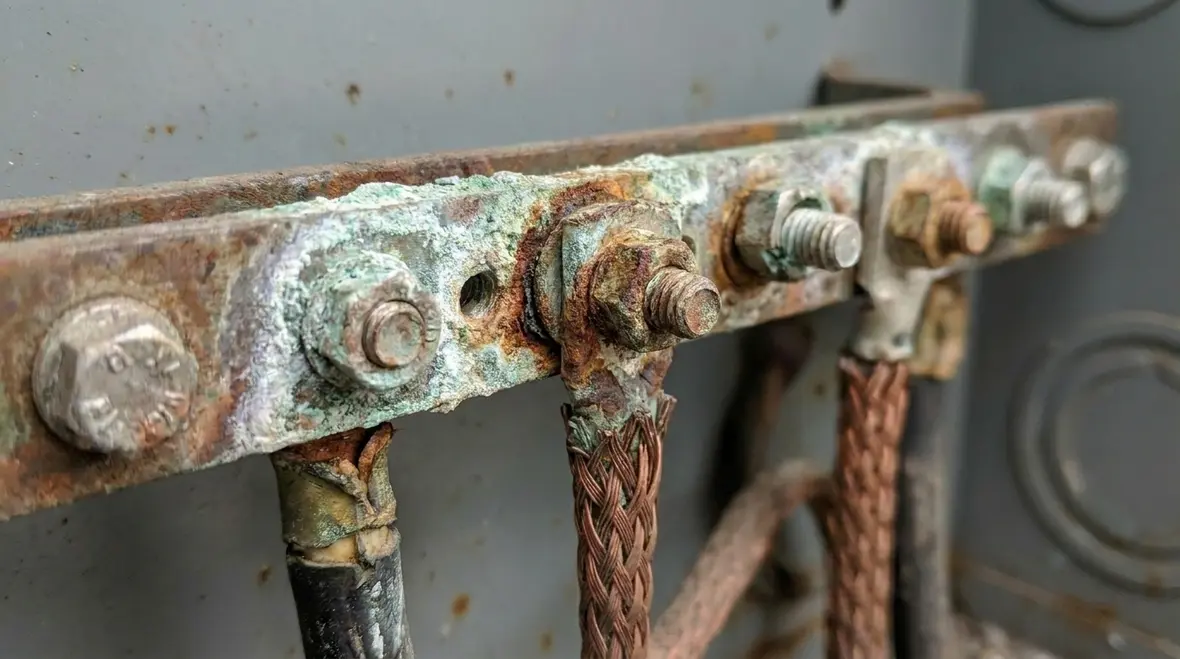
Grounding inconsistency creates risks across three major areas: safety, reliability, and equipment lifespan. First, when fault currents do not return cleanly to ground, protective devices may not clear faults quickly enough. That can increase shock risk and fire risk in the wrong scenario.
Second, unreliable grounding can cause nuisance behaviors in sensitive controls. Filters and reference points depend on a stable low impedance path. If the path changes, you may see intermittent communication failures, controller instability, or unexpected relay behavior.
Third, you can see accelerated wear. When grounding connections introduce higher resistance, heat builds at terminations. Heat shortens the life of lugs, conductors, and nearby components. Over time, you get a chain reaction of maintenance costs, emergency calls, and replacements you would rather avoid.
At this point, others sometimes say, “But the equipment still powers on.” Sure. Power is not the same as power quality. It is like a car starting every morning while the check engine light slowly files a complaint. The light is not imaginary, and neither is the grounding issue.
What our technicians measure to confirm consistent grounding
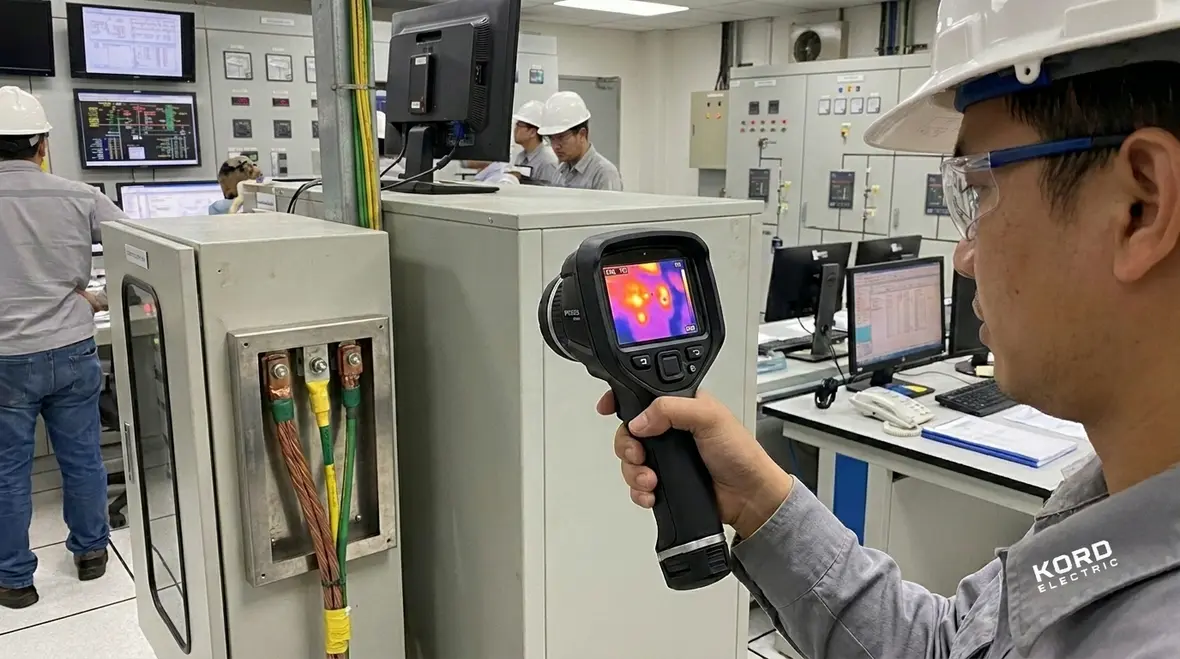
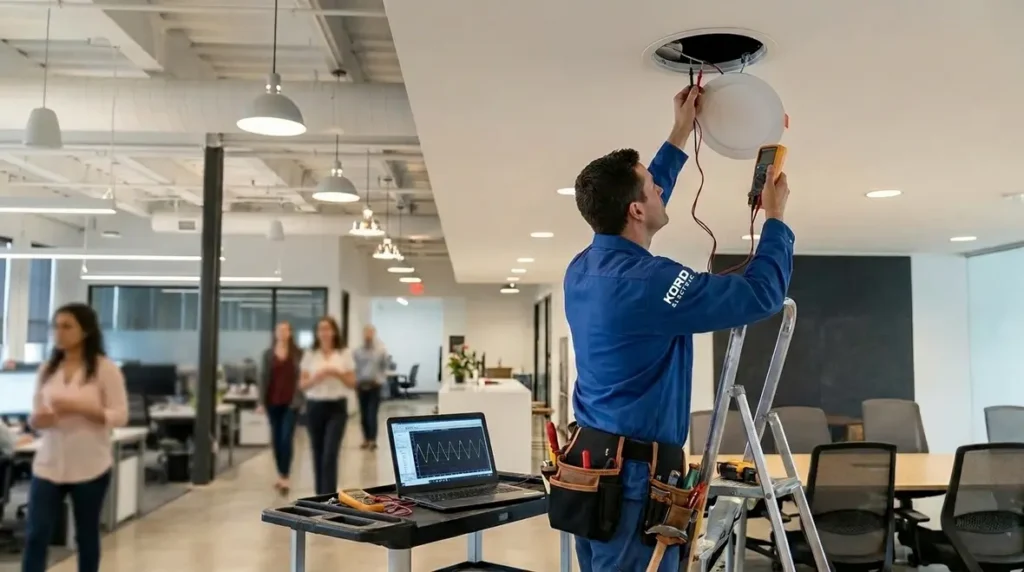
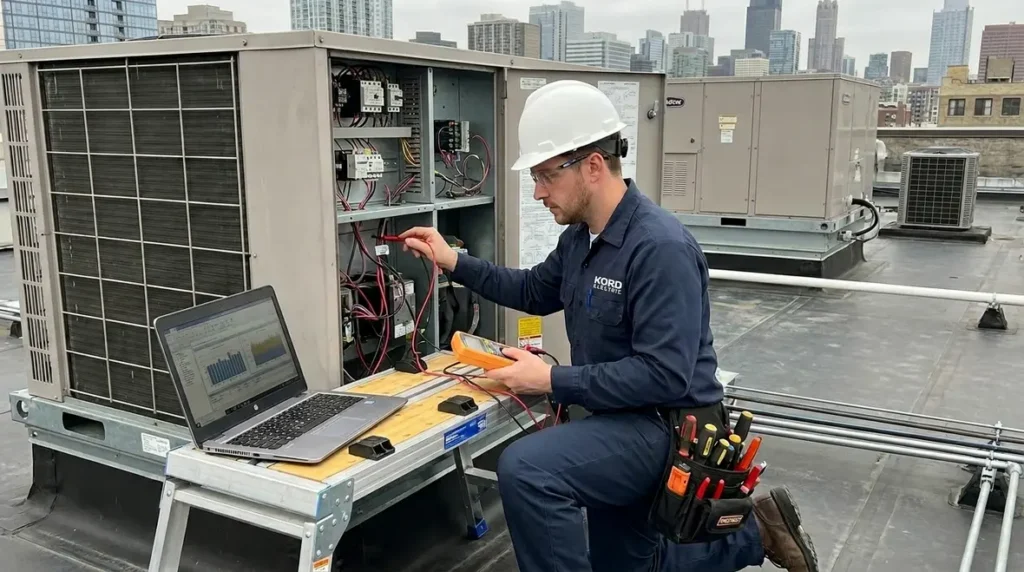
Our expert service staff takes a methodical approach. We measure, document, and verify that grounding works with how your facility actually operates. And we keep it practical for commercial and industrial teams who need answers they can act on.
| Measurement or check | What it tells us |
| Ground resistance testing | Shows whether the earth path remains within expected performance |
| Bonding and connection inspection | Confirms that metal parts stay at the same potential across the system |
| Torque and termination quality review | Helps prevent loose connections that create heat and noise |
| System mapping and coordination review | Verifies that upgrades did not break the intended grounding scheme |
Next, we explain our findings in straightforward terms. Our team does not hide behind mystery jargon. Instead, we describe what we saw, why it matters for sensitive systems, and where the fix will reduce risk. Then we discuss commercial electrical grounding improvements that restore a stable path and keep performance consistent as the building changes.
For facilities already struggling with voltage swings or unexplained equipment lockups, grounding improvements often pair well with a structured power quality review. Teams exploring this can learn more in our guide on voltage fluctuations in commercial and industrial facilities and how to correct them before they escalate into larger failures.
Best practices we install for reliable grounding performance
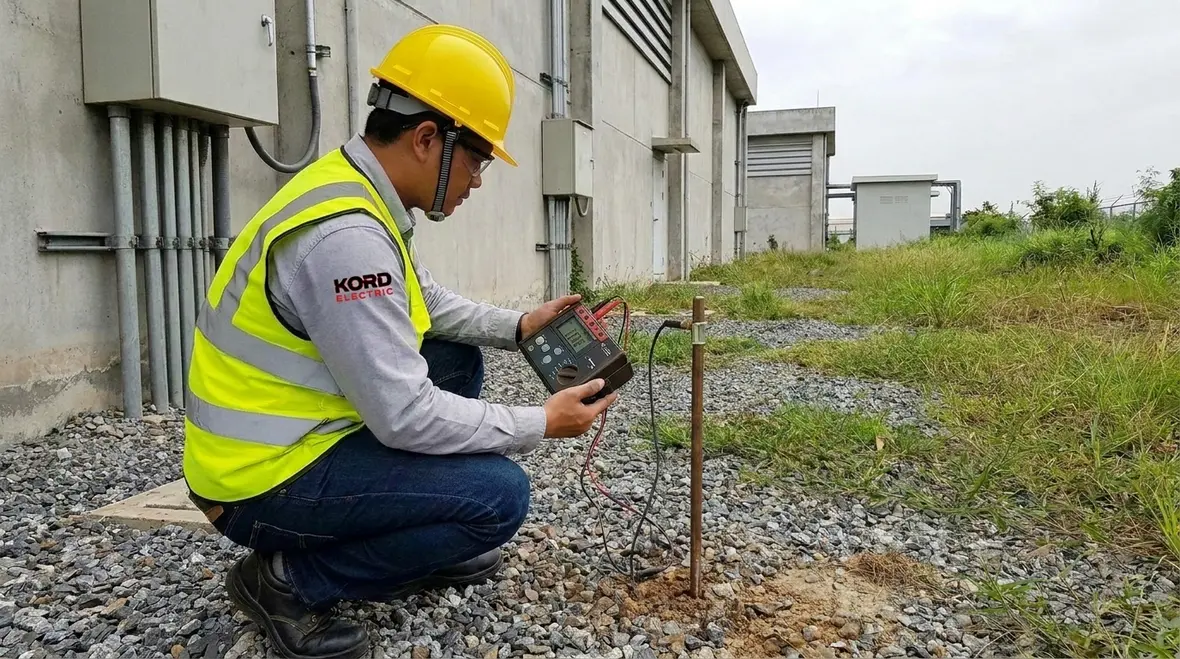
Once we identify a problem, we focus on fixes that hold up in the real world. Commercial and industrial facilities face vibration, weather exposure, equipment upgrades, and heavy electrical loads. So our grounding work supports long term stability, not quick patch jobs.
- Correct conductor sizing to maintain low impedance under fault conditions
- High integrity bonds between building steel, enclosures, and relevant metal systems
- Proper routing and protection for grounding conductors in pathways where damage can happen
- Quality lugs and terminations installed with correct preparation and secure torque
- Inspection points that make future checks easier so maintenance teams can verify performance
In addition, we coordinate grounding changes with the rest of the electrical plan. That means we avoid creating new “almost connected” conditions. We also make sure the grounding strategy supports the protective devices and sensitive equipment your facility relies on.
And if a facility is planning a tenant build out or an equipment expansion, we help teams plan grounding early. That is cheaper than chasing problems after the new equipment starts behaving like a drama queen. For many property managers, pairing grounding upgrades with a broader electrical preventive maintenance program keeps improvements documented and aligned with long term reliability goals.
Grounding consistency through renovations and equipment upgrades
Large property buildings rarely stay still. New tenants arrive, electrical loads change, and power paths get modified. Therefore, grounding must adapt without losing its reliability. This is where many projects fall short. They improve the visible parts but overlook bonding continuity and grounding pathways across panel changes and new equipment connections.
Our process supports long term continuity. First, we review the existing grounding framework. Then we confirm where new equipment ties in, how it bonds to metal parts, and whether any older connections require correction. After that, we document what changed so future teams do not guess.
Equally important, we explain what to watch for during ongoing maintenance. Others may ignore minor corrosion or a loose connection because “it still works.” However, small issues often grow. Eventually, the resistance rises, heat forms, and a stable ground reference starts to drift.
For facilities juggling renovations, lighting retrofits, and new equipment installs across multiple buildings, coordinating grounding with broader project scopes matters. Our teams often align grounding reviews with larger initiatives like lighting installation services or EV charger installation, so everything moves forward on a stable electrical foundation instead of in disconnected steps.
How grounding improvements support long term facility strategy
Commercial electrical grounding improvements are not just a one line item buried in a project budget. They shape how confidently a facility can grow, how often systems fail, and how disruptive each failure becomes. When grounding is handled thoughtfully, property leaders gain more than a clean test report. They gain options.
Stronger grounding and bonding open the door for higher efficiency equipment, smarter controls, and modern distribution upgrades without constantly worrying that each change will wake up a new power quality issue. In fast moving environments, that flexibility matters. It allows operations teams to say “yes” to new tenants, new processes, and new technologies without holding their breath every time a breaker closes.
Grounding improvements also pair naturally with focused planning around rewiring and infrastructure modernization. If your facility is already exploring panel replacements or whole building upgrades, our rewiring cost guide for commercial electrical systems offers a deeper look at how safety, capacity, and long term reliability all connect. Grounding sits at the center of that conversation, quietly shaping whether the rest of the investment delivers full value.
FAQ
Final word from Kord Electric
If your commercial or industrial facility runs sensitive equipment, consistent grounding is not optional. It is the quiet foundation that keeps safety high, controls stable, and power quality dependable. At Kord Electric, our technicians and expert service staff measure the system, explain what they find, and deliver commercial electrical grounding improvements that hold up through upgrades and real operating conditions. Call us today to assess your current grounding performance and build a plan that reduces risk and keeps your operations steady. We do the work so your equipment stops acting like it has a mind of its own.
For facility leaders ready to take the next step, our team can also align grounding upgrades with broader electrical preventive maintenance strategies, targeted emergency electrical services, and other commercial projects. That way, each improvement reinforces the next, and your grounding plan becomes part of a larger roadmap for safer, more resilient operations.