EV Charging Infrastructure Planning for Commercial Lots
Introduction: how we plan EV readiness for commercial lots
When a business buys electric vehicles for employees or customers, the building should not lag behind. That is why we help owners with EV charging infrastructure planning for commercial lots, focusing on commercial and industrial facilities and major property buildings. We look at power, layout, access, future growth, and safety, then we map a plan that stays reliable as demand increases. In other words, we build for today and tomorrow, not for a single charger and a hopeful prayer.
Our approach also fits real world conditions. Coastal areas bring extra electrical challenges, so we plan with weather, corrosion, and safe grounding in mind. If you have ever watched a light fixture fail in the rain and thought, “That seems personal,” you are not alone. We design so the grid and the chargers do not share that attitude.
Section 1: Start with the site, not the chargers
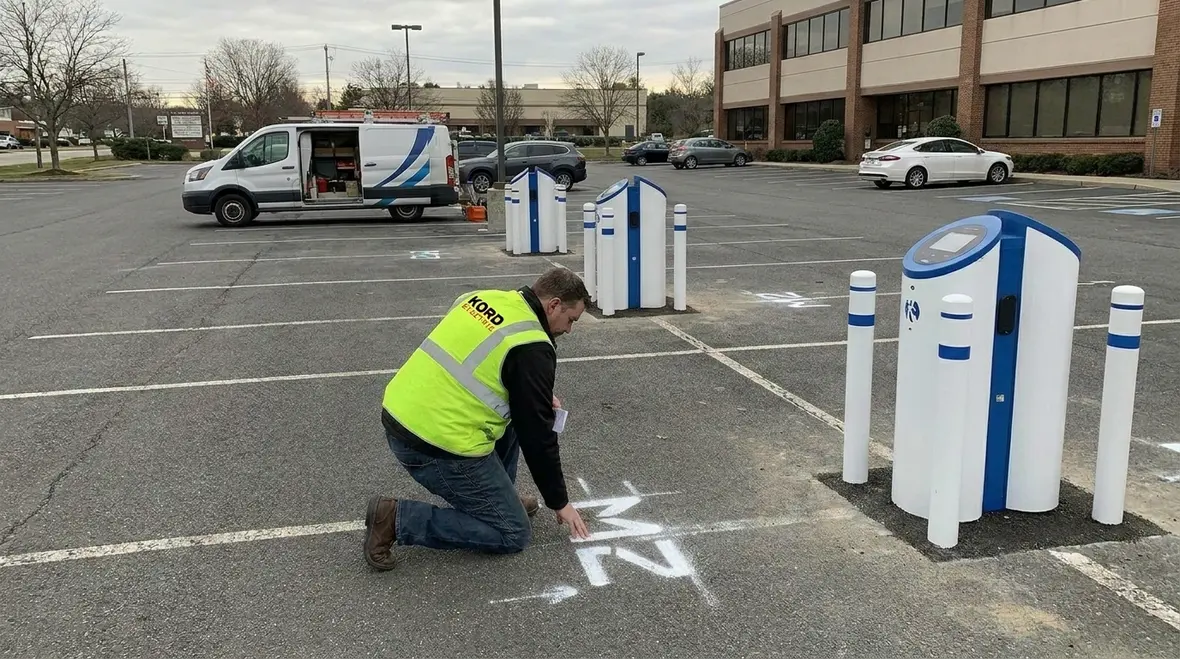
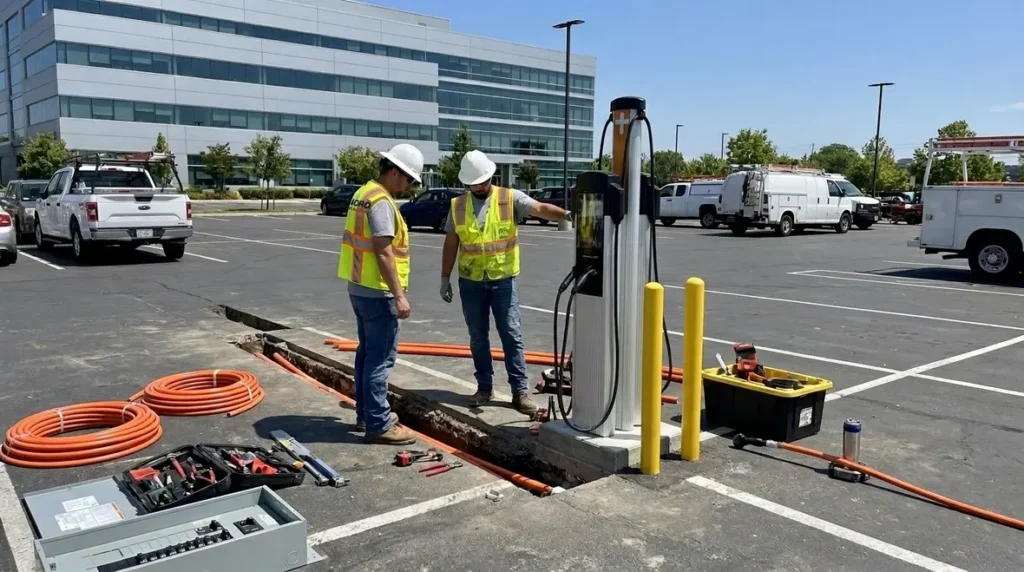
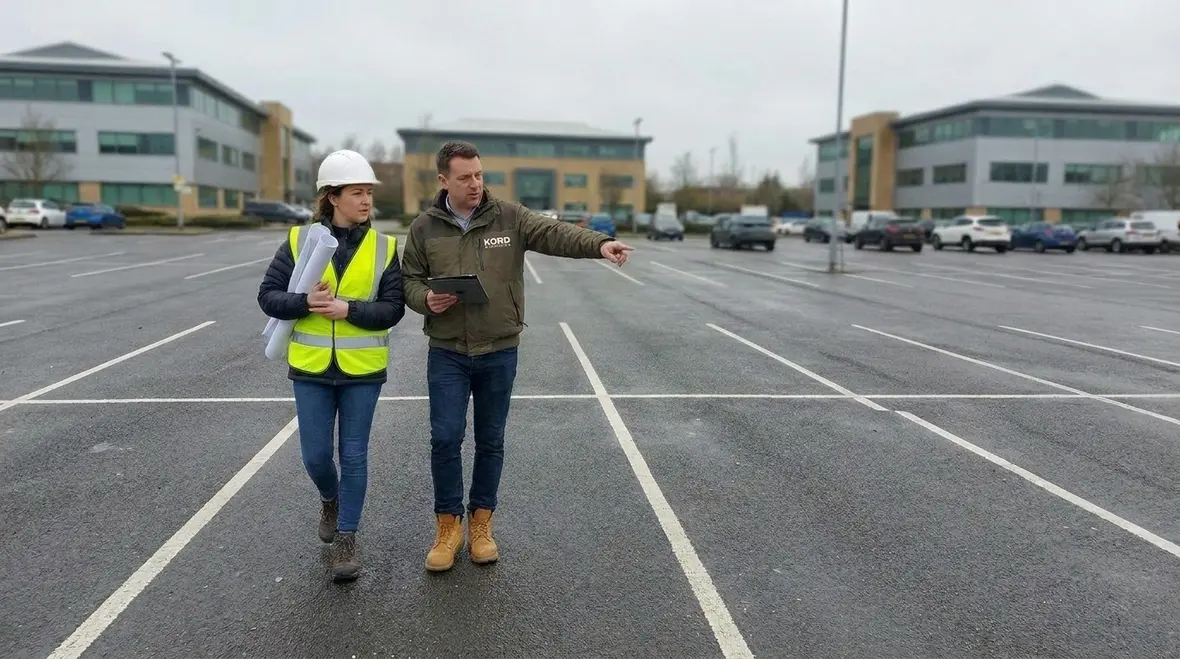
Our technicians and expert service staff begin by walking the property and reading the “map you cannot see.” They review parking flow, vehicle types, turnover rates, and where charging will actually happen. Then, they connect that with electrical service capacity and expected loads.
So, instead of starting with equipment and hoping the site can handle it, we start with how vehicles move. For example, if a facility expects short visits during business hours, we plan for higher utilization and a layout that prevents bottlenecks. If overnight charging is the main goal, we can reduce complexity and improve charging efficiency. Either way, we keep the plan practical for real access patterns, not for a brochure.
Next, we classify the locations by risk and exposure. Coastal properties require special attention, and we reference safety practices we follow for coastal electrical conditions, including the guidance shared in our piece on Santa Monica electrical safety for coastal properties. That same mindset guides how we protect conduits, connections, and enclosures from moisture and corrosion. We do not guess; we verify.
As a result, EV planning becomes less of a guess and more of a dependable build path.
Section 2: Build a power roadmap for scale
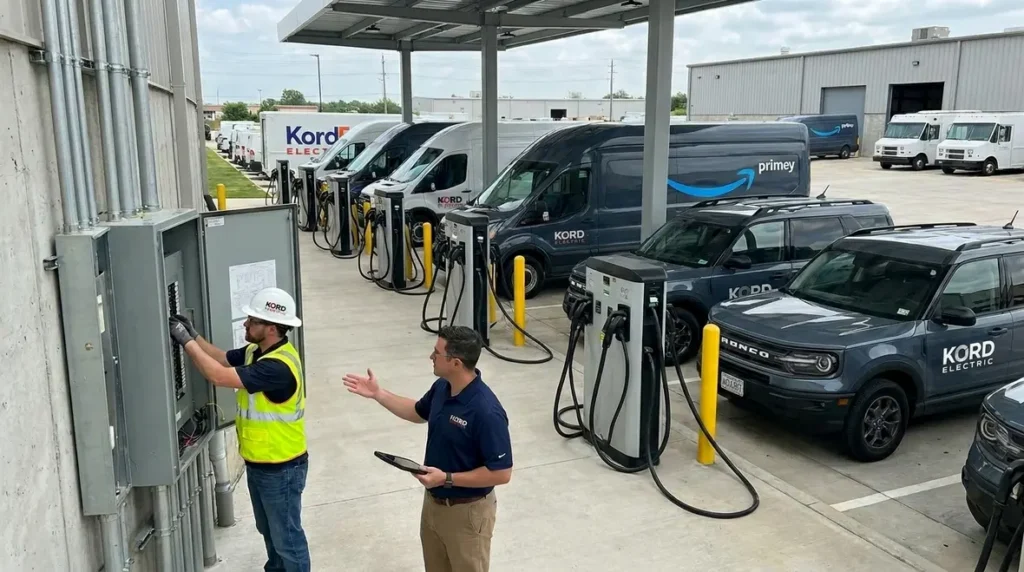
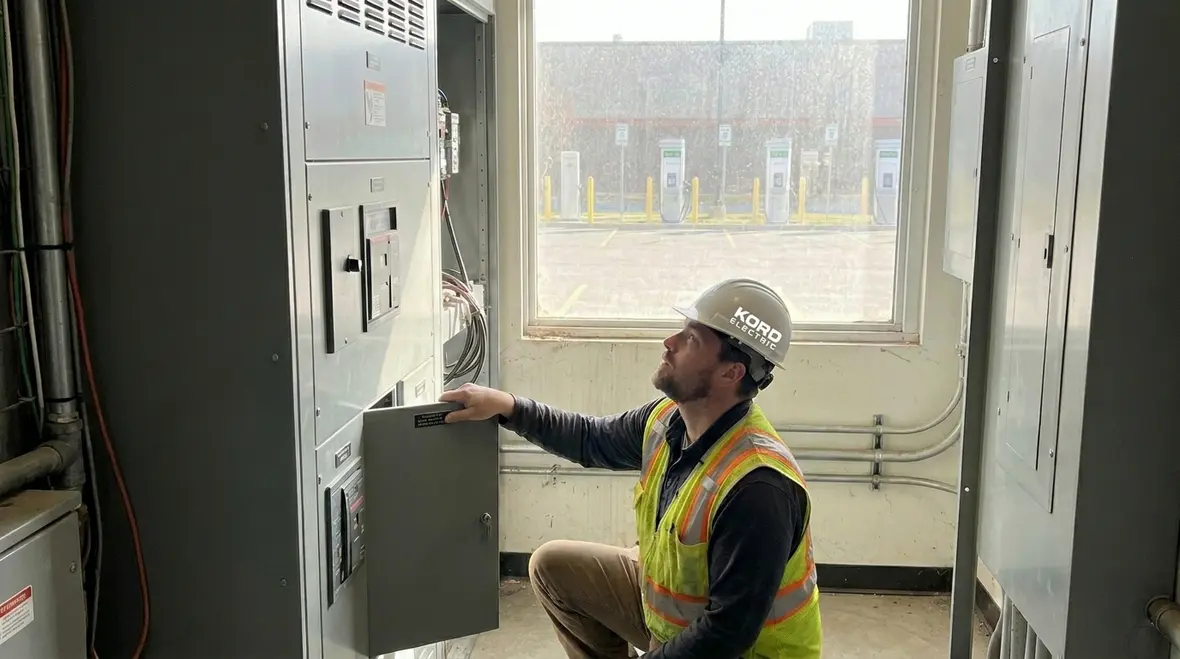
Commercial expansion rarely happens all at once. Therefore, a smart plan leaves room for added chargers without forcing costly rewiring later. We evaluate electrical service size, available capacity, and the ability to add load while staying within safe operating limits.
In many cases, the power story includes transformer capacity, switchgear, panel headroom, and feeder routes. At the same time, we look at how power quality affects charger performance. Chargers can be sensitive to voltage changes and harmonic noise, especially when multiple units operate at once. Consequently, our design targets stable delivery, so users do not blame the app when the real issue is electrical stress.
To keep the rollout smooth, we propose staged upgrades. For example, we may install conduits and pull strings during the first phase, then add additional circuits when the business reaches a new growth milestone. Later, we add load with less disruption. And yes, that means less downtime for your tenants or employees, which is a small miracle in commercial operations.
We also coordinate with the property’s electrical “ecosystem.” Lighting, HVAC, kitchen loads, motors, and seasonal spikes matter. So we plan charging power in context, not as a standalone system. For large commercial facilities that also need structured inspections and tuning, pairing EV charger planning with a broader electrical preventive maintenance program helps keep everything aligned.
Section 3: Design for safety in coastal and harsh conditions
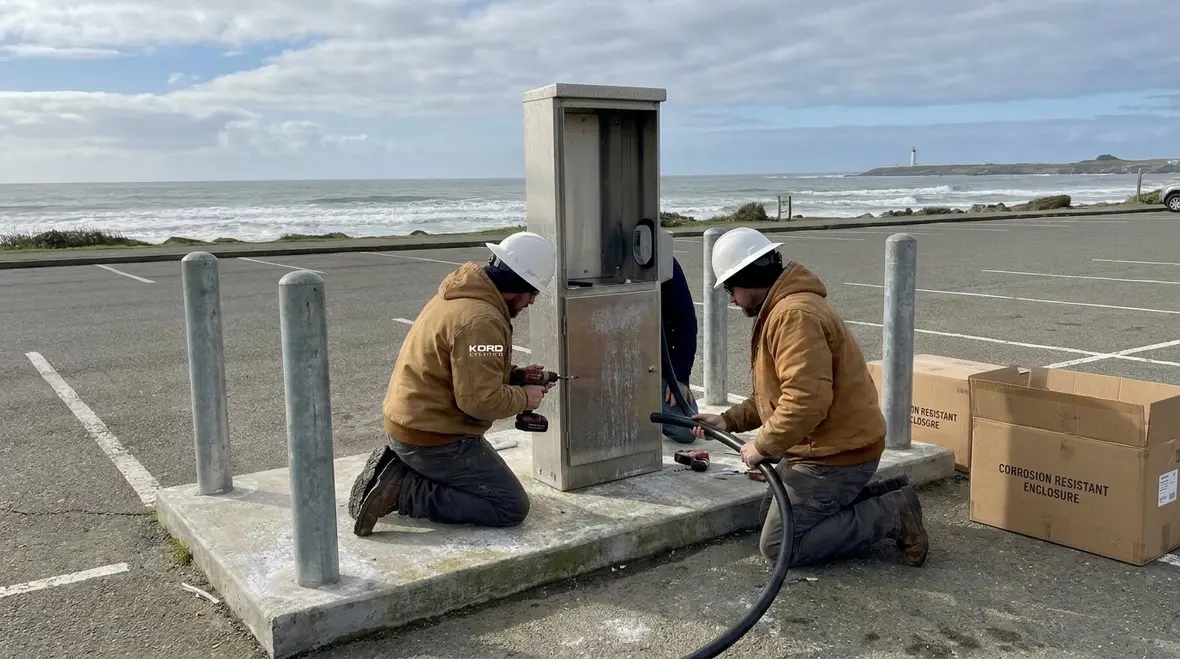
Coastal environments are beautiful, but they are tough on electrical infrastructure. Salt air can accelerate corrosion, and that can weaken terminations and shorten equipment life. In our coastal safety work, we emphasize careful installation practices that help protect components over time, especially where exposure is higher.
Accordingly, we design with protective materials, proper enclosures, and secure routing. We also plan for water management, because water loves to travel through places it should not. Our technicians pay attention to where conduit enters boxes and how connections sit, since those areas often decide whether a system lasts.
Grounding and bonding are not “nice to have.” They are essential for safe fault protection and stable operation. We also plan labeling and inspection readiness so maintenance teams can service the system without guesswork. That keeps compliance smoother and reduces service calls that nobody enjoys.
Most importantly, we install with long term exposure in mind. Chargers are outdoor equipment. So the plan should treat weather as part of the design, not an afterthought. When EV projects overlap with other upgrades, such as lighting improvements or coastal safety work, we align them so each project strengthens the others instead of competing for resources.
Section 4: Charge smarter with load management
When multiple vehicles charge on the same property, the electrical demand can rise quickly. Therefore, we use load management strategies that help control how much power each charger uses during peak times.
In real business operations, peak demand is often predictable. It aligns with shifts, events, and seasonal scheduling. So we plan charging behavior around those patterns. This helps the building meet power limits and prevents the system from tripping breakers or overloading circuits.
Additionally, load management can protect the broader electrical system. Instead of letting every charger run at full output at the same time like a group of caffeinated superheroes, the system can balance demand. As a result, the property uses available capacity more efficiently while still meeting user needs.
We also consider user experience. A good plan supports charging at a pace that makes sense for the property’s purpose, whether it is quick turn parking, fleet charging, or after hours charging. Then we document the logic so other teams can understand it without needing an engineering degree and a motivational speech.
Section 5: Layout that improves access, reliability, and maintenance
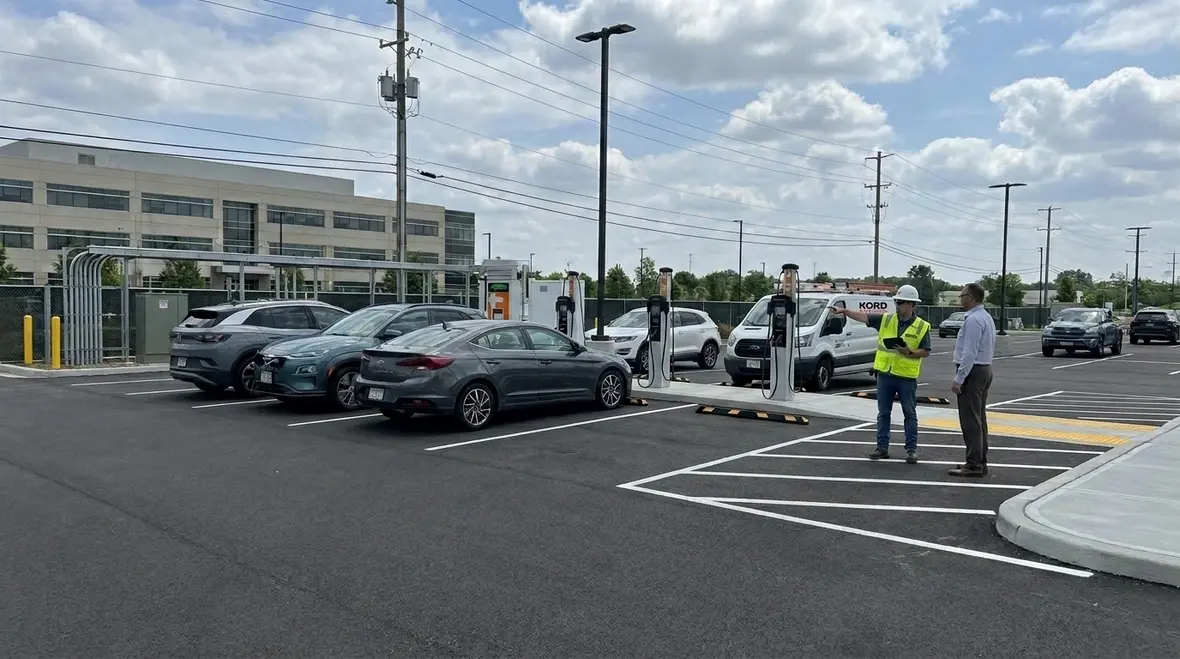
Parking lot layout can turn a charging plan from “works fine” into “why do people avoid it.” So we handle placement with clear sightlines, safe access routes, and cable management that protects equipment from vehicle impacts.
First, we plan where users park and how they approach the chargers. Next, we ensure that charging stalls align with safe flow of traffic, especially on commercial sites with trucks, service vehicles, or delivery routes. We also keep maintenance access in mind, because future servicing should not require moving barriers or blocking entire sections of a lot.
Then we map cable paths and conduit routing. We avoid places where cables can get crushed, snagged, or exposed to high water pooling. We also design so maintenance teams can reach key components efficiently. That matters, because an easy service route reduces downtime and cost.
Finally, we coordinate signage and user guidance so drivers understand stall rules. Confusion is expensive, and it creates frustration that no business needs. Our team helps ensure the charging experience stays clear and professional.
Section 6: Compliance, documentation, and future-proof upgrades
Commercial and industrial facilities carry stricter expectations, and we respect that. Our teams focus on compliance documentation, inspection readiness, and clear labeling throughout the installation.
We also build “future-proofing” into the project. That means using a plan that can support additional chargers, not just a fixed count. We account for spare capacity, spare conduit paths, and circuit planning that avoids a dead end after the first phase.
At the same time, we coordinate with site rules and operating hours. Many major property buildings cannot shut down power easily. So we schedule work in a way that limits disruption. Then we keep owners informed with steady communication, because a project should never feel like a mystery novel with electrical wiring.
Our technicians explain the system clearly during handoff. We outline where major components sit, how load management works at a high level, and what maintenance steps should happen. If someone needs the “what happens if” answer, we provide it up front. For properties that want EV charging to fit into a larger reliability strategy, connecting this work with structured commercial and industrial electrical maintenance plans keeps upgrades and inspections moving in the same direction.
FAQ
Conclusion: take the next step with Kord Electric
If your property is ready for electric vehicles, you should be ready for the full electrical reality behind them. Kord Electric helps commercial and industrial facilities plan EV charging infrastructure planning for commercial lots that scales, stays safe, and fits your power situation. Our technicians explain the system clearly, and our expert service staff supports smooth handoff and real maintenance planning.
For properties that want EV readiness to fit alongside other upgrades, our team can also coordinate with services like electrical preventive maintenance or broader commercial projects. That way, your chargers, lighting, and core distribution work together instead of competing for capacity and schedules.
Contact us today for a site assessment and a practical roadmap that keeps your chargers working like they are supposed to, not like they are trying to improvise. If you are planning upgrades for large commercial or industrial properties, our dedicated commercial and industrial electrical maintenance plans and service offerings are designed to support long term reliability across every major system.
To explore more ways coastal and high demand facilities can stay protected, you can also review our guidance on Santa Monica electrical safety for coastal properties and then bring those lessons into your EV charging strategy.