Electrical Maintenance Checklist for Warehouses
Facility Manager’s Preventative Electrical Maintenance Checklist for Warehouses, From Day One
When we talk about a preventative electrical maintenance checklist for warehouses, we do not mean a dusty binder that nobody opens. We mean a working plan a facility manager can use to reduce risk, catch failures early, and keep operations steady. In the first stretch of any program, we start with inspections, load awareness, and documentation, because electrical problems rarely announce themselves politely. They usually show up after hours, during peak shipments, right when leadership asks why the lights blinked. We build checklists that help you prevent that kind of surprise.
Our team at Kord Electric approaches it like a process, not a wish. And yes, our technicians explain what they find, in plain language, so your staff can make informed decisions instead of guessing. Others might treat maintenance like a chore. We treat it like a safety system that protects people, equipment, and uptime.
Where the risk hides in commercial electrical systems

Third person experience teaches us a simple truth: electrical faults often start small. Then they grow quietly through heat, dust, moisture, vibration, and loose connections. In commercial and industrial facilities, the environment adds pressure. Warehouses see constant motor starts, forklifts, and frequent material handling. As a result, electrical cabinets, panels, and lighting controls take on more stress than many people expect.
Then there is the compliance piece. California commercial lighting and electrical requirements exist for a reason, and we reference the same discipline we use in compliance planning. As our experts explain during site visits, electrical maintenance supports safety and operational consistency, and it supports how lighting systems meet the standards expected in California. In other words, maintenance keeps your facility aligned with what inspections and audits look for, not just what we hope will pass.
For property teams focused on lighting performance, pairing this preventative electrical maintenance checklist for warehouses with our resource on commercial lighting compliance in California helps connect the dots between day-to-day upkeep and Title 24 expectations.
Preventative Electrical Maintenance Checklist for Warehouses: Visual inspection first

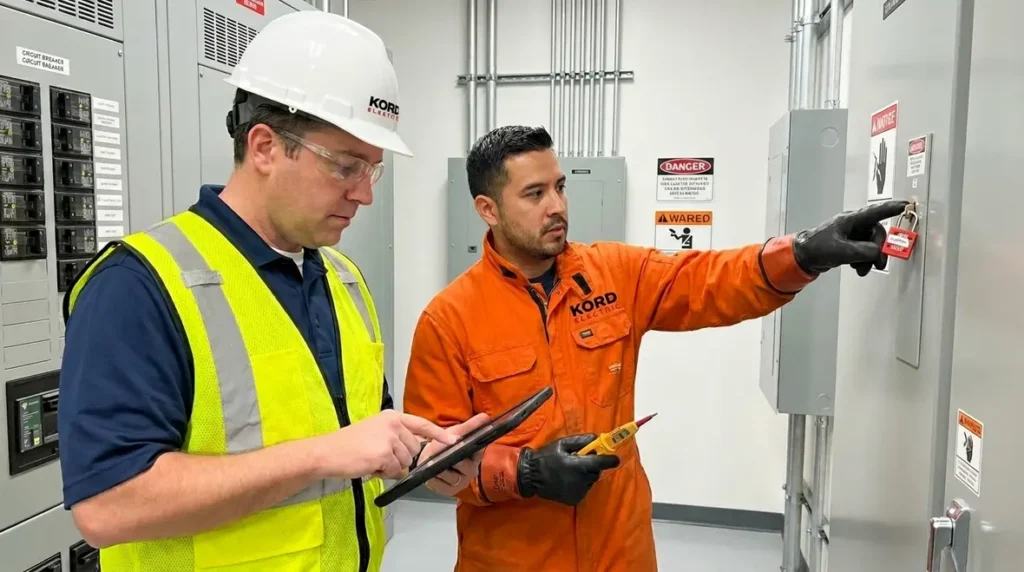
We begin with what a facility manager can verify quickly, because early detection beats emergency response. A preventative electrical maintenance checklist for warehouses should include a visual routine before we touch anything. We also schedule these checks at predictable intervals so staff does not treat them like an occasional favor.
Our technicians typically guide the process with a clear order of operations. First, we look for signs of overheating around breakers, disconnects, and bus bars. Then we check for discoloration, scorch marks, and loose conduit runs. We also note water intrusion, rust, or condensation inside panels, since those problems create failure paths that grow over time. After that, we examine lighting fixtures and controls for damage, flicker, or inconsistent behavior.
To keep it practical, we structure the inspection around three targets. First, we inspect life safety components. Second, we inspect power distribution. Third, we inspect load areas, including motors and lighting circuits. This approach prevents the classic problem of checking everything except the items that fail first.
Building a repeatable visual checklist for busy warehouse teams
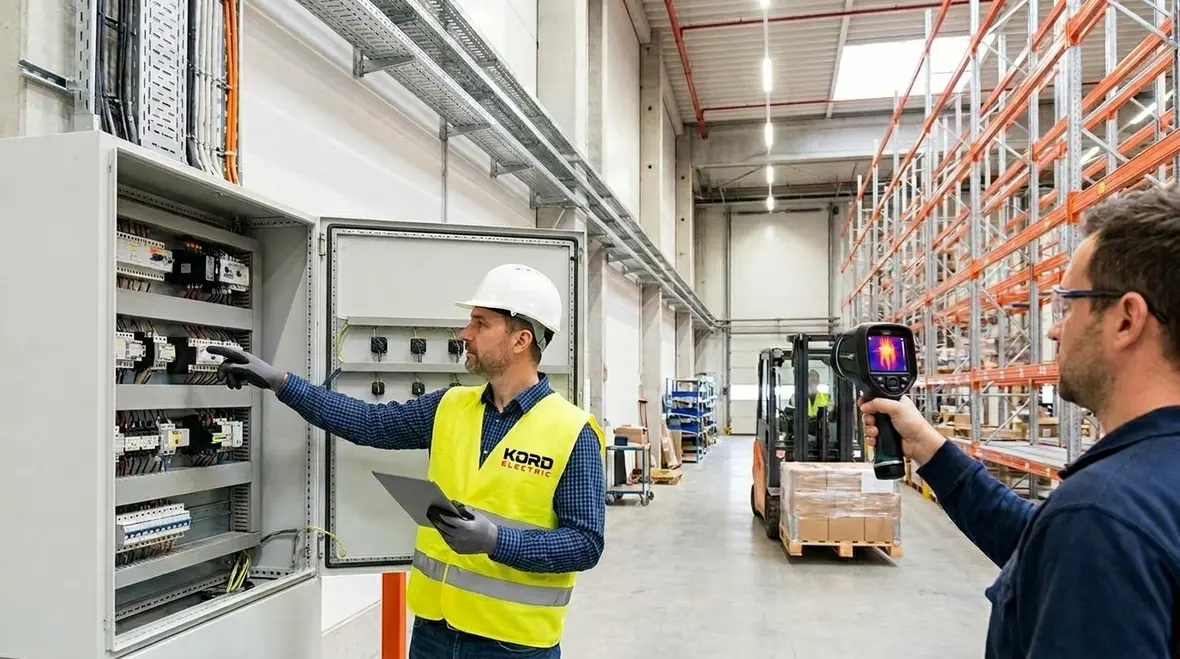
In real facilities, nobody has time for a 200 line spreadsheet in the middle of a shipping rush. That is why we translate the preventative electrical maintenance checklist for warehouses into simple route-based tasks. Walk the aisles, check labeled panels, confirm indicator lights, and log exceptions with photos. The goal is not perfection. The goal is to catch change early enough that it still feels boring, not dramatic.
Thermal testing, torque checks, and load awareness

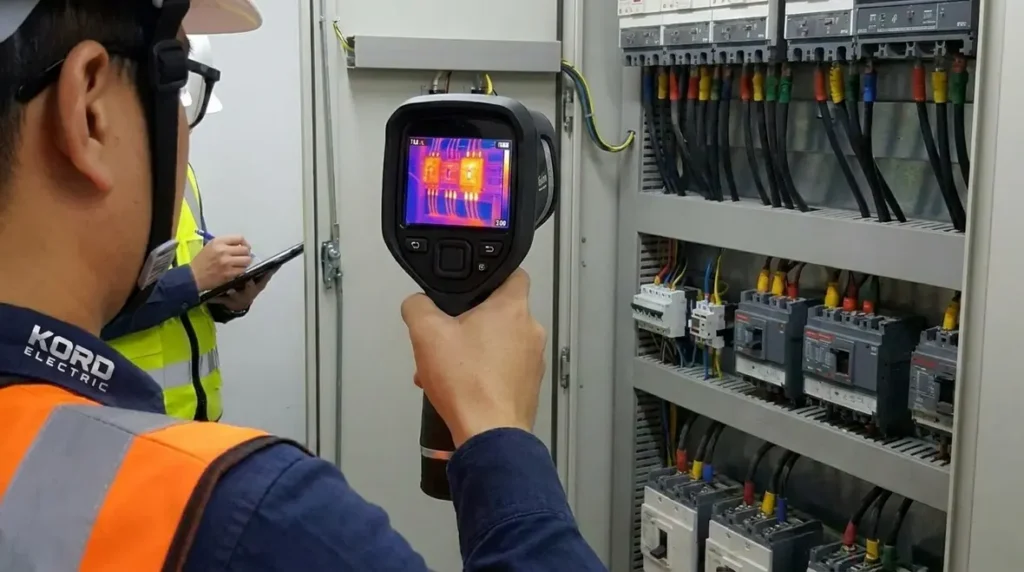
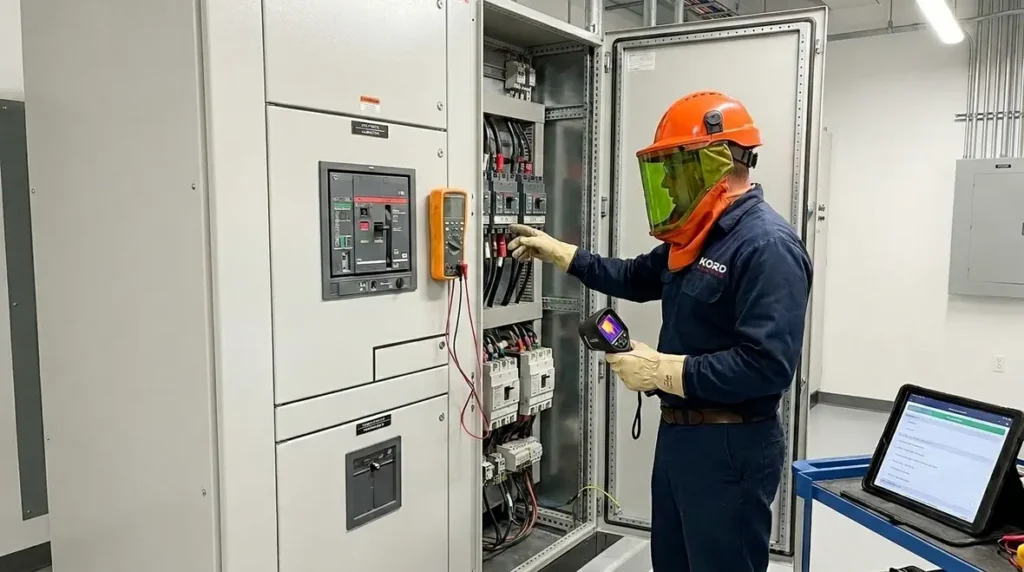
Visual checks tell a story, but measurements tell the truth. Next, we add targeted testing so the facility manager can confirm what the eyes suspect. Thermal imaging helps identify hot spots in panels, connections, and terminations. Meanwhile, torque verification ensures lugs and connections remain within manufacturer specifications, especially where vibration and repeated switching exist.
We also build load awareness into the plan. When a warehouse adds equipment, expands shifts, or increases lighting usage, the electrical system can drift into a higher risk zone. Therefore, we review circuit loading, note voltage drop, and check whether breakers run close to their limits. If a panel feeds a mix of refrigeration, charging stations, HVAC, and high draw lighting, we make sure the load profile reflects reality, not last year’s paperwork.
And because we like to keep things human, we remind people that “it still works” is not a maintenance strategy. That phrase has the same energy as “I will wash the car later.” Later usually turns into a quote, a timeline, and a meeting you did not want.
Turning test results into actions, not just numbers
A strong preventative electrical maintenance checklist for warehouses does more than collect readings. It links every test to a decision. If infrared scans show a connector trending hotter month after month, we flag it for re-termination instead of waiting for the trip. If a torque check finds a loose lug on a heavily loaded breaker, we correct it and update the record so the same point gets a closer look next cycle.
This is also where we connect warehouse-level findings to broader facility strategy. For large commercial and industrial properties with mixed use, it often makes sense to align warehouse testing with portfolio-wide programs such as dedicated electrical preventive maintenance. That way, thermal imaging, torque checks, and load studies roll into a single, coordinated view instead of living in separate binders.
Lighting systems, controls, and compliance minded maintenance

Lighting in warehouses affects safety, productivity, and sometimes even security. Therefore, we treat lighting systems as more than bulbs and fixtures. Controls and wiring matter. So does how systems behave during peak operating hours. Our technicians check for failing drivers, worn sockets, and misaligned fixtures that can reduce light output and create dark zones.
From a compliance perspective, we make sure the facility manager understands how lighting performance links to the standards California facilities follow. In our discussions, we explain that commercial lighting compliance in California often involves how fixtures are installed, how controls operate, and how systems support expected performance. We connect the dots for the people on site, so maintenance planning supports both safety and inspection readiness.
We also coordinate maintenance with operational needs. Instead of shutting down entire buildings, we segment work by zone and time window. As a result, others keep shipping and receiving running while we complete testing and repairs with minimal disruption. In business, downtime is expensive. Electrical maintenance should not be the cause of it.
Aligning lighting maintenance with real warehouse usage
High bay LED fixtures, motion sensors in aisles, daylight zones at dock doors, and emergency lighting along egress paths all show up on a preventative electrical maintenance checklist for warehouses. We document which zones see the heaviest use, which controls see the most overrides, and which fixtures live in the dustiest or most vibration heavy environments. That way, replacements and upgrades happen where they matter most, instead of just wherever someone complains first.
For warehouses planning deeper upgrades, it often makes sense to coordinate lighting work with structured solutions like commercial and industrial lighting installation services, especially when new controls, zoning, or Title 24 driven retrofits are on the table.
Emergency power, life safety, and the “don’t wait” routine
Emergency systems deserve a distinct track, because when you need them, you need them now. That includes exit signs, emergency lighting circuits, and emergency power systems where applicable. We ensure facility managers include functional checks, battery health verification, and test records. We also check transfer switches and related components when the system type requires it.
Next, we verify that life safety lighting maintains proper operation during simulated events when required. We do this with scheduled testing and documentation, so the facility keeps a defensible record. Then we address deficiencies promptly. If a battery shows early decline, we plan replacement before it turns into an incident.
We keep this portion of the program calm and disciplined. Because the alternative is the kind of stress that makes people talk like they are auditioning for a disaster movie. We prefer real safety over dramatic lighting.
Connecting warehouse emergency systems to portfolio level response
For multi-site operators and large campuses, the warehouse emergency systems do not live in isolation. They tie into central procedures, portfolio standards, and escalation paths for true emergencies. That is why a warehouse-level preventative electrical maintenance checklist for warehouses often includes contact points for 24/7 support and a clear trigger for when to move from routine maintenance to emergency electrical services. When something moves from “we should fix that” to “we need this online now,” everyone should know exactly who to call and what the next step looks like.
Documentation, reporting, and how to keep leadership calm
Here is where many plans fall apart. A maintenance checklist without documentation becomes a “trust me” system, and leadership deserves better. Therefore, we help facility managers keep clean records of inspections, thermal results, torque checks, repairs, and recommendations.
Our reporting focuses on decision support. We identify what needs immediate action, what can wait with monitoring, and what is trending. Then we explain the “why” behind each recommendation, so the facility manager can coordinate budgets and timelines with confidence.
We also recommend a consistent format. When your staff sees the same structure every month, they stop wasting time hunting for details. Meanwhile, our expert service staff can walk others through findings without jargon overload. You get clarity, accountability, and a paper trail that makes audits and internal reviews feel less like a wrestling match.
Turning a checklist into a long term warehouse playbook
Over time, a well run preventative electrical maintenance checklist for warehouses stops feeling like a stack of tasks and starts feeling like a playbook. Leadership can see exactly how maintenance supports uptime, compliance, and safety. Facility managers can point to trend lines instead of hunches. And when the topic of capital planning comes up, electrical upgrades compete on real data, not just whoever talks the loudest in the room.
FAQ for commercial and industrial preventative electrical maintenance
Call Kord Electric for a preventative plan that holds up in the real world
We know the facility manager’s job never slows down, and electrical problems love busy schedules. If you want a steady preventative electrical maintenance checklist for warehouses that reduces downtime and improves inspection readiness, we can help. Kord Electric provides expert service for commercial and industrial properties, and our technicians explain the details so your team can act with confidence. Contact us to review your current program and build a preventative plan that stays effective, month after month.
For organizations that want to formalize this work beyond a single building, Kord Electric also offers structured electrical preventive maintenance programs built for commercial and industrial facilities. Those programs take the same preventative electrical maintenance checklist for warehouses and scale it across critical systems, campuses, and portfolios, with clear reporting and long term planning baked in from day one.
If your warehouse is also planning lighting upgrades, EV charger expansion, or broader electrical improvements, our team can integrate those projects into a single roadmap so you are not juggling multiple contractors and competing timelines. One plan, one schedule, and one accountable team keeping your operations steady.