
Commercial Electrical Load Balancing for Growth
1) Why scaling businesses need commercial electrical load balancing
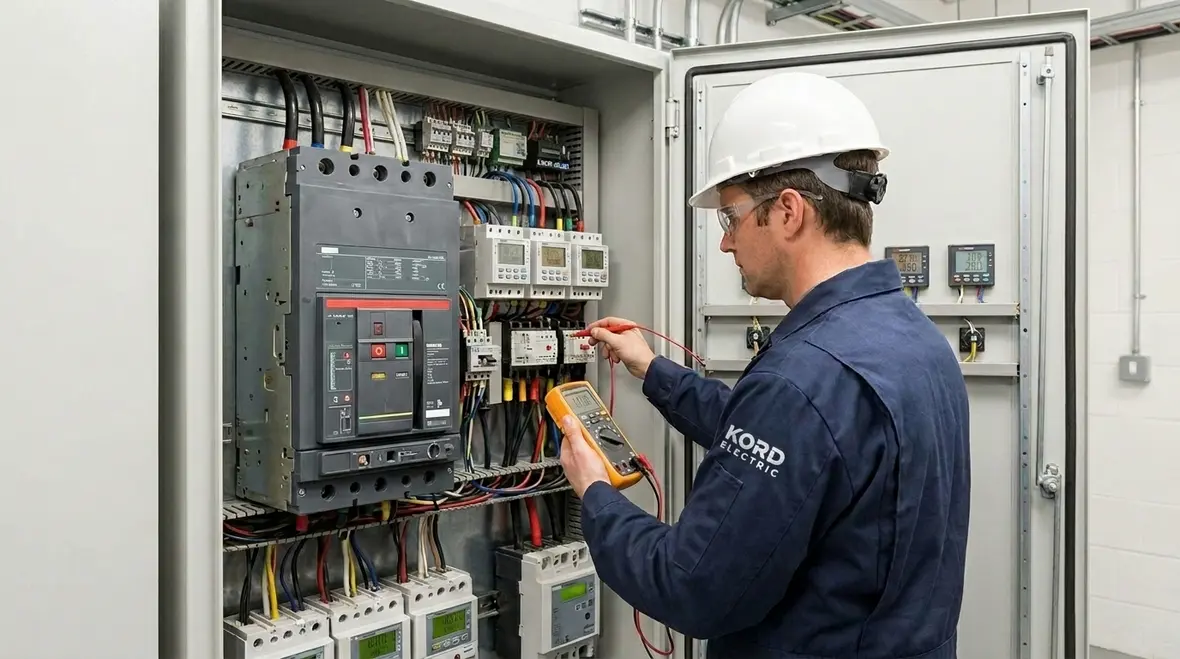
When a commercial or industrial facility grows, the electrical system often grows at the speed of “someone will handle it later.” Meanwhile, their panels quietly heat up, breakers age, and the building starts acting like it is running on decaf. That is why commercial electrical load balancing matters. At Kord Electric, we focus on keeping power draw even across phases, so equipment runs closer to design limits and performance stays stable as your loads expand.
In the first phases of growth, load balancing may feel optional. Then utility bills rise, nuisance trips appear, and maintenance requests pile up like unread emails. Yet, the right approach can prevent many of those headaches before they turn into a fire drill. Our technicians explain what they find, why it matters, and how we set the system up to support scaling businesses.

2) What load imbalance looks like in real commercial and industrial buildings
Third person or not, the symptoms are usually the same story: the facility keeps running, but the electrical system works harder than it should. Load imbalance happens when one phase carries more current than the others. As a result, panels, bus bars, transformers, and connected equipment can run hotter, even if the total load seems “fine” on paper.
Typically, facility teams notice these signs after operational changes. For example, new equipment gets installed, production schedules shift, or additional tenants bring new loads. Then, one phase carries more of the demand while the other phases lag behind. Consequently, you can see uneven thermal readings, higher voltage drop on one side, and recurring breaker trips that seem to happen at inconvenient times, like when a contractor is on-site but not answering calls.
At Kord Electric, our expert service staff looks beyond the obvious. We track demand patterns, check phase currents, and review how the building feeds critical circuits. We also compare findings to what the one line diagram shows, because diagrams rarely lie, but people sometimes do. And when they do, we correct the plan.

3) How we assess load, phase demand, and growth plans without guesswork
Scaling businesses need more than a quick fix, because shifting loads today can break something tomorrow. So we start by understanding what the building actually does, not what the paperwork says it does. During a site review, our technicians document panel and feeder data, identify the main sources of unbalance, and map critical loads to their electrical paths.
Next, we analyze operating schedules. After all, load patterns are not static. A warehouse may peak during shipping windows. A manufacturing facility may spike during start up cycles. A multi use property can swing based on tenant activity. Once we see those patterns, we can plan balancing moves that fit your real operations.
Then comes the practical part. We review where circuits land, how loads move across floors and systems, and whether any equipment draws more power than assumed. From there, we build a balancing approach that supports growth. We avoid the “rearrange everything” trap and instead focus on the specific feeders and panels that cause the most imbalance.
To keep results durable, we also align our work with preventive maintenance practices. If the system is not maintained, even a well balanced setup will drift. That is why we connect load balancing to a routine like the preventive maintenance program we outline at Kord Electric. You can review our approach here: electrical preventive maintenance.
4) A practical strategy: rebalance circuits and protect the whole system
Commercial electrical load balancing is not just “move some breakers.” It is a structured process that improves performance across the building, and it must protect sensitive and life safety systems. Therefore, we follow a method that keeps critical loads stable, reduces thermal stress, and limits future drift.
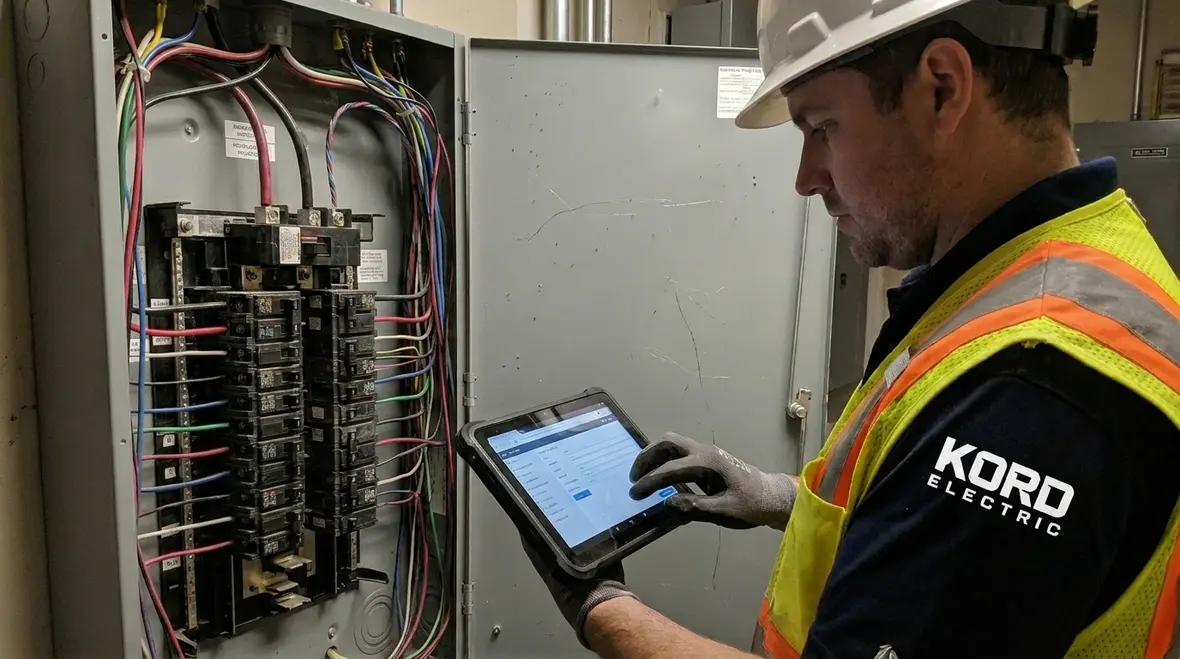
First, we identify which panels or sub panels carry uneven phase current. Then we locate the circuit breakers that can shift with minimal impact. After that, we reassign circuits so that each phase carries a more similar share of the load. We also confirm the downstream effects, including neutral loading, equipment ratings, and the behavior of motor and control circuits.
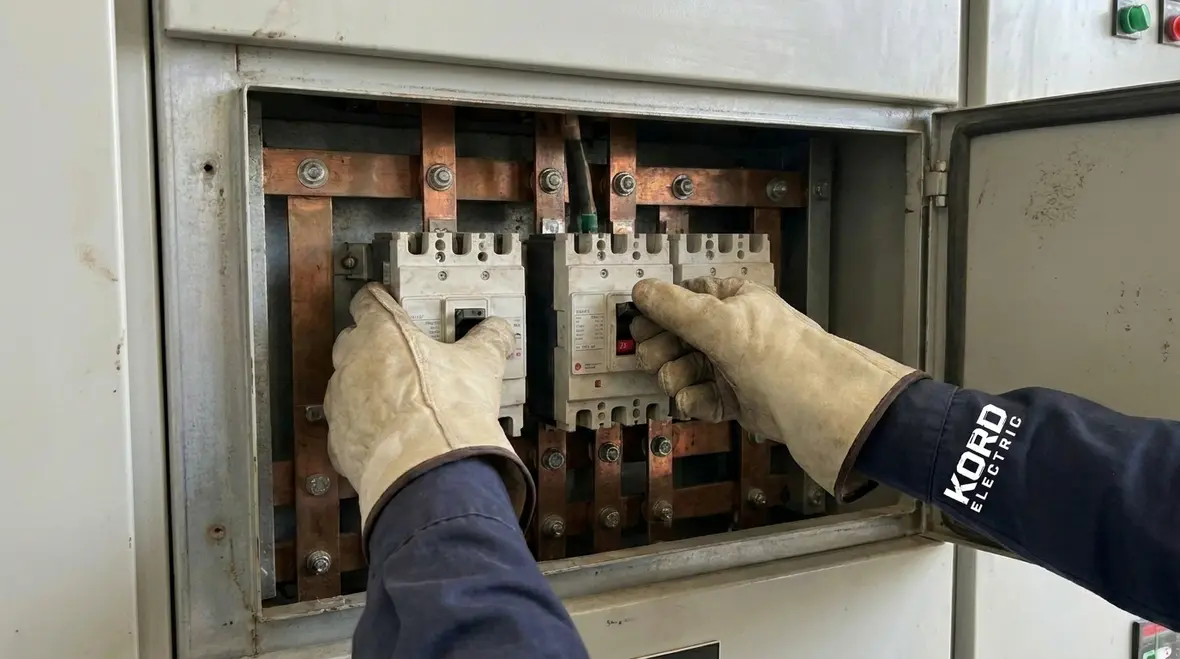
Second, we verify that balancing does not overload individual conductors or create new weak spots. In many facilities, the unbalance is not only about magnitude. It can also reflect wiring choices, aging equipment, or changes made during renovations. So we check terminations, inspect bus bar conditions, and look for signs of heat stress.
Third, we test after adjustments. We monitor phase currents, check voltage drop, and document what changed. This is where our technicians earn their pay, because “looks balanced” does not hold up under load. We keep it real, even if that means telling a project manager that their favorite shortcut will not survive a measurement test.
5) Prevent imbalance from returning: maintenance, monitoring, and clear reporting
Even the best commercial electrical load balancing plan will fade if the facility changes without electrical coordination. People add equipment. Tenants move around. Schedules shift. If the electrical system is treated like a background character, it eventually becomes a problem plot.
That is where preventive maintenance keeps the story from turning tragic. Our team ties balancing work to an ongoing electrical program that reduces surprises and catches issues early. When equipment runs with proper phase balance, it also experiences less stress, which can help extend the useful life of key components.
Our expert service staff provides clear reporting so facility leaders can act quickly. For example, we track trends in current draw, temperature indicators where available, and breaker or connection conditions. Then, when growth brings new load, your team can plan the next balancing step instead of reacting after an outage.
We also support change management. In other words, before new equipment gets installed, we help your team understand what electrical coordination should happen. That means fewer last minute calls and fewer “we did not think it would pull that much” moments. Yes, we have heard that phrase. Often. Frequently. Dramatically.
6) Designing for growth: future capacity, efficiency, and safer operations
Scaling businesses do not just need today’s electrical performance. They need capacity for tomorrow, and they need the system to stay stable through expansions and equipment upgrades. So we plan with headroom in mind, and we look at how load balancing fits into the broader electrical design.
We consider future projects such as HVAC additions, production lines, EV charging, upgraded lighting, and new process equipment. Then we look at how those loads likely distribute across phases. If the new equipment lands unevenly, the system can lose balance again quickly. Therefore, we aim to set the facility up so additions integrate cleanly.
When phase currents stay balanced, the system can operate more efficiently. You also reduce hot spots that can damage insulation and connections over time. In addition, better balance supports safer operations, because it reduces the chances of nuisance trips and uneven stress that can lead to failures.
In a major property building, this matters even more. Multiple tenant loads, varying schedules, and renovations can create a “moving target” electrical environment. Kord Electric focuses only on commercial and industrial facilities and major property buildings, so our process fits the realities of those environments.
For facilities planning broader upgrades across Los Angeles County, our dedicated commercial and industrial electrical services in Los Angeles County support everything from panel changes to complex distribution work, so balancing efforts stay aligned with long term infrastructure plans.
7) Should you balance now or wait for the next big upgrade?
Waiting can feel practical, especially when budgets get tight. Yet, for many facilities, the better choice is to address imbalance early, because electrical stress and performance loss happen continuously. Moreover, load balancing usually costs less than emergency troubleshooting, unplanned downtime, or repeated equipment replacements.
When imbalance reaches a certain level, it can drive early wear. It can also make the next upgrade harder, because the starting condition becomes less predictable. Then the team spends time untangling phase issues before they can even connect new equipment. That is not just time wasted. It also adds risk to commissioning and inspections.
In many cases, we recommend a balancing assessment before major renovations, before new production cycles begin, and before major equipment upgrades. That allows the facility to enter the next growth phase with steadier power flow. And if the facility still plans a bigger electrical project later, the balancing work helps protect what exists today.
For organizations that want phase balance, power quality, and preventive care working together, pairing commercial electrical load balancing with a structured maintenance program—like the ones described in Kord Electric’s commercial and industrial electrical maintenance plans—helps keep systems stable instead of letting hidden issues build quietly in the background.
8) FAQ
Conclusion: Let us balance your power before growth turns into chaos
Scaling businesses deserve electrical systems that stay calm under pressure. When phases carry uneven load, equipment takes on extra stress, performance shifts, and maintenance problems show up at the worst times. Kord Electric helps commercial and industrial facilities stabilize power through commercial electrical load balancing, careful circuit planning, and verification after adjustments. If your building is adding equipment, expanding operations, or seeing recurring breaker issues, contact us. We will assess the current condition, explain the findings in plain language, and map next steps that fit your growth plan.
If your facility also needs structured support beyond a single project, we can align load balancing work with broader services such as preventive maintenance, emergency response, and targeted upgrades so your electrical system is ready for the next stage of growth, not just the next week of production.
For facilities that want a service partner familiar with complex commercial and industrial environments, Kord Electric’s dedicated emergency and maintenance offerings throughout Los Angeles County provide a clear path from “we keep reacting” to “our system is ready for what’s next.”


