
Commercial Electrical Load Balancing for New Equipment
Safely add new equipment without upsetting the whole building
At Kord Electric, we plan for growth. When a facility brings in new machinery, HVAC systems, EV chargers, or process equipment, we start by running commercial electrical load balancing for new equipment so the added demand lands where it should. That approach helps us prevent nuisance trips, overheated conductors, and the kind of downtime that makes vendors disappear like a cat in a quiet room.
We also treat the electrical system as a living network, not a static set of panels. So, as our expert service staff explains, we verify what the building already carries, what the new equipment will demand, and how power will flow after the upgrade. Then we integrate safely, step by step, and with the kind of documentation that keeps owners calm during inspections.
What risks show up when we integrate equipment wrong?
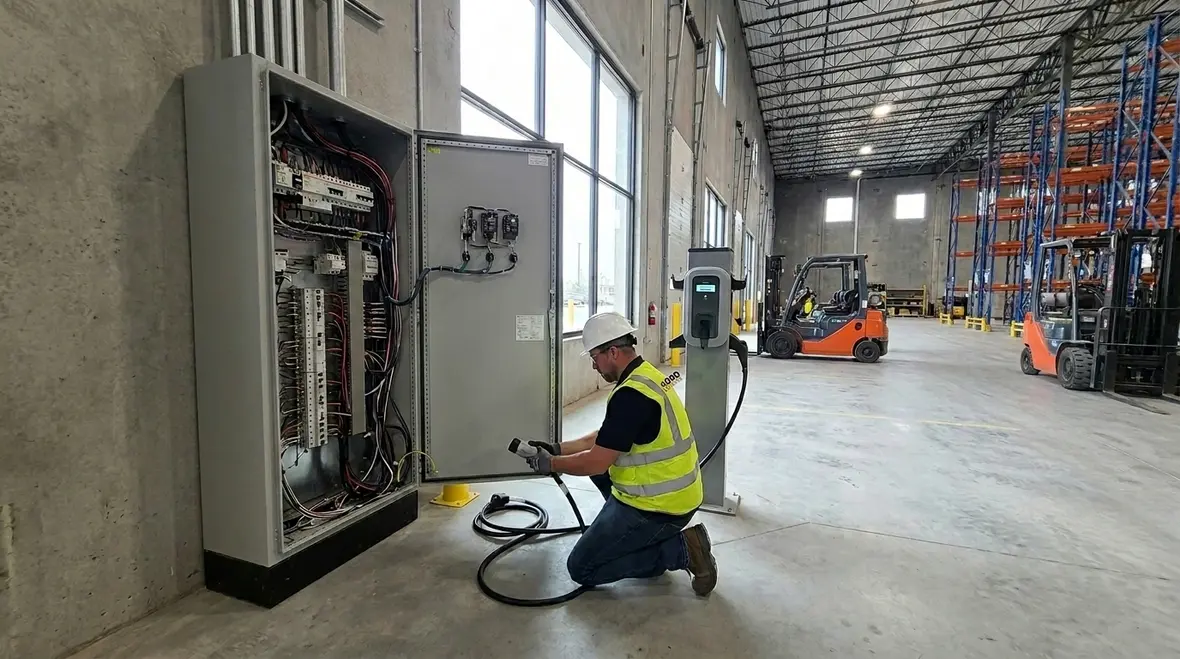
When others rush the installation, problems usually show up in predictable ways. First, the load can exceed breaker ratings or busbar capacity. Next, power quality can drift, which then affects drives, controls, and sensitive electronics. In addition, poorly designed grounding and bonding can create shock hazards or damage equipment during faults.
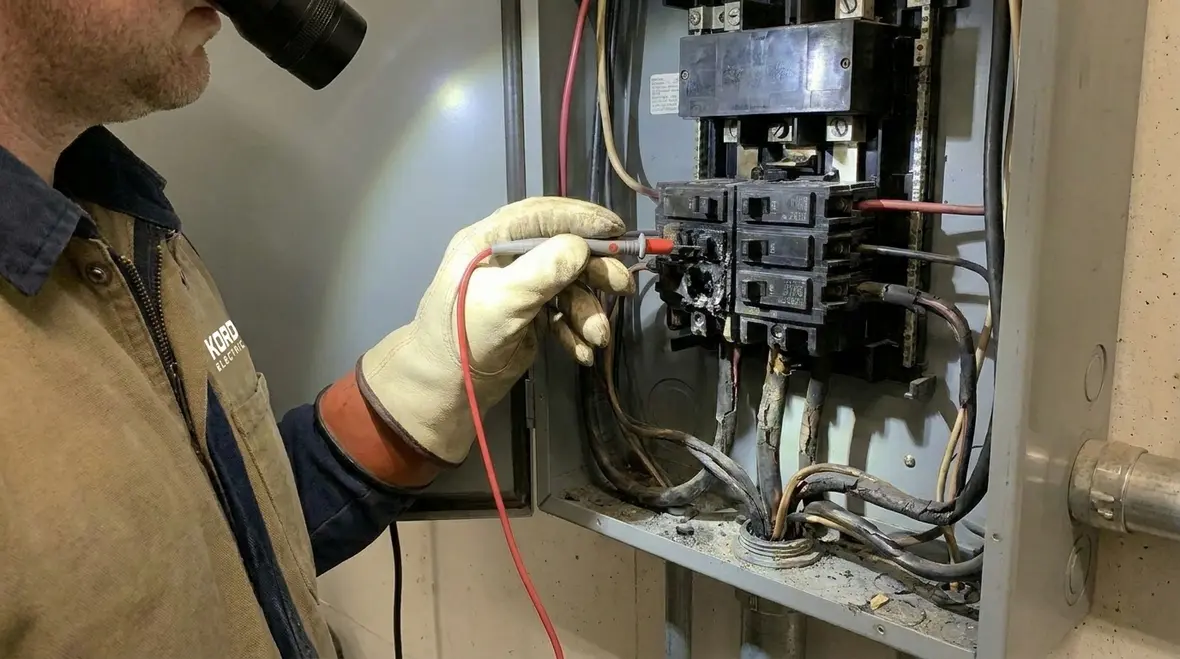
And because commercial and industrial sites tend to run continuously, minor issues can grow fast. For example, a slightly overloaded feeder might not trip right away, but heat builds quietly. Eventually, insulation ages faster, connections loosen, and the site pays for it later with a call to the emergency line.
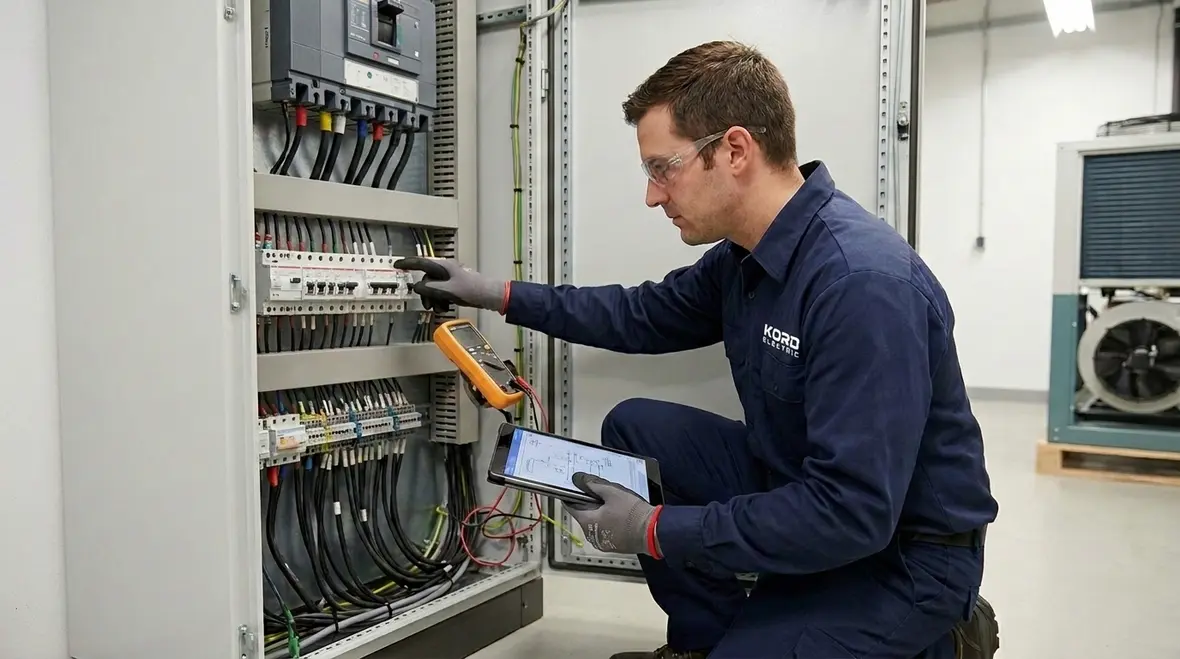
Our technicians work like investigators. They observe the current baseline, review nameplate data, and check the single line before anyone swaps a breaker. That way, we reduce surprises. Also, we do not guess. We test and verify.
Start with load data, not assumptions
In our process, we begin with the facts. We collect equipment submittals, motor starting data, and control power requirements. Then we compare those details to the building’s existing electrical model. If the equipment includes variable frequency drives or large starting loads, we factor in inrush and starting behavior, not just steady state amps.
Next, we confirm actual usage. We often use metering to capture real demand during operating conditions. This matters because tenant operations, shift patterns, and seasonal cycles change the load profile. Therefore, even two “similar” facilities may need different balancing approaches.
Finally, we plan for how power should move after the upgrade. We then map circuits, identify spare capacity, and verify that loads distribute across phases. That is where commercial electrical load balancing for new equipment becomes more than a phrase. It becomes a practical plan for safe, stable operation.

How do we verify capacity and protection before work starts?
Before we install anything, we confirm that the system can carry the new demand and still protect people and equipment. Our team checks panel schedules, feeder ampacity, conductor sizing, and bus rating. Then we evaluate protective devices. Breakers and fuses must coordinate properly so faults clear fast, without leaving equipment exposed or creating nuisance outages.
In addition, we review short circuit current ratings. A new circuit that seems “fine” at full load can still fail to meet fault duty requirements. Also, if the site adds power in the wrong place, it can overload upstream components. So, we run the math and validate it in the field.
Our technicians explain this part clearly. We translate electrical terms into what matters to facility teams: will the building run smoothly, and will it pass inspection. Then we build the integration plan around those answers, not around wishful thinking.
And yes, we document it. Because if something goes wrong, the building’s history should not read like a mystery novel with missing pages.

Phase balance, wiring details, and power quality controls
When new equipment lands on an unbalanced phase set, the consequences show up as heat, uneven wear, and shortened equipment life. Therefore, we distribute single phase and three phase loads to keep phase current close and steady. If the equipment includes three phase motors, we confirm proper phasing, tight tolerances, and correct landing points.
We also pay attention to wiring details. Correct torque on terminations, proper conductor routing, and verified insulation integrity help prevent high resistance connections. Next, we validate grounding and bonding continuity so fault currents clear as designed.
Then we address power quality. Drives, rectifiers, and other modern devices can introduce harmonics. These distortions may overheat transformers, stress neutral conductors, and reduce the efficiency of motors. As a result, we may recommend filters or circuit modifications so the facility stays stable, not “stable-ish.”
Throughout, our expert service staff stays involved. They explain what they measure, why each adjustment matters, and how it affects long term performance. That calm, deliberate pace reduces confusion for operations teams.
Commissioning and testing that do not skip the hard parts
Once the wiring and terminations are complete, we commission the upgrade. Commissioning means we verify performance under real conditions, not just at installation time. We check breaker tripping logic, monitor phase balance, and confirm that voltage remains within acceptable ranges during start and steady state.
We also run functional tests on controls. If the equipment uses automation systems, we confirm interlocks, emergency shutdown behavior, and fault reporting. Then we test protective coordination so the right device clears the fault at the right time.
Next, we verify load distribution after integration. At this stage, commercial electrical load balancing for new equipment continues to matter, because the building load is never a single snapshot. It changes through schedules and operating modes. So we confirm that the final circuit arrangement supports stable operation across typical runs.
Finally, we provide clear records. Our documentation helps building owners, maintenance teams, and electricians who come after us. Nobody should have to “guess” what was done. That is not a service, that is a gamble.
Plan the upgrade timeline to protect business operations
Commercial and industrial facilities often cannot shut down for long. So we build a practical timeline. We identify outage windows, sequence work to minimize downtime, and coordinate with operations and contractors on site.
Where possible, we plan tie-ins so energized systems remain stable. We also stage materials ahead of time, which prevents delays when the job site gets busy. Additionally, we set up safety measures and lockout procedures to protect workers during commissioning.
Our technicians coordinate with facility teams and explain the schedule in plain terms. If something might impact a production line, we say so early. Then we offer options. That keeps the project moving and reduces the “surprise downtime” that ruins a day faster than a pop quiz.
In other words, we treat your electrical system like a critical asset, because it is.
FAQ for adding equipment to commercial electrical systems
Conclusion: let us build a safe integration plan
If your commercial or industrial facility plans to add new equipment, we help you do it safely and on schedule. At Kord Electric, our technicians evaluate load data, verify capacity, and balance power so the upgrade supports smooth operations instead of surprise downtime. We also commission and test thoroughly, then document everything for your maintenance team. Call Kord Electric today to review your project and get a clear, safe plan for integrating your new equipment. For facilities considering broader system upgrades, you can also explore our related guide on rewiring cost for commercial electrical systems to see how load balancing fits into long term infrastructure planning.
When your project needs a fully coordinated approach across both electrical and life safety systems, our partners at Kord Electric Reliable Electrical Services within the Kord Fire Protection network help connect commercial electrical load balancing for new equipment with compliant fire protection, emergency power, and inspection-ready documentation.


