
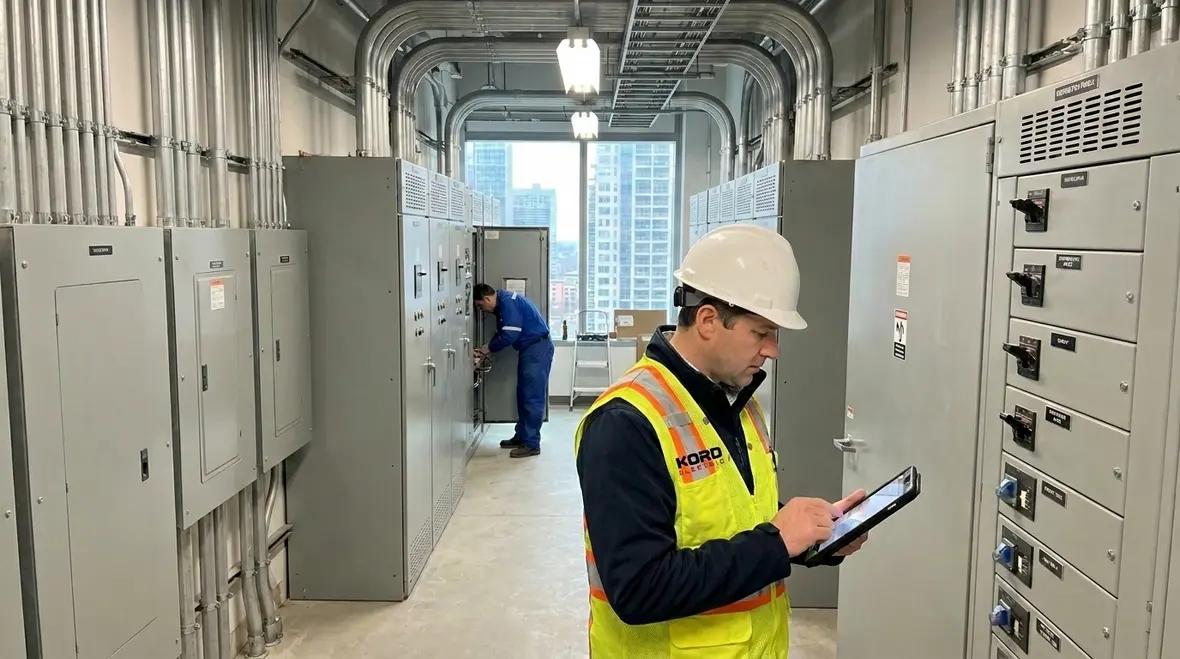
Tall Building Electrical Systems Manager Guide
Unique Electrical Challenges in Tall Building Systems: A Manager’s Guide
In our work with commercial and industrial facilities, tall buildings never feel “routine.” They feel like a living machine that never sleeps. When managers face power reliability, code compliance, and fast service response, Kord Electric supports them with electrician services for electrical systems in tall buildings from planning through ongoing maintenance. We design safe and practical solutions, and our technicians explain what they see on site in plain language, so teams can make decisions with confidence. And yes, we have heard the classic joke about electricity moving at the speed of light, but the service ticket somehow arrives slower than the last elevator. That is why we set up systems that stay stable under real-world conditions.
Because this guide speaks in a manager’s voice, it focuses on the unique electrical problems tall building operators face and how we handle them with steady process, clear reporting, and field-tested engineering judgment. Others can sell parts. We help you manage outcomes.
1) Start with the building load story, not just the panel schedule
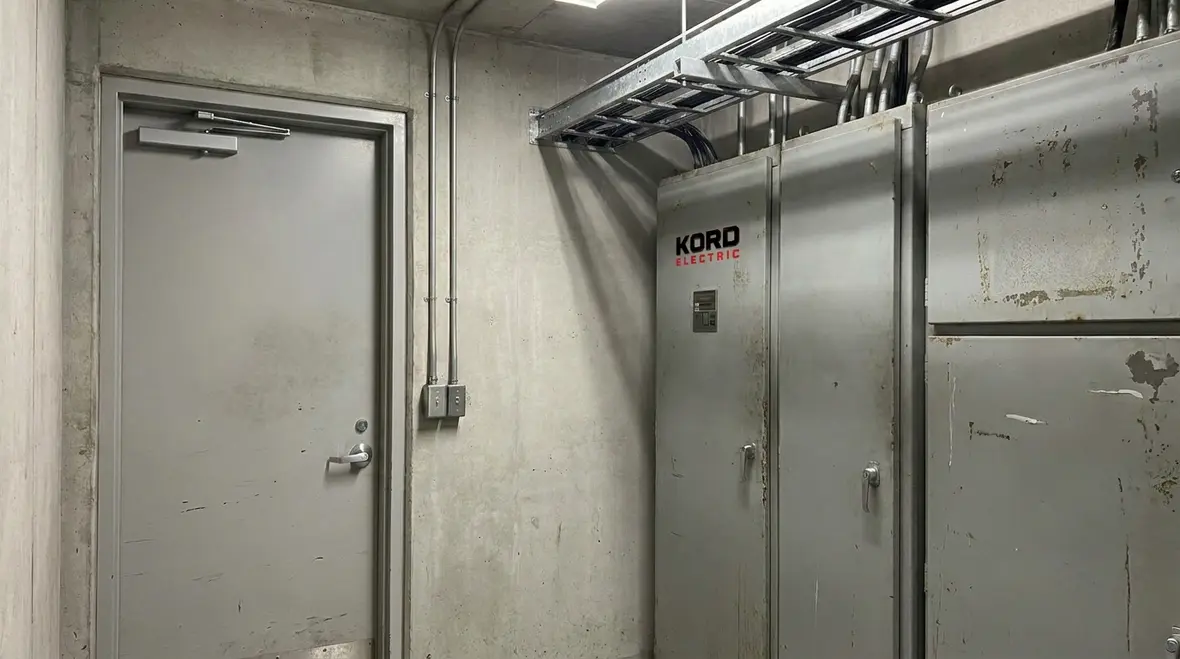
When our clients ask for electrical support, we start by mapping demand patterns, not by staring at a single one line diagram. In tall buildings, loads change by floor usage, time of day, tenant fit-outs, and HVAC cycles. As a result, a system that looked “fine” during acceptance testing can become stressed later. Therefore, managers should require load profiling for critical areas, including life safety systems, tenant power, and mechanical rooms.
We then verify coordination between incoming feeders, switchgear, UPS systems, and standby or emergency generation. Our technicians review voltage drop, thermal limits, and protective device settings so the building does not behave like a stressed orchestra where everyone plays, but nobody listens. When transition points fail, like a switch to emergency power, the effects show up as nuisance trips, degraded equipment life, or worse, delayed response.
To keep control, we recommend that managers ask for documentation that proves performance: as-built drawings, arc flash study updates, and protective device records after major tenants change their loads. At Kord Electric, we track these changes like a project manager tracks milestones, because the building will not forgive missed details. For managers who also oversee broader facilities, it can be helpful to pair this with structured programs like electrical preventive maintenance for commercial and industrial buildings so load stories and maintenance actions stay aligned over time.
2) How power quality issues sneak into tall building operations
Power quality problems rarely announce themselves with fireworks. Instead, they quietly damage drives, variable frequency equipment, and sensitive controls. In tall buildings, electrical noise and harmonic currents increase when tenants add modern gear, especially data centers, medical suites, high-efficiency pumps, and process equipment. Eventually, managers notice higher maintenance costs, more frequent fault events, and inconsistent comfort.
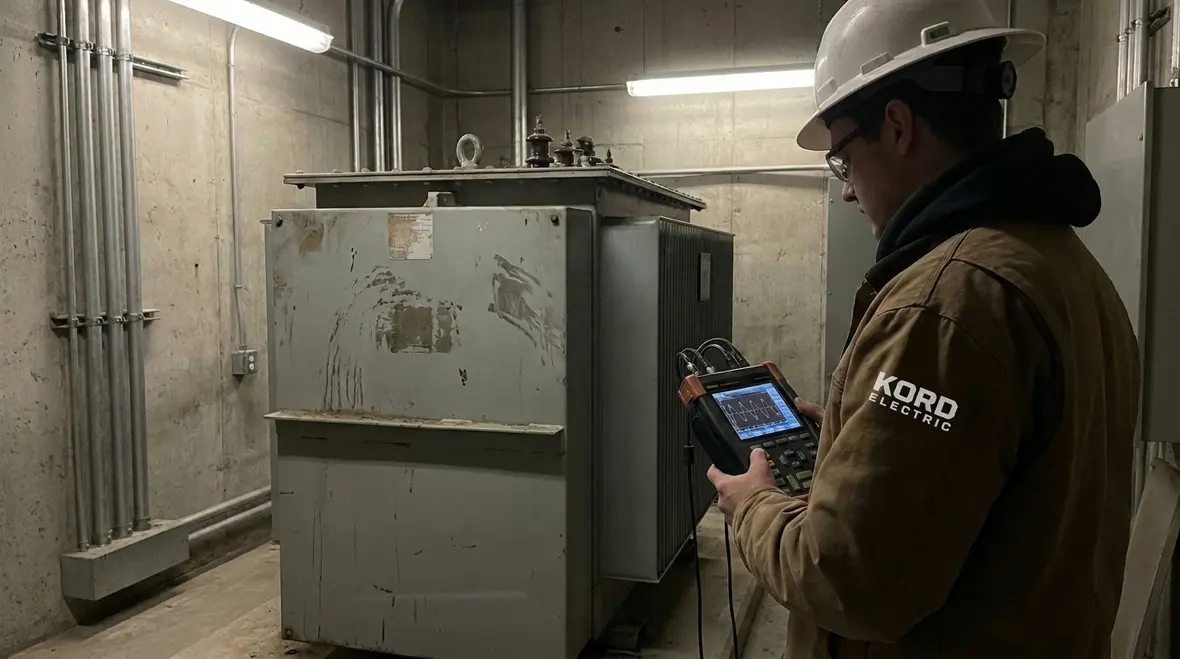
So we help teams handle power quality with a practical approach. First, we confirm system grounding and bonding paths. Next, we check transformer performance and distribution wiring quality. Then we measure harmonics and look at transient events around switching and generator start. If the building’s electrical system acts like it cannot decide, the equipment will pay the price.
Our expert service staff explains findings with simple cause and effect. For example, if we spot harmonic distortion from particular loads, we can propose filtering, adjust settings, or address upstream constraints. That way, we do not just “fix a symptom” and send the report into a folder that nobody opens. We aim for repeatable stability. In many cases, our diagnostic work around voltage fluctuations in commercial and industrial facilities becomes a useful reference for tall building managers trying to tie complaints back to specific power quality issues.
3) Life safety and emergency power: the manager’s checklist that actually works
Tall buildings rely on emergency power for life safety, smoke control, fire pumps where required, and critical communications. However, reliability depends on more than owning a generator. We have seen systems that pass tests on paper but struggle during real transfer because of sequence timing, maintenance gaps, or coordination errors.
Managers can reduce risk with a structured checklist that covers both hardware and operational behavior. Therefore, confirm that emergency power feeds are correctly labeled, transfer switches match the life safety strategy, and battery systems for control and annunciation receive proper load testing. Also confirm that smoke control and fire alarm power pathways remain separate where codes require separation.
We support managers by aligning electrical testing with the facility’s operational calendar. For instance, we schedule shutdowns during low occupancy hours and coordinate with fire alarm and mechanical teams. Meanwhile, our technicians document each step, including waveform or transfer observations where applicable, so the building’s emergency system behaves the same way every time. When unexpected failures do occur, our 24/7 emergency electrical services help tall building teams stabilize systems quickly and safely.
4) Vertical distribution: feeders, risers, and the hidden stress of height
In tall buildings, vertical runs drive many electrical headaches. Voltage drop increases with length, and thermal stress becomes harder to manage because enclosed risers trap heat. Even if a system fits code on day one, tenant improvements can push it beyond what the original design assumed. So managers should treat vertical distribution as a living system, not a one-time installation.
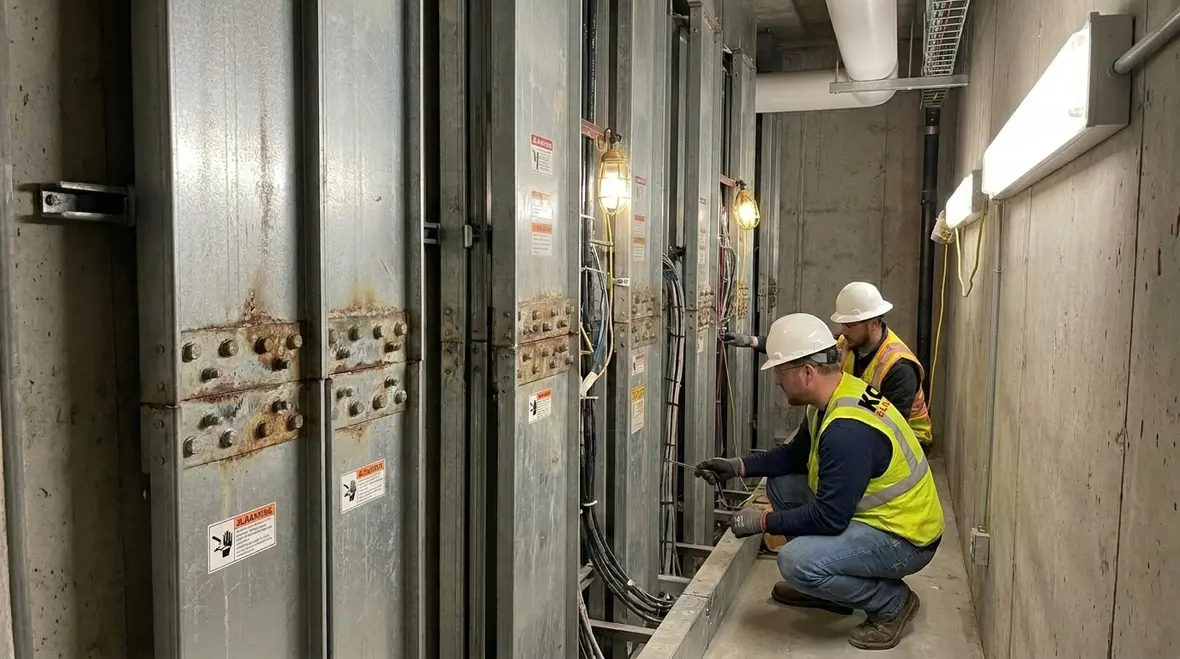
We review the routing of feeders and the condition of terminations in mechanical and electrical rooms. Loose or aging connections can turn a stable distribution system into a recurring maintenance event. Additionally, we inspect busway segments, panel interconnections, and switchgear compartments where corrosion or water intrusion can quietly accelerate failure.
Our expert service staff also focuses on accessibility. If access routes force long delays, maintenance becomes slow, which increases downtime risk. We help you plan for safe service access, labeling standards, and clearance requirements so the building staff does not have to play “guess the circuit” during an emergency. Nobody enjoys that game, especially when the timer is real. Coordinating this work with long-range electrical maintenance plans for commercial and industrial facilities keeps vertical systems from becoming an overlooked weak link.
5) Arc flash, compliance, and documentation that stands up in real life
Managers in commercial and industrial buildings need electrical compliance that survives audits and, more importantly, protects people. Arc flash risk can rise when modifications happen without updated studies or when protective device settings do not match installed conditions. In tall buildings, the complexity multiplies because changes appear across multiple floors and tenant spaces.
We help teams keep documentation current. That means confirming that arc flash hazard analysis stays updated after major equipment changes, that single line diagrams reflect reality, and that labeling supports safe work practices. We also assist with training readiness by providing clear procedures for lockout and verification.
Because compliance without usability becomes a paper exercise, we do not stop at the report. Our technicians walk teams through the practical meaning of the study results. In other words, we translate technical risk into day-to-day safety steps. If a procedure sounds like it belongs in a textbook, we rewrite it until it works in the field. When we review areas such as lighting, we align with current codes and practices similar to those outlined in our lighting installation code compliance guide, so tall building documentation stays both defensible and usable.
6) Maintenance strategy for tall building electrical systems that minimize downtime
Maintenance is where budgets can either be spent wisely or wasted loudly. In tall buildings, equipment runs hard because demand never fully rests. Therefore, we promote a maintenance approach that matches the building’s risk profile. Instead of rotating through “everything on a schedule,” we focus on critical systems first: switchgear components, UPS batteries and power modules, emergency transfer pathways, and key protective device assemblies.
We also support a layered plan: preventive work to reduce failures, predictive checks to catch issues early, and corrective response when faults occur. When our clients need to keep operations steady, we propose shutdown windows with realistic scopes and contingency steps. Then we coordinate with operations so power interruptions stay limited and planned.
Our expert service staff brings a calm, methodical mindset to each task. If a manager wants one promise from us, it is this: we will not rush the work just to feel busy. We will measure, document, and verify. If that sounds slow, remember the building is the thing that cannot be reset like a phone. It needs deliberate care. Pairing that mindset with structured electrical preventive maintenance helps tall buildings reduce surprises and protect uptime.
7) Coordination across tenants, contractors, and facility teams
Tall buildings often host multiple tenants, contractors, and specialty trades. As a result, electrical changes multiply across panels, risers, and load circuits. Managers must coordinate approvals, ensure permit compliance, and control how work impacts critical pathways. Otherwise, you can end up with a patchwork of modifications that strain distribution systems and create unexpected faults.
We help managers set up practical coordination rules: when circuit changes must be reviewed, how labels must update, who verifies isolation and grounding, and how tests confirm safe operation after installations. We also support commissioning and post-work verification so the building returns to a stable baseline.
When our technicians explain requirements to tenant teams, they keep it business casual and direct. We do not talk down to anyone, and we do not oversell. We simply align everyone on what the building needs and what electrical systems in tall buildings demand for safety and reliability. For complex upgrades that affect lighting or specialized spaces, we often reference prior work such as commercial electrical systems for modern buildings or commercial kitchen electrical upgrades and wiring so each stakeholder understands how their project fits into the bigger picture.
8) FAQ
Conclusion
If your tall building electrical system feels like it is “almost” reliable, you do not need another guess. You need a clear plan and field-tested support from a team that understands the real stress points. At Kord Electric, we help managers protect uptime, maintain code readiness, and reduce surprises through deliberate testing, documentation, and responsive service. If you want electrician services for electrical systems in tall buildings done with calm precision, contact us today to schedule an assessment and build a maintenance strategy your team can trust.
For managers looking to take the next step, exploring a dedicated service program such as our electrical preventive maintenance services for commercial and industrial facilities is often the most effective way to put this guide into action across every floor and system in your tall building.


