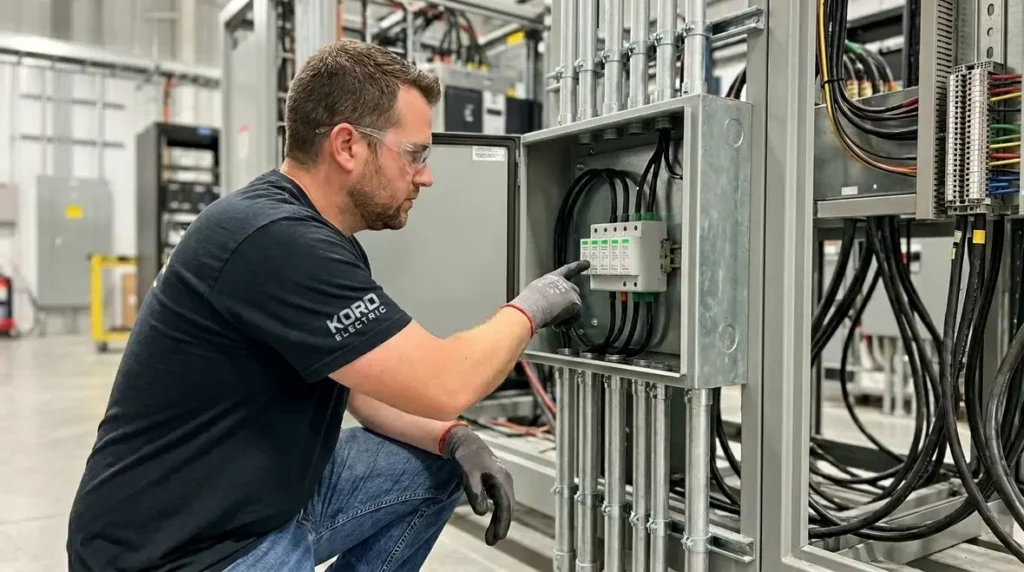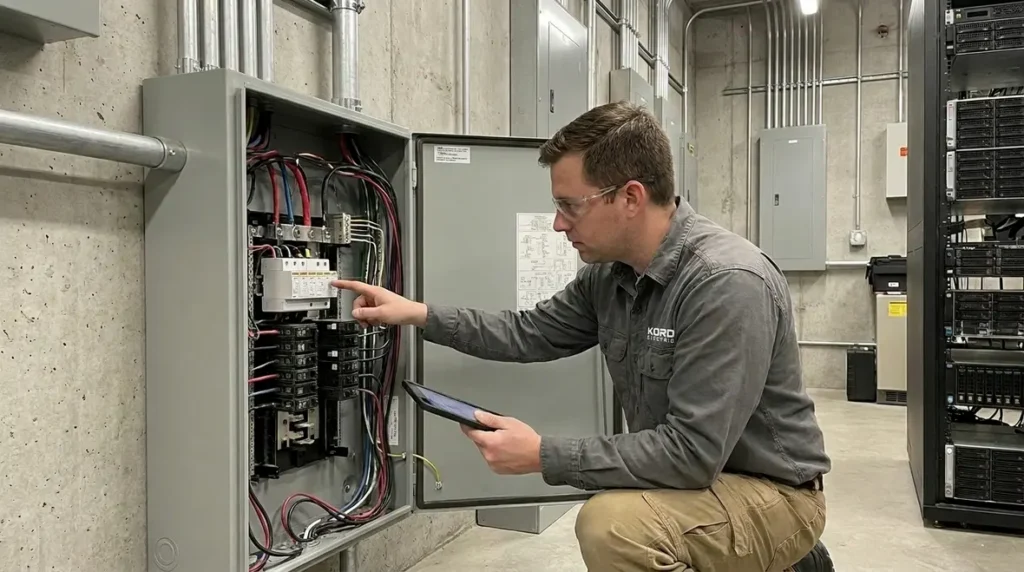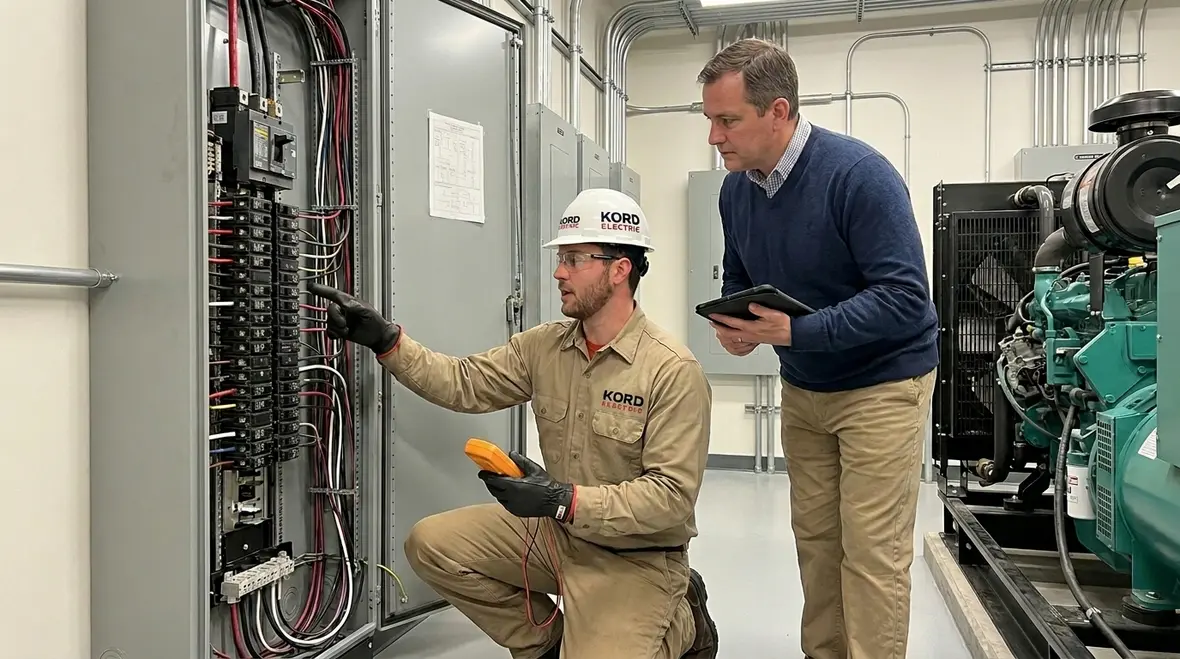
Emergency Electrical Planning for Critical Infrastructure
Kord Electric builds resiliency with emergency electrical planning that helps critical infrastructure facilities stay alive when the grid does not. We focus on how your site behaves during outages, not just how it looks on a one line diagram. In other words, we help others plan for the moment the lights go out and the clocks start ticking. As a company, we use hands on assessment, clear maintenance schedules, and tested transfer strategies so your essential loads keep running. Then, our technicians and expert service staff explain the “why” in plain language, so your team knows what was designed, what was tested, and what must be updated as the facility changes.
Why resiliency planning matters for commercial and industrial sites
Power failures rarely arrive politely. First, the outage happens, then alarms start, then operations ask questions like “How long can we run?” and “Which circuits are actually essential?” Meanwhile, the building managers discover that some panels are labeled in a way that feels like it was written during a power nap. At Kord Electric, we treat this as a technical and leadership problem, because emergency electrical planning is not a box to check. It is a living system that must match real operating needs.
We approach resiliency with a calm but firm mindset. Even so, it is easy to underestimate how quickly critical infrastructure facilities lose capability when critical systems shut down. Elevators stall, fire and life safety controls lose normal power, communications slow down, and certain processes require steady power for safe shutdown. Therefore, we plan so your site can ride through the outage and recover without chaos.
Critical loads first: mapping essential power needs that actually run
We start with the loads that keep the facility safe and functional. However, many organizations list “everything important” and call it a day. That is like labeling every grocery item as “breakable” and then acting surprised when someone drops the milk. Instead, we help others separate essential loads into tiers based on risk and mission. For example, life safety systems usually require one approach, process equipment requires another, and data or communications need yet another level of stability.
Our technicians and expert service staff walk your teams through practical mapping steps. First, we review equipment run profiles and start up behavior. Then, we confirm connected load types such as motors, variable speed drives, HVAC controls, and critical receptacle loads. After that, we build a clear plan for transfer timing, voltage stability, and generator or UPS interactions where those systems exist.
As a result, the facility does not just “have backup power.” It has backup power where it matters, for the right duration, with the right sequence so the site can keep operating under stress.
If your facility is planning broader system changes, coordinating this load mapping with structured programs like electrical preventive maintenance for commercial and industrial infrastructure helps keep those critical circuits reliable long after the one line diagram is printed.
How emergency power systems should transfer during outages
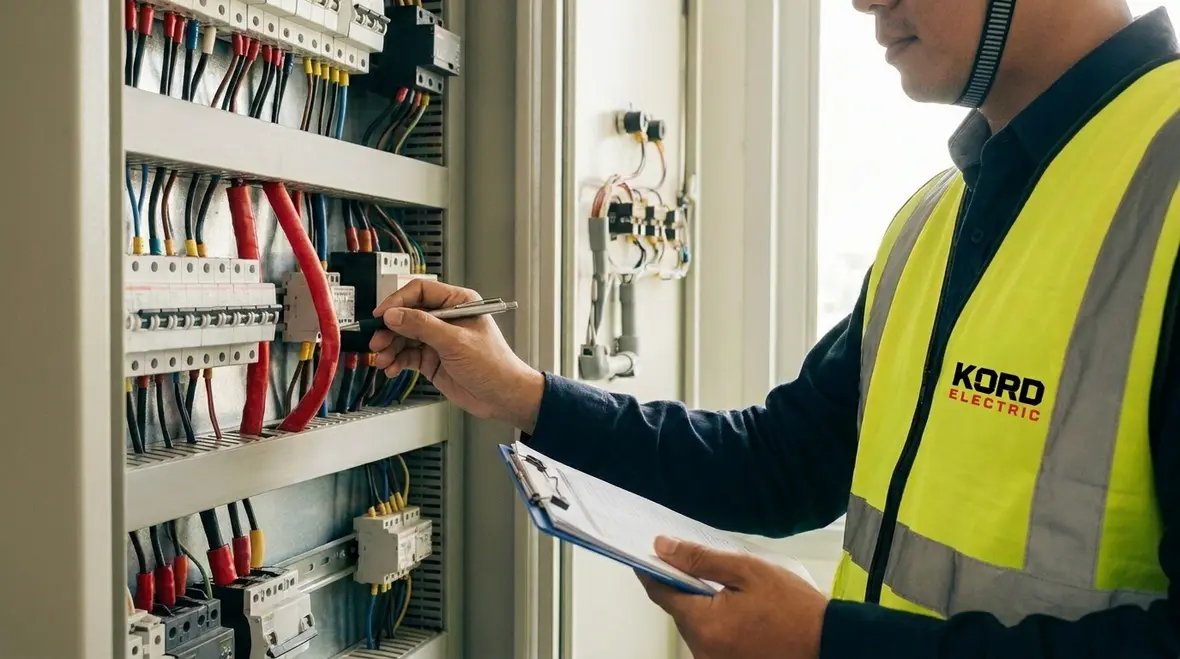
Transfer is where many plans fail in real life. People assume switching is automatic, then they learn it depends on controls, sensing, delays, breakers, and correct settings. So we design transfer behavior to match the facility’s needs and to avoid nuisance trips or dead time.
We examine your approach from multiple angles. For instance, we help others align automatic transfer switches, generator start logic, and UPS runtime expectations with the site’s operational goals. If your plan includes parallel sources, we check coordination so the system does not “fight itself” during switching. Also, we verify that critical infrastructure emergency electrical response planning includes failure modes, such as sensing issues, low fuel situations, blocked ventilation paths for generators, and control power losses.
Most importantly, we build a transfer sequence that protects equipment. Motors need inrush consideration. Controls need stable signals. Network devices need orderly power behavior. Therefore, transfer planning becomes part of reliability, not a footnote.
When voltage behavior becomes unpredictable or equipment starts complaining with nuisance trips, pairing transfer planning with services that directly address voltage fluctuations in commercial and industrial facilities can keep sensitive systems from riding a rollercoaster every time the grid twitches.
Testing, commissioning, and drills that expose weak spots early
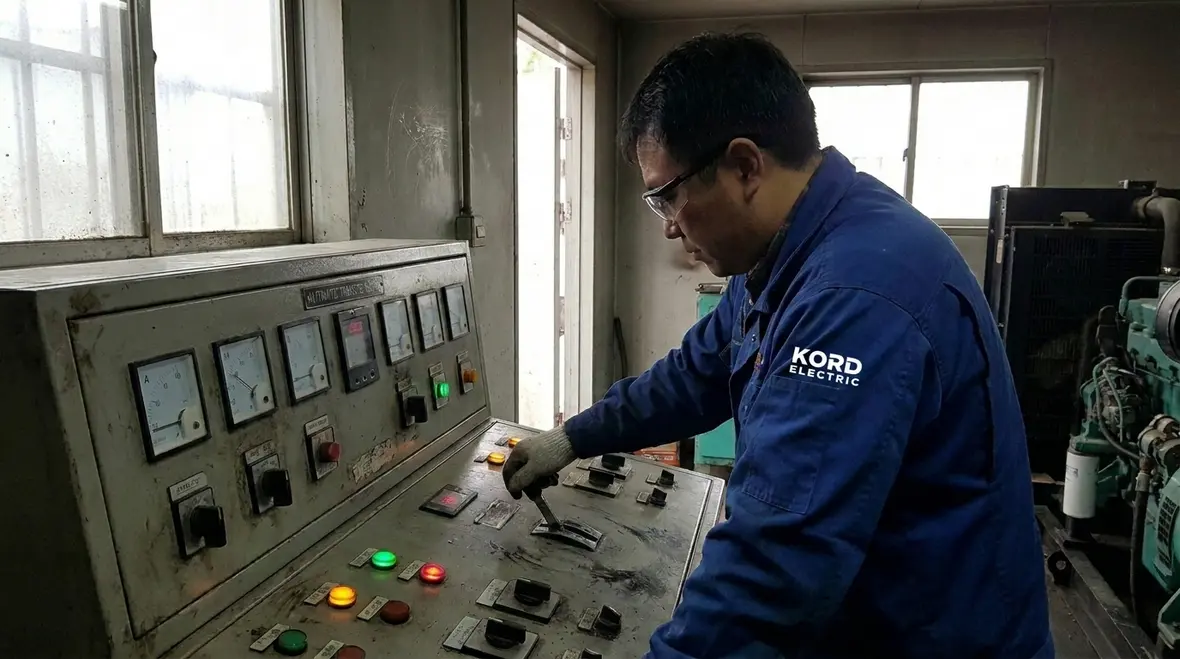
Planning without testing is just a well written story. We help commercial and industrial facilities move from “designed” to “proven.” Our technicians and expert service staff support commissioning and then stay engaged with maintenance and verification tasks so the system remains trustworthy over time.
To keep things practical, we focus on the tests that reveal real performance. For example, we verify transfer timing under load, confirm voltage and frequency behavior, and check that critical panels and ATS pathways deliver power in the required order. Next, we review functional tests for emergency lighting, exit signage, life safety interfaces, and any interface to fire alarm control panels where applicable.
Then we recommend drills, because humans run the site. When a facility rehearses the response, the team knows who calls, who monitors, and who documents. During drills, others can validate communication paths and confirm that operations can make decisions with accurate information. It sounds simple, but it is often the difference between “we think it will work” and “we know it will work.”
And yes, we like jokes, but we do not joke with life safety. Pop culture tells us heroes improvise under pressure, yet engineering prefers readiness. We bring readiness.
Fuel, ventilation, and controls: the boring details that save your shift
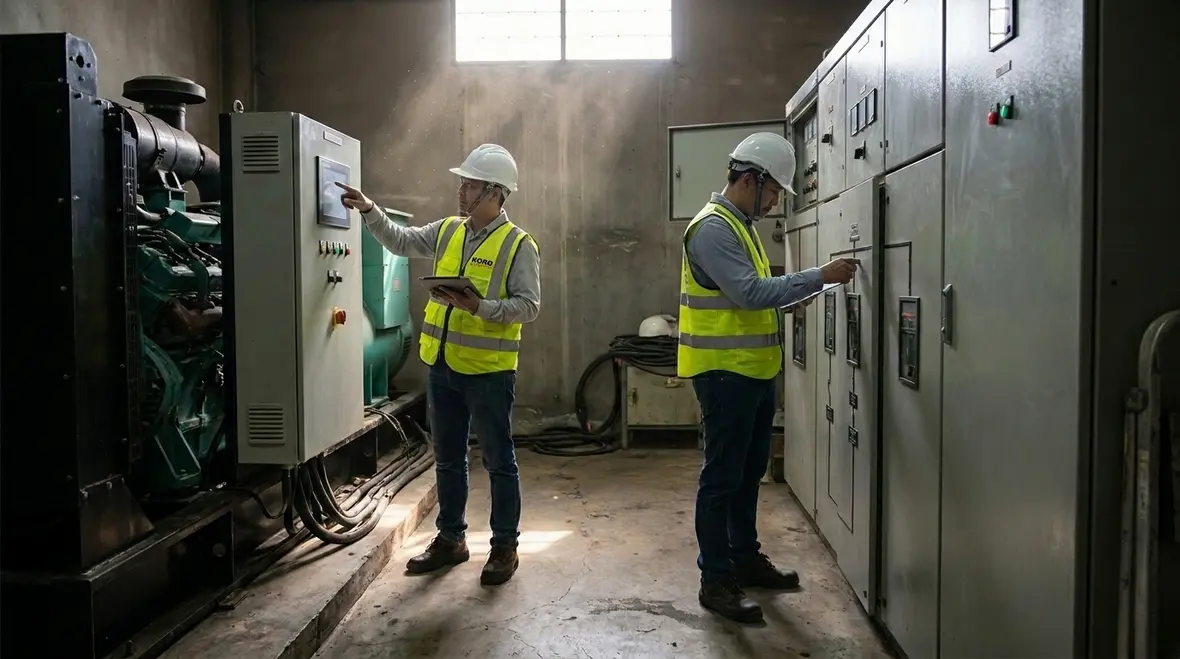
If you ever want to feel the weight of a power outage, imagine the generator fails because of something nobody thought about. That failure can be fuel quality, fuel transfer limitations, intake ventilation blockage, or a control setting that slowly drifted out of spec. So we address these “quiet” areas with the same care we give to electrical design.
We help others plan fuel strategy based on runtime needs and local conditions. Then we evaluate ventilation and exhaust paths for generator rooms so equipment operates safely when it needs to. Next, we review control power supplies and battery health when those systems support critical logic, including starting controls and monitoring signals.
We also examine protective coordination and control interlocks. In a real outage, unexpected trips can happen quickly. Therefore, we verify settings, inspect wiring integrity, and confirm that remote monitoring signals match the reality on site. Finally, we align the facility’s emergency procedures with the actual system sequence so operations does not chase ghosts during an event.
Building a documented response that teams can follow fast
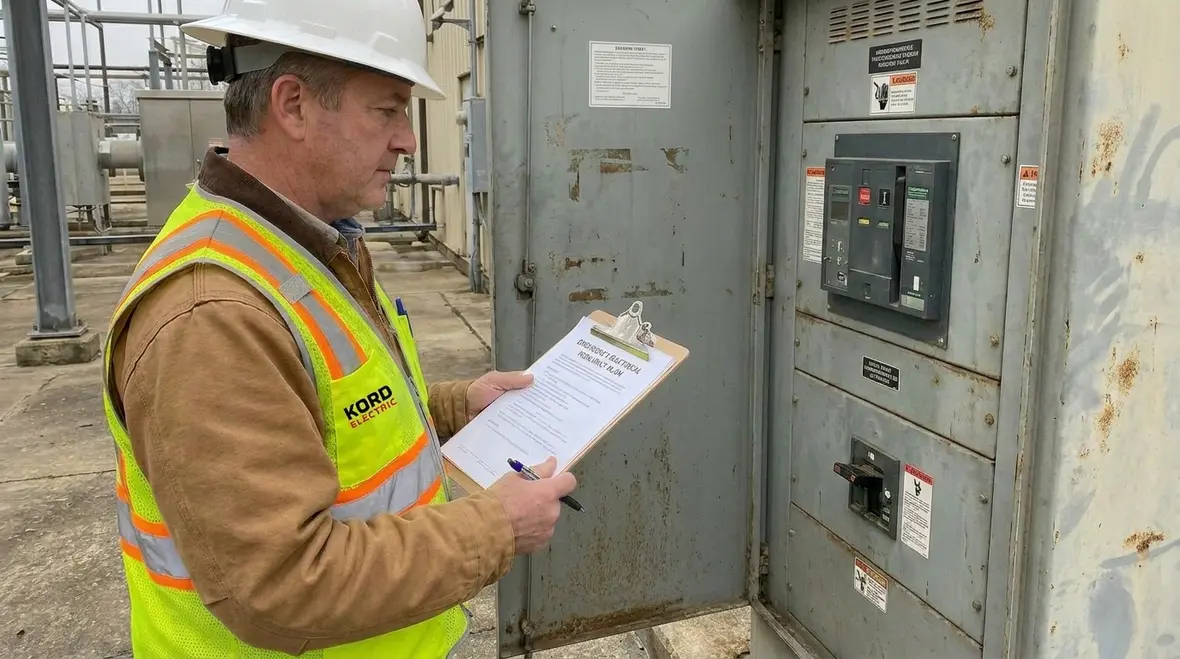
When an outage hits, documentation must be usable. It must guide decisions without forcing people to hunt through folders like they are searching for a missing streaming password. So we help others develop clear, structured procedures as part of critical infrastructure emergency electrical response planning. The document includes responsibilities, action steps, and escalation paths that reflect your organization.
Our expert service staff explains the plan in a way that teams can apply immediately. We recommend using role based checklists so operations, engineering, and safety teams each know what they must do. Then we include system status indicators, start up notes, and monitoring points, such as what to watch for during transfer and after stabilization.
Also, we incorporate change management. Facilities evolve, loads change, and equipment gets upgraded. Therefore, the plan must update when the building changes, not only when someone remembers during annual training. We help others keep that cadence so resiliency does not decay quietly.
How we support commercial owners before, during, and after an event
Resiliency is not a single service. It is a lifecycle approach. At Kord Electric, we support commercial and industrial facilities with assessment, design support, installation coordination, commissioning, and ongoing service. Our technicians show up, verify the work, and explain what matters, not just what was done.
Before an event, we help others reduce surprises through targeted verification and maintenance practices. During an event, we help teams interpret system behavior and keep critical systems running safely. After the event, we refine the plan based on what the site actually experienced. We review alarms, switching performance, generator behavior, and any control issues so improvements become part of the next cycle.
So, if you are building resiliency for critical infrastructure facilities, we treat electrical readiness like business readiness. It supports operations, protects safety, and reduces downtime risk. In short, it keeps the facility from becoming the main character in a disaster movie it did not want to star in.
Many commercial owners also pair this planning effort with ongoing commercial and industrial electrical maintenance plans, so the same team that helped build the strategy also helps keep it current as equipment and operations evolve.
FAQ
Get resiliency right with Kord Electric
If your commercial or industrial facility depends on reliable power, you do not want a plan that only looks good during office hours. We help you strengthen critical infrastructure emergency electrical response planning with load mapping, transfer strategy, testing support, and documented procedures your teams can follow under pressure. Contact Kord Electric to schedule an assessment and build a resiliency roadmap that fits how your facility really runs. Then, we keep it reliable with verification and expert service.
For sites that already struggle with outages or unstable systems, connecting this planning work directly with Kord Electric’s dedicated emergency electrical services in Los Angeles gives your team a 24/7 partner that understands the design, the risks, and the roadmap before the next call comes in.