
Commercial Electrical Load Balancing Guide
Commercial electrical load balancing in large commercial facilities: how we keep power steady
In large commercial facilities, commercial electrical load balancing is not a luxury. It is how we prevent hot spots, reduce nuisance alarms, and keep critical equipment running when schedules get busy and demands spike. At Kord Electric, we have our experienced service technicians explain the full picture in plain language, because nobody should have to learn power distribution from a late night troubleshooting call.
And yes, load issues can feel like a sitcom plot. One panel gets all the attention, the other panels sit there politely, and then suddenly everything “mysteriously” trips during peak operations. We make sure that never becomes your normal.
Why load imbalance turns into a real operational problem
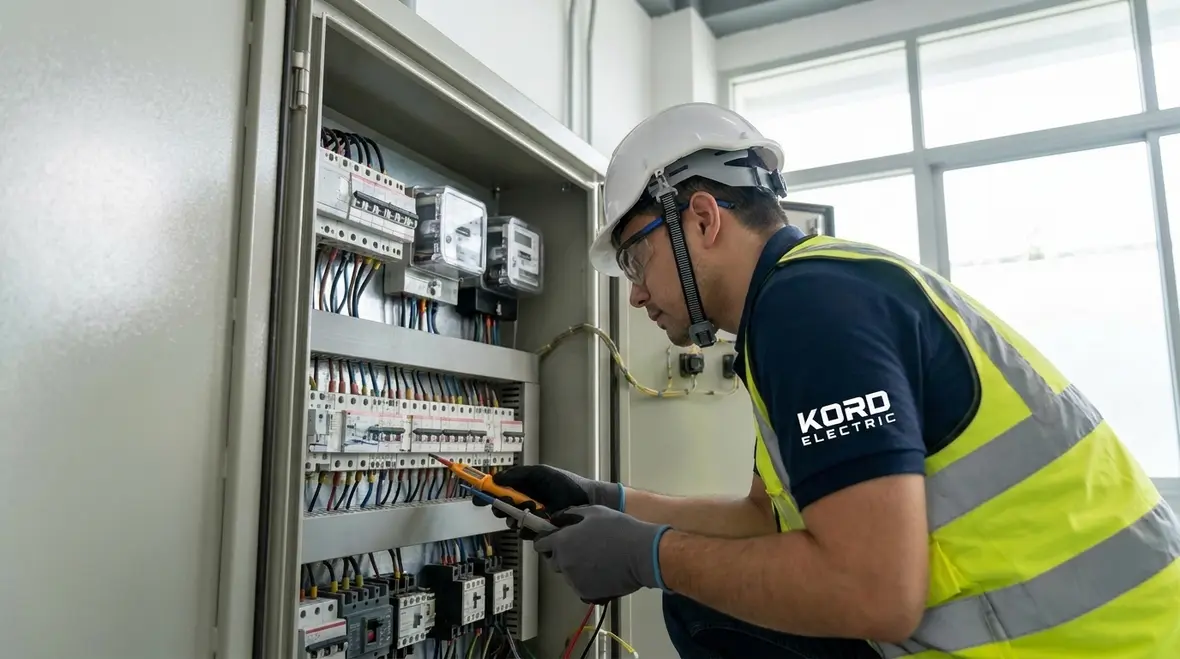
When electrical loads do not share evenly across feeders, breakers, and phases, the effects show up fast. First, the most stressed phase heats up more than the rest. Next, that heat accelerates insulation aging and increases the risk of breaker wear. After that, sensitive loads such as HVAC controls, building automation, elevators, and process systems may see voltage dips or waveform distortion.
At this point, facility teams start chasing symptoms instead of causes. Therefore, our approach focuses on the root driver: phase and circuit imbalance caused by uneven equipment usage, panel design limitations, or changes in tenant operations. For example, one floor might run heavy kitchen loads or industrial printers while another floor runs mostly lighting and idle equipment. As occupancy patterns shift, the electrical system keeps getting older in dog years, even if the building looks brand new.

What we check first in the distribution system
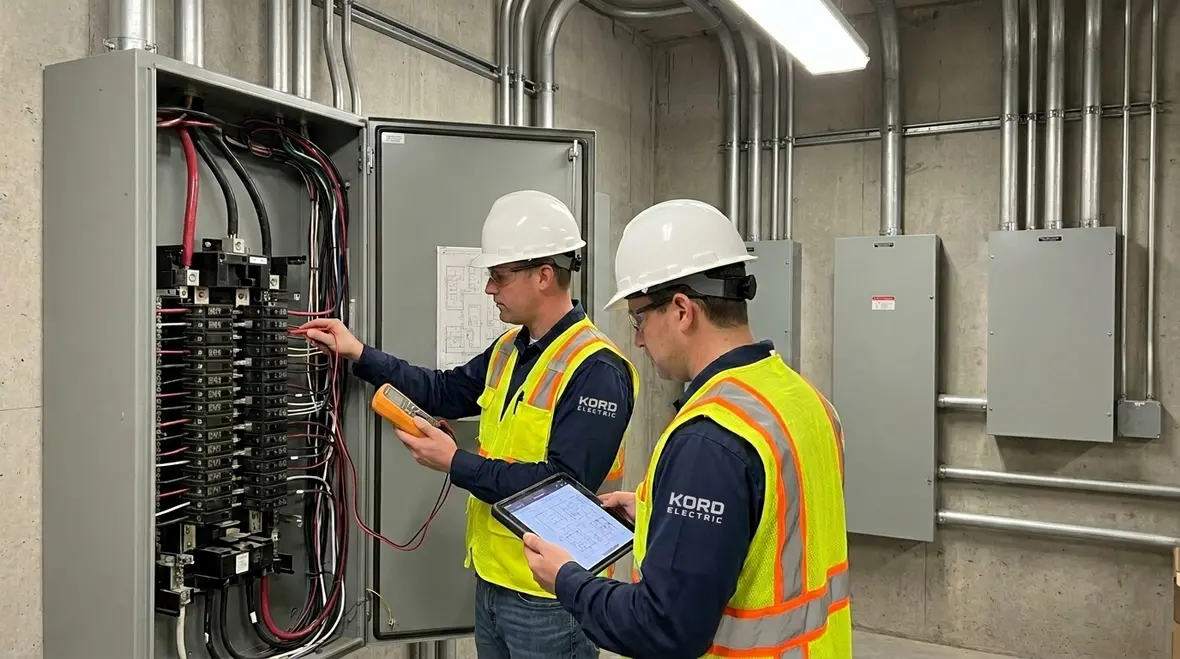
Before we adjust anything, we verify what the building is doing now. Our technicians and expert service staff follow a clear sequence so the work stays accurate and repeatable. We begin with panel schedules, one line diagrams, and any known modifications. Then we verify breaker assignments and confirm whether loads match the intended distribution plan.
Next, we measure current draw by phase and by feeder. We also inspect neutral loading, since imbalanced neutrals can drive overheating and erratic behavior. Then we evaluate harmonics where variable speed drives, UPS systems, or modern production gear can create distortion. Finally, we check grounding and bonding, because even perfect load math fails if the electrical reference is shaky.
To put it simply, we do not “guess” which panel is guilty. We confirm it with data. Then we plan changes that improve performance without causing downtime headaches for property managers.
How we design a practical load balancing plan
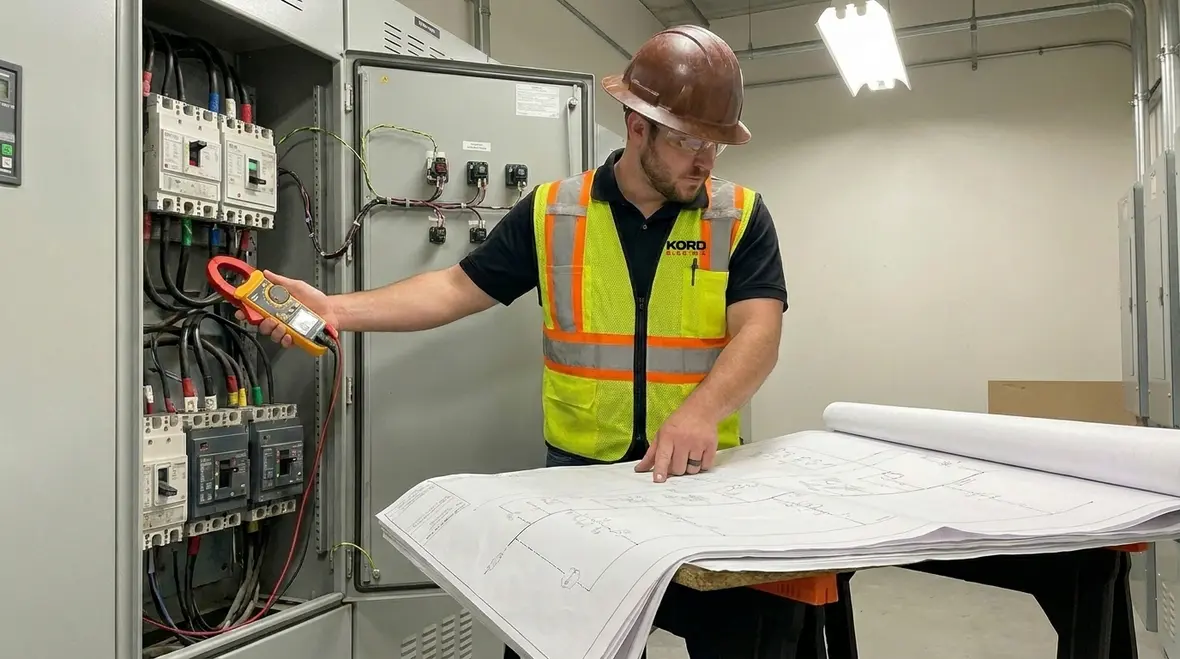
Once we understand the current state, we build a plan that works for how your facility actually operates. We do not treat load balancing like a one time math exercise. Instead, we treat it like a process that must survive real world use: shift changes, seasonal HVAC demands, and occasional equipment additions.
We start by identifying the dominant loads. After that, we group loads by type and duty cycle so we can distribute them in a way that reduces swings. For example, if one wing runs high demand during certain hours, we distribute similar timing across phases. Additionally, we consider starting currents for motors, compressors, and pumps so we avoid stacking multiple high inrush loads at the same moment.
Then we evaluate where the best redistribution can happen. Sometimes the fix is moving circuits between phases within the same panel. Other times it requires feeder reconfiguration or panel upgrades. We may also adjust control strategies for large systems, so load profiles stay smoother over the day.
Throughout the process, our service staff explains tradeoffs clearly. If a change reduces imbalance but requires a short outage window, we coordinate it. If an upgrade costs more now but reduces long term risk, we show the numbers. We work with commercial and industrial facilities and major property buildings, so our plan respects uptime, compliance, and the realities of multi tenant environments.
Tools and methods our technicians use to verify balance
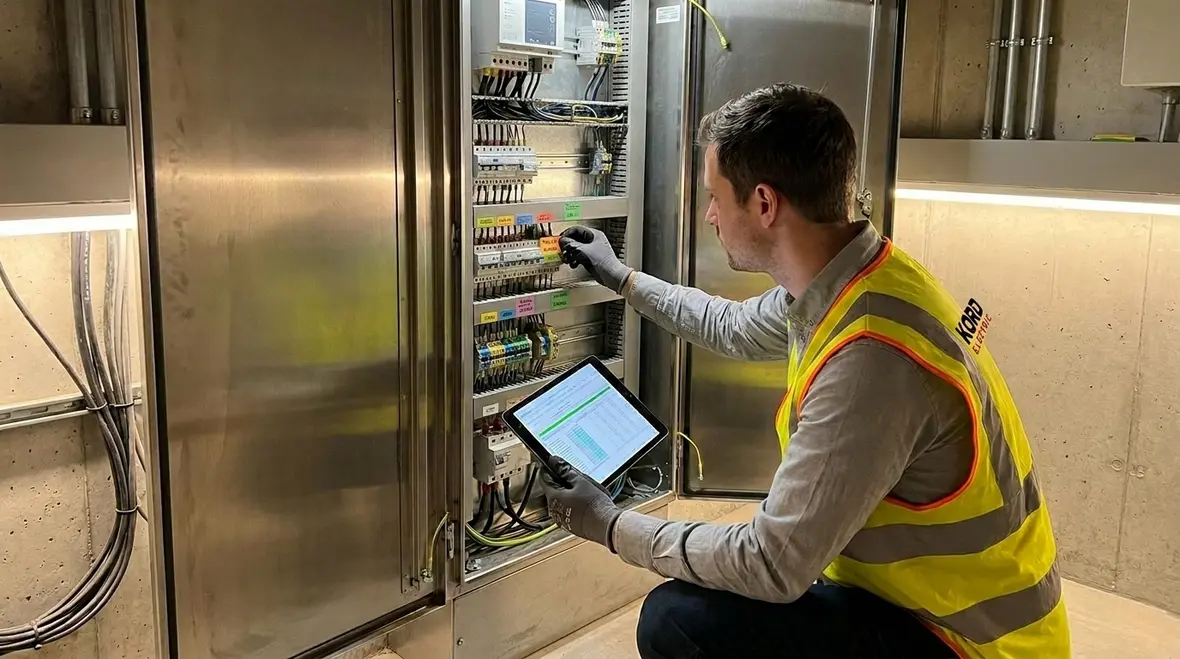
Verification matters. In our experience, the best load balancing effort still fails if nobody checks results. Therefore, our technicians use a mix of analysis and field measurements to confirm improvements.
We perform load surveys at key operating stages, not just at one quiet hour. So we capture demand during normal work, peak production periods, and transition times like morning startup. Then we compare phase current and neutral current before and after changes. We also track temperature indicators when applicable, because electrical balance shows up in both numbers and heat.
If your facility has UPS systems, standby generation, or mission critical areas, we include those in the verification. We also look at transient behavior. That means we consider how loads change when elevators cycle, when refrigeration compressors kick on, or when a bank of servers powers up.
And because real buildings love to “surprise” people, we build a validation schedule. We recheck after a short stabilization window, since some adjustments behave differently after equipment routines settle in. Think of it like breaking in a new pair of shoes. It feels right on day one, then a week later you realize comfort changes.
Common load balancing obstacles in modern commercial buildings
Even a strong electrical team can run into obstacles. First, older panel labeling and outdated documentation cause delays. A contractor might not know what a breaker truly feeds, and others only discover it after a circuit trip. Second, facility growth creates “borrowed” circuits and improvised connections. Third, tenant fit outs add equipment with new schedules, sometimes without full electrical review.
Then there is the tricky part: harmonics. Many modern loads, including variable speed drives and LED lighting drivers, can create harmonic currents that complicate balancing. In those cases, simple phase switching helps, but it might not solve distortion. We address that by evaluating power quality and recommending changes where needed.
Finally, there is the human side. Facilities teams want fast answers. However, electrical work needs careful planning and safe execution. We explain the “why” behind each step. Our technicians keep communication steady and professional, so stakeholders understand what changes and what will not change.
And if someone asks whether load balancing is just a fancy term for “moving wires,” we smile politely. We have heard that line before. The truth is, it is engineering, measurement, and disciplined coordination.
Data center and facility power planning: lessons we bring from infrastructure work
When we support major property buildings and industrial operations, we often see similar power planning themes as we do in data center electrical infrastructure. We referenced our guidance on data center electrical infrastructure essentials because the fundamentals carry over: distribution clarity, proper load representation, and safe integration of critical systems.
In large facilities, power systems also need room to breathe. Therefore, we help teams plan for expansion, avoid hidden bottlenecks, and maintain clean paths for critical loads. We also focus on redundancy where it matters, so a single issue does not cascade into wider downtime.
Additionally, we coordinate with building management on the timing of work. If your facility runs around the clock, we schedule adjustments in windows that reduce risk. We also prepare for the reality that your load profile will change. So we design load balancing to improve stability today and still perform during tomorrow’s growth.
In short, we bring a disciplined, infrastructure level mindset. It keeps your facility from becoming the electrical equivalent of a crowded group chat where nobody knows who has the responsibility.
FAQ: commercial electrical load balancing
Ready for steady power across your building?
If your commercial or industrial facility runs heavy schedules, multiple tenants, or critical systems, we can help you improve stability with disciplined commercial electrical load balancing and clear verification. At Kord Electric, our technicians and expert service staff measure what is happening now, then we plan practical changes that protect uptime. Contact us to schedule a power assessment and get a plan tailored to your panels, feeders, and real operating profile. Let us help your electrical system act like a pro, not like a mystery.
For facilities that want to pair commercial electrical load balancing with broader reliability improvements, our structured electrical preventive maintenance services help keep panels, feeders, and critical equipment in steady working order, so fewer surprises reach your operations teams.


