
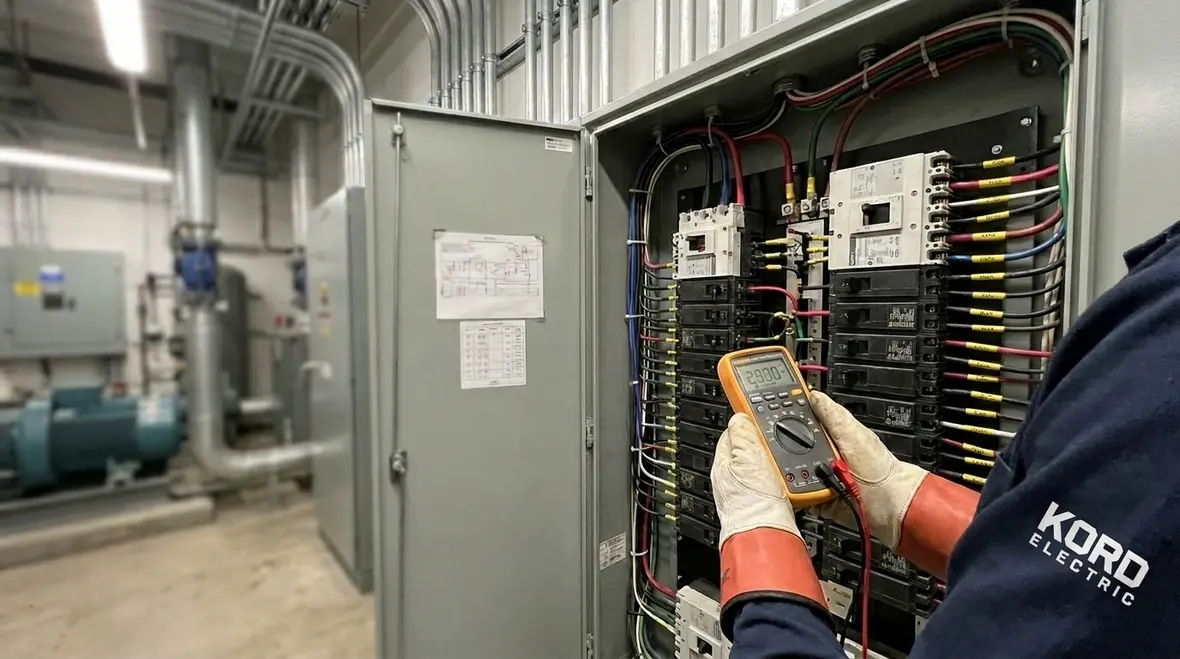
Commercial Electrical Load Balancing Guide
Introduction: Why commercial electrical load balancing matters to managers
At Kord Electric, we help managers optimize commercial electrical load balancing so a building can run smoothly, safely, and without surprise downtime. We see the real problem every day: electrical capacity sits in the panel, but usage shifts across floors, tenants, and shifts like a tide that never clocks out. When loads drift, one area can overheat while another stays underused. That mismatch can raise energy costs, stress breakers, and shorten equipment life.
In this guide, our technicians and expert service staff will explain how we analyze load patterns, correct imbalances, and build a plan that fits commercial and industrial facilities and major property buildings. And yes, we will keep it practical. Because nobody wants to “wing it” with power, unless they are auditioning for a sitcom where the punchline is smoke.
Step one: Audit the building’s load story, not just the panel
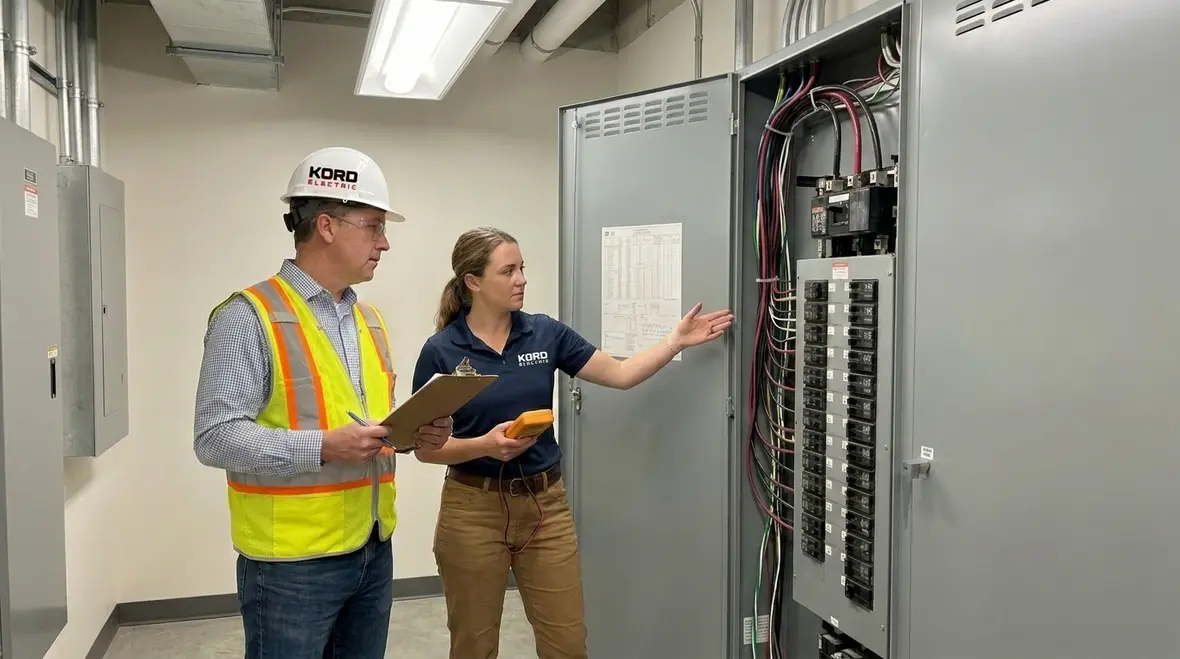
Managers often start with the panel schedule, and that is a good place to begin. However, we usually advise a broader look. We start by mapping how power flows through the main service, switchgear, transformers, and distribution boards. Then we compare that with how the facility actually behaves across time.
To do this well, our expert team typically gathers data on connected equipment and schedules, including HVAC, pumps, refrigeration, data loads, elevators, production lines, and kitchen or laundry systems. Next, we review historical utility demand charges when they exist, along with any documented incidents like nuisance tripping or thermal alarms.
Then we measure and verify. We use targeted load checks during representative operating windows, such as morning startup, peak afternoon operation, and late shift. As a result, our customers get a clear load story that shows where imbalance begins, how quickly it grows, and which circuits carry the heaviest share over time.
Balanced phases: What you need to control inside a facility
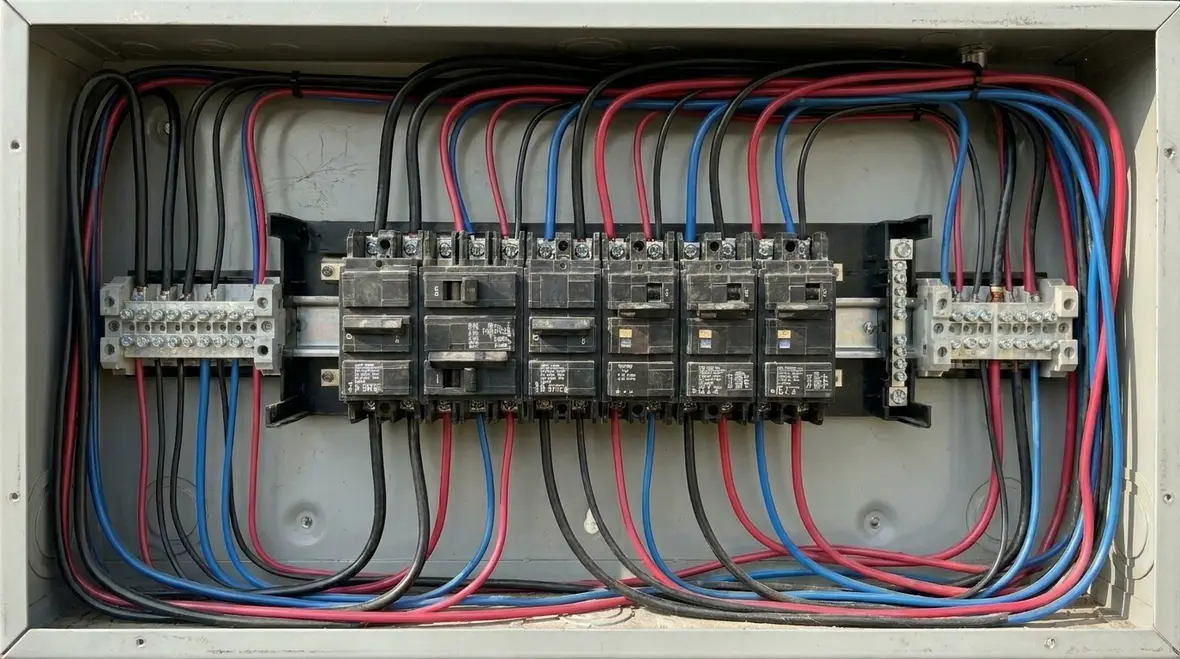
In most commercial and industrial systems, the goal is to keep phase currents as even as possible. When phase loads are uneven, current on the “hot” leg rises. That can lead to nuisance breaker events, transformer strain, and higher losses in conductors.
To keep phases balanced, we focus on three practical controls. First, we review and adjust circuit distribution so loads that start together land on different phases in a planned way. Second, we confirm wiring and labeling accuracy, because incorrect phase identification is a common culprit. Third, we verify that any panel reworks or tenant tie ins did not unintentionally add imbalance.
As our technicians explain on site, this is not just a math exercise. It impacts heat generation, tightening torque concerns, and long term insulation stress. In other words, it helps the system stay calm, instead of acting like a laptop running too many tabs.
Load balancing strategies for managers during remodels and tenant changes
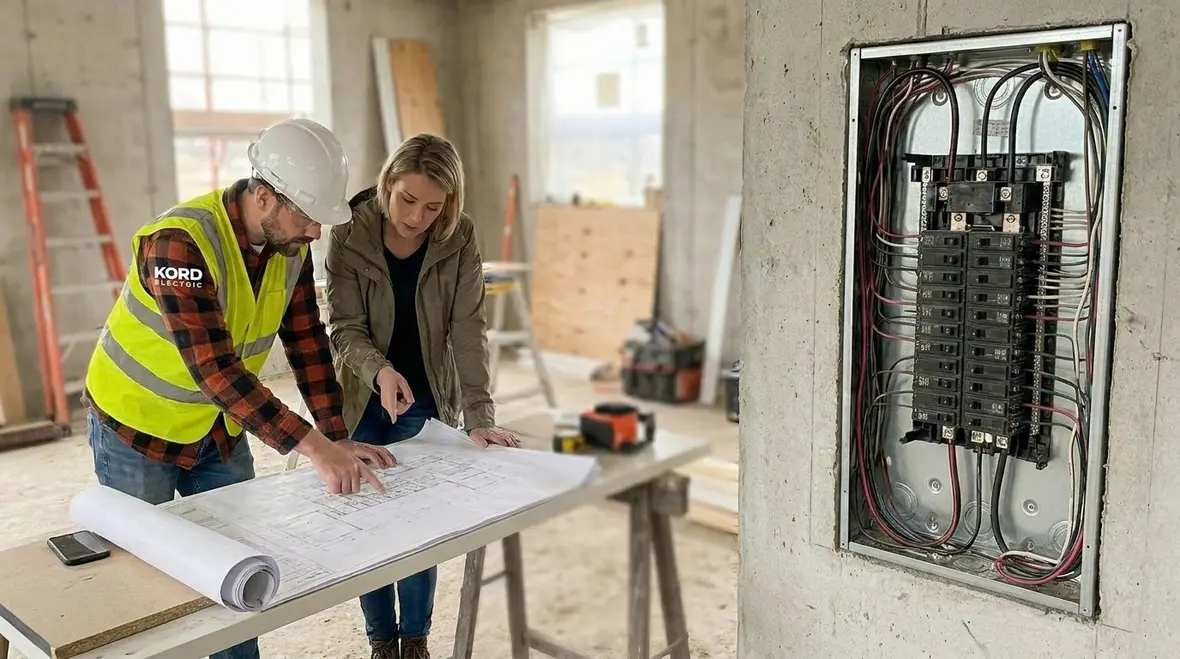
Commercial facilities rarely stay still. Remodels, new tenants, expansions, and equipment replacements can swing demand fast. So we recommend managers treat commercial electrical load balancing as an ongoing control, not a one time task.
When projects come in, we coordinate load impacts early. That means we evaluate proposed equipment and confirm the connected kW, starting methods like soft start or VFD, and the likely run profile. Then we plan circuit assignment so new loads do not stack onto an already stressed phase.
We also help teams manage the handoffs between electrical contractors, maintenance staff, and facilities operations. Because in real life, the “as built” story sometimes fades. To prevent surprises, our expert service staff documents panel modifications, confirms labeling, and verifies balance after installation and commissioning.
And if someone says, “We will just move a few circuits later,” we smile. Slowly. Then we schedule a load check right away, because “later” has a way of turning into “never,” and never is rarely covered by warranties.
For deeper context on how today’s infrastructure behaves as buildings modernize, many managers also explore how commercial electrical systems for modern buildings handle evolving tenant demands, automation, and compliance.
How we prevent overheating and nuisance tripping with panel level checks
Imbalance often shows up through symptoms before it shows up in spreadsheets. We see it in hot spots at terminations, odd breaker trip patterns, and unplanned thermal alarms. Therefore, our process includes both electrical verification and practical inspection.
We start with panel level verification. That includes checking phase current distribution, reviewing breaker ratings against actual load, and confirming that neutral and ground paths remain correct and safe. Next, we examine connection points and bus systems for signs of wear that can worsen when current rises on one phase.
Then we confirm behavior under operation. We run load tests in controlled windows and compare results to baseline data. If a circuit causes unexpected imbalance, our technicians trace it back, confirm metering accuracy, and adjust the circuit plan or reassign phases where permitted by the design.
Finally, we recommend manager friendly steps for ongoing control, such as periodic review of panel health and a simple change log for major equipment adds. That log matters, because when the building changes, the electrical plan should change with it, not fight it.
Using power quality and demand data to plan for growth
Once a facility reaches a stable baseline, the next challenge is growth. Managers need a plan that supports new tenants, new production equipment, or additional HVAC capacity. So we connect load balancing with power quality and demand monitoring.
Power quality checks help reveal issues that imbalance can hide, such as harmonic distortion from drives, improper connections, or recurring voltage dips. While load balancing focuses on phase and current distribution, power quality confirms the system remains within acceptable performance levels.
We also evaluate demand profiles tied to utility billing. For commercial and industrial facilities, the highest cost may come from peak demand windows. By understanding when those peaks occur, managers can align operations and schedule certain loads. Then, our team can recommend electrical adjustments that reduce the stress on the distribution system.
In practical terms, a facility becomes easier to manage when the electrical data and operational schedules agree. And yes, we know managers have a lot on their plates. So we present results in plain language and prioritize the actions that deliver the biggest reliability and cost impact.
Operational playbook: what facilities teams should do after balance is improved
After we implement adjustments, managers need a routine that protects the gains. Otherwise, imbalance returns as soon as someone adds equipment without updating the plan. To prevent that, we build an operational playbook that aligns electrical work with day to day decisions.
Our recommended routine usually includes three items. First, facilities teams maintain a change management workflow so every major equipment swap or tenant upgrade triggers an electrical review. Second, they schedule periodic checks, especially after HVAC season changes or after large production shifts. Third, they ensure labeling and documentation remain accurate so troubleshooting stays fast.
We also train staff on what to watch. For example, recurring tripping patterns, repeated thermal complaints, and sudden differences in load behavior can signal an imbalance trend. Our technicians and expert service staff walk teams through those signals, so response times improve.
And if someone on the team asks, “Do we really need this?” we answer with the calm confidence of people who have cleaned up enough electrical messes to know the cost of ignoring the basics. The goal is dependable power for commercial and industrial facilities and major property buildings, without drama.
To keep that playbook working long term, many facilities pair load management with structured commercial electrical services across Los Angeles County so inspections, testing, and upgrades stay on schedule instead of waiting for the next outage.
FAQ for commercial electrical load balancing in facilities
Conclusion: Let Kord Electric stabilize your electrical system
Managers want power that behaves, not power that surprises. When you optimize commercial electrical load balancing with the right audit, phase controls, and verification after each change, your building runs cooler, steadier, and with fewer interruptions. Kord Electric brings expert technicians, careful documentation, and practical plans designed for commercial and industrial facilities and major property buildings. If you want a clear baseline and a real improvement path, contact us today. We will review your system, explain the findings, and set the next steps with confidence.
If your facility needs more than balancing—such as targeted troubleshooting, emergency response, or long term capacity planning—our team can align commercial electrical load balancing with broader services like voltage stability repairs, preventive maintenance programs, and emergency electrical support so your system is prepared for both everyday demand and the unexpected.
Whether you manage a high rise, a manufacturing campus, or a complex multi tenant property, Kord Electric can help you turn electrical behavior from a wildcard into a dependable asset for your operations.


