

Commercial Electrical Load Balancing Services
At Kord Electric, we help owners and facilities teams improve commercial electrical load balancing so the building runs efficiently, reliably, and with fewer surprise outages. In plain terms, we spread power demand across phases and panels in a way that keeps equipment operating where it should. And when it is done right, the whole facility feels calmer. We also reduce overheating, lower the chance of nuisance trips, and avoid the “why is that one breaker acting dramatic” problem. Our technicians and expert service staff explain the process step by step, because nobody should have to guess how their power system works, especially when the lights are on and the tenants are watching.
What load imbalance looks like in real commercial buildings

When power demand lands unevenly, the electrical system starts carrying unnecessary stress. For example, one phase may run hotter because it feeds most of the lighting circuits, while another phase mainly serves small HVAC control loads. Over time, this imbalance can show up as hot panels, frequent breaker trips, flicker in certain areas, or higher energy use than expected. Additionally, uneven currents can push neutral conductors into uncomfortable territory, which creates heat at connections and can shorten equipment life.
Now, many teams assume the issue is simply “old wiring.” However, often the wiring is fine. The real cause is that loads change with tenant fit outs, equipment upgrades, seasonal schedules, and building automation updates. Therefore, load balancing is not a one and done project. It is an ongoing strategy that keeps up with the facility.
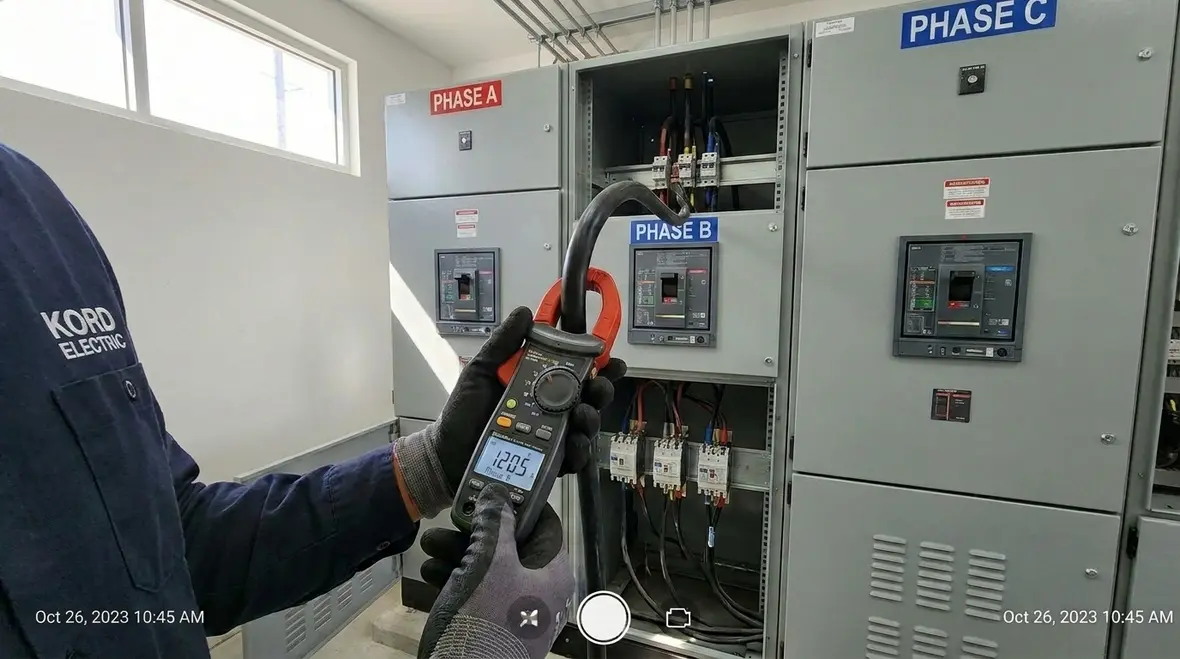
In our experience, the best way to detect imbalance is to measure real load, not guess. So, we review panel currents, identify which circuits contribute most to phase loading, and compare results to design expectations. Then we map findings to actual operating schedules. That is how we turn a vague problem into a clear plan.
Why commercial electrical load balancing boosts facility efficiency
Efficiency is not only about saving kilowatt hours. It is also about keeping the system efficient in how it works. When the phases carry similar current, transformers, switchgear, and bus bars operate closer to their intended conditions. As a result, we see fewer thermal stress issues and less wasted energy through resistive losses.
Furthermore, balanced loads can improve power quality. When loads are heavily concentrated on one phase, voltage drops and harmonic effects can become more noticeable in that area. Consequently, sensitive equipment may experience more variation, and maintenance calls multiply like they found a new set of batteries.
We also help facilities teams reduce operational friction. If you balance properly, you spend less time resetting breakers and troubleshooting “mystery” faults. Instead, others can focus on core operations. And yes, nobody wants to be the person who says, “Don’t worry, it’s probably nothing,” right before a critical system acts up.
How we assess load, circuits, and operating schedules
Before we move any cables or recommend any changes, our technicians follow a structured assessment. First, we gather as built information when it is available. Then we confirm what is actually installed and operating. Because commercial spaces evolve, we verify circuit purpose, load type, and whether the circuits match the documented schedule.
Next, we measure current distribution at key panels and switchboards. We then identify the major contributors to imbalance, such as large single phase receptacle circuits, uneven lighting groups, or motors that draw current unevenly during peak periods. After that, we compare findings to typical building schedules, like business hours, cleaning cycles, and HVAC staging. Therefore, the plan reflects how the building runs, not just how it looks on paper.
Finally, we communicate findings in clear language. Our expert service staff explains what each measurement means, what it implies for equipment health, and what actions reduce risk while supporting uptime. In fact, this is where many projects win or fail. If the facility team cannot understand the why, they cannot support the what.
Practical methods to balance phases without disrupting operations
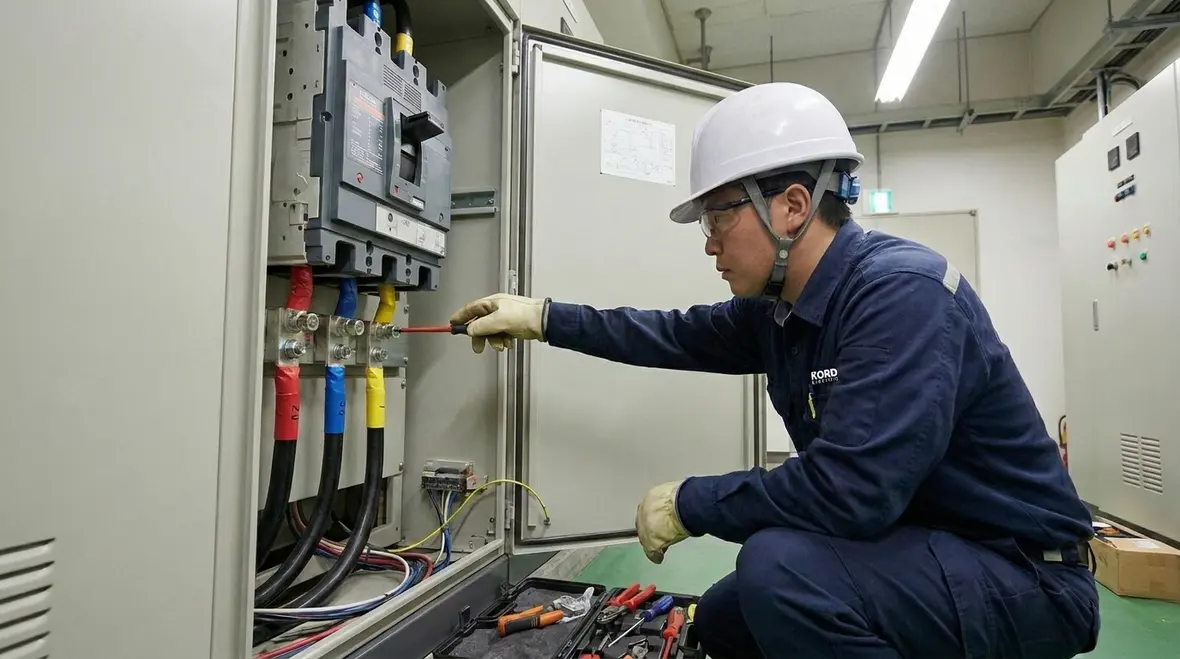
Balancing does not always mean one dramatic change. Often, it means careful adjustments that respect the realities of commercial and industrial facilities. We typically use a mix of methods, depending on the building design and criticality.
- Circuit phase rotation: We reassign suitable circuits to even out phase loads, especially where circuits can move without affecting function or safety requirements.
- Panel and feeder reconfiguration: In some cases, we adjust which feeder supplies which distribution paths to reduce uneven draw.
- Load scheduling adjustments: When electrical systems allow scheduling, we align control timing for HVAC stages, exhaust fans, and other cyclical loads so peaks do not stack on one phase.
- Distribution optimization during tenant changes: We coordinate with ongoing renovations so future fit outs do not recreate imbalance.
Additionally, we plan changes to reduce downtime. We coordinate with facility managers, confirm critical loads, and implement work in phases. As a result, the building keeps running while we improve the electrical balance. And if anyone asks, we remind them that “slow and steady” wins here. Electrons do not care about deadlines, but transformers do.
Managing motors, HVAC, and sensitive loads with smarter coordination
Commercial and industrial buildings rely on motors, drives, and automation. These loads behave differently than lighting and receptacles. So, we treat them with care during commercial electrical load balancing work. A motor system might swing current during start cycles, and VFDs can change the way current harmonics show up.
Therefore, we do not just chase equal numbers. We also check which loads create the most strain during startup and peak operations. For example, a facility might have one phase that carries both high start inrush and steady running loads during the same time window. In that case, balancing means coordinating start sequencing, verifying protective device settings, and ensuring the distribution design supports stable operation.
In HVAC-heavy facilities, we also evaluate how dampers, compressors, pumps, and fans stage across the day. When staging aligns across phases, the system runs smoother and maintenance flags drop. Moreover, by coordinating with controls teams, we can reduce sudden demand spikes that lead to voltage sag complaints.
Throughout the process, our technicians document what they change, why they changed it, and how the facility team can verify improvements. That documentation matters, especially when multiple contractors touch the building over the years.
Verification, documentation, and how we keep the balance steady over time
Balancing is not complete until we verify results. So, we remeasure and confirm that phase currents move into a healthier distribution range. We also review thermal indicators, breaker behavior, and power quality signals when available. Then we produce a clear report that facility managers can use for ongoing planning.
Next, we recommend a maintenance rhythm. Commercial facilities change constantly, and any new tenant work can pull loads back out of balance. Therefore, we suggest periodic checkups, especially after major upgrades or after new equipment gets added. Additionally, we can build a baseline for future comparison so teams can spot drift early.
We also educate the right people. Our expert service staff explains what types of circuit changes usually trigger imbalance, what to watch for, and how to communicate with electrical teams during renovations. That way, balance becomes part of how the building evolves, not a temporary fix.
Connected services that support long term reliability
Commercial electrical load balancing fits naturally alongside broader reliability work. When we assess how phases share load, we often uncover hidden risks that benefit from structured maintenance, targeted repairs, or upgrades. For example, if balancing reveals aged panels or stressed feeders, facility teams can pair load adjustments with electrical maintenance planning rather than waiting for a failure to choose the schedule.
Many of our clients combine balancing projects with larger initiatives, such as commercial rewiring, data center reliability planning, or solar integration for long term savings. For a deeper look at how electrical upgrades affect cost and uptime, owners and operators can explore Kord Electric resources like the Rewiring Cost Guide for Commercial Electrical Systems and our articles on hidden electrical risks in commercial buildings and commercial solar panel electrical integration. These topics connect directly to how well power is distributed, protected, and monitored over the life of the building.
Where facilities rely on 24/7 operations, such as data centers or logistics hubs, load balancing also supports power redundancy planning. Kord Electric’s work on data center electrical requirements and distribution design highlights how phase balance, protective device coordination, and redundancy planning all pull in the same direction: stable uptime when the workload and the stakes are high.
How load balancing fits into county-wide electrical service planning
For property portfolios spread across multiple sites in Los Angeles County, commercial electrical load balancing becomes part of a larger service picture. Instead of treating each imbalance as a one-off repair, we help owners and facility teams look at patterns: which buildings show frequent breaker trips, where panels run consistently warm, and how tenant mix changes power demand over time.
By aligning balancing projects with broader Los Angeles County electrical services for commercial facilities, organizations gain a roadmap that covers multiple locations. This approach helps standardize documentation, simplify maintenance planning, and reduce the odds that one outlier building quietly drifts into risky territory while others stay current. It also makes budgeting more predictable, because improvements can be phased by risk and operational impact instead of forced by emergency events.
FAQ
Ready for a calmer, more efficient electrical system?
If your facility shows heat in panels, inconsistent power behavior, or recurring maintenance headaches, we can help. At Kord Electric, our technicians and expert service staff evaluate real load patterns, then implement practical phase and distribution improvements designed for commercial and industrial environments. We verify results with measurements, document the changes, and set a plan so the balance stays steady as your building evolves. Reach out to schedule an assessment and bring your system back to a smoother rhythm.


