Commercial Smart Lighting Automation ROI Guide
At Kord Electric, we help commercial buildings earn better returns with commercial smart lighting automation that reduces waste while keeping people comfortable and productive. We design systems that dim lights when spaces are empty, coordinate schedules, and use sensors that respond to real-world activity, not guesswork. And yes, the lights will still turn on reliably when it matters, unlike that one coworker who “totally remembers” the meeting time. Our approach is simple: we align lighting control with energy use, tenant needs, and building goals, so owners and facilities teams can see measurable ROI. Then, our technicians and expert service staff explain what we install, why it works, and how to keep it running smoothly.
Why commercial smart lighting automation pays back faster in real buildings
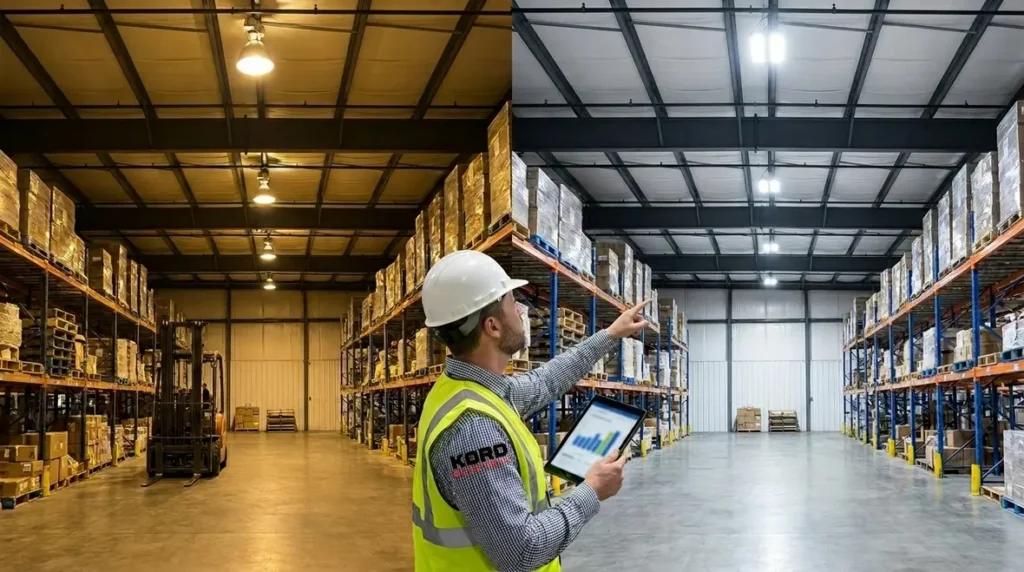
In commercial and industrial facilities, lighting often runs long hours, across many zones, and under shifting occupancy patterns. As a result, manual controls and one size fits all schedules usually leave money on the table. With smart controls, we track usage and adjust output automatically. Consequently, the building stops wasting energy on empty areas and overlit rooms.
More importantly, ROI does not only come from lowering kilowatt hours. It also comes from reducing lamp and fixture wear through smarter dimming and shorter run time at full intensity. When lights only deliver peak brightness when needed, you stretch maintenance intervals and reduce downtime. Meanwhile, tenants and workers benefit from consistent lighting levels that match the activity in each space.
Our team builds these systems with zoning, controls logic, and commissioning that respects how a facility actually operates. That is the difference between “installed” and “working.”
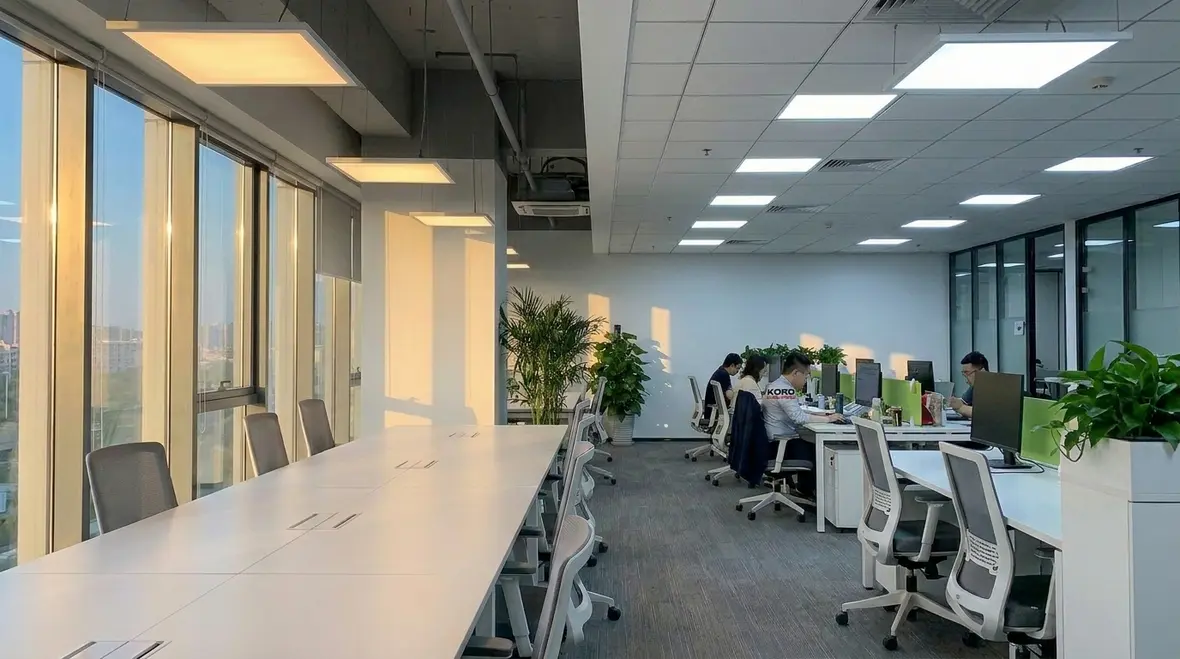
ROI drivers that owners and facilities teams can measure
To maximize ROI, we focus on the parts of the project that show up on utility bills and operations reports. Therefore, we start by mapping how the building uses light throughout the day and week. Next, we align lighting control settings to that reality.
Here are the key drivers we manage, so your numbers stay grounded:
Energy reduction through occupancy sensing, daylight response, and scheduled lighting with adaptive overrides
Lower maintenance costs by reducing unnecessary run time and improving lamp life and fixture health
Faster payback by sizing controls to the actual floor plan, not a generic template
Better compliance readiness because many facilities can align lighting schedules and controls with energy standards
Reduced nuisance callbacks because proper commissioning prevents “the lights won’t behave” moments
And when the project includes multiple tenants or changing use cases, we design the system to scale and remain controllable. In other words, your building does not need a full rewire every time a layout shifts.
If you want to see how lighting decisions connect with broader building safety, Kord Electric’s article on hidden electrical risks in commercial buildings digs into issues that often sit behind panels and ceilings but still affect long-term ROI.
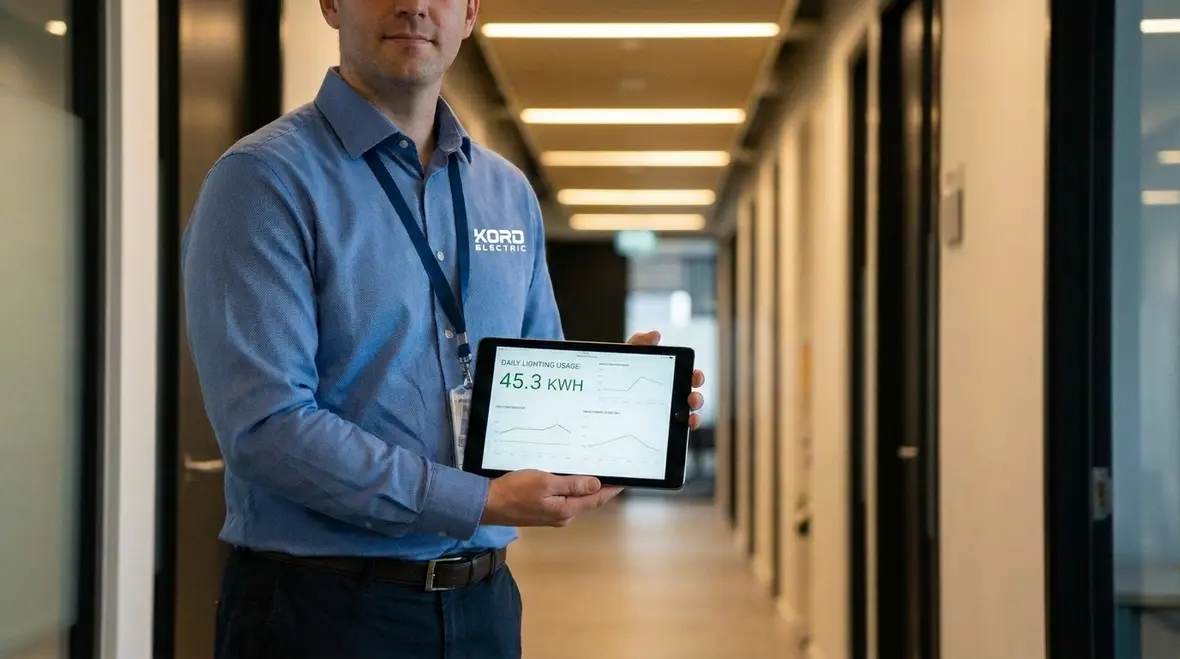
How we reduce hidden electrical risks while improving lighting performance
Lighting upgrades can be an opportunity to clean up risks that already exist. In fact, many commercial buildings carry electrical problems that stay invisible until they show up as flicker, nuisance trips, heat, or worse. Our expert service staff pays attention to those details during site review and installation.
In the Kord Electric blog, we highlight common hidden electrical risks in commercial buildings, and those issues often connect to lighting control decisions. When wiring, panels, or loads are out of balance, control systems can behave unpredictably. That unpredictability can lead to extra wear, short cycling, or failures that cost more than the original upgrade.
Here is how we address risk while improving efficiency:
We verify load compatibility so dimming and switching functions operate safely with existing electrical characteristics
We check for overheating and loose connections because heat is not just a “comfort issue,” it is an equipment issue
We confirm panel capacity and circuit behavior before controls schedules start changing loads throughout the day
We test communication paths and controls wiring so automation does not become a mystery novel with missing chapters
So while the ROI conversation stays focused on energy and maintenance, we protect the foundation that makes smart lighting automation dependable.
Smart zoning and controls logic that fit how your facility runs
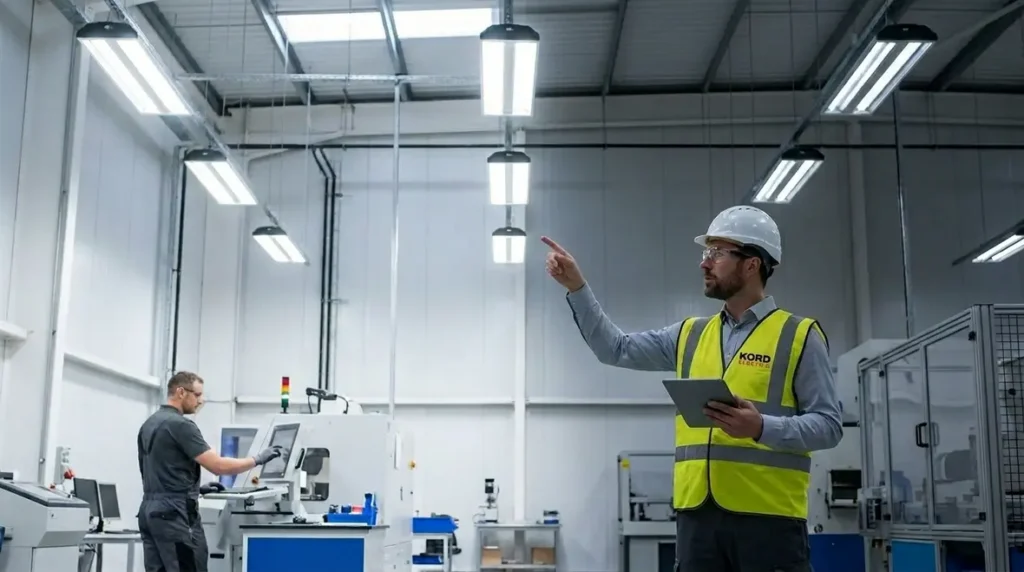
One of the biggest mistakes in commercial lighting automation is treating the building like it is one big room. However, commercial and industrial environments are made of zones with different occupancy patterns, equipment schedules, and lighting needs. That is why we build control logic around zones, not just floors.
For example, we tailor behavior for:
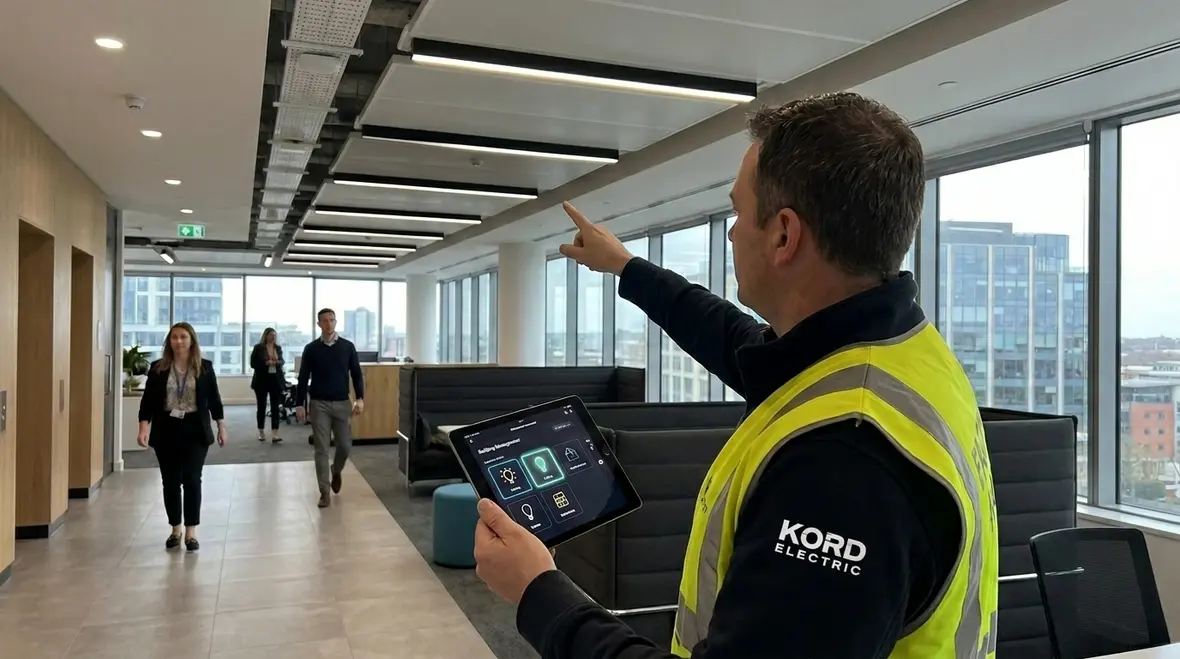
Offices and meeting spaces where occupancy changes quickly and comfort matters
Warehouses and distribution areas where brightness needs shift with tasks and forklift traffic
Corridors and stairwells where consistent safety lighting must remain reliable
Conference rooms and training spaces where daylight and projector or display use can affect lighting schedules
Then we implement practical rules. Lights respond when people enter, dim gradually when rooms empty out, and follow schedules that match operating hours. If your operations run late or weekends shift, we configure overrides so staff can adapt without manual rewiring or constant adjustments.
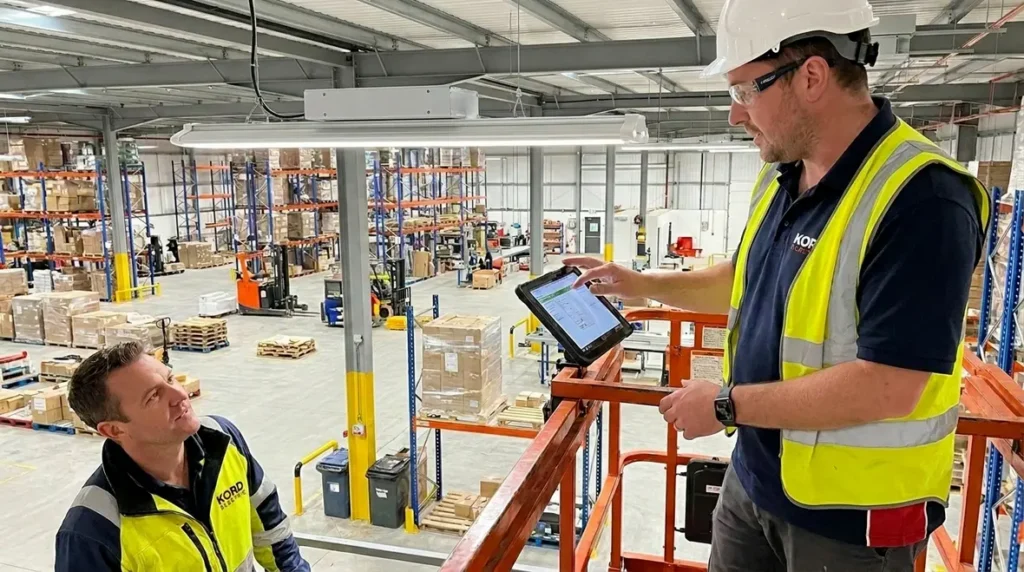
Our technicians also explain the “why” behind the settings in plain language. They do not just point at the control panel and walk away like it is a magic box from a superhero movie. Instead, they guide facilities teams on how the system behaves and how to adjust it safely.
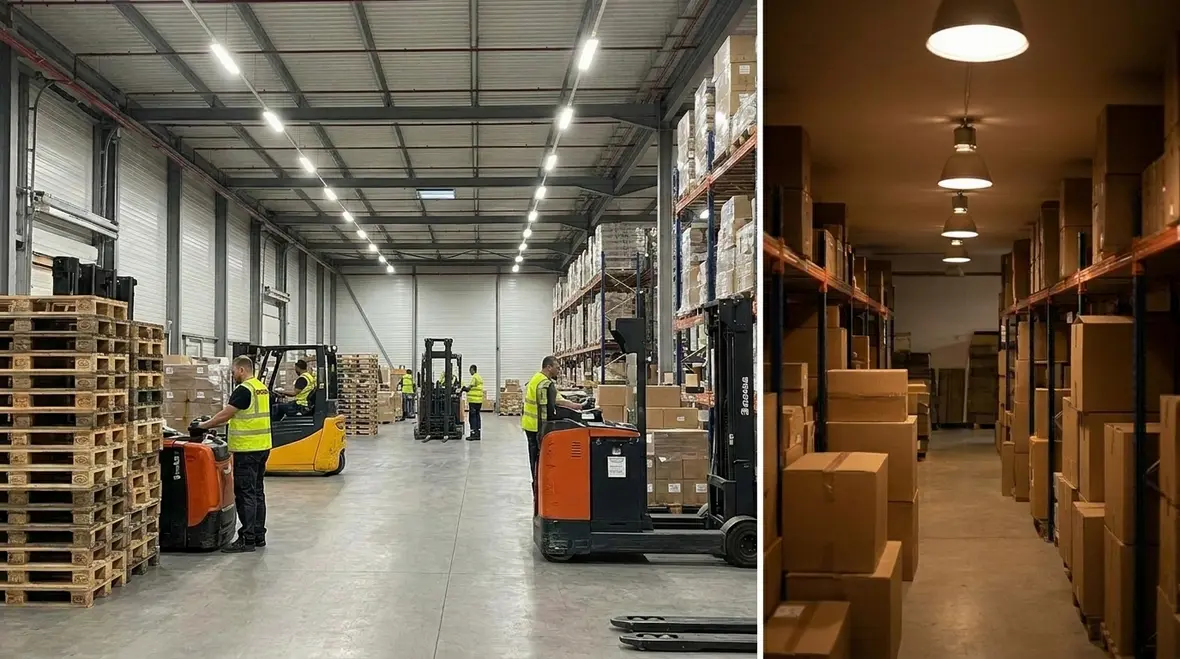
Commissioning and ongoing support for dependable ROI
You can have the best equipment in the world, and still lose ROI if the system gets installed but not fully commissioned. Commissioning is where we confirm the performance of the whole setup, from sensor placement to dimming levels and time delays. As a result, the building gets predictable behavior instead of occasional surprises.
During commissioning, we verify that each zone:
responds to occupancy and vacancy at the right sensitivity
maintains stable brightness without flicker or abrupt transitions
adjusts to daylight when the space has windows or skylights
logs events so facilities teams can spot issues quickly
After rollout, we support the system with expert service staff who help maintain settings and troubleshoot performance. This matters because commercial buildings evolve. People move offices, storage shifts, and operating schedules change. Our support helps keep the lighting automation operating like it did on day one, not like it slowly drifts into inefficiency.
For teams that want lighting to fit into a broader reliability strategy, Kord Electric’s work on commercial and industrial electrical maintenance plans shows how preventive service can keep controls, panels, and loads aligned over time.
FAQ about commercial lighting automation ROI
Next steps to maximize ROI with Kord Electric
If you want commercial and industrial facilities to earn measurable returns, you need smart lighting automation that fits your zones, your schedules, and your electrical reality. Kord Electric brings technicians and expert service staff who install, commission, and explain the system so it keeps performing after day one. Contact us to evaluate your current lighting, confirm electrical compatibility, and design a control strategy that reduces waste without disrupting operations.
Because lighting sits inside a larger electrical ecosystem, it also helps to work with a team that understands your entire distribution and code landscape. Resources like Kord Electric’s guide to NFPA 70A vs. NEC for commercial electrical compliance and their broader coverage of commercial electrical systems make sure smart controls support both performance and safety.
If your facilities span multiple properties across the region, Kord Electric’s Los Angeles County commercial electrical services support everything from lighting and panels to maintenance and upgrades, so your smart lighting strategy ties into a consistent, county-wide electrical plan.
Let us help you turn lights into a profit center, not just a ceiling decoration. Call Kord Electric today, and we will walk you through the practical steps to bring commercial smart lighting automation into your facilities with clear ROI targets, realistic schedules, and ongoing support.