
Commercial Electrical Load Balancing Strategies
Advanced Commercial Electrical Load Balancing Strategies for Facilities
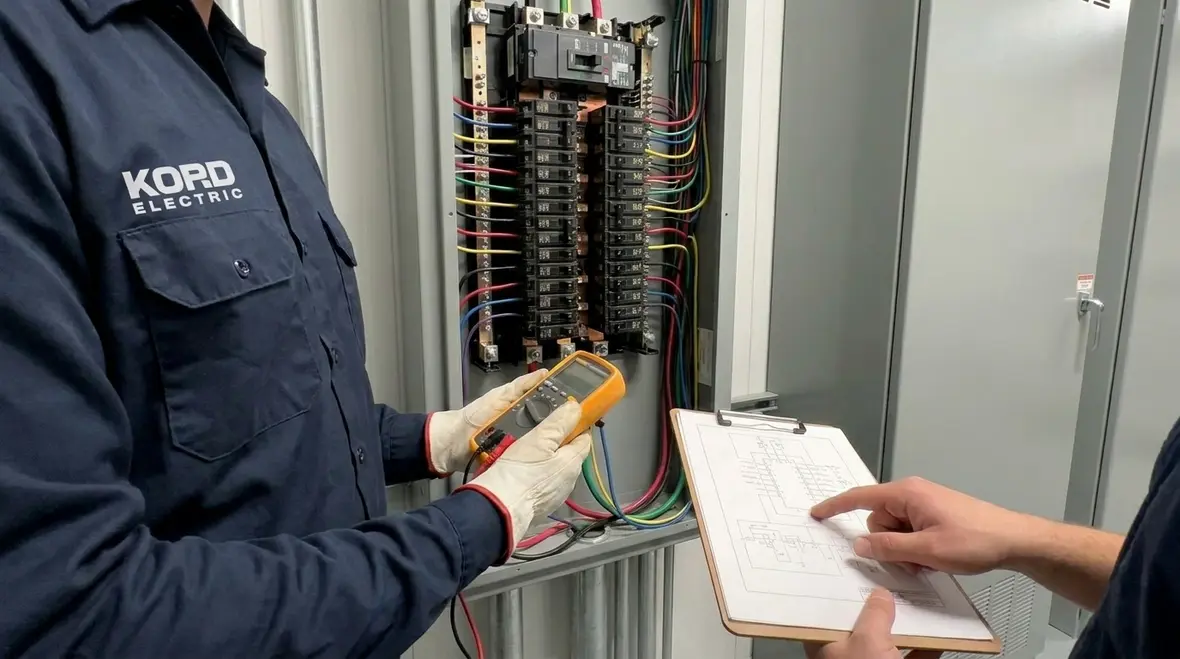
At Kord Electric, we believe efficiency is not a buzzword, it is a measurable outcome. That is why our commercial electrical load balancing strategies start with one goal: keep your facility’s electrical demand stable, so equipment runs in its best range. In practice, we pair smart panel planning, real monitoring, and disciplined circuit grouping to reduce overheating, lower nuisance trips, and protect power quality. Our technicians and expert service staff explain what they find and why it matters, without the “electrical mystery novel” vibe. And yes, we still laugh at the occasional facility that treats load balancing like a suggestion, not a system. The good news is, we can fix that.
What facilities gain when loads share more evenly

When a building’s loads are uneven, the facility does not just “feel” it. The power system tracks it in real ways. One phase gets strained, while another stays calm. As a result, voltage drops can rise under peak demand, breakers can trip more often, and motors can face extra stress during start and run conditions. Even if the system does not fail outright, it can drift into a slow wear pattern that costs money in repairs, downtime, and surprise alarms.
Meanwhile, balanced loads help the whole network behave more predictably. Equipment life improves because thermal stress drops. Power factor can stabilize when phase currents align better with the actual demand profile. And if the facility has sensitive equipment like controls, data centers, or precision manufacturing, smoother power quality reduces the risk of operational interruptions.
In short, others may chase a new machine, while we focus on the power that feeds every machine. That is where the real leverage sits.
Identify the real imbalance inside the panels
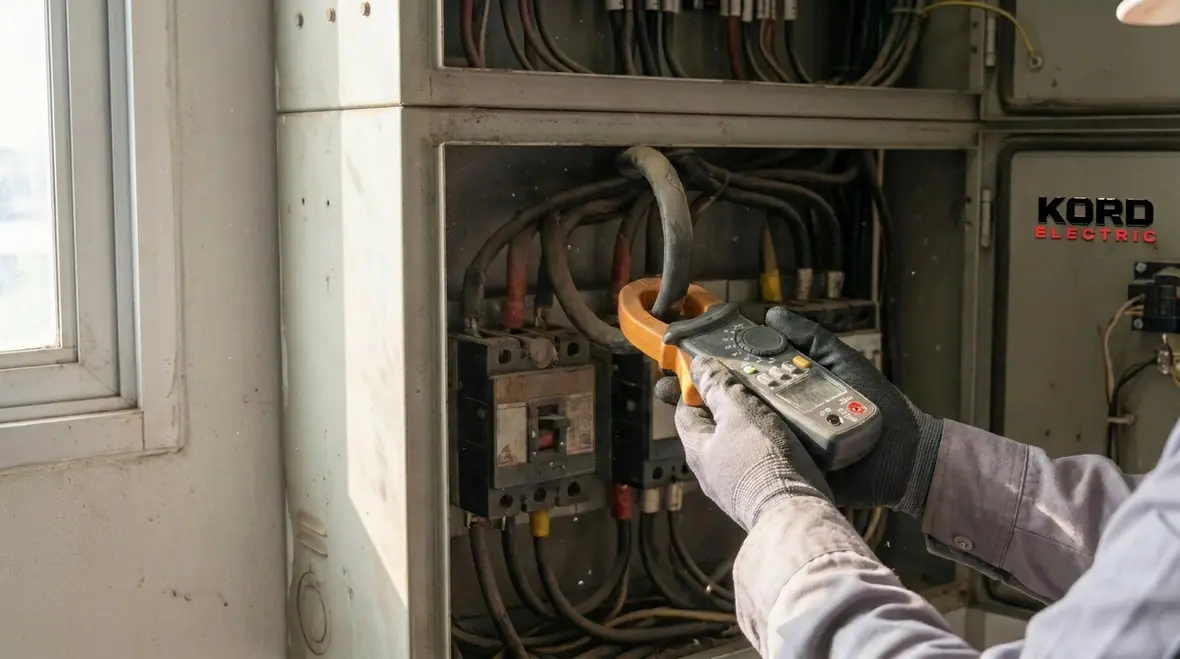
Before anyone adjusts anything, we help the client see the load map. Our field process starts with collecting current data at the right points, including distribution boards and key feeders. Then, we compare phase currents, look for repeating peaks, and check whether the imbalance matches real operating schedules. Many facilities run two shifts, so load profiles can change dramatically. If the imbalance only shows up at certain hours, the solution must follow that timing.
Our expert service staff also checks panel labeling quality and as built accuracy. In too many major property buildings, circuits get “moved” over the years, but the documentation stays behind like a forgotten parking ticket. Therefore, technicians verify circuit assignments before we recommend rebalancing.
Then we identify the culprits, often these categories of loads:
- Large HVAC drives, fans, and compressors that kick on at peak times
- Kitchen equipment for hospitality and food service
- Warehousing systems like dock equipment, conveyors, and lifts
- Workshops with tools that cycle quickly and create spiky demand
- Lighting groups that have been patched and expanded over time
Once we confirm what is driving the imbalance, we build a plan rather than a guess. Guessing is for sports. Electrical work is for long term performance.
How we use load sharing to reduce voltage fluctuations
Facilities often describe symptoms first, like “the lights flicker” or “the equipment acts strange during startup.” However, the underlying cause can link back to voltage fluctuations and uneven phase demand. In commercial and industrial setups, a short dip or swing can become a chronic annoyance, especially when large loads engage. If that dips align with motor starts, switching events, or high demand windows, you can end up with a pattern that repeats every day.
Our team references the same principles explained in our guide on voltage fluctuations in commercial and industrial environments. In the field, we apply that knowledge directly by focusing on phase balance, feeder loading, and distribution conditions. Even when voltage problems look “random,” careful measurement usually reveals a structure.
Then, we implement changes that reduce the swing. For example, we reassign circuits so phase currents stay closer to each other during high demand. We also account for diversity, meaning we avoid stacking multiple high draw loads on one phase just because the circuits fit neatly on paper.
To keep the process practical, we do the work in a way that protects operations. We coordinate timing, confirm critical loads, and document every move. Our technicians explain the steps as they go, and they help facility managers understand how the electrical system will behave after the adjustments.
Yes, power systems can still surprise you. But at least now, they surprise you less often.
Panel design, feeder strategy, and controls that hold steady
Load balancing works best when it is built into the electrical system, not taped on at the end. Therefore, we focus on panel design, feeder strategy, and controls that support stable distribution. For major property buildings, this often means planning for future tenant changes, equipment upgrades, and occupancy variations.
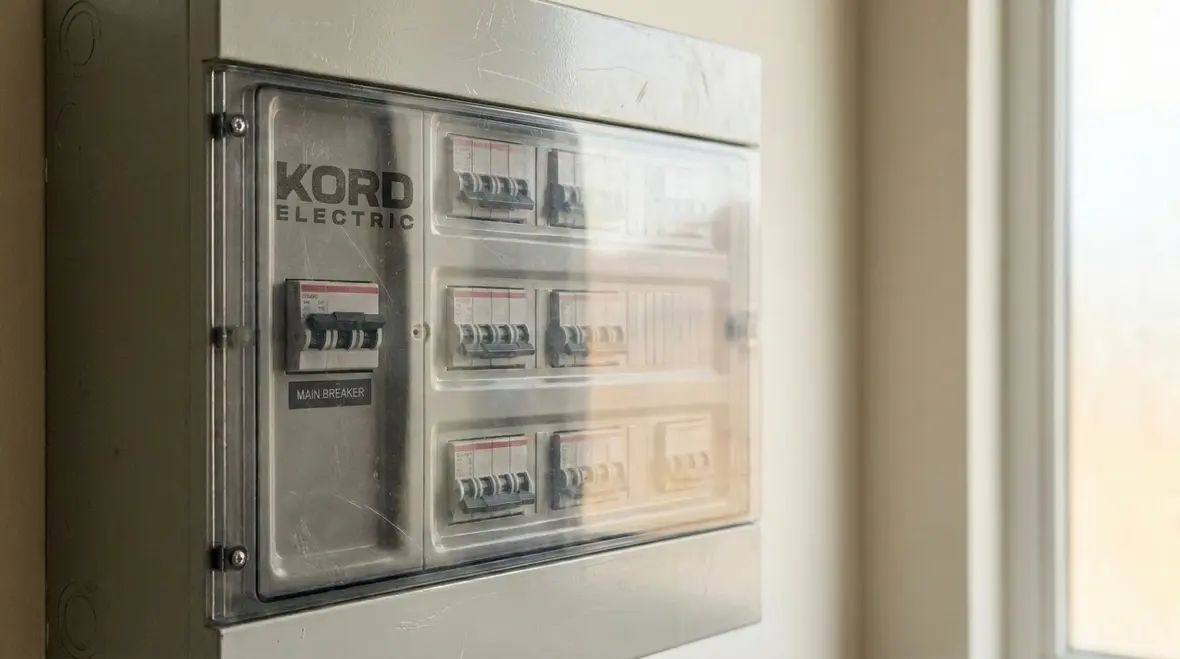
At the panel level, we group circuits with similar operating patterns and balanced phase demand. We also plan for growth by keeping capacity available on each phase, so additions do not create a new imbalance later. When a facility adds equipment, we do not just “connect and go.” We check how that new load changes current balance across the distribution.
At the feeder level, we evaluate whether current distribution matches the design intent. If feeders run hot or show uneven loading, it can drive voltage instability, especially at peak times. Then, we consider protective device coordination and settings so nuisance trips reduce, and the system responds correctly when something truly goes wrong.
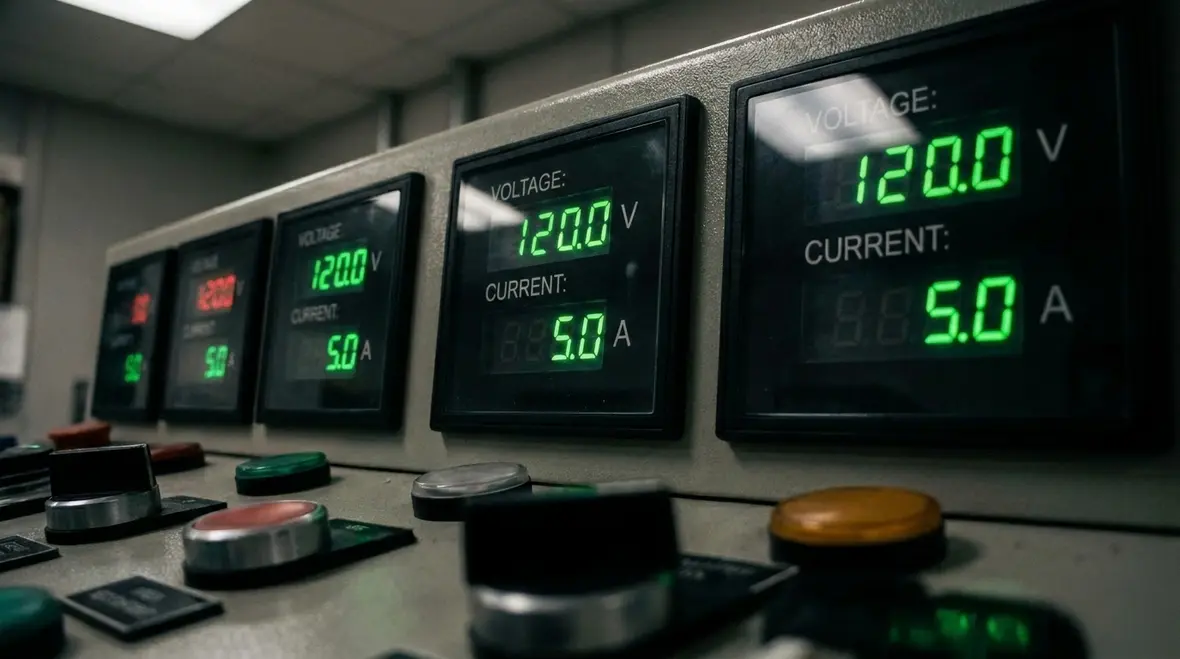
Finally, we apply monitoring and controls when needed. Some facilities do not just need a one time adjustment. They need ongoing awareness, because demand changes with seasons, maintenance cycles, and equipment usage. Our approach helps teams track performance and act early, before small issues become expensive failures.
Sequencing changes without disrupting operations
Facility owners and managers care about one thing first: uptime. So we sequence changes with care, especially in commercial and industrial facilities where power cannot just disappear for a day. We plan the adjustment window, identify critical systems, and verify operational dependencies.
For example, when we reassign circuits to improve commercial electrical load balancing strategies, we confirm that no single action creates a new issue. We consider whether certain loads must share the same phase for operational timing, starting behavior, or control logic. We also review labeling and circuit IDs, so technicians and maintenance teams can work confidently after the work completes.
To keep the work calm and controlled, we use staged testing. Our technicians verify phase balance before and after adjustments, and we document the baseline results so the facility can measure improvement. Then, we check for side effects like abnormal breaker behavior or unexpected temperature rises.
And because we are practical people, we leave behind something useful: clear documentation, updated circuit maps, and a straightforward explanation of what changed and what it means for future maintenance.
Real world results and why it keeps paying off
Once load distribution improves, facilities often notice benefits quickly. Breaker trips reduce. Equipment runs with more consistent conditions. Managers hear fewer complaints about lights, motors, or controls acting “moody.” Over time, maintenance costs can fall because parts experience less stress.
We also see better readiness for expansion. Major property buildings and industrial operations rarely stay the same. New tenants, new lines, and new processes come in. When a facility starts from a balanced electrical foundation, later changes require smaller corrections and less downtime.
There is also an operational confidence factor that matters. When power behaves predictably, teams can schedule maintenance, adjust schedules, and plan production without fear of random disturbances. It is not glamorous, but it keeps the whole operation from feeling like it runs on luck. Sports teams do that. Buildings do not need to.
FAQ
Call Kord Electric for a site based electrical balance plan
If your facility shows signs of voltage instability, hot panels, or recurring power quality complaints, Kord Electric can help you fix the cause, not just the symptoms. Our technicians and expert service staff use measured data, disciplined planning, and careful sequencing to optimize distribution for commercial and industrial facilities and major property buildings. For ongoing reliability beyond a one time correction, many teams also pair load balancing work with structured electrical preventive maintenance programs that keep systems strong as equipment and occupancy evolve. Do not wait for the next peak day to turn into a repeat performance. Contact us today to schedule an assessment and build a practical load balancing plan.
For facilities planning broader upgrades, our licensed electricians can integrate commercial electrical load balancing strategies into panel changes, lighting improvements, and targeted repairs so every project reinforces long term stability instead of adding new stress points. Whether your priority is reducing nuisance trips, preparing for expansion, or tightening power quality before new equipment arrives, our team designs a path that fits real world operations, not theoretical diagrams.
If you are already exploring improvements across your distribution system, remember that load balance and voltage health sit at the center of nearly every electrical upgrade. From commercial lighting installation services to panel changes and targeted corrective work, we align design, sequencing, and field execution so each step pulls your facility toward more stable, predictable performance.


