
Commercial Electrical Load Management for Peak Efficiency
Commercial Electrical Load Management for Peak Efficiency: How We Keep Power Steady
At Kord Electric, we focus on commercial electrical load management to help major commercial and industrial facilities run cleaner, steadier, and with less peak waste. In the first place, we plan for the hours when demand spikes, because that is when costs rise and breakers act like they have a bad attitude. Then we coordinate how loads start, how they share capacity, and how they get protected. As a result, our clients see fewer surprises, smoother operations, and electrical systems that behave more like a well organized orchestra and less like a reality show finale. Our experienced technicians explain each step in plain language, so decision makers can act with confidence, not guesswork.
Where peak demand really hurts your electrical system
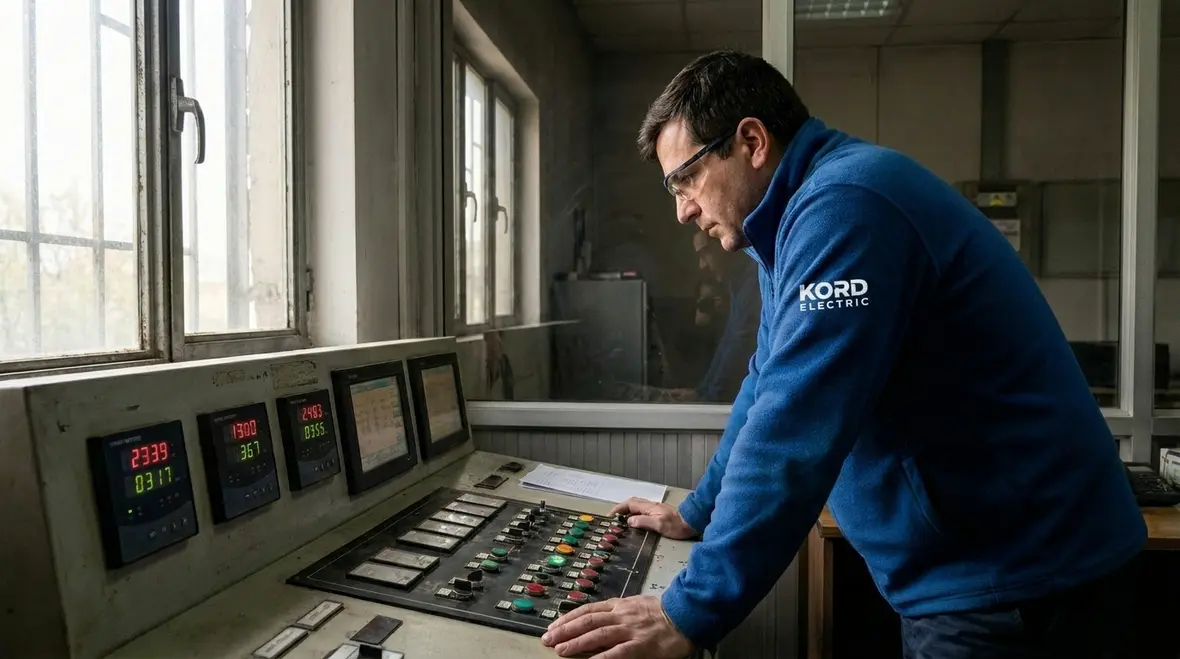
When a building hits peak demand, the electrical stress does not show up politely. Instead, it concentrates at the worst possible time: heavy HVAC, elevators, charging stations, process equipment, and lighting all show up like they were invited to the same party without RSVPs. Consequently, voltage dips get more noticeable, motor loads draw more current, and equipment can run hotter. Over time, this means insulation ages faster and components wear sooner.
Also, peak events can push facilities into demand charges that feel unfair even when the math is correct. Therefore, we treat load management as both a technical and a financial strategy. Others might just “fix problems after they happen,” but we plan for the pattern. We look at how your site behaves across shifts, seasons, and maintenance cycles. That is how we find the true peak drivers, not just the loud ones.
Power budgeting and load profiling for major facilities
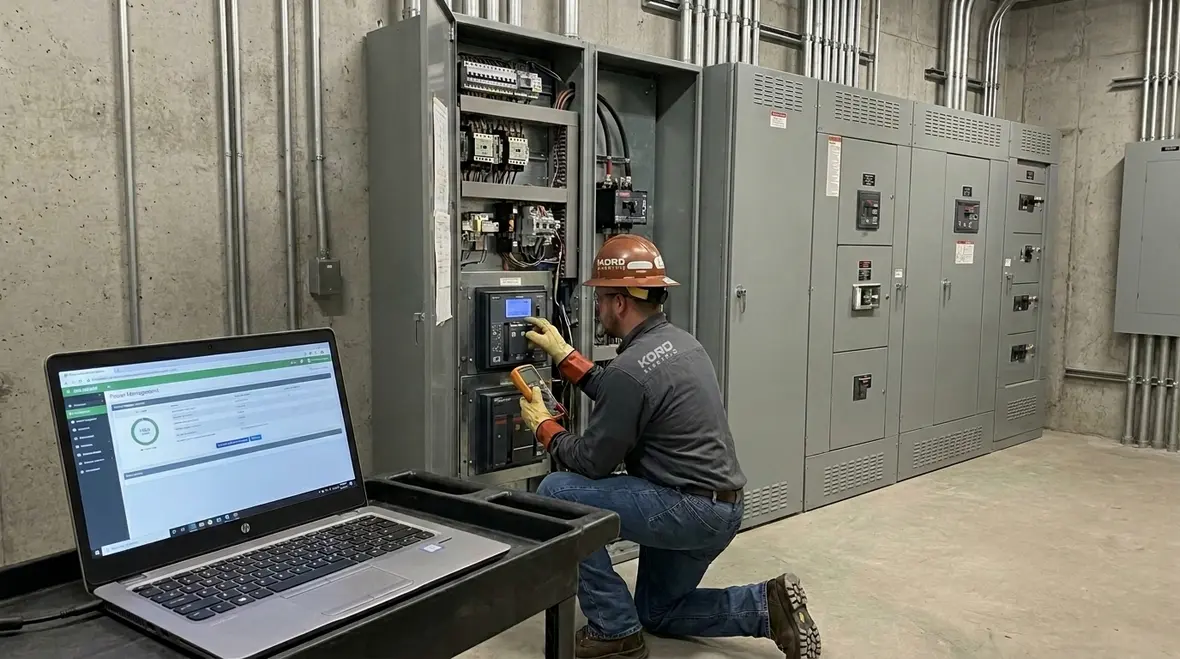
To optimize commercial electrical load management, we start by building a load profile that matches how the facility actually runs. First, our team reviews historical demand data, utility tariffs, and operational schedules. Next, we map connected equipment by load type: continuous loads like refrigeration or air handling, intermittent loads like pumps, and peak offenders like chillers during start-up and large motors.
Then we compare your real load curve to available capacity. In many cases, the facility has enough nameplate power, but not enough practical capacity during simultaneous start conditions. In other words, the system can handle the total later, but it cannot handle the rush. At Kord Electric, we analyze diversity and sequencing needs so equipment starts when it should, not when it feels like it. And yes, sometimes the “feels like it” part is exactly what a contractor did two years ago. We see it often.
As we refine the profile, we set measurable targets such as reducing peak kW, smoothing ramp rates, and protecting sensitive loads. We also define how much flexibility exists on each circuit or system. That flexibility becomes the toolbox for later optimization. For teams building a long-term reliability plan, this kind of profiling pairs naturally with structured programs like electrical preventive maintenance, so inspection and tuning support the same performance goals.
Sequencing strategies that reduce stress during start-up
Load management is not only about shutting things off. It is about controlling timing and priority, so your facility avoids high current spikes. For example, when multiple motors start at the same time, the inrush current can be brutal. Therefore, we recommend sequencing through controls that stagger starts or use soft start methods where appropriate.
For facilities with multiple air handling units or chillers, we coordinate start logic so the system ramps smoothly and does not hit the switchboard like a battering ram. In addition, we look at ventilation control to ensure comfort remains stable while demand stays under control. That balance matters, because a building that feels like a freezer does not win long term business.
Meanwhile, we help teams set priority tiers. Critical systems like life safety, specific manufacturing processes, and refrigeration for product integrity stay protected. Non critical loads can ride along with controlled schedules. In this way, we prevent unnecessary shedding and keep downtime risk low.
Preventive maintenance ties directly to efficiency
Even the best load strategy can fall apart if equipment drifts out of spec. That is why we connect load planning with preventive maintenance. Kord Electric supports this with an approach aligned to our electrical preventive maintenance practices, where we inspect, verify, and correct issues before they snowball. You do not want a “mystery heat” event on a Monday morning. That is not a fun genre of surprise.
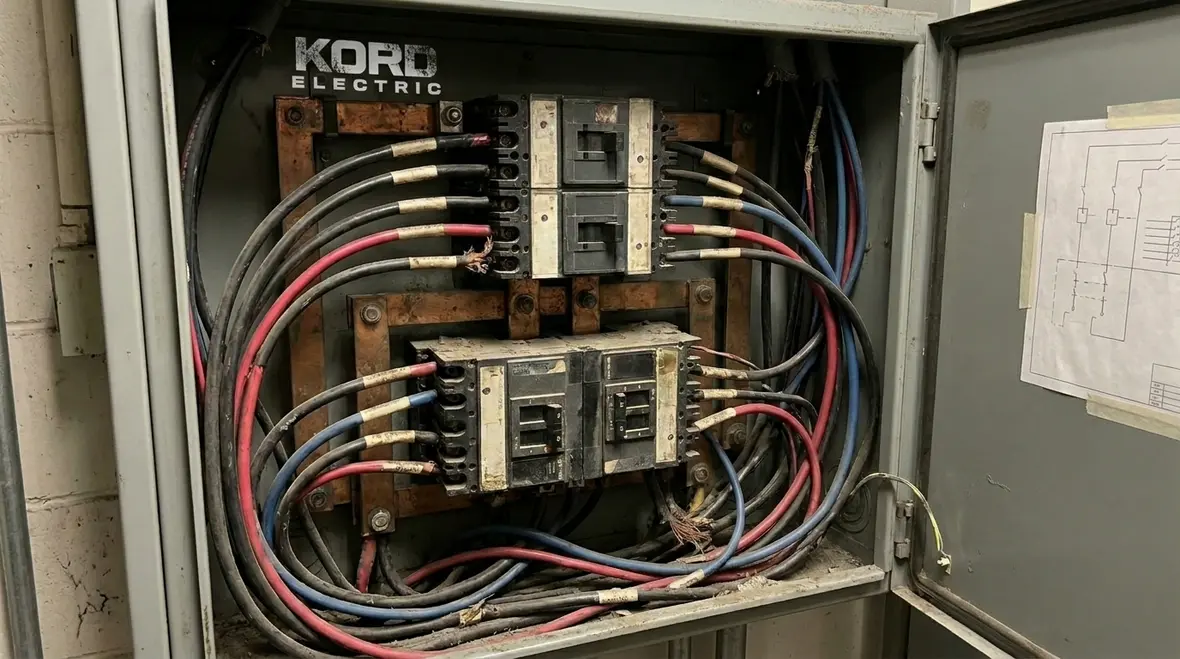
Our technicians examine key items such as breaker and contact conditions, busbar and connection health, thermal performance signs, insulation integrity, and protective device calibration. Moreover, we verify metering accuracy because demand calculations and energy reporting depend on correct measurement. If the measurement is wrong, the decisions built on it will also drift.
In addition, we look for power quality issues tied to peaks, including harmonics and unstable voltage behavior. When we spot an evolving problem, we recommend targeted repairs and adjustments. As a result, the electrical system stays within expected operating ranges, which supports reliable load management outcomes and long-term system health.
Using automation, controls, and metering without making it complicated
Modern commercial and industrial buildings can use controls to manage load automatically. However, we make sure the design stays practical, not academic. First, we confirm which loads can be controlled and what control signals exist. Then we tune the logic so it responds quickly to demand changes without causing nuisance cycling.
We also emphasize metering and visibility. When a facility can see demand trends, equipment runtimes, and circuit behavior, it can manage peaks with precision. Therefore, we recommend measurement that supports both operational decisions and utility reporting. Our team helps translate what the instruments show into actions that maintenance and operations teams can follow.
To keep everything grounded, our expert service staff explains the control approach during implementation. We walk people through the “why” behind each setting, from priority rules to ramp limits. And yes, we try to do it without sounding like we are reading a user manual written in ancient scrolls.
Commissioning, testing, and continuous improvement for peak performance
Once changes go live, we do not disappear. We verify performance through testing and ongoing checks. We compare demand profiles before and after optimization. We look for improvements in peak kW, changes in voltage stability, and healthier operating temperatures. Additionally, we confirm protective devices behave as intended during simulated load transitions.
Then we run a cycle of continuous improvement. Schedules change, production shifts move, and new equipment gets installed because business never stops. Consequently, load management must evolve. Our technicians support adjustments based on what the facility learns over time. In this way, commercial electrical load management becomes a living system, not a one time project that ends with a handshake and a shrug.
Also, we coordinate with existing preventive maintenance plans so tuning and inspections stay aligned. The goal remains the same: peak efficiency without compromising critical operations.
FAQ
Next steps with Kord Electric
If your facility faces recurring peak demand spikes, Kord Electric can help you optimize commercial electrical load management with practical profiling, sequencing, and maintenance alignment for major commercial and industrial buildings. Our expert technicians and service staff explain every recommendation in plain terms, then test the results so you can measure real progress. Contact us for an on site review and a clear plan focused on peak efficiency, reliability, and fewer electrical surprises. Let us turn that “why is this happening again” feeling into a controlled, calm system.
For organizations operating across Los Angeles and the surrounding region, our broader support extends beyond load strategy. Facilities that need local, responsive help with upgrades, troubleshooting, and everyday reliability can tap into our Los Angeles County electrical services, aligning real-world operations with long-term system performance.
If voltage stability is already on your radar, you can also connect this planning with targeted services such as our dedicated support for voltage fluctuations in commercial and industrial facilities, so sensitive equipment, production environments, and building systems stay protected even as loads change.
Whether you are dealing with sharp peak charges, unexplained trips, or just want a calmer, more predictable power profile, our team is ready to combine practical load management, smart controls, and disciplined preventive maintenance into one clear, action driven plan.


