
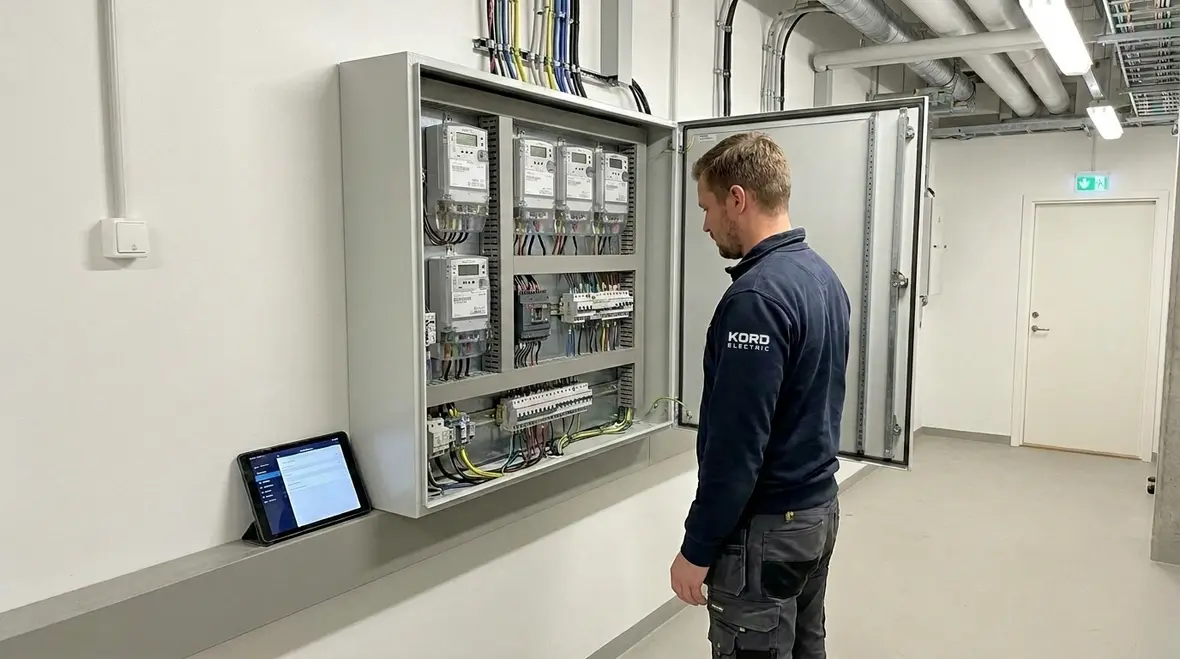
Commercial Electrical Load Shedding Systems
At Kord Electric, we design and install commercial electrical load shedding systems that help commercial facilities cut peak demand and avoid nasty surprise bills. These systems watch real-time power use, then shed specific non essential loads when demand spikes. And because we believe “set it and forget it” should still come with smart oversight, our technicians and expert service staff tune each setup to the building, the tenant mix, and the load profile.
Now, let’s be honest. Load shedding sounds like something you do in a storm. But in a commercial setting, it is a planned, controlled response that keeps demand charges lower. Others may treat demand management like a guess. We treat it like a system, with calm steps that protect your equipment and your budget.
How load shedding reduces demand charges in commercial buildings
Demand charges usually track the highest level of power a facility pulls in a billing period, even if that peak only lasts a short time. Therefore, if your building hits peak demand during certain hours, your bill reflects that peak. Load shedding helps by limiting the maximum draw without shutting down critical services.
Our team explains it like this: instead of letting every device run at full power at the same time, the system prioritizes. So when demand climbs toward your utility threshold, the commercial electrical load shedding systems reduce load in a controlled order. As a result, the facility avoids the highest demand tier and pays less over time.
In other words, we manage the “worst moment” on purpose. Because utilities do not care that the peak only lasted five minutes. Utilities care that the needle touched the line. And yes, that is as annoying as it sounds.
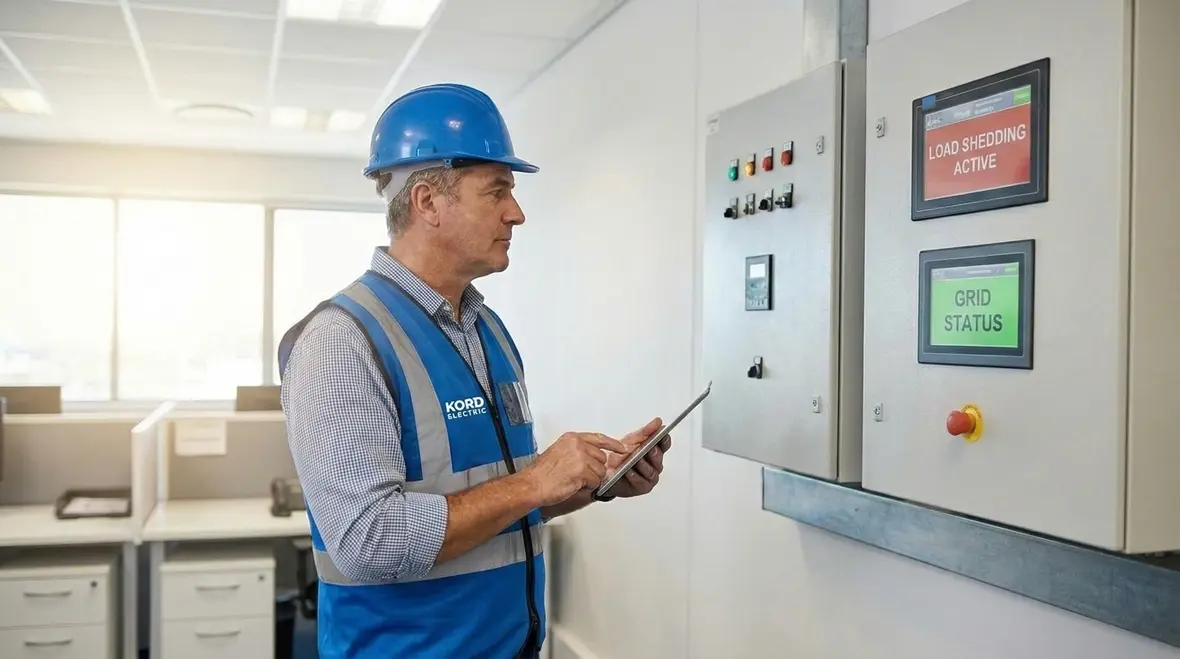
Step by step plan for demand control and safe shutdown sequencing
Successful implementation starts with details, not slogans. First, our technicians review your electrical one line diagram, load schedules, and metering data. Next, we identify which loads you can shed without disrupting core operations. Then we confirm that the building can handle the transition, including startup and restart behavior.
We also map loads into priority groups. For example, we typically keep life safety and critical systems online. Then we assign second tier loads like certain HVAC stages, supplemental pumps, and non essential receptacle circuits. Finally, we shed lower priority equipment first. That order matters. Therefore, we build logic that avoids damaging rapid cycling.
After we set the shedding sequence, our expert service staff validate it in a controlled way. We test how the system responds to short spikes, sustained high demand, and normal operating changes. Then we tune the timers and thresholds so the system acts quickly enough to reduce demand charges, but gently enough to avoid uncomfortable performance shifts.
- We collect data: utility interval reads, panel schedules, and equipment run patterns
- We classify loads: critical, important, and non essential
- We set logic: shedding order, lockout times, and return to service rules
- We validate: staged testing under real operating conditions
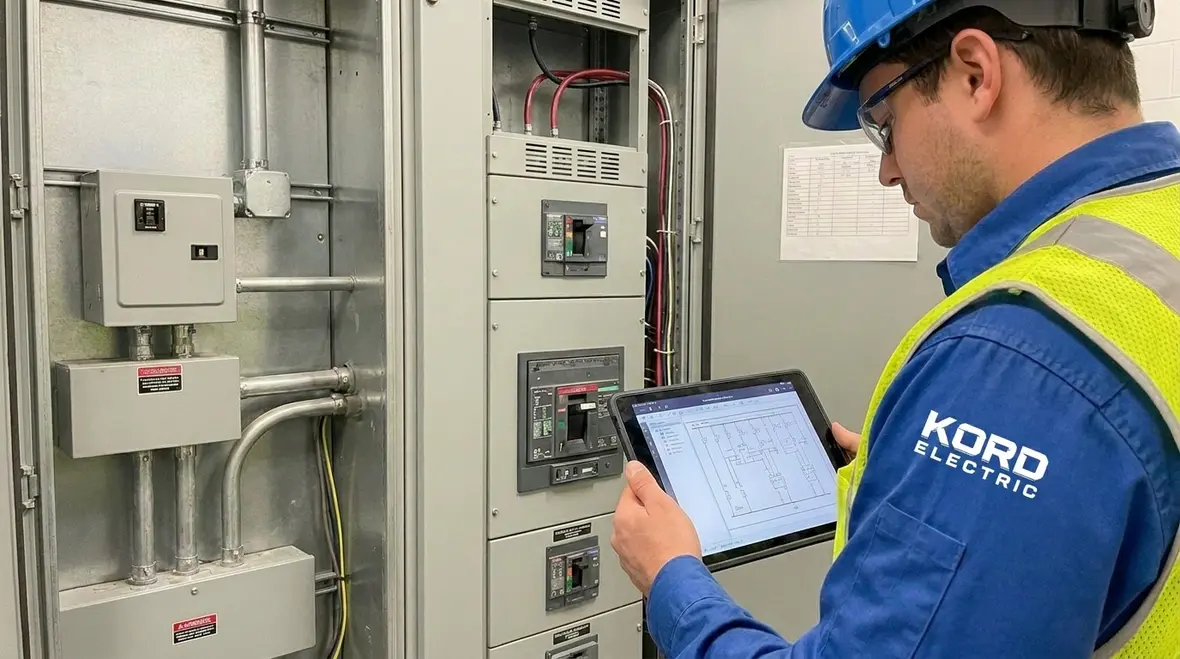
What our load profiles evaluation includes for major property buildings
Commercial and industrial buildings do not behave like simple houses. Multiple tenants, varying occupancy, and equipment cycles can cause unpredictable demand swings. That is why we evaluate load profiles before we touch control settings.
Our process focuses on how your facility actually runs. We look at HVAC sequences, chillers, air handling units, and boiler staging. We also review motors, process equipment, transformers, and any standby or backup systems that might start during peak events. If your building has elevators, kitchen loads, or large laundry operations, we account for those too.
Then we look for patterns. For example, some buildings peak when occupants arrive, kitchens ramp up, and HVAC transitions from night setback to daytime operation. Other buildings peak during scheduled production runs or maintenance windows. Once we identify the pattern, we align the shedding plan with it, so the system reduces peak demand instead of fighting normal operations.
To keep things stable, we also align with preventive maintenance goals. When equipment runs out of calibration or a contactor sticks, power demand can drift upward. That is why our work often connects to preventive routines and structured electrical care programs like electrical preventive maintenance that many major properties already rely on.
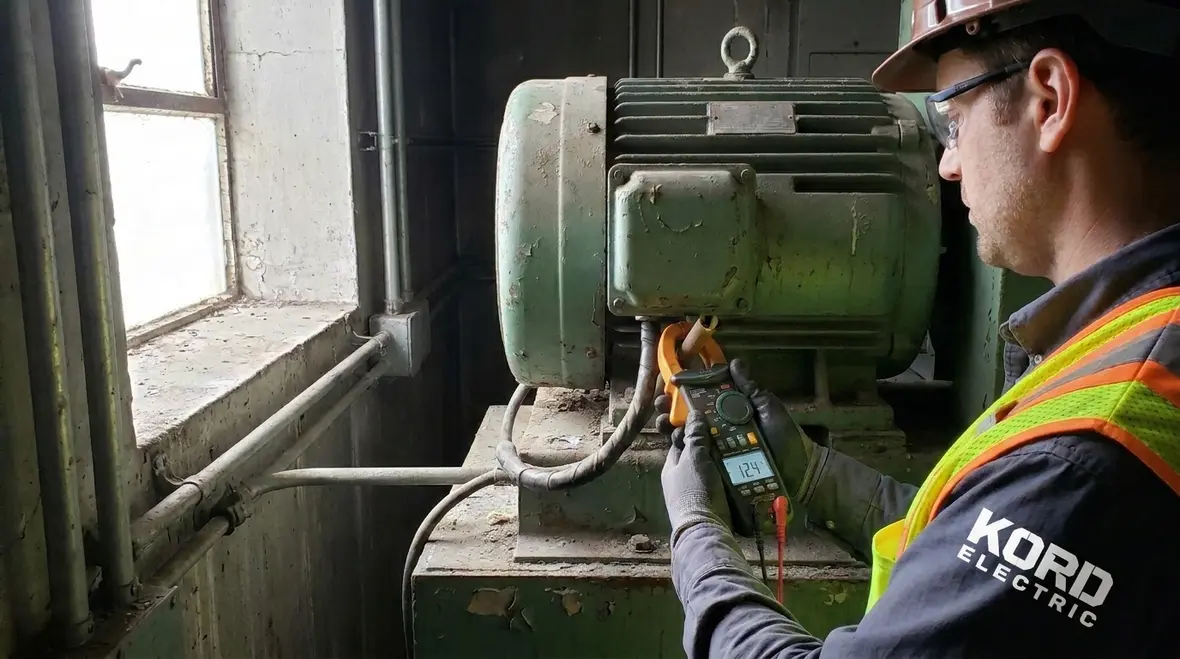
Preventive maintenance ties to smarter load shedding performance
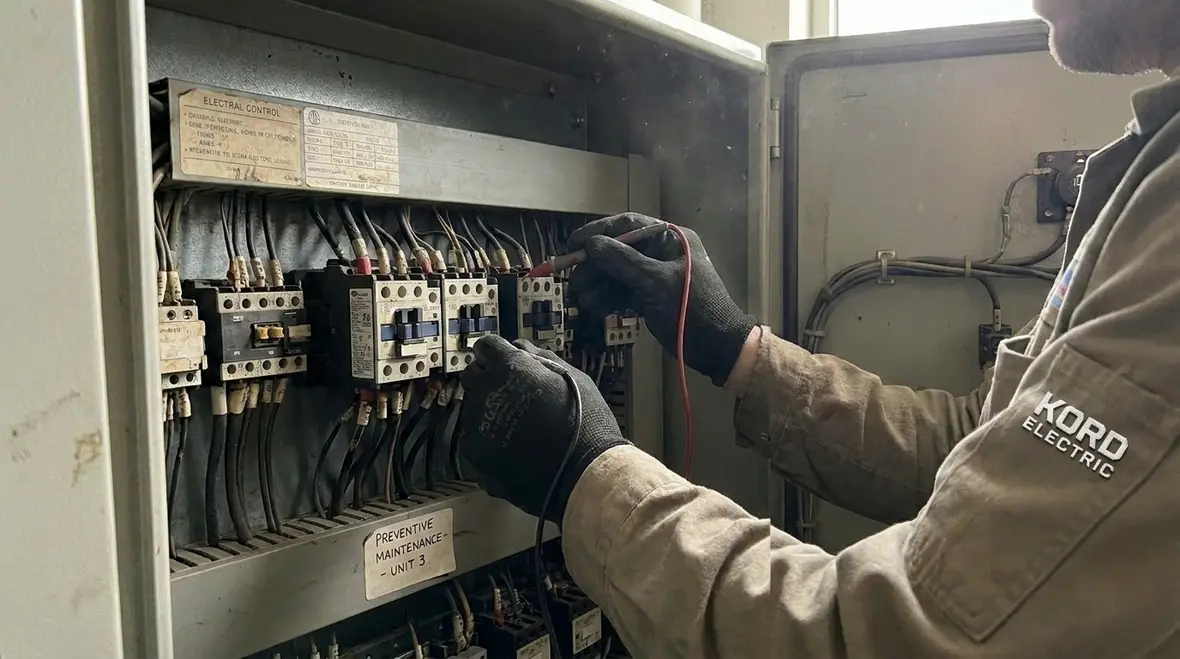
Even a well designed control system needs healthy equipment around it. That is where electrical preventive maintenance makes a real difference, not just a line item on a spreadsheet. If sensors drift, if breakers age, or if contactors wear, the shedding logic can become less accurate.
Our team supports preventive care through structured inspections and service attention. If you want the practical “what we check” view, we point facility managers to our electrical preventive maintenance approach. In short, we help keep components reliable so your control system sees true readings and your load transitions stay smooth.
When preventive maintenance gets done right, the benefits stack. In turn, equipment efficiency improves, unnecessary power draw drops, and the facility responds more predictably during peak demand periods. Yes, that means fewer surprises, and no, utilities will not start sending thank you notes.
Our expert service staff also watches for common issues that affect demand control performance, like loose connections, heat damage, and misaligned feedback signals. Therefore, preventive maintenance becomes part of the load shedding strategy, not an afterthought.
Setpoint tuning, testing, and operator training
Once we design the shedding sequence, we do not simply “install and hope.” We tune setpoints using your facility behavior. Then we run tests to verify that the system reduces demand while keeping operations stable.
During testing, we observe how quickly the system acts. We check whether loads shed as expected, whether equipment returns to normal service at the right time, and whether the building avoids rapid cycling. We also verify that the system works across different operating states such as weekends, shift changes, and seasonal HVAC loads.
Finally, we train the people who will live with the system. Our technicians explain in plain terms how it works, what alarms mean, and how facility staff should respond. That training reduces confusion. It also prevents “operator overrides” that defeat the whole plan. In short, we give operators confidence, not extra work.
If you have ever watched a button get pressed because someone thought it would “reset the vibe,” you know why training matters. We keep it professional, but we do not pretend operators enjoy complexity.
Common pitfalls and how we help avoid them
Commercial managers want peak reduction, but they also want uptime. Therefore, pitfalls can derail load shedding projects if teams rush the setup or ignore building realities.
One common mistake is shedding the wrong loads. If facility teams pick loads based on convenience instead of priority, you can harm comfort or disrupt production. Another mistake is using thresholds that are too aggressive. When shedding triggers too easily, the system may interrupt normal operations and create staff frustration.
Then there is the pitfall of poor feedback. If sensors or metering are inaccurate, the system might shed early or late. That can raise demand peaks or cause unnecessary load drops. Additionally, if return to service rules are missing, equipment might restart at the same time and create a new peak. Utilities love that kind of irony, but your accountants do not.
Our expert service staff addresses these issues through careful design, measurement, and tuning. We treat load shedding like a control system that needs refinement. As a result, your commercial electrical load shedding systems perform consistently and stay aligned with real utility demand behavior.
FAQ
Take control of peak demand with Kord Electric
Your facility does not need to accept demand charges like they are fate. Others react after the bill arrives. We help commercial and industrial buildings prevent the peak in the first place with smart design, careful tuning, and operator ready training. If you want a practical path to lower demand charges and steadier operations, contact Kord Electric. Our technicians will review your building loads, then propose the right load shedding plan for your major property needs.
For properties already wrestling with unstable power or nuisance trips, pairing commercial electrical load shedding systems with targeted services like voltage fluctuation diagnostics and repair or structured electrical preventive maintenance gives your facility a stronger foundation before peak demand events ever arrive.
When you are ready to upgrade or expand your building’s infrastructure alongside demand control, our dedicated lighting installation services provide commercial and industrial lighting solutions that align with the same goals: stable operations, efficient energy use, and systems that support long term reliability.
If you are looking for a partner that understands both the technical side of utility demand and the everyday reality of operating a busy facility, Kord Electric is ready to help you design, install, and maintain the systems that keep your peaks under control and your operations steady.


