Commercial Electrical Power Quality Monitoring
Kord Electric begins every reliability plan with a practical commercial electrical power quality analysis, because the truth is simple: when power behaves badly, equipment answers with silence, heat, and expensive delays. We have seen it in loading docks, hospitals, data rooms, and distribution panels in major property buildings. And even when lights stay on, the damage can still stack up like unpaid sitcom reruns. That is why power quality monitoring belongs in commercial and industrial facilities, not as a nice to have, but as a guardrail that helps prevent downtime before it turns into a headline.
Why power quality issues create downtime
Power quality monitoring matters because many failures do not start as obvious “power outages.” Instead, they show up as small electrical changes that happen repeatedly, then quietly push motors, drives, transformers, and control systems out of spec. For example, short sags can trip sensitive loads. Harmonics can overheat transformers and cables. Transients can stress insulation and damage power supplies.
Moreover, downtime rarely comes from one single event. Instead, it often comes from patterns. Therefore, monitoring helps our team connect the dots between what the electrical system experiences and what the facility reports. When we install monitoring, we do not just collect numbers. We help others understand what those numbers mean for real equipment like HVAC systems, manufacturing lines, and building management controls.
And yes, the system can look fine on a quick glance. In the same way that you can “feel fine” while your phone battery drops from 100 to 3 percent in ten minutes, the facility can keep running while components quietly wear out.
Common power problems in commercial and industrial systems
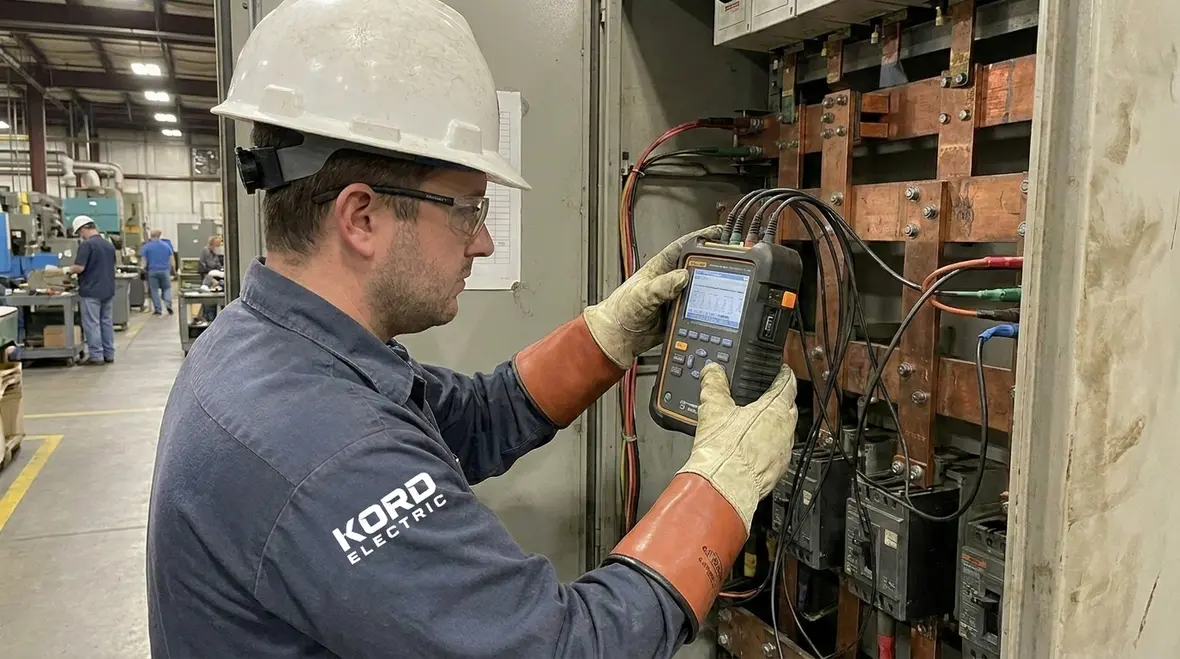
In commercial and industrial electrical environments, the most frequent power quality problems include voltage fluctuations, voltage dips, harmonic distortion, and electrical noise. These events can come from switching operations, large motor startups, variable speed drives, welding equipment, or even utility side changes.
According to our work and the observations we document in our voltage fluctuations in commercial and industrial facilities overview, voltage fluctuations can cause equipment to malfunction or reduce performance. In practice, these fluctuations can trigger nuisance trips, worsen wear on relays, and shorten the life of components. Additionally, critical loads like refrigeration, process control, and elevators can respond in ways that customers notice as service interruptions.
When we talk with facility operators, they often say the same thing: “We do not have blackouts.” Yet we explain that power quality events are not always blackouts. They are often smaller swings that equipment still hates. For many systems, even a brief change can cause control logic to reboot or a motor drive to derate.
Voltage fluctuation impacts you can measure
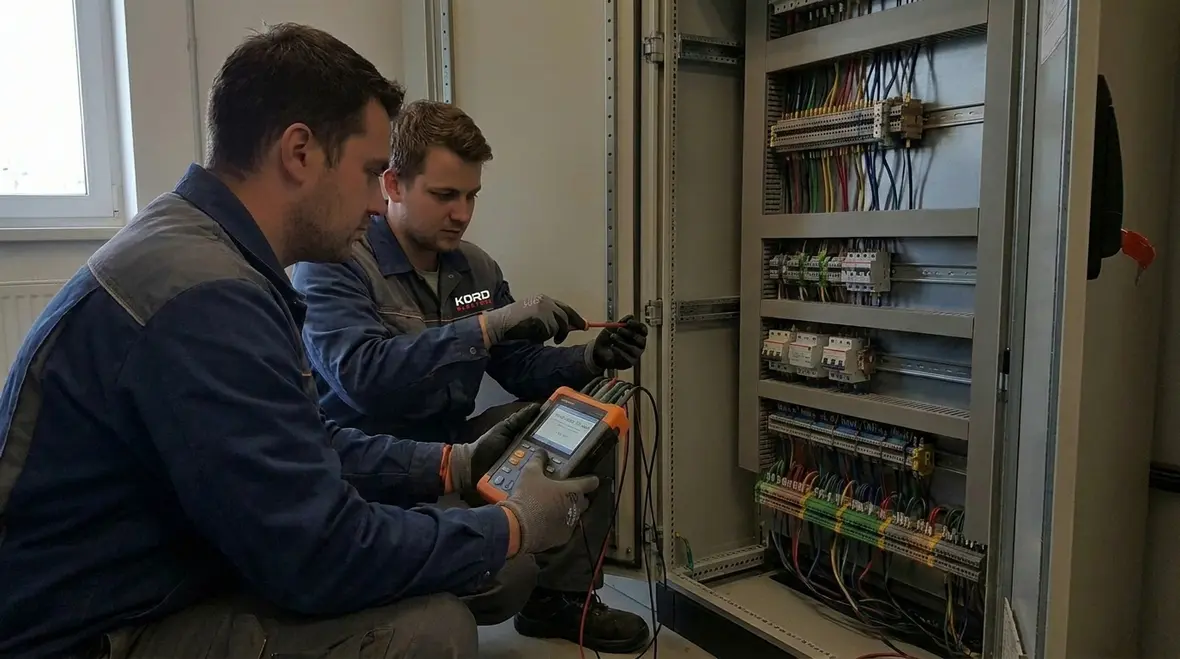
Voltage fluctuations can look mild on the utility meter, but they can still create trouble downstream. That is where our commercial electrical power quality analysis earns its keep. We focus on how voltage changes over time, because timing and severity drive what equipment experiences.
For example, some loads respond to steady voltage but tolerate brief disturbances only in narrow windows. When fluctuations occur, motor torque can drop, which reduces performance and increases stress. Meanwhile, sensitive electronics can see incorrect operating conditions. As a result, you may observe reduced output, tripped protective devices, or repeated faults that seem random.
Furthermore, voltage fluctuations can also create thermal strain. Over time, repeated stress raises temperatures in transformers, panels, and connection points. This can accelerate insulation aging. In commercial and industrial facilities, that means you may not just lose one piece of equipment. You may end up replacing components earlier than your maintenance plan intended.
What power monitoring reveals during real operations
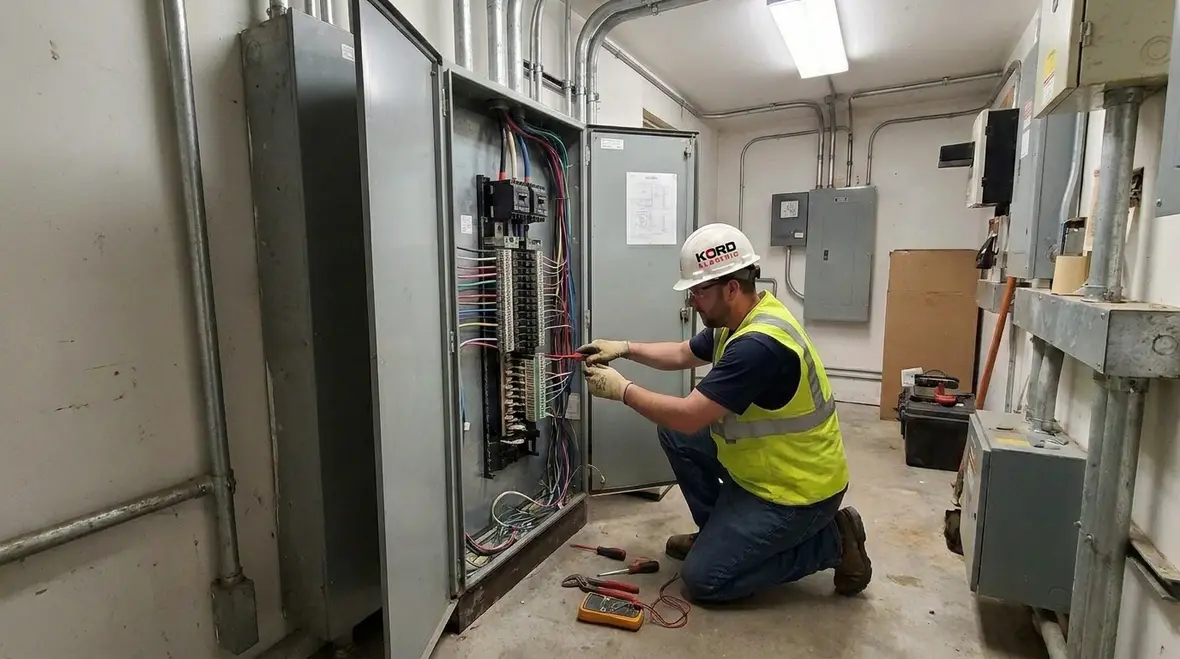
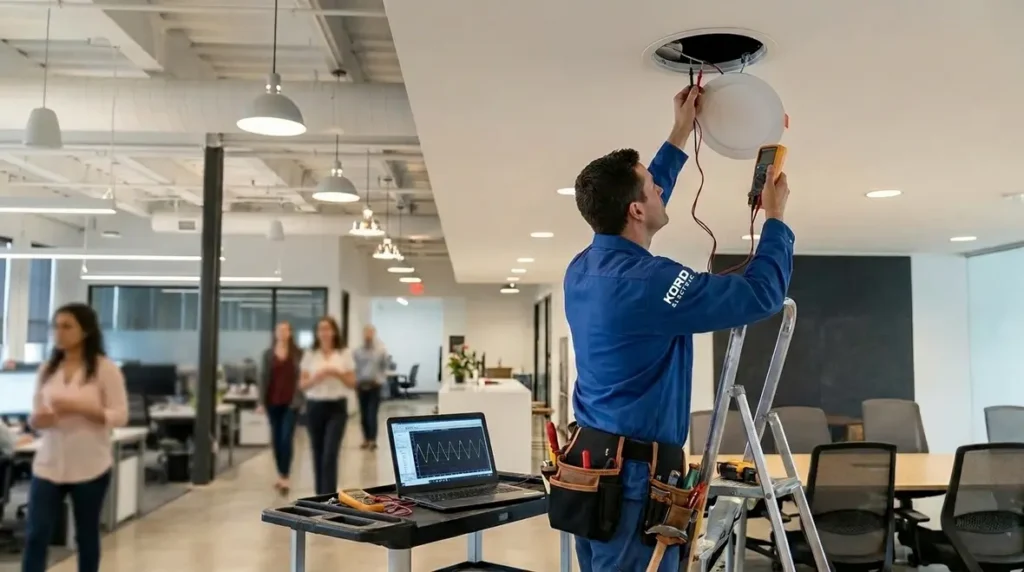
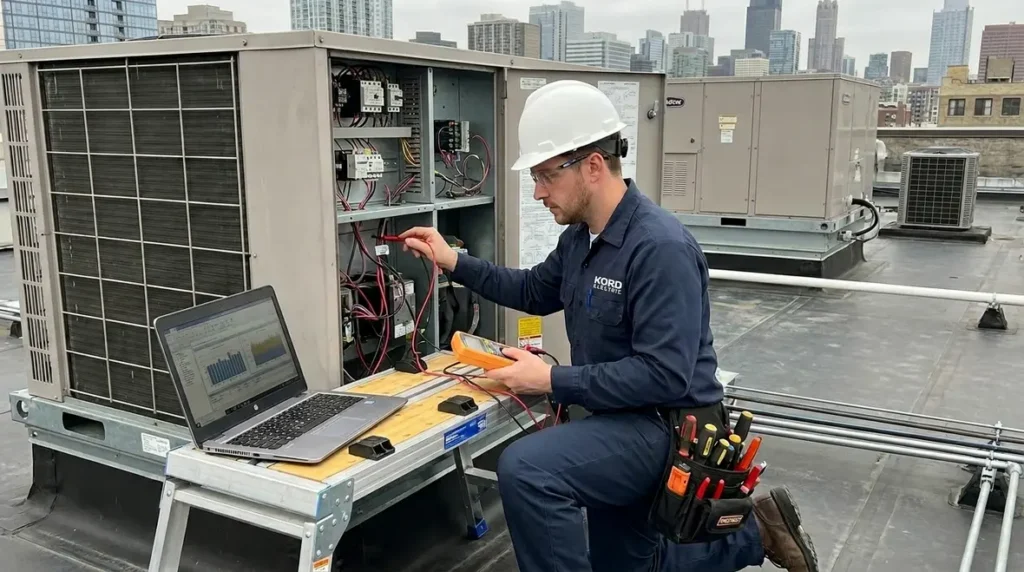
Good monitoring does not happen in a lab. It happens while people work, machines start, and loads shift across the building. So, we schedule analysis to match your operating cycle. Then our technicians capture data during startup events, peak demand periods, and typical production or business hours.
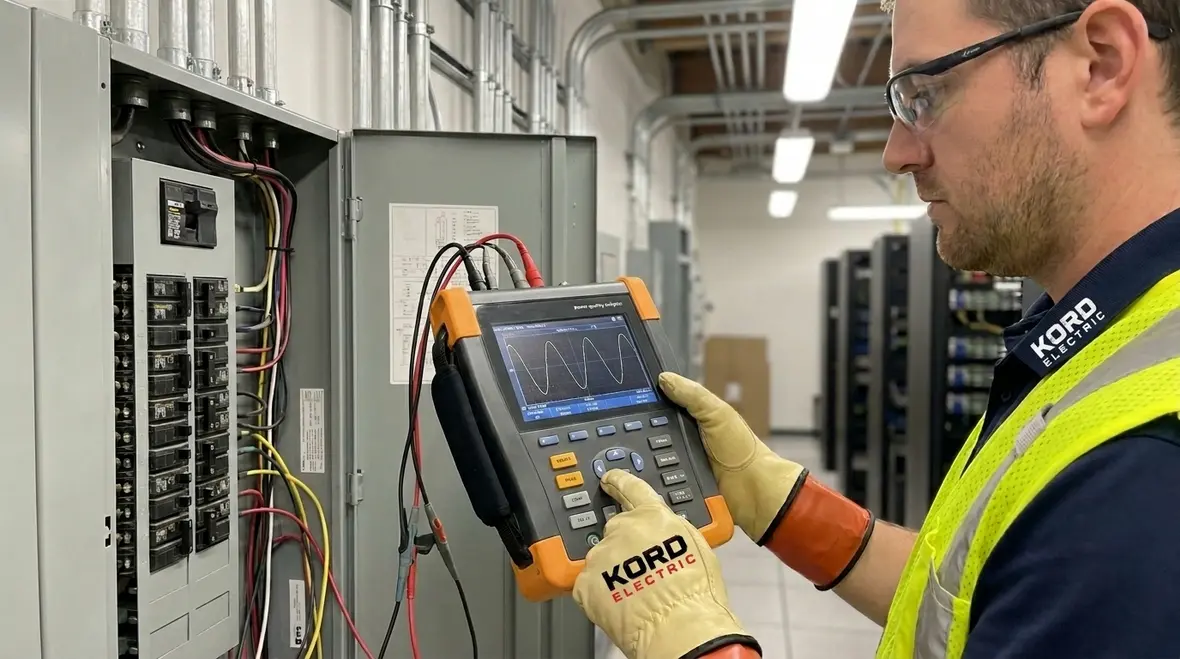
Our expert service staff explains each step so your staff does not feel like they are watching a magician pull a rabbit out of a hat. They will see why we capture event records, how we interpret trends, and which anomalies matter most. Then, we recommend actions based on what the equipment truly experienced, not what someone guessed from a single reading.
Often, monitoring reveals root causes that maintenance teams can address quickly. For instance, a loose connection may create intermittent voltage drops. A poorly sized transformer may show stress during motor cycling. A harmonic load may heat neutral conductors. When we document these patterns, facility teams can plan repairs in the right order, which reduces disruption and budget surprises.
For facilities formalizing a long term strategy, this kind of structured, proactive approach pairs naturally with dedicated electrical preventive maintenance programs that keep power quality and reliability aligned over time.
How monitoring prevents downtime in practical terms
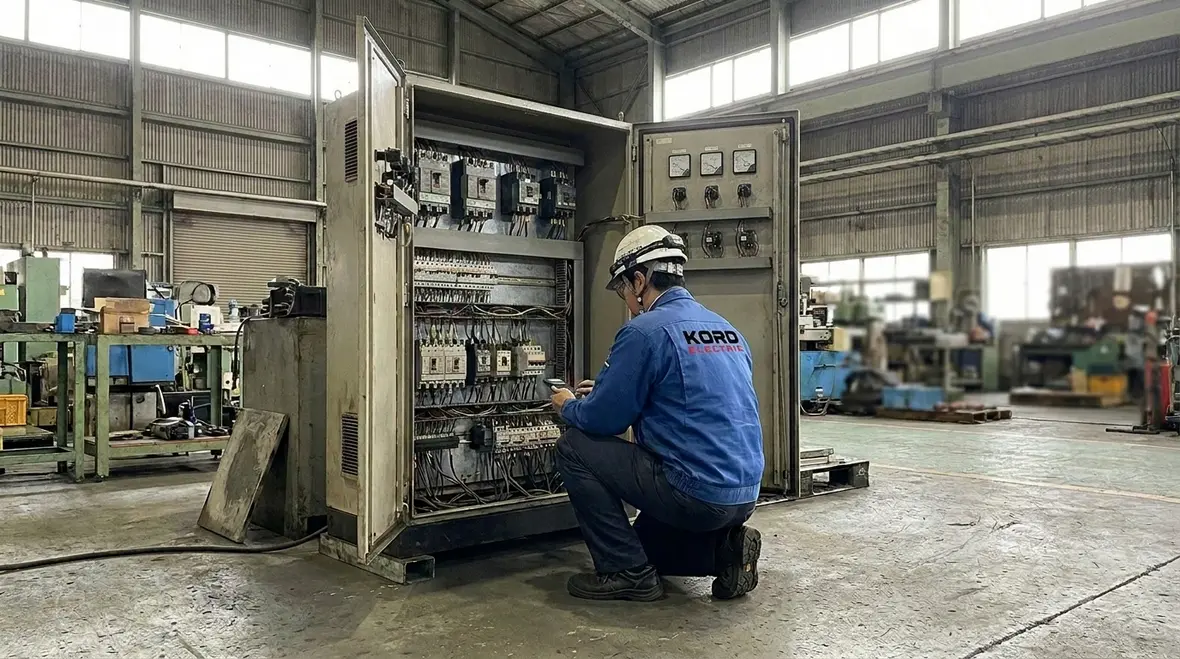
Power quality monitoring prevents downtime by reducing surprises. Instead of waiting for failures, we detect the electrical conditions that precede failure. Then we help others fix the conditions before they trigger trips or equipment faults.
For example, if data shows repeated voltage dips during motor startups, our team can recommend coordination changes, load management, or corrective upgrades that stabilize the system. If harmonics rise during certain production steps, we can advise mitigation approaches such as harmonic filtering or equipment adjustments. If transients appear near specific switching activities, we can suggest protective device evaluation and improved switching practices.
In addition, monitoring supports better maintenance planning. We can help your team verify whether a repair improved the electrical environment. That means we do not just “do work and hope.” Instead, we check performance after the change, then we guide next steps.
And, when we do it right, you get another benefit: fewer emergency calls at inconvenient hours. Even the most calm operators do not love getting paged like they are the hero in a late night action movie. For the rare times when something still goes wrong, pairing power quality insight with dedicated emergency electrical services gives facilities a safety net that responds quickly and keeps downtime contained.
Steps Kord Electric takes for commercial electrical power quality analysis
Kord Electric serves commercial and industrial facilities and major property buildings, so we tailor the process to sites where reliability affects real people and real budgets. Our approach typically includes these steps.
- Site review and load mapping so we understand what equipment runs, when it runs, and what loads interact during peak demand.
- Monitoring setup during normal operation to capture real events, including startup cycles and switching times.
- Data interpretation with practical outcomes so your team can act, not just admire charts.
- Recommendations that fit commercial realities including scheduling, safety needs, and system impacts.
- Follow up verification to confirm the fix improved the commercial electrical power quality performance.
Throughout, our technicians and expert service staff explain what we see in plain business language. We help others choose next actions that reduce risk without forcing unnecessary downtime during repairs.
Choosing when to monitor and when to act
Some facilities wait for an obvious failure, but that approach costs time and credibility. Instead, monitoring helps a site make smarter decisions earlier. We recommend evaluation when equipment shows recurring faults, when production or building performance seems inconsistent, or when new loads get added.
In addition, monitoring becomes valuable after electrical modifications, equipment replacements, or major construction phases. Even “small” changes like adding a new HVAC unit, updating lighting, or installing variable speed drives can shift harmonic levels or change how voltage behaves during motor starts.
We also suggest monitoring for facilities that support critical functions such as data services, logistics operations, process controls, and life safety loads. Then, the site can move from reactive to preventive maintenance, which protects equipment uptime and helps keep schedules stable.
Connecting monitoring to broader reliability planning
In many large facilities, commercial electrical power quality analysis is not a one time event. It is part of a wider strategy that can include structured maintenance programs, targeted upgrades, and periodic reassessment. Over time, we see the best results when monitoring data feeds directly into decisions about panel upgrades, load balancing, and modernization projects—rather than sitting in a report nobody reads.
For organizations already thinking about long term infrastructure health, complementary planning such as commercial and industrial electrical maintenance plans helps ensure that power quality findings lead to concrete actions, not just interesting graphs.
Dual column results overview
What we monitor
- Voltage fluctuation patterns
- Harmonic distortion levels
- Transient and event records
- Neutral and load behavior
Why it matters
- Helps explain nuisance trips, derating, and premature component wear
- Reduces overheating risk in transformers, cables, and neutral conductors
- Identifies switching-related stress on power supplies and control circuits
- Supports stable performance for critical building and process equipment
Frequently asked questions about commercial electrical power quality monitoring
Final word from Kord Electric
Commercial downtime hurts budgets, schedules, and reputations. Kord Electric helps commercial and industrial facilities prevent that damage with a deliberate commercial electrical power quality analysis, captured during real operating conditions and explained by our technicians and expert service staff. We do not guess. We measure, we interpret, and we recommend next steps that fit your site. If your facility has recurring faults, performance dips, or repeated trips, contact Kord Electric now and let us map the electrical risks before they become failures.
If you are ready to turn insight into action, our team can integrate commercial electrical power quality monitoring into broader reliability planning or dedicated electrical preventive maintenance and targeted services. That way, monitoring does not just document problems – it helps drive long term stability for your critical systems.